Smarter AI Guide: Unlocking Intelligent Tech in 2025
Imagine a world where technology predicts your needs, automates complex tasks, and seamlessly powers daily life. This is not science fiction, but the reality of 2025, driven by smarter ai.
In this guide, you will discover how smarter ai is transforming businesses, reshaping society, and making everyday experiences more intuitive. Our goal is to give you a clear roadmap for understanding, adopting, and thriving with intelligent technology in the year ahead.
We will explore the latest trends, key breakthroughs, and real-world applications across industries. You will also find essential strategies for adoption, ethical considerations, and predictions for the future.
AI is evolving faster than ever. See how smarter ai offers you a competitive edge, greater efficiency, and new opportunities. Ready to unlock the full potential of intelligent tech? Dive in and explore what lies ahead.
The Evolution of Smarter AI: From 2024 to 2025
The past year has seen the smarter ai landscape evolve at a pace few could have predicted. From basic automation to systems capable of real-time reasoning, the leap from 2024 to 2025 is nothing short of extraordinary. Every sector, from transportation to retail, now feels the impact of smarter ai as it becomes more embedded in daily operations and strategic planning.
Key Milestones in AI Development
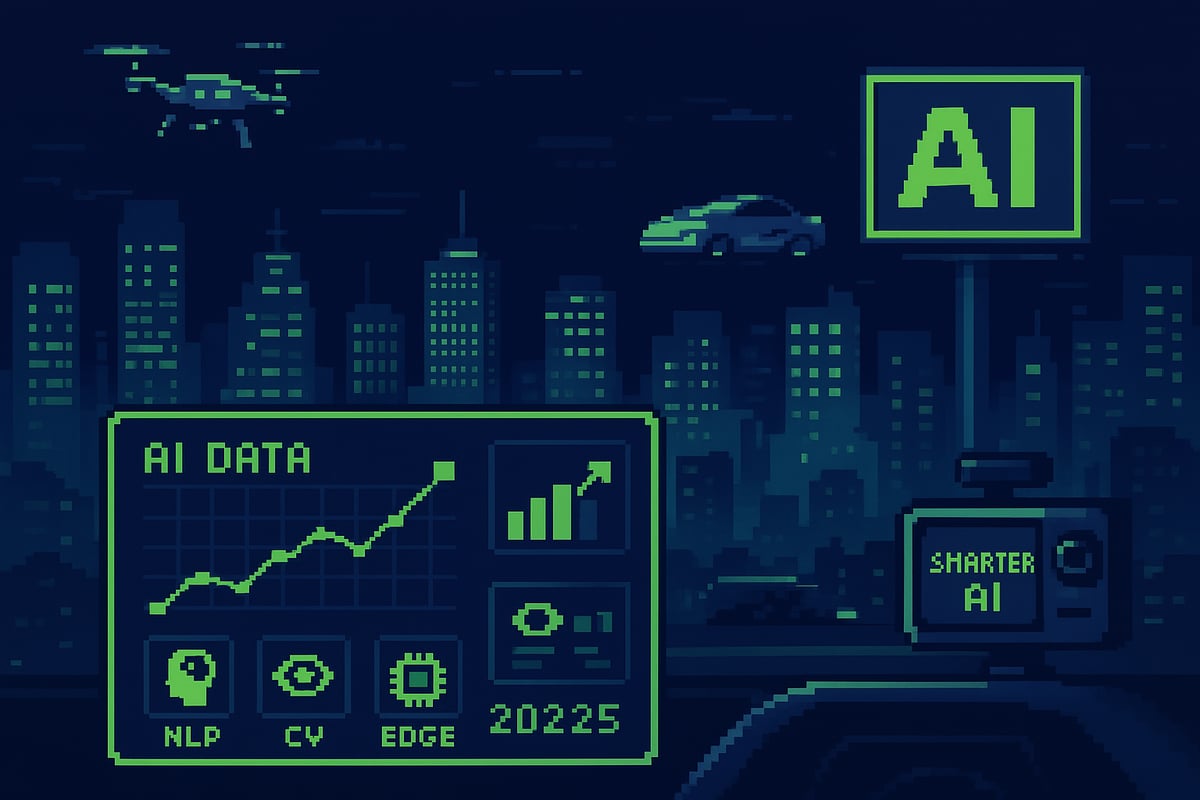
Over the past twelve months, smarter ai has advanced from routine automation to systems that learn, adapt, and interact in increasingly sophisticated ways. In 2024, breakthroughs in natural language processing allowed AI to interpret and generate human-like responses with unprecedented accuracy. Real-time computer vision became mainstream, enabling devices to analyze scenes and detect objects instantaneously.
Edge AI deployment saw significant momentum, with AI accelerators like Coral and Jetson making smarter ai accessible in compact, low-power devices. This shift empowered everything from dashcams to IoT sensors to process data locally, reducing latency and improving privacy.
The open-source movement played a pivotal role. Developers worldwide contributed to smarter ai models, accelerating innovation and lowering barriers to entry. Industry adoption rates soared as businesses integrated smarter ai into platforms powering logistics, retail, and public safety. For example, AnyConnect’s Smarter AI Dashcam set new standards in fleet management by combining real-time analytics with robust security.
A surge in AI patent filings and record investments reflected this momentum. The global AI market, projected to reach $243.7 billion in 2025, highlights the exponential growth and confidence in smarter ai technologies (Global AI market projected to reach $243.7 billion in 2025).
| 2024 AI Breakthroughs | Impact Area |
|---|---|
| Advanced NLP | Customer support, chatbots |
| Real-time Computer Vision | Surveillance, retail |
| Edge AI Accelerators | IoT, transportation |
| Open-source Model Proliferation | Democratized development |
What Defines “Smarter” AI in 2025?
Unlike traditional systems, smarter ai in 2025 stands out for its context awareness, adaptability, and autonomy. These next-generation platforms do not just follow static rules; they interpret multi-modal data—text, audio, video, and sensor feeds—for richer, more nuanced decisions.
Self-optimizing algorithms allow smarter ai to learn continuously in real-time, adapting to new environments with minimal human intervention. In the gaming sector, the Victoria 3 Smarter AI mod demonstrated how AI can drive complex economic planning, balancing resources and responding dynamically to changing conditions.
Privacy and security remain at the forefront. Smarter ai integrates ethical frameworks by design, ensuring data protection and transparent decision-making. As automation increases across business sectors, organizations rely on smarter ai to minimize errors, boost efficiency, and maintain compliance.
Key features that define smarter ai in 2025:
- Contextual understanding from diverse data sources
- Autonomous learning and self-improvement
- Real-time decision-making capabilities
- Built-in privacy and ethical safeguards
With the rise in AI-driven automation, businesses and governments are now better equipped to respond to dynamic challenges, illustrating the transformative potential of smarter ai. This evolution sets the stage for even more advanced applications in the coming years.
Breakthrough Technologies Powering Intelligent Tech in 2025
The pace of innovation in smarter ai is accelerating, unlocking new possibilities across every industry. In 2025, a wave of breakthrough technologies is making intelligent systems more capable, flexible, and secure than ever before. Let us explore the core advancements powering this intelligent tech revolution.
AI at the Edge: Real-Time Intelligence Everywhere
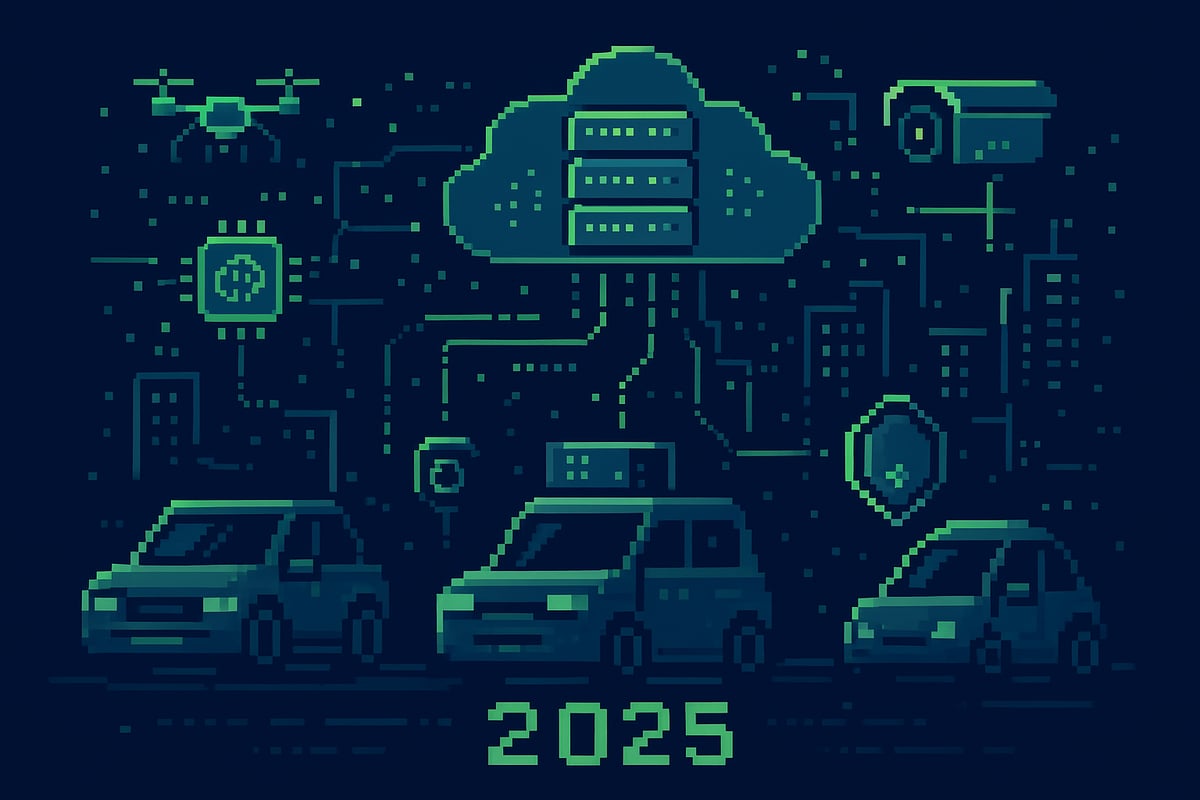
Smarter ai is rapidly moving from the cloud into the real world, thanks to edge AI. Edge AI means processing data locally on devices like cameras, vehicles, drones, and IoT sensors, instead of relying on remote servers. This shift brings intelligence closer to where decisions are made.
Key benefits include:
- Reduced latency for instant responses
- Enhanced privacy since sensitive data stays local
- Offline capabilities for remote or mobile operations
A great example is AnyConnect’s Smarter AI Camera Platform, often called “Android for cameras,” which enables devices to run multiple AI models and adapt on the fly. The rollout of specialized AI accelerators, such as Nvidia's new Rubin AI chips Nvidia CEO Jensen Huang unveils new Rubin AI chips at GTC 2025, is fueling this trend, making devices smarter and more efficient. According to recent reports, edge AI device shipments are forecast to double by 2025, showing the growing demand for distributed, real-time intelligence.
Advanced Computer Vision and Natural Language Understanding
Computer vision and natural language processing have evolved far beyond simple recognition tasks. In 2025, smarter ai enables systems to analyze complex scenes, interpret context, and act accordingly.
For example:
- Surveillance cameras now detect not just movement, but specific activities and behavioral patterns.
- Retailers use real-time video analytics to track inventory and customer flows.
- AI chatbots and virtual assistants offer seamless, multilingual support, enhancing both accessibility and engagement.
Adoption rates are climbing fast, especially in smart cities and business environments where computer vision powers everything from traffic management to security. Driver monitoring systems in dashcams, powered by smarter ai, can authenticate identities and detect fatigue in real time, directly improving safety.
AI Containers and Over-the-Air Updates
One of the most transformative trends in smarter ai is the rise of AI Containers. These modular software units make it simple to deploy, update, and manage AI models across fleets of devices.
With AI Containers, businesses can:
- Swap or upgrade AI models without replacing hardware
- Roll out new features through over-the-air (OTA) programming
- Maintain consistency and control over distributed systems
Imagine a fleet manager updating all vehicle dashcams overnight with a new driver safety model. Platforms like the AI Store offer marketplaces for discovering and deploying these solutions, while containerized AI is now adopted by over 60% of enterprises managing large device networks. This modular approach keeps smarter ai solutions agile and future-proof.
Security, Privacy, and Data Protection in Smarter AI
As smarter ai spreads, security and privacy have become top priorities. Regulations such as GDPR demand strict compliance, especially when handling video, audio, and biometric data.
Key strategies include:
- Encrypted streaming protocols for data in transit
- Privacy-first architectures that limit sensitive data exposure
- Transparent data handling policies to build consumer trust
AnyConnect’s privacy-centric telematics illustrate how smarter ai can balance intelligence with protection. Advances in data protection now play a vital role in adoption, with consumer trust metrics indicating a steady rise as privacy safeguards improve. In 2025, smarter ai is not just about capability, but about delivering secure, ethical, and responsible intelligence.
Real-World Applications: How Smarter AI is Transforming Industries
Smarter ai is no longer a futuristic concept. Today, it is actively reshaping how industries operate, bringing intelligence, efficiency, and adaptability to the forefront. In 2025, businesses and organizations are leveraging smarter ai to solve real-world challenges, streamline operations, and unlock new value across transportation, public safety, commerce, and more.
Intelligent Transportation and Fleet Management
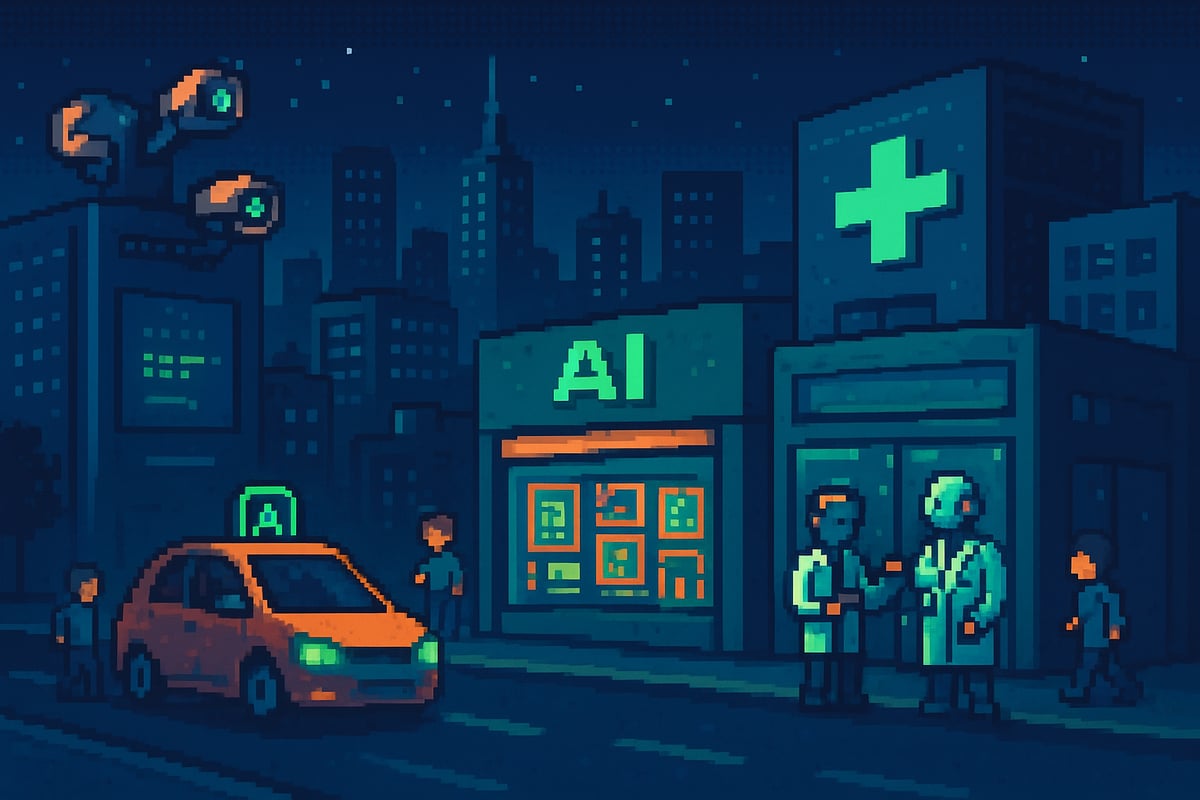
The transportation sector is experiencing a revolution with smarter ai driving safety and efficiency. AI-powered dashcams now monitor driver behavior in real time, providing instant feedback and alerts to reduce risky actions. Advanced Driver Assistance Systems (ADAS) use computer vision and sensor fusion to detect hazards, support lane-keeping, and prevent collisions.
Fleet operators benefit from predictive maintenance powered by smarter ai algorithms. These systems analyze sensor data to forecast mechanical issues before they become costly breakdowns. Centralized platforms allow managers to oversee entire fleets remotely, gaining insights into routes, fuel usage, and compliance.
For example, AnyConnect’s Smarter AI™ Dashcam enables taxi, rental, and delivery companies to lower accident rates and operational costs. According to industry data, fleets adopting smarter ai report up to 40% fewer incidents and a 25% reduction in maintenance expenses. This comprehensive integration of smarter ai is setting new benchmarks for safety and productivity in transportation.
Smart Surveillance, Security, and Public Safety
Public safety agencies and private organizations are rapidly adopting smarter ai to enhance security and response capabilities. AI-powered CCTV and body cameras now feature real-time threat detection, facial recognition, and automated alerts for loitering or suspicious behavior. These systems empower security teams to act quickly and efficiently.
A standout example is the Smarter AI™ Bio Thermal Camera, which can detect elevated body temperatures in crowds, aiding mass fever screening during health crises. Integration with law enforcement databases enables instant background checks and supports proactive crime prevention.
Data shows that cities deploying smarter ai surveillance systems have seen a 30% improvement in emergency response times and a notable decline in property crime rates. The adaptability and autonomy of smarter ai platforms ensure that security measures remain robust, scalable, and privacy-conscious.
Retail, Smart Cities, and Home Automation
In retail, smarter ai is optimizing everything from shelf monitoring to personalized customer engagement. AI-based systems track inventory levels, detect out-of-stock items, and analyze shopper behavior through computer vision. Retailers can restock shelves efficiently, reduce shrinkage, and offer targeted promotions based on real-time insights.
Smart cities harness smarter ai for traffic management, waste collection, and energy optimization. AI-powered sensors monitor road congestion, adjust traffic lights dynamically, and predict maintenance needs for infrastructure. In homes, smarter ai drives innovation in video doorbells, security systems, and appliance automation, creating safer and more convenient living spaces.
AnyConnect’s solutions exemplify the deployment of smarter ai in retail and urban environments, delivering increased efficiency and higher customer satisfaction. Metrics from 2024 indicate a 20% boost in operational efficiency and a 15% rise in customer satisfaction for businesses adopting smarter ai-enabled systems.
Healthcare, Education, and Specialized Sectors
Healthcare is leveraging smarter ai to improve patient outcomes and streamline emergency response. AI-equipped ambulances analyze patient data en route to hospitals, enabling doctors to prepare in advance. Hospitals use smarter ai for patient monitoring, diagnostics, and workflow automation, ensuring timely and accurate care.
In education, smarter ai supports safety through smart monitoring in schools and public transport. It also powers adaptive learning platforms that tailor educational content to individual needs, enhancing student engagement and performance.
Specialized industries, such as food trucks, government agencies, and construction, benefit from custom smarter ai applications for access control, onboarding, and asset management. Studies show that smarter ai adoption in healthcare and education sectors has led to measurable improvements in efficiency, safety, and service delivery, positioning organizations for continued success in a rapidly evolving landscape.
Step-by-Step Guide: Unlocking Smarter AI for Your Business in 2025
Bringing smarter AI into your business requires a structured, strategic approach. This step-by-step guide will help you assess where you stand, set clear goals, and unlock the full value of intelligent technologies. By following these steps, you can ensure your adoption of smarter AI is efficient, ethical, and aligned with your business objectives.

Step 1: Assess Your Current AI Readiness
Start by evaluating your organization's present capabilities. Look at your data infrastructure, current automation, and existing workflows. This assessment uncovers gaps and highlights opportunities for smarter AI integration.
- Audit data quality and storage systems
- Review current automation tools and processes
- Identify pain points that smarter AI could address
For example, a retailer might notice manual inventory tracking is slow and inaccurate. Recognizing this, they can target smarter AI solutions for improvement.
Step 2: Define Clear Objectives and Use Cases
With your baseline established, outline specific goals for your smarter AI journey. Set measurable targets, such as reducing customer response times or boosting operational accuracy.
- Prioritize use cases with the highest return on investment
- Align objectives with business growth strategies
- Consider industry benchmarks for smarter AI adoption
A fleet operator, for instance, may focus on predictive maintenance to minimize vehicle downtime and enhance safety through smarter AI insights.
Step 3: Choose the Right AI Technologies and Partners
Research and compare available smarter AI platforms, considering whether edge or cloud solutions best fit your needs. Evaluate vendors for security, scalability, and support. Utilizing AI business tools for 2025 can simplify this process by offering curated recommendations and expert reviews.
- Assess integration with existing systems
- Check for compliance with privacy standards
- Review long-term support and update options
Selecting the right partner ensures your smarter AI investments deliver sustainable results.
Step 4: Implement and Integrate Smarter AI Solutions
Begin with pilot projects to test smarter AI applications in real-world conditions. Roll out solutions in phases, allowing teams to adapt and processes to be refined.
- Develop training sessions for staff
- Integrate smarter AI into core business software
- Monitor initial outcomes and adjust as needed
Seamless integration is key to maximizing the value of smarter AI technologies while minimizing disruption.
Step 5: Monitor, Optimize, and Scale
Ongoing success with smarter AI depends on continuous monitoring and improvement. Use analytics dashboards to track performance and identify new opportunities.
- Collect feedback from users and stakeholders
- Iterate based on real-world data and changing needs
- Plan for over-the-air updates and future scaling
Regular optimization keeps your smarter AI initiatives aligned with evolving business goals.
Common Challenges and Solutions
Adopting smarter AI can present hurdles, such as data quality issues or resistance to change. Address these by ensuring clear communication, comprehensive training, and strong data governance.
- Establish ethical guidelines and compliance measures
- Foster a culture of innovation and openness
- Leverage case studies to illustrate benefits
Overcoming these challenges positions your organization to fully capitalize on the smarter AI revolution.
Ethical, Legal, and Societal Impacts of Smarter AI
The rapid evolution of smarter ai brings tremendous promise, but it also introduces complex challenges that demand careful consideration. As organizations embrace intelligent tech, understanding the ethical, legal, and societal implications becomes essential for responsible innovation. Let us explore how smarter ai is shaping new norms and expectations across industries and communities.
Navigating AI Ethics and Responsible Deployment
Ethics are at the heart of smarter ai deployment. Developers, businesses, and regulators are prioritizing transparency, fairness, and accountability to prevent unintended consequences. Responsible smarter ai systems should:
- Provide clear explanations for decisions
- Mitigate bias through diverse, inclusive training data
- Enable user control and feedback
Emerging best practices encourage open communication between stakeholders and frequent audits. For a deeper dive, see the Understanding Ethical Practices in AI: Insights from a Cross-Role, Cross-Region Survey of AI Development Teams, which offers expert perspectives on building ethical smarter ai systems.
Legal and Regulatory Considerations in 2025
As smarter ai becomes more pervasive, global legal frameworks are evolving to address its risks and opportunities. Data privacy regulations such as GDPR are expanding, with stricter requirements for consent, transparency, and accountability. Sectors like healthcare and finance face heightened scrutiny over how smarter ai handles sensitive information.
Recent policy reports, including the California AI Policy Report Warns of ‘Irreversible Harms’, highlight the need for proactive risk management. Compliance now involves regular assessments, clear documentation, and technical safeguards to protect user rights in the age of smarter ai.
Societal Implications: Opportunities and Risks
The societal impact of smarter ai is profound. On one hand, it creates new jobs, improves efficiency, and enhances services. On the other, it raises concerns about surveillance, workforce displacement, and the erosion of trust. Organizations must balance innovation with social responsibility.
Key considerations include:
- Supporting workforce reskilling and digital literacy
- Ensuring equitable access to smarter ai benefits
- Addressing biases and potential misuse in automated systems
Public trust will depend on how transparently smarter ai is integrated into daily life.
Future Directions for Ethical AI
Looking forward, the future of smarter ai hinges on collaboration, regulation, and ongoing education. Expect to see more global standards, open-source initiatives, and industry partnerships driving ethical practices. Surveys show rising public demand for trustworthy, explainable ai.
To stay ahead, organizations should:
| Action | Impact |
|---|---|
| Adopt ethical frameworks | Build stakeholder trust |
| Engage in cross-sector dialogue | Foster innovation |
| Invest in education | Prepare workforce |
As smarter ai continues to evolve, proactive governance and a commitment to societal well-being will shape its legacy.
The Future of Smarter AI: Trends and Predictions for 2025 and Beyond
The rapid evolution of smarter ai is set to define the next era of intelligent technology. As we approach 2025, the boundaries between human and artificial intelligence are blurring, opening new possibilities for every sector. This section explores the critical trends shaping the future, practical predictions, and how organizations can prepare to harness the full potential of smarter ai.
AI Democratization and Accessibility
One of the most significant shifts in smarter ai is its growing accessibility. No longer limited to tech giants, AI-powered tools are now within reach for SMBs, startups, and non-tech sectors. The rise of low-code and no-code platforms enables rapid deployment, allowing even those without coding expertise to leverage intelligent solutions.
For example, platforms now offer step-by-step guides for building custom AI agents, empowering businesses to automate tasks and enhance productivity in under five minutes. This democratization is fueling a surge in innovation, making smarter ai an essential driver of digital transformation across industries.
Hyper-Personalization and Adaptive Intelligence
Smarter ai is taking personalization to unprecedented levels. Advanced algorithms analyze vast streams of multi-modal data, allowing systems to tailor experiences for individual users and contexts. This adaptive intelligence enables real-time learning, so AI can optimize recommendations, services, or interactions on the fly.
In business, smarter ai powers chatbots that deliver personalized customer engagement. For a closer look at these capabilities, see this AI chatbot review for businesses, which details how adaptive bots are transforming support and sales. The result is more relevant interactions, higher satisfaction, and increased loyalty.
AI-Driven Collaboration and Human-AI Teams
Collaboration between humans and smarter ai is becoming the new norm in the workplace. AI assistants are now integrated into daily workflows, supporting decision-making and automating routine tasks. This partnership enhances productivity and allows employees to focus on strategic, creative work.
Data from recent studies shows measurable gains in both output and employee satisfaction where smarter ai tools are embraced. Organizations are building multidisciplinary teams where AI augments human strengths, leading to more agile and resilient operations.
Emerging Technologies on the Horizon
The future of smarter ai is closely linked to breakthroughs in emerging technologies. Quantum AI, neuromorphic computing, and next-generation neural networks promise to dramatically expand the capabilities of intelligent systems. These innovations will enable faster processing, better pattern recognition, and deeper insights.
Industry forecasts predict the global AI market will continue its strong growth, with smarter ai applications leading the way in robotics, autonomous vehicles, and healthcare. Staying informed about these advances is vital for organizations aiming to remain competitive.
Preparing for the Next Wave of Intelligent Tech
To thrive in this era of smarter ai, continuous learning and organizational adaptability are crucial. Companies must invest in upskilling their workforce, embracing new tools, and building a culture of innovation. Resources such as industry reports, educational platforms, and expert communities will be essential for staying ahead.
A proactive approach ensures businesses are ready to capitalize on the next breakthroughs. By understanding trends and preparing strategically, organizations can unlock new value and maintain a leadership position in the age of smarter ai.