9 Essential AI ML Tools to Supercharge Your Workflow in 2025
Artificial intelligence is advancing faster than ever, with new ai ml tools reshaping how businesses operate and innovate. In 2025, choosing the right solutions is no longer optional, it is crucial for staying competitive.
This article spotlights 9 essential ai ml tools that lead the way in innovation, usability, and impact. We will explore platforms for data science, automation, model deployment, collaboration, and optimizing workflows.
Ready to boost your productivity and efficiency? Dive in to discover which tools can transform your workflow and keep you ahead in the AI-powered future.
Why AI and ML Tools Are Crucial for Modern Workflows
Artificial intelligence and machine learning are reshaping how organizations operate, compete, and innovate. As we look toward 2025, ai ml tools are no longer optional—they are essential for any business aiming to thrive in a rapidly digitizing world.
The Accelerating Pace of Digital Transformation
Digital transformation is accelerating across all industries, and ai ml tools are at the forefront of this change. Financial institutions use these tools to streamline risk assessment, while healthcare providers deploy AI for faster diagnostics. Retailers leverage machine learning to enhance personalized recommendations and inventory management.
According to Gartner’s AI Forecast for 2025, 70 percent of enterprises will operationalize AI architectures by 2025. This growing reliance underscores the need for scalable, adaptable solutions that can keep pace with evolving market demands.
Key Challenges Addressed by AI/ML Tools
Manual data processing often leads to bottlenecks and inefficiencies. Ai ml tools automate repetitive tasks, enabling teams to focus on higher value work. Research from McKinsey shows that AI can boost productivity by up to 40 percent, making a significant impact on organizational output.
By minimizing human error and providing deeper data insights, these tools help companies make more accurate, data-driven decisions. They are critical for handling the increasing scale and complexity of business data, ensuring that organizations remain agile and responsive.
Impact on Team Collaboration and Productivity
Modern ai ml tools are transforming how teams collaborate across departments. AI-powered project management platforms centralize workflows, making it easier for teams to share data and insights. This improves accessibility, allowing non-technical users to participate in data-driven projects.
For example, project timelines are shortened as automation removes manual steps. As a result, teams deliver solutions faster, accelerate time-to-market, and foster a more innovative culture throughout the organization.
The Competitive Edge in 2025
Early adopters of advanced ai ml tools are setting themselves apart as industry leaders. Statista projects that the global AI market will surpass 500 billion dollars by 2025, reflecting both rapid adoption and immense growth opportunities.
Businesses that hesitate risk falling behind their competitors. Embracing these tools is key to future-proofing operations, driving continuous innovation, and maintaining a competitive edge in an increasingly digital landscape.
9 Essential AI ML Tools to Supercharge Your Workflow in 2025
The landscape of ai ml tools is more diverse and powerful than ever. Below, we spotlight nine standout platforms that are shaping the future of productivity, automation, and innovation. Whether you're a data scientist, developer, analyst, or business leader, these ai ml tools can help you unlock new levels of efficiency and insight.
1. DataRobot
DataRobot is recognized as a leader among ai ml tools, offering automated machine learning (AutoML) for enterprises and small businesses. Its platform covers the full AI lifecycle, from data preparation and model building to deployment and monitoring.
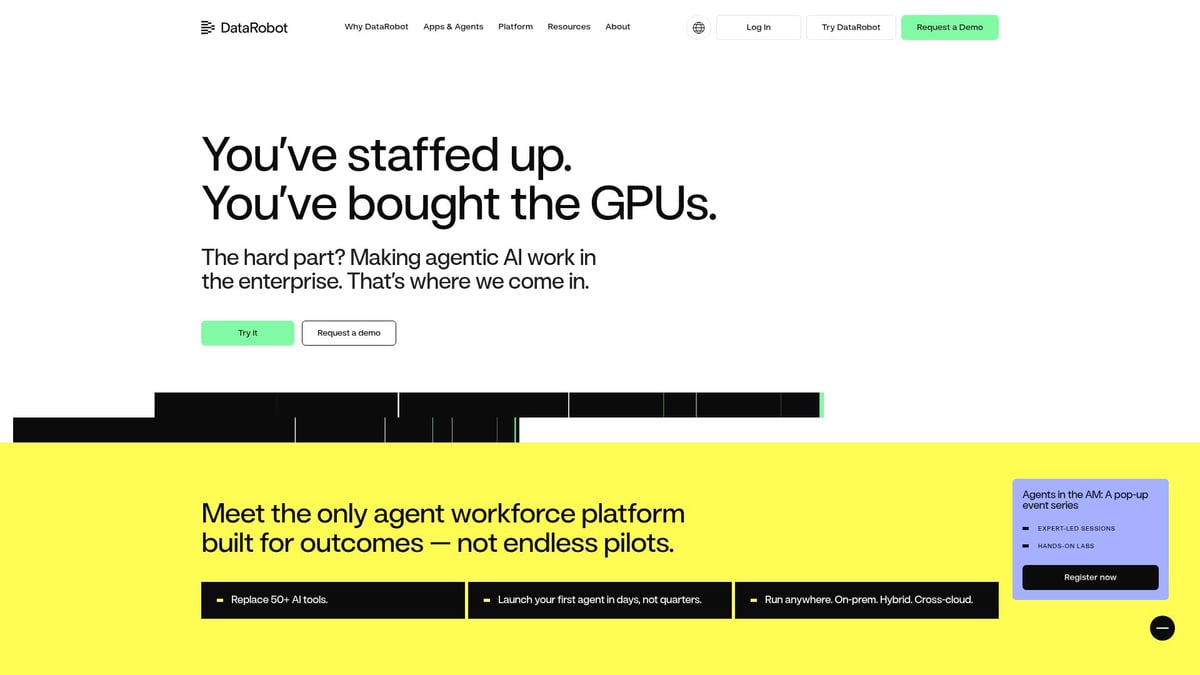
Pricing: DataRobot provides scalable pricing tiers tailored for both SMBs and large enterprises.
Key Features:
- End-to-end model development and monitoring
- Automated feature engineering
- Model explainability and compliance tools
Unique Selling Point: DataRobot democratizes ai ml tools, empowering non-experts to build, deploy, and manage models without deep coding skills.
Pros and Cons Table:
| Pros | Cons |
|---|---|
| User-friendly UI | Premium pricing |
| Highly scalable | |
| Robust AutoML |
Target Users: Data scientists, business analysts, and operations teams.
Example: Retailers leverage DataRobot's ai ml tools to quickly analyze customer data, enabling faster and more accurate insights for inventory and marketing decisions.
2. Hugging Face
Hugging Face is a pioneer in natural language processing and one of the most influential ai ml tools for developers and enterprises. It offers an extensive open-source model hub, with free and enterprise-grade paid plans.
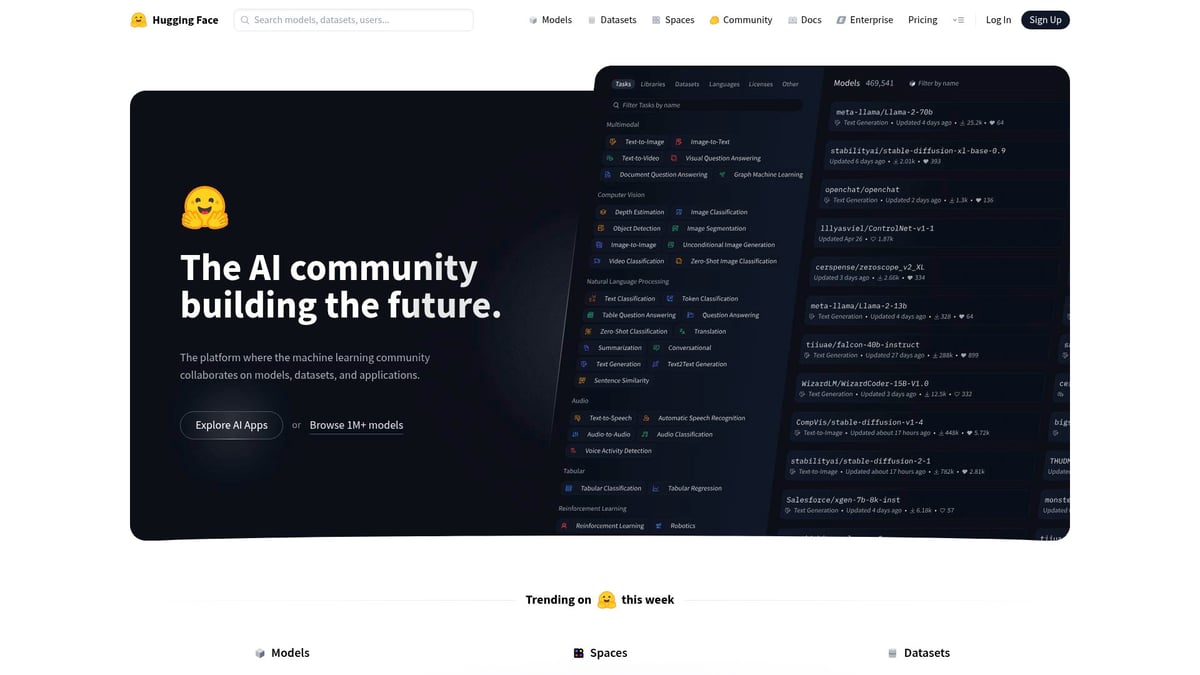
Features:
- Access to thousands of pre-trained transformer models
- Collaborative model sharing and versioning
- API integrations for rapid deployment
Unique Selling Point: Hugging Face leads the field in NLP research, making complex language models accessible to all.
Pros and Cons Table:
| Pros | Cons |
|---|---|
| Vibrant open-source community | Steeper learning curve for beginners |
| Cutting-edge NLP models |
Use Cases: Chatbots, sentiment analysis, language translation.
Target Users: AI researchers, developers, and enterprises.
Example: Media companies automate content moderation and sentiment analysis, harnessing the power of Hugging Face's ai ml tools.
3. ToolStacked
ToolStacked stands out among ai ml tools by focusing on customizable AI automation for businesses of all sizes. It offers chatbot solutions, advanced automation tools, and in-depth reviews to help organizations select the right technologies.
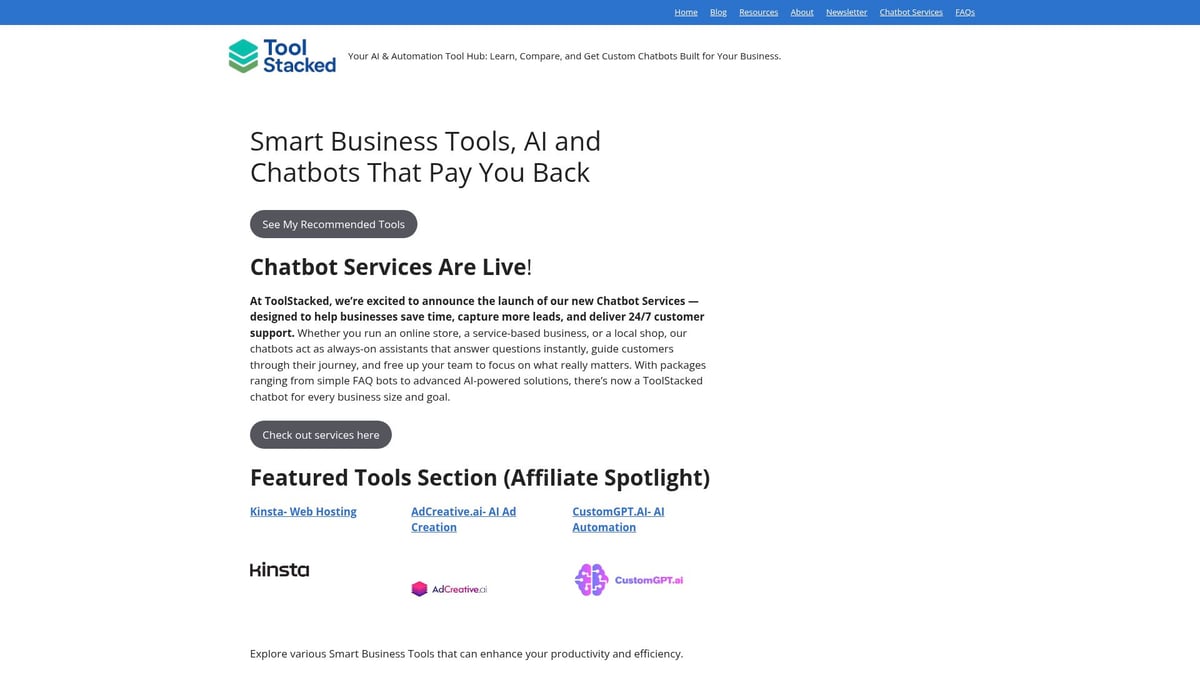
Features:
- Custom chatbot packages for FAQs and lead generation
- Advanced AI-powered automation solutions
- Detailed tool reviews and workflow comparisons
Unique Selling Point: ToolStacked tailors its ai ml tools to fit unique business needs, supporting both SMEs and large enterprises.
Pros and Cons Table:
| Pros | Cons |
|---|---|
| Saves time on repetitive tasks | Customization may need consultation |
| Enhances customer service |
Target Users: SMEs, enterprises, and teams seeking workflow automation.
Ideal Use Cases: Customer support, internal workflow automation, lead generation.
Example: E-commerce businesses deploy ToolStacked's ai ml tools to reduce customer response times and automate support, as highlighted in AI automation tools for business.
4. Azure Machine Learning
Microsoft's Azure Machine Learning is a robust addition to the ai ml tools ecosystem, supporting end-to-end machine learning lifecycle management. It offers pay-as-you-go and enterprise pricing to suit different organizational needs.
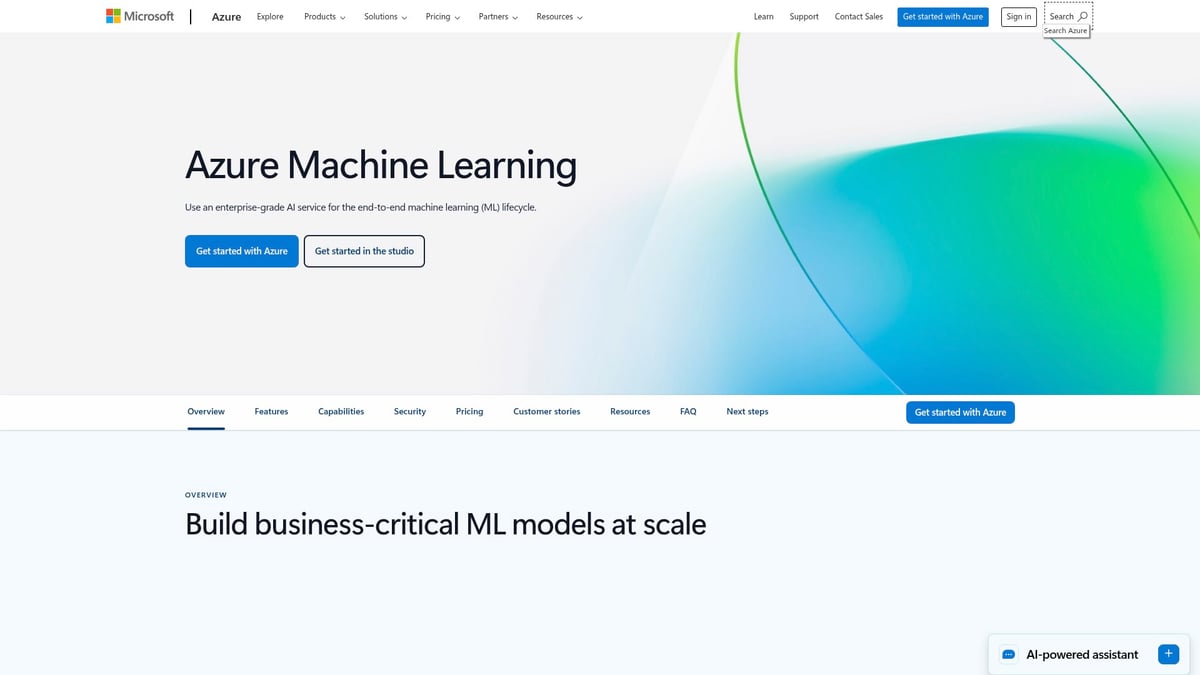
Features:
- Automated ML and model lifecycle management
- Seamless integration with the Azure cloud ecosystem
- Enterprise-grade security and compliance
Unique Selling Point: Azure ML provides industry-leading security, making it ideal for regulated sectors.
Pros and Cons Table:
| Pros | Cons |
|---|---|
| Scalable | Complex pricing |
| Robust integrations |
Target Users: Large organizations, financial institutions, healthcare providers.
Use Cases: Financial forecasting, healthcare diagnostics.
Example: Banks use Azure ML's ai ml tools to deploy fraud detection models at scale, ensuring compliance and reliability.
5. Weights & Biases
Weights & Biases is a favorite among research teams for its experiment tracking and collaboration capabilities. As one of the most innovative ai ml tools, it offers both free and pro plans for individuals, teams, and enterprises.

Features:
- Real-time experiment tracking and visualizations
- Model management and reproducibility
- Collaboration tools for teams
Unique Selling Point: Streamlines project tracking and accelerates model iteration with intuitive dashboards.
Pros and Cons Table:
| Pros | Cons |
|---|---|
| Collaborative UI | May require onboarding |
| Intuitive workflow |
Target Users: Machine learning engineers, research labs, data science teams.
Example: Research labs use Weights & Biases ai ml tools to fast-track experimentation with precise version control and team collaboration.
6. MonkeyLearn
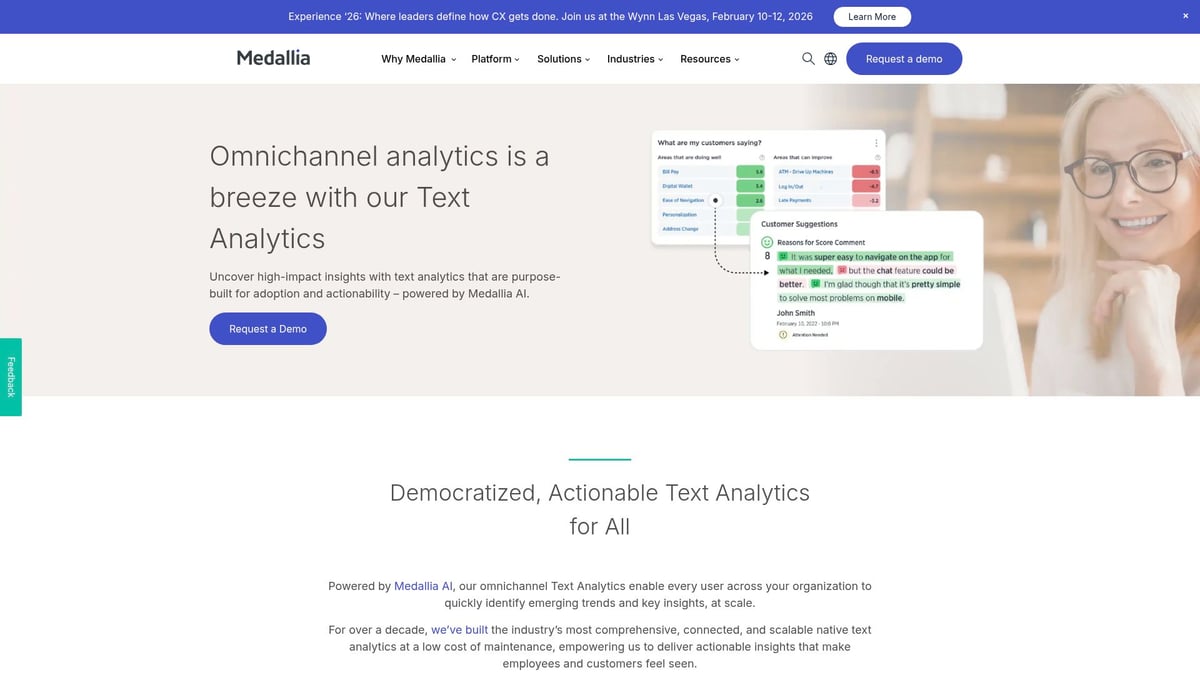
MonkeyLearn is a no-code platform designed to make ai ml tools accessible to non-technical teams. Its subscription pricing fits businesses of all sizes, with custom enterprise packages available.
Features:
- No-code text analysis and sentiment analysis
- Data visualization and easy integration with popular platforms
Unique Selling Point: Empowers marketing and support teams to analyze feedback and survey data without coding.
Pros and Cons Table:
| Pros | Cons |
|---|---|
| Easy setup | Limited to text data |
| Integrations |
Target Users: Marketing, customer service, and product teams.
Use Cases: Survey analysis, support ticket categorization.
Example: SaaS companies leverage MonkeyLearn's ai ml tools to automate customer feedback analysis, improving product development cycles.
7. Dataiku
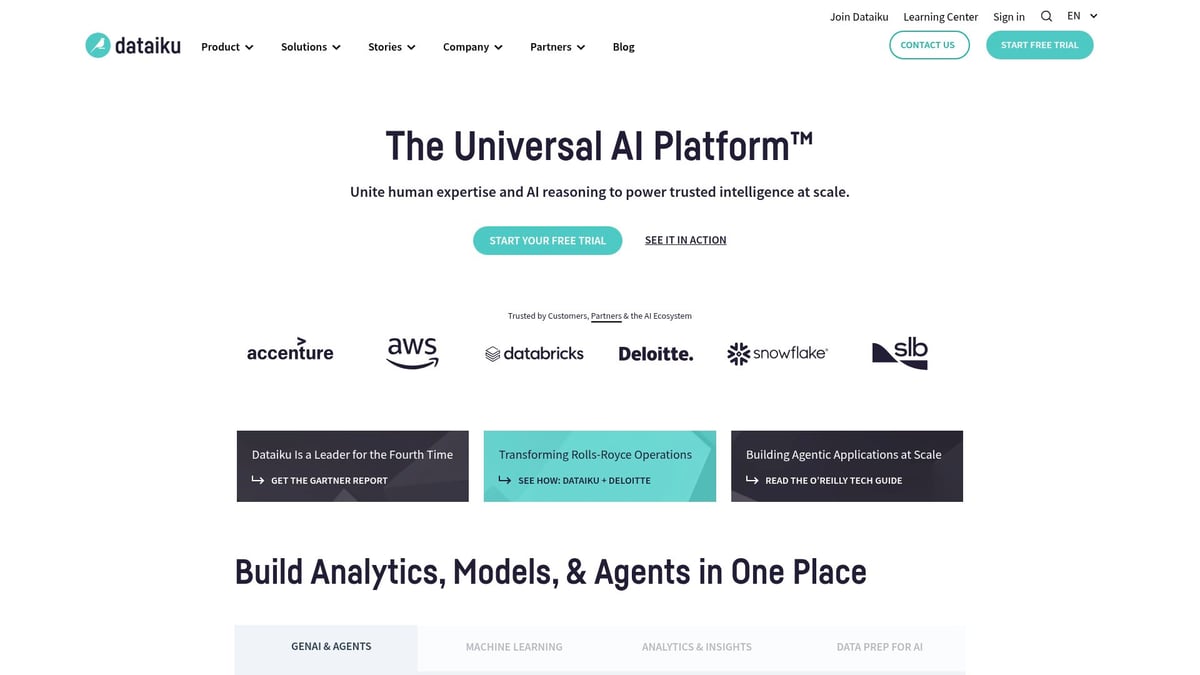
Dataiku bridges the gap between data experts and business users, making it a top choice among collaborative ai ml tools. It offers free, business, and enterprise editions to fit different scales.
Features:
- Visual workflows for data prep and model building
- AutoML and extensibility with Python, R, and plugins
- Collaboration features for cross-functional teams
Unique Selling Point: Enables seamless collaboration between technical and non-technical users.
Pros and Cons Table:
| Pros | Cons |
|---|---|
| Strong collaboration | Learning curve for advanced features |
| Extensible platform |
Target Users: Enterprises, cross-functional teams, data analysts.
Use Cases: Predictive analytics, business intelligence, supply chain optimization.
Example: Manufacturing firms use Dataiku's ai ml tools to optimize supply chains and forecast demand.
8. Amazon SageMaker
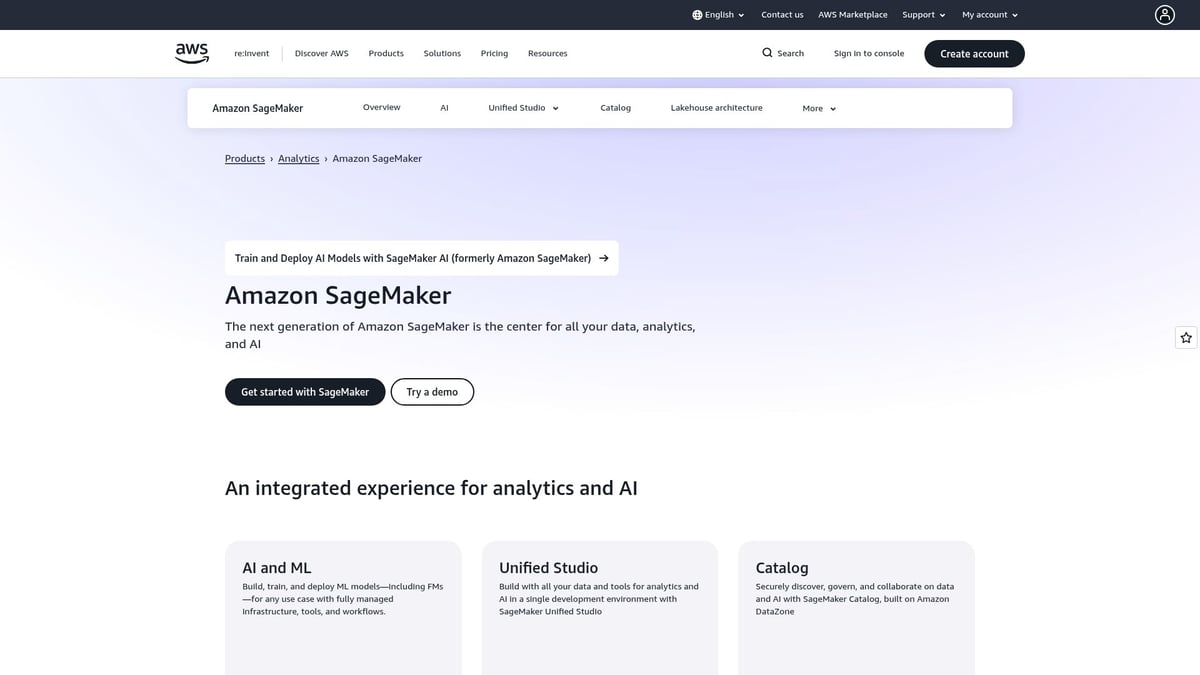
Amazon SageMaker is a comprehensive platform within the ai ml tools space, offering everything from data labeling to model deployment. Its pay-as-you-go and reserved pricing options provide flexibility for businesses.
Features:
- Full suite for building, training, and deploying machine learning models
- AutoML, hyperparameter tuning, and built-in algorithms
- Deep integration with AWS services
Unique Selling Point: Seamless connection to the AWS ecosystem for end-to-end AI workflows.
Pros and Cons Table:
| Pros | Cons |
|---|---|
| Highly scalable | AWS lock-in |
| Comprehensive tools |
Target Users: Enterprises, startups, and developers using AWS.
Use Cases: Image recognition, recommendation systems, fraud detection.
Example: Streaming platforms use SageMaker's ai ml tools to personalize content recommendations and improve user engagement.
9. RapidMiner
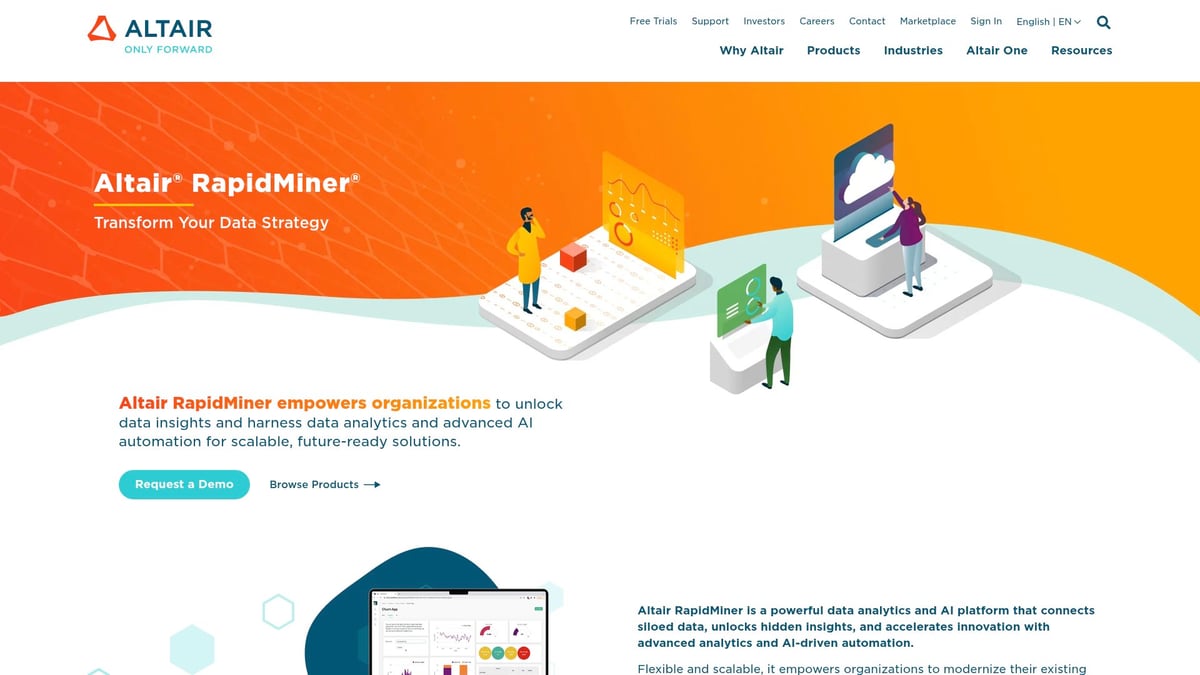
RapidMiner completes our list of essential ai ml tools, offering a visual, no-code/low-code environment for rapid prototyping and deployment. Both free and enterprise plans are available.
Features:
- Drag-and-drop workflow designer
- AutoML and data preparation modules
- Model deployment and monitoring
Unique Selling Point: Empowers analysts and educators with a user-friendly, community-driven platform.
Pros and Cons Table:
| Pros | Cons |
|---|---|
| Intuitive interface | Advanced features require paid plans |
| Strong community |
Target Users: Analysts, data scientists, educators.
Use Cases: Fraud detection, academic research, market analysis.
Example: Financial services firms use RapidMiner's ai ml tools to detect anomalies in transactions and mitigate risk.
How to Choose the Right AI/ML Tool for Your Workflow
Selecting the best ai ml tools for your workflow is a critical step that can define your team's efficiency and long-term success. With so many options available, it's essential to make informed decisions based on your unique business requirements, technical resources, and growth plans. Here’s how to approach this process with confidence.
Assessing Your Team’s Skill Level and Needs
Begin by evaluating your team’s technical expertise and day-to-day responsibilities. Are your users seasoned data scientists or business professionals seeking intuitive solutions? The right ai ml tools should match your team's proficiency and allow for smooth onboarding.
- No-code platforms are ideal for marketing and customer support teams, enabling quick adoption without coding.
- Code-first platforms suit developers or analysts with programming experience.
- Training resources and vendor support can ease the transition for all user levels.
For example, marketing teams often prefer no-code text analysis tools to streamline survey analysis or sentiment tracking. Exploring chatbot solutions and reviews can help you identify tools designed for non-technical users, ensuring your team gets up and running quickly with minimal friction.
Evaluating Integration and Scalability Requirements
Integration with your existing tech stack is vital when introducing new ai ml tools. Will the tool work seamlessly with your cloud infrastructure, databases, or collaboration platforms? Scalability is equally important, especially as your data volumes and user base grow.
- Cloud-native tools offer flexibility for remote and distributed teams.
- On-premise options may be preferred for strict data governance.
- APIs and pre-built connectors streamline integration with current systems.
For enterprises with ambitious growth plans, choosing ai ml tools that scale effortlessly can prevent costly migrations later. Poor integration is a leading cause of project failure, so prioritize compatibility from the outset.
Considering Budget and ROI
Budget constraints and expected returns are major factors in selecting ai ml tools. Subscription models, pay-as-you-go pricing, and enterprise licenses each have distinct advantages depending on your organization’s size and usage patterns.
- Compare initial costs, ongoing fees, and hidden expenses.
- Estimate productivity gains and time savings to justify investment.
- Seek ROI benchmarks from industry reports and vendor case studies.
SMEs, for instance, might opt for cost-effective automation tools to balance affordability and impact. According to McKinsey’s AI Productivity Study, well-chosen ai ml tools can significantly boost efficiency and profitability, making the right selection a strategic advantage.
Prioritizing Security, Compliance, and Support
Finally, security, compliance, and support should never be overlooked when evaluating ai ml tools. Regulatory requirements such as GDPR or HIPAA can dictate which solutions are viable for your industry.
- Ensure the tool meets your sector’s compliance standards.
- Assess the quality of vendor support and active user communities.
- Review customer feedback on support response times and documentation.
Healthcare providers, for example, must prioritize tools with robust compliance features. Responsive support and clear documentation help teams resolve issues quickly, keeping your workflow optimized and secure.
Future Trends: What’s Next for AI/ML Tools Beyond 2025?
The landscape of ai ml tools is poised for dramatic shifts beyond 2025, with new trends shaping how businesses and professionals harness artificial intelligence. As organizations demand greater accessibility, transparency, and integration, the next wave of innovation will redefine how teams collaborate and deliver value. Let us explore the four most significant trends set to influence ai ml tools in the coming years.
Rise of No-Code and Low-Code AI Platforms
No-code and low-code ai ml tools are rapidly democratizing access to artificial intelligence. These platforms empower users with minimal programming experience to build, deploy, and manage AI models efficiently. In recent years, industries have adopted no-code tools for tasks like sentiment analysis, workflow automation, and even custom AI agent creation.
According to Forrester, the no-code AI market is expected to double by 2026. This surge reflects a shift toward inclusivity, enabling business analysts and domain experts to contribute directly to AI projects. As a result, organizations can accelerate innovation cycles and reduce dependence on scarce technical talent. The future of ai ml tools will be defined by ease of use and rapid prototyping.
Greater Focus on Responsible and Explainable AI
Transparency in ai ml tools is becoming a critical priority. As AI systems impact more business decisions, organizations must ensure their models are explainable and responsible. Tools now increasingly offer built-in explainability features, such as SHAP and LIME, to help users understand how predictions are made.
Regulatory pressures are also influencing this trend. Industries like finance and healthcare require clear documentation of how AI decisions are reached. By integrating responsible AI practices, teams can build trust with stakeholders and comply with evolving standards. The next generation of ai ml tools will place a strong emphasis on ethical deployment and model interpretability.
Enhanced Collaboration and Workflow Automation
Modern ai ml tools are transforming how teams collaborate and automate workflows. Integrated platforms now enable real-time data sharing, model co-development, and seamless orchestration from data preparation to deployment. This shift is breaking down silos between technical and business units, fostering cross-departmental innovation.
Features such as shared dashboards, version control, and automated reporting are streamlining project management. As organizations continue to scale AI initiatives, these collaborative capabilities will become essential for maintaining agility and staying competitive. Enhanced workflow automation within ai ml tools also means faster project delivery and more efficient use of resources.
Integration of Generative AI and Foundation Models
Generative AI and foundation models are redefining what ai ml tools can achieve. Businesses are leveraging these technologies for content creation, code generation, and synthetic data production. Statista projects the generative AI market will reach $100 billion by 2026, underscoring the scale of this transformation.
Adoption is accelerating, with Gartner’s Generative AI Adoption Prediction stating that over 80% of enterprises will use generative AI APIs or applications by 2026. As these models become more accessible, ai ml tools will empower organizations to unlock new applications, drive productivity, and create unique customer experiences.