
Top 8 Landing Page Builders to Try in 2026
In today’s fast-paced digital world, high-converting landing pages are more crucial than ever for achieving marketing success in 2026. Businesses of all sizes rely on these pages to capture leads and drive sales.
This article provides a comprehensive review of the top 8 landing page builders available, making it easier for marketers, entrepreneurs, and agencies to choose the right platform for their needs.
You will discover each tool’s standout features, pricing, advantages, drawbacks, and real-world examples to inform your decision.
Ready to boost your conversions? Dive in to find the landing page builders that will help you reach your goals in 2026.
Why Landing Page Builders Matter in 2026
Landing page builders have become essential tools for digital marketers, business owners, and entrepreneurs in 2026. These platforms are not only more advanced but also more accessible, enabling users to create high-converting landing pages without technical expertise.

The Evolution of Landing Page Tools
Landing page builders have transformed dramatically in recent years. Early versions offered basic editors with limited customization, but today’s platforms deliver AI-powered, drag-and-drop functionality. Responsive design and mobile optimization are now standard, reflecting the shift toward mobile-first experiences.
Modern tools prioritize seamless integration with marketing automation, CRM, and analytics platforms. For instance, between 2024 and 2025, 37% of platforms introduced AI-driven content and layout generators, as discussed in AI-driven features in landing page builders. Features like smart recommendations and built-in A/B testing help users optimize performance efficiently.
Key Features to Look for in a Modern Landing Page Builder
When evaluating landing page builders, prioritize ease of use and scalability. Leading platforms provide intuitive drag-and-drop editors, allowing quick design changes without coding. A wide range of high-converting templates helps users launch campaigns faster.
Look for built-in A/B testing and analytics to track performance. Integration with email marketing, CRM, and payment gateways streamlines lead capture and sales processes. Automation capabilities, such as follow-up workflows, are invaluable for nurturing prospects and increasing conversions.
The Impact of Landing Pages on Conversion Rates
Landing page builders directly influence conversion rates by simplifying optimization and testing. According to industry statistics, only 17% of marketers actively optimize their landing pages, yet those who do see measurable improvements in ROI. Optimized landing pages drive targeted actions, including signups, sales, and downloads.
Case studies reveal that businesses leveraging landing page builders often double their lead generation. By enabling rapid iteration and data-driven adjustments, these tools help marketers boost conversion rates and maximize the value of their digital campaigns.
Choosing the Right Solution for Your Business
Selecting from the many landing page builders available in 2026 requires careful assessment of your business needs. Solopreneurs may value simplicity and affordability, while agencies or e-commerce brands might prioritize scalability and robust integrations.
Balance your budget with feature requirements, and take advantage of free trials to test usability. Consider long-term growth by choosing a platform that supports flexible pricing and seamless integration with your existing marketing stack. The right choice will empower your team to create, test, and refine landing pages that drive results.
Top 8 Landing Page Builders to Try in 2026
Choosing the right landing page builders can define your digital marketing success in 2026. With dozens of options and shifting trends, businesses need reliable, flexible, and powerful platforms to maximize conversions. Below, we review the top 8 landing page builders, detailing their standout features, pricing, and ideal uses. For those wanting a broader perspective, see this review of top landing page builders of 2025 for additional context on evolving market leaders.

Landingi
Landingi is a user-friendly platform in the landscape of landing page builders, offering competitive pricing and robust features. Starting at $25/month (annual), users enjoy unlimited landing pages and free migration for up to three pages.
Core Features:
- 400+ templates
- Drag-and-drop editor
- Pop-up builder
- Multi-page funnels
- Integrations with major email and payment platforms
Unique Benefits: Unlimited conversions, unlimited user accounts, responsive customer service, and smart reusable sections set Landingi apart from other landing page builders.
Ideal For: Affiliates, marketers, SMBs, and resellers looking for flexibility and scalability.
Pros:
- Flexible customization options
- Strong template library
- Advanced pop-up triggers (exit intent, scroll, click)
Cons: Analytics are adequate but not as comprehensive as some competitors.
Example Use Case: Marketers leverage Landingi for PPC campaigns and lead generation, utilizing its unlimited landing page builders capabilities for high-volume projects.
Instapage
Instapage stands out in the premium segment of landing page builders, designed for agencies and enterprise teams. Pricing starts around $199/month, reflecting its advanced feature set.
Core Features:
- Collaborative workspace
- Dynamic text replacement
- Heatmaps and advanced analytics
- Robust integrations
Unique Benefits: Instapage excels in team collaboration, personalization at scale, and delivering fast page loading speeds, which are critical for top-tier landing page builders.
Ideal For: Agencies, enterprise teams, and marketing departments managing multiple campaigns.
Pros:
- Excellent analytics suite
- Scalable for large, complex campaigns
- Strong A/B testing functionality
Cons: Higher price point, may exceed the needs of small businesses.
Example Use Case: Agencies handle multi-client campaigns efficiently, collaborating on landing page builders with real-time editing and approval workflows.
Swipe Pages
Swipe Pages offers a modern, mobile-first approach among landing page builders. The Startup plan begins at $29/month, with options for marketers and agencies.
Core Features:
- 80+ pre-built blocks
- 40+ templates
- Drag-and-drop builder
- AMP/mobile swipe pages
- Built-in A/B testing
Unique Benefits: Focuses on mobile optimization, offering funnel-oriented templates and exceptionally fast load speeds, making it a standout in mobile landing page builders.
Ideal For: E-commerce, SaaS, real estate, and agencies needing fast, mobile-centric pages.
Pros:
- Affordable pricing structure
- Highly responsive mobile experiences
- Easy-to-use A/B testing tools
Cons: Template selection is smaller than some alternatives.
Example Use Case: E-commerce brands use Swipe Pages to streamline mobile checkout, boosting conversion rates with optimized landing page builders.
Unbounce
Unbounce is renowned for its versatility and innovation among landing page builders. Plans start around $90/month, making it accessible for growth-focused teams.
Core Features:
- Drag-and-drop builder
- 100+ templates
- AI-powered Smart Builder
- Pop-ups and sticky bars
- Dynamic text replacement
Unique Benefits: Advanced customization, AI-driven optimization, parallax scrolling, and header text replacement make Unbounce one of the most flexible landing page builders.
Ideal For: Marketers needing high customization, agencies, and SaaS companies.
Pros:
- Flexible design capabilities
- Strong conversion tools
- Extensive integration ecosystem
Cons: Learning curve for advanced features and a higher entry price.
Example Use Case: SaaS marketers personalize campaign landing page builders for targeted customer segments, utilizing AI features for optimization.
Leadpages
Leadpages is a favorite among small businesses and solopreneurs seeking simple, effective landing page builders. The Standard plan starts at $49/month, with higher tiers for expanded features.
Core Features:
- Drag-and-drop builder
- 200+ templates
- Pop-ups and alert bars
- Built-in payments
Unique Benefits: Built-in conversion guidance and integration with Stripe make it easy for beginners to use landing page builders for payment collection.
Ideal For: Small businesses, solopreneurs, and service providers.
Pros:
- User-friendly interface
- Affordable entry-level plan
- Built-in payment processing
Cons: Analytics are less advanced, and customization is more limited than Unbounce or Instapage.
Example Use Case: Local businesses use Leadpages for appointment bookings and lead capture, streamlining processes through effective landing page builders.
GetResponse
GetResponse integrates landing page builders with a comprehensive marketing suite, starting at $19/month. It’s ideal for businesses seeking an all-in-one solution.
Core Features:
- Integrated email marketing
- Automation workflows
- Drag-and-drop builder
- 180+ templates
Unique Benefits: Combines landing page builders with email, automation, and webinars, simplifying the marketing stack.
Ideal For: Small businesses, digital marketers, and content creators.
Pros:
- Affordable pricing
- Strong automation features
- Easy integration with email campaigns
Cons: Landing page features are less advanced than dedicated tools.
Example Use Case: Digital marketers run webinars and automated lead nurturing through GetResponse's landing page builders.
Wishpond
Wishpond delivers a versatile marketing platform with landing page builders, offering custom pricing based on usage and features.
Core Features:
- 300+ integrations
- Drag-and-drop editor
- Marketing automation
- Pop-ups and contests
Unique Benefits: Goes beyond landing page builders to include forms, social promotions, and automation in one suite.
Ideal For: Growing businesses, marketing teams, and agencies.
Pros:
- Versatile marketing toolkit
- Strong integration options
- Lead management features
Cons: Pricing is not transparent and may require onboarding for the full suite.
Example Use Case: Agencies run multi-channel campaigns, leveraging Wishpond’s landing page builders and automation for streamlined lead management.
HubSpot Landing Pages
HubSpot Landing Pages offers a powerful solution, especially for those already using HubSpot’s CRM and marketing tools. There is a free plan, with paid plans starting at $50/month.
Core Features:
- Drag-and-drop builder
- Built-in CRM
- A/B testing and analytics
- Personalization features
Unique Benefits: Deep integration with HubSpot CRM and marketing automation, plus a free version that supports smaller teams exploring landing page builders.
Ideal For: Businesses using HubSpot, B2B marketers, and inbound marketing teams.
Pros:
- Seamless CRM integration
- Robust analytics suite
- Free option for small businesses
Cons: Some advanced features require higher-tier plans, and flexibility is reduced for non-HubSpot users.
Example Use Case: B2B companies align landing page builders with lead nurturing workflows, maximizing conversion opportunities.
Comparison Table: Top 8 Landing Page Builders (2026)
| Builder | Starting Price | Templates | Best For | Key Benefit | Notable Con |
|---|---|---|---|---|---|
| Landingi | $25/mo | 400+ | Affiliates, SMBs | Unlimited users | Basic analytics |
| Instapage | $199/mo | 100+ | Agencies, Enterprise | Collaboration | High price |
| Swipe Pages | $29/mo | 40+ | E-commerce, SaaS | Mobile-first design | Fewer templates |
| Unbounce | $90/mo | 100+ | Marketers, SaaS | AI optimization | Learning curve |
| Leadpages | $49/mo | 200+ | SMBs, Solopreneurs | Built-in payments | Limited customization |
| GetResponse | $19/mo | 180+ | SMBs, Marketers | All-in-one suite | Less advanced pages |
| Wishpond | Custom | 100+ | Agencies, Teams | Versatile platform | Opaque pricing |
| HubSpot | Free/$50/mo | 50+ | B2B, HubSpot users | CRM integration | Feature gating |
When evaluating landing page builders, consider your team’s needs, technical comfort, and growth plans. These platforms offer a diverse range of solutions, ensuring every business can find a landing page builder that drives measurable results.
How to Choose the Best Landing Page Builder for Your Needs
Selecting the right landing page builders can make or break your digital marketing efforts. With so many options available, it is essential to align your choice with your business objectives, resources, and future growth plans. Breaking down the selection process will help ensure you invest in a solution that delivers measurable results.

Assessing Your Business Goals and Resources
Before committing to any landing page builders, clarify your core objectives. Are you focused on lead generation, product sales, event signups, or another goal? Different tools cater to different needs, so identifying your main purpose is crucial.
Consider your team’s technical expertise. If you are a solo entrepreneur or lack coding skills, prioritize user-friendly platforms with intuitive interfaces. Larger teams or agencies may need advanced collaboration, approval workflows, or custom integrations.
Evaluate your available resources, such as time, budget, and personnel. Choosing landing page builders that match your operational scale will prevent unnecessary complexity and help you stay productive.
Comparing Pricing and Value
Cost plays a significant role when choosing between landing page builders. Start by analyzing the total cost of ownership, including monthly fees, add-ons, and any hidden charges.
Look for platforms offering free trials or money-back guarantees. This allows you to test functionality without a long-term commitment. Consider what features are included at each pricing tier, such as unlimited pages, leads, or domains, as these can add substantial value.
Small businesses, in particular, should seek landing page builders that balance affordability with features. Prioritize plans that do not limit your growth as your needs evolve.
Integration and Automation Capabilities
Modern landing page builders are most effective when they seamlessly connect with your existing marketing stack. Evaluate compatibility with your email marketing services, CRM, and payment gateways to ensure smooth lead flow and data management.
Automation is a critical differentiator. Many top solutions integrate with automation tools for marketing, enabling you to capture leads, trigger follow-ups, and analyze performance effortlessly.
Select landing page builders that simplify routine processes, freeing up time for creative and strategic work. This creates a more efficient workflow and maximizes your marketing impact.
Testing, Analytics, and Optimization Tools
To achieve the highest conversion rates, choose landing page builders with robust testing and analytics features. Built-in A/B testing allows you to experiment with different headlines, images, and calls to action to determine what resonates best with your audience.
Compare platforms based on their analytics dashboards, personalization options, and support for dynamic content. Some tools offer direct integration with Google Analytics or other third-party insights platforms for more detailed reporting.
Continuous optimization is essential. The right landing page builders will empower you to monitor results in real time and make data-driven improvements for sustained growth.
Landing Page Trends and Innovations to Watch in 2026
Staying ahead in digital marketing means understanding the innovations shaping landing page builders. In 2026, businesses expect more than basic templates or drag-and-drop features. The latest trends point toward smarter, faster, and more collaborative solutions. Let us explore the four most impactful trends to watch, each transforming how landing page builders drive conversions and streamline workflows.
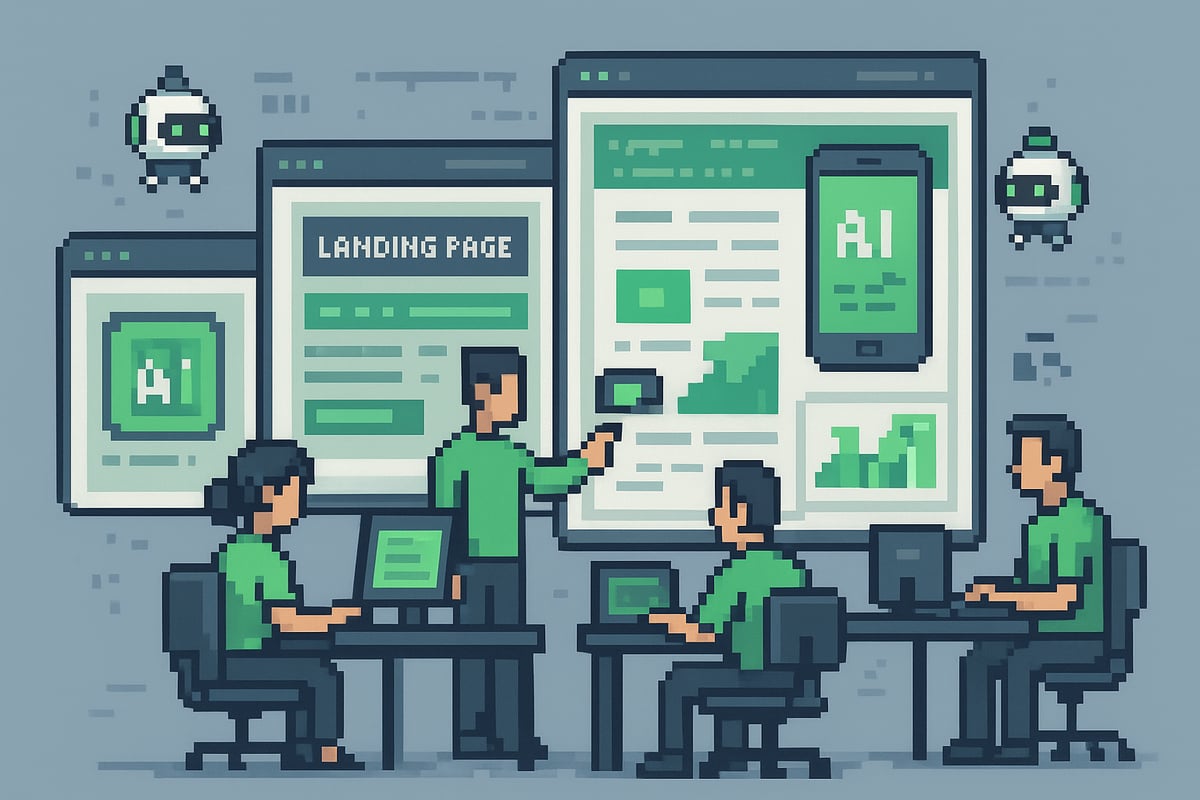
AI-Powered Personalization and Smart Recommendations
Artificial intelligence is rapidly changing the landscape of landing page builders. Tools now offer AI-driven content suggestions, design adjustments, and smart recommendations to increase engagement. For example, Unbounce’s Smart Builder uses machine learning to predict which layouts and headlines will convert best.
By leveraging AI-powered website builder tools, marketers can automate design optimization and content personalization. This ensures landing pages resonate with each visitor in real time. The result is a more tailored experience that can significantly improve conversion rates and reduce manual work.
Mobile-First and AMP Landing Pages
Mobile traffic dominates the digital space, so landing page builders are evolving to prioritize mobile-first design. Features like Accelerated Mobile Pages (AMP) and swipe-friendly layouts create faster, smoother user experiences. Tools such as Swipe Pages focus on lightning-fast load times and intuitive navigation for mobile users.
Industry research highlights that optimized pages see higher engagement and conversion. According to landing page conversion rate statistics, the median conversion rate across industries is 6.6 percent, with top performers optimizing for mobile. As e-commerce and SaaS continue to grow, mobile-first landing page builders will be essential for success.
Integration with Automation and CRM Platforms
Modern landing page builders do not operate in isolation. Deep integration with CRM systems and marketing automation tools enables seamless lead capture, nurturing, and analytics. Platforms like HubSpot offer end-to-end workflows, where landing pages automatically sync with contact databases and email campaigns.
These integrations help businesses streamline their marketing stack, ensuring data flows smoothly from form fills to follow-up. As automation becomes more sophisticated, expect landing page builders to offer even tighter connections with sales and marketing platforms, driving efficiency and better ROI.
Enhanced Collaboration and Workflow Tools
As teams become more distributed, the demand for collaborative features in landing page builders is rising. Solutions like Instapage now offer multi-user editing, approval workflows, and real-time feedback. This makes it easier for agencies and marketing departments to coordinate campaigns without bottlenecks.
Enhanced collaboration tools allow stakeholders to review, comment, and approve landing pages within the platform. These workflow improvements not only speed up production but also improve quality and consistency across campaigns. In 2026, expect landing page builders to further integrate project management and team communication features.
Frequently Asked Questions About Landing Page Builders
When exploring landing page builders, it's common to have questions about features, usability, and value. Below, we address the most frequent queries to help you make informed decisions.
What makes a landing page builder “the best” in 2026?
The best landing page builders in 2026 combine usability, advanced conversion tools, robust integrations, scalability, and responsive support, all at a competitive price. Usability ensures that both beginners and experts can create effective pages quickly. Conversion tools like A/B testing, analytics, and smart recommendations help maximize ROI. To understand how the industry is expanding, check out the global landing page builders market growth, which highlights the rising demand for these tools.
Can I use a landing page builder without coding skills?
Absolutely. Most landing page builders are designed with drag-and-drop editors and intuitive interfaces, allowing anyone to build professional pages without coding experience. This accessibility empowers solopreneurs, marketers, and business owners to launch campaigns quickly. Templates, visual customization, and step-by-step guides are standard, making the process smooth even for beginners.
How important is A/B testing for landing pages?
A/B testing is crucial for landing page builders because it enables marketers to compare different versions and determine which elements drive higher conversions. By testing headlines, images, calls-to-action, or layouts, businesses can optimize results over time. Many top landing page builders include built-in A/B testing and analytics, ensuring continuous improvement and higher ROI for campaigns.
Are there free landing page builders available?
Yes, several landing page builders offer free plans or trial versions. These options typically include basic templates and essential features, making them ideal for startups or those testing new campaigns. However, free versions may limit advanced analytics, integrations, or the number of published pages. As your needs grow, consider upgrading to a paid plan for more comprehensive capabilities.
What integrations should I look for?
When choosing landing page builders, prioritize integrations with email marketing platforms, CRM systems, payment gateways, and analytics tools. Seamless integrations streamline workflows, automate lead capture, and support follow-up strategies. For more insights on maximizing your lead generation, see this guide on how to get leads for your business.





One Comment