Affiliate Marketing Guide: Strategies for Success in 2026
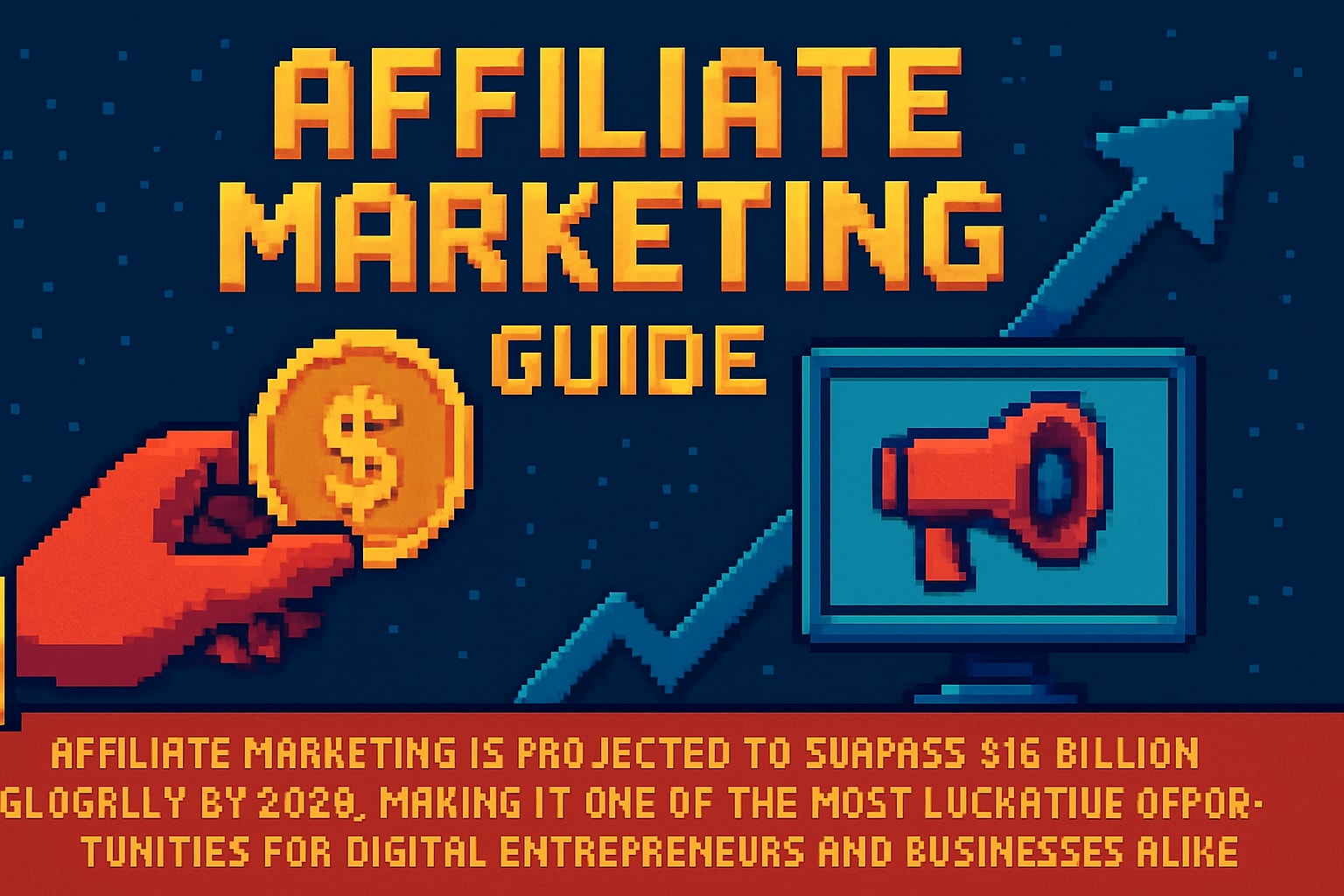
Affiliate marketing is projected to surpass $15 billion globally by 2026, creating massive opportunities for digital entrepreneurs and businesses. This comprehensive guide will empower you with expert strategies, cutting-edge tools, and practical steps to achieve affiliate marketing success. Discover how the industry has evolved, learn proven techniques, and explore actionable advice for launching or scaling your affiliate business. With new platforms, AI-driven solutions, and higher earning potential than ever before, this guide is your roadmap to thriving in a rapidly changing landscape. Ready to unlock your affiliate marketing potential? Let’s get started.
The Affiliate Marketing Landscape in 2026
Affiliate marketing has rapidly transformed into a global powerhouse, touching nearly every corner of digital commerce. As we look ahead to 2026, the industry’s landscape is more dynamic, competitive, and opportunity-rich than ever before.
Evolution and Growth of Affiliate Marketing
The journey of affiliate marketing from 2020 to 2026 has been nothing short of remarkable. What started as a niche channel for e-commerce has grown into a multi-billion dollar industry, with spending projected to exceed $15 billion globally in 2026. Brands and content creators have embraced affiliate marketing for its measurable ROI and scalable reach.
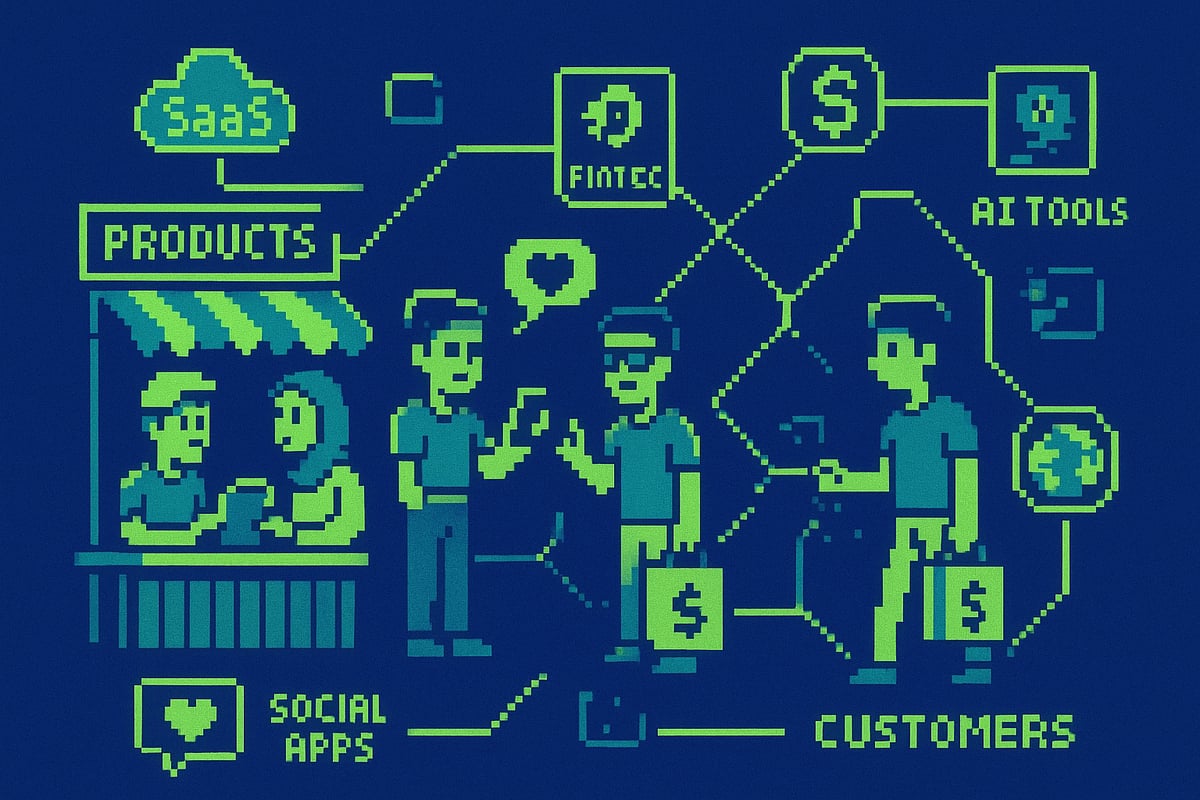
This explosive growth is fueled by the rise of digital content, social commerce, and cross-border e-commerce. Expansion into sectors like SaaS, fintech, and AI has opened new revenue streams. Globalization has enabled affiliates to access audiences worldwide. For more detailed statistics, see the Affiliate Marketing Industry Growth Projections.
Success stories abound, from solo bloggers building six-figure sites to influencers launching viral campaigns. The affiliate marketing landscape is now a prime arena for innovation and entrepreneurship.
Key Players and Ecosystem Overview
At the heart of affiliate marketing are three main players: merchants or advertisers (who offer products and services), affiliates or publishers (bloggers, influencers, and content creators), and customers (end-users who complete purchases or actions). Each relies on the other for value and results.
Affiliate networks and platforms, such as ShareASale, Impact, and CJ, facilitate relationships, tracking, and payments. Automation and AI have become essential, streamlining the tracking of clicks, attributions, and payouts, while reducing fraud. Notably, Shopify Collabs and similar networks have made onboarding and collaboration easier than ever.
This interconnected ecosystem enables seamless partnerships and drives industry growth, giving both brands and affiliates more ways to thrive.
Modern Compensation Models and Trends
Affiliate marketing compensation models have evolved significantly. Today’s programs offer a range of structures:
| Model | Description | Example Use Case |
|---|---|---|
| Pay-per-sale | Earn commission on each sale | Physical goods, SaaS |
| Pay-per-click | Get paid for each click | Traffic arbitrage, content |
| Pay-per-lead | Commission for qualified leads | Insurance, education offers |
| Pay-per-install | Paid for app/software installations | Mobile apps, software trials |
Recurring commissions, especially in SaaS, have gained traction, offering ongoing revenue for affiliates. Hybrid and multi-tier programs incentivize performance, while data-driven tools optimize payouts. Subscription-based models and performance bonuses are now common, reflecting the industry’s adaptability and focus on long-term value.
Types of Affiliate Marketing in 2026
In 2026, affiliate marketing encompasses various approaches tailored to trust and authenticity. Unattached affiliate marketing relies on paid ads or SEO, without personal endorsement. Related affiliate marketing promotes niche-relevant products, even if the affiliate lacks direct experience. Involved affiliate marketing is the most trusted, built on authentic recommendations and personal use.
There is a clear shift toward transparency and credibility, as audiences value genuine voices. Sites like Outdoor Gear Lab excel with in-depth product reviews, setting a standard for trust-driven affiliate marketing. This evolution helps affiliates build authority and long-term relationships with their audiences.
Emerging Affiliate Niches and Opportunities
The future of affiliate marketing lies in emerging niches and innovative platforms. AI tools and automation solutions have become hot commodities, as have digital education and online courses. Subscription boxes, direct-to-consumer brands, fintech, and health tech are fast-growing segments.
Mobile apps and social commerce integrations, such as TikTok Shop and Instagram Shopping, allow affiliates to monetize seamlessly. Influencers leverage integrated shopping features to drive conversions and engagement. The affiliate marketing landscape is ripe with new opportunities for those ready to adapt and innovate.
Core Strategies for Affiliate Marketing Success
Affiliate marketing in 2026 is more competitive and sophisticated than ever. To succeed, you need strong foundations, innovative tactics, and a commitment to continuous improvement. Here are the core strategies every affiliate marketer needs to thrive.

Building Trust and Authority
Trust is the currency of affiliate marketing. Selecting a focused niche allows you to resonate with a specific audience and build credibility. Authentic content that reflects your expertise turns readers into loyal followers.
Share personal experiences, industry insights, and honest feedback. Always be transparent about affiliate relationships; proper disclosure is not just ethical, it is a legal requirement. Sites that establish authority, such as niche experts, consistently outperform generic review portals.
- Choose a niche you understand deeply.
- Share real results and case studies.
- Disclose partnerships openly.
Building trust is the bedrock for sustainable affiliate marketing growth.
Content Creation and Promotion Tactics
Content is the engine that drives affiliate marketing. In-depth product reviews, tutorials, and side-by-side comparisons position you as a helpful resource. Optimize every piece with keyword research, on-page strategies, and internal linking.
Video content on platforms like YouTube and TikTok can boost visibility and conversions. Podcasts expand your reach, while email marketing nurtures leads and encourages repeat engagement. Repurpose content across channels to maximize its impact.
- Write detailed, unbiased reviews.
- Create video walkthroughs and unboxings.
- Use email sequences to drive affiliate sales.
Consistent, high-quality content is essential for affiliate marketing success.
Leveraging Social Commerce and Influencer Platforms
Modern affiliate marketing thrives on social platforms. Integrate affiliate links within TikTok, Instagram, Pinterest, and YouTube Shopping for seamless conversions. Utilize shopping tags and in-app checkout features to reduce friction.
Short-form videos and live streams engage audiences and prompt impulse purchases. Building a community around your brand fosters trust and higher conversion rates. For example, TikTok Shop affiliate campaigns demonstrate how influencers can monetize content directly within the app.
- Use shopping integrations to streamline purchases.
- Host live Q&A sessions with affiliate products.
- Encourage user-generated content for authenticity.
Social commerce is transforming how affiliate marketing reaches audiences.
Advanced Traffic Generation Methods
To scale affiliate marketing, diversify your traffic sources. Paid advertising, such as PPC and social ads, delivers quick results. Retargeting campaigns and lookalike audiences help recapture interested users.
Collaborate with other creators through guest posts and influencer partnerships. Optimize landing pages for conversions using clear CTAs and benefit-driven copy. A multi-channel approach ensures steady growth and resilience.
- Launch targeted ad campaigns.
- Partner with niche influencers.
- Test and refine landing pages regularly.
Strategic traffic generation fuels affiliate marketing expansion.
Data-Driven Optimization and Analytics
Data is the compass for affiliate marketing decisions. Use analytics to monitor clicks, conversions, and ROI. A/B test different offers, creatives, and calls-to-action to identify what resonates best.
Affiliate dashboards and third-party tracking tools help uncover your top-performing channels. Scale what works and cut underperformers. For instance, some marketers have scaled from modest earnings to over $20,000 per month by analyzing and optimizing campaigns.
- Track every stage of the funnel.
- Experiment with new content formats.
- Double down on high-converting channels.
Data-driven optimization is key to sustainable affiliate marketing success.
Avoiding Common Pitfalls and Compliance Issues
Compliance is non-negotiable in affiliate marketing. Avoid spammy tactics and black-hat SEO that can lead to penalties. Always follow program rules and local regulations.
Proper disclosure of affiliate relationships is critical for both trust and compliance. Protect yourself against fraud, cookie stuffing, and adware. For comprehensive guidance, review affiliate disclosure best practices.
- Disclose all affiliate links clearly.
- Stay up to date with legal requirements.
- Use secure, reputable affiliate networks.
By prioritizing compliance, you safeguard your affiliate marketing business for the long term.
Step-by-Step Guide: Launching Your Affiliate Marketing Business in 2026
Embarking on your affiliate marketing journey in 2026 requires a blend of strategy, technology, and adaptability. This step-by-step guide will walk you through the essential actions needed to launch a profitable affiliate marketing business, from niche selection to scaling and trend adoption. Follow these eight key steps to set a solid foundation and achieve sustainable growth in the evolving digital landscape.
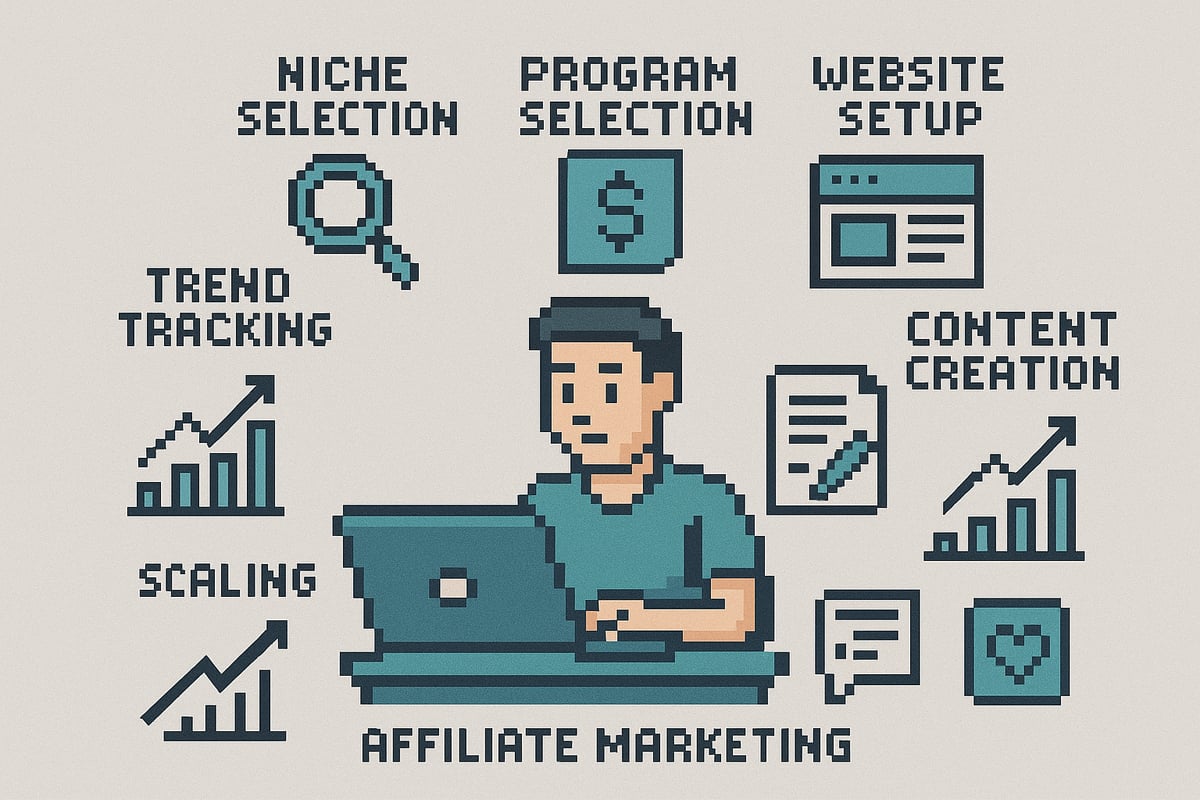
Step 1: Choosing Your Niche and Audience
The first step in affiliate marketing is selecting a niche that is both profitable and personally engaging. Begin with thorough market research to identify trending topics and evergreen markets. Analyze competition using keyword tools and explore audience demand on forums and social platforms.
Align your niche with your interests and expertise for authentic content. Leverage tools like Google Trends and affiliate network reports for validation. For example, health tech and AI tools are growing fast in 2026. Success stories often come from marketers who combine passion with high demand, ensuring long-term motivation and relevance in affiliate marketing.
Step 2: Selecting the Best Affiliate Programs
After defining your niche, research and compare affiliate programs relevant to your audience. Evaluate commission rates, cookie durations, payout structures, and product reputations. Use comparison tables to assess programs side by side.
Consider joining both affiliate networks and direct brand programs for greater flexibility. Top platforms include Amazon Associates, SaaS-specific programs, and niche marketplaces. Look for programs with transparent terms and regular payments. For instance, SaaS platforms frequently offer recurring commissions, which can build stable, long-term affiliate marketing income.
| Program | Commission | Cookie Duration | Payment Terms |
|---|---|---|---|
| Amazon | 1-10% | 24 hours | Monthly |
| SaaS Company | 20-40% | 30-90 days | Monthly/Recurring |
| DTC Brand | 10-20% | 7-30 days | Net 30 |
Step 3: Building Your Affiliate Platform
Next, set up a digital platform to host your affiliate marketing content. Choose between a blog, website, or focused landing pages, prioritizing mobile optimization and fast load speeds. Select essential plugins for SEO, analytics, and affiliate link management.
Integrate analytics tools for performance tracking from day one. For landing pages, use builders that offer customization and A/B testing. For actionable tips on creating effective landing pages, visit the Landing page builders guide. A solid tech stack ensures your affiliate marketing platform is user-friendly and conversion-focused.
Step 4: Creating High-Converting Content
Content is the backbone of affiliate marketing success. Focus on diverse content types such as product reviews, side-by-side comparisons, tutorials, and case studies. Naturally incorporate affiliate links within valuable, informative narratives.
Use visuals like images, infographics, and videos to increase engagement. Apply SEO best practices, including keyword optimization and internal linking. For example, a high-converting product review includes clear pros and cons, personal experience, and a call to action. Consistent, helpful content builds trust and drives affiliate marketing conversions.
Step 5: Driving Targeted Traffic
Generating targeted traffic is vital for affiliate marketing growth. Start with organic SEO strategies, optimizing content for search intent and long-tail keywords. Supplement organic efforts with paid advertising on platforms like Google Ads and social media.
Leverage social channels and influencer collaborations to reach new audiences. Build an email list to nurture subscribers and promote offers directly. A multi-channel traffic approach ensures steady growth and resilience in your affiliate marketing business.
Step 6: Tracking, Measuring, and Optimizing Performance
Data-driven optimization sets successful affiliate marketing apart. Set up dashboards to monitor clicks, conversions, and earnings. Use analytics to identify top-performing campaigns and underperforming content.
Regularly conduct A/B tests on offers, creatives, and calls to action. Update content based on insights to maximize results. For example, tracking data may reveal that a specific review page drives most conversions, guiding further content investment. Continuous measurement and adjustment are essential in affiliate marketing.
Step 7: Scaling Your Affiliate Business
Once you gain traction, focus on scaling your affiliate marketing efforts. Diversify income streams by joining additional programs and exploring new niches. Outsource content creation and routine tasks to writers or virtual assistants.
Build a small team for content, technical, and support needs. Explore automation for email marketing and reporting. Expanding onto new platforms, such as video or podcasts, can unlock additional audiences. Many successful affiliate entrepreneurs scale to six-figure incomes by systematizing and diversifying their affiliate marketing operations.
Step 8: Staying Ahead with Industry Trends
The affiliate marketing landscape evolves rapidly. Adapt to algorithm changes and platform updates by staying informed. Leverage AI tools and automation to streamline content creation and campaign management.
Explore new affiliate models, like influencer marketplaces and social commerce integrations. Invest in continuous learning through courses, masterminds, and industry events. For example, adapting to TikTok Shop or implementing AI-driven tools can provide a competitive edge. Staying proactive ensures your affiliate marketing business remains relevant and profitable.
Essential Tools and Technologies for Affiliate Marketers in 2026
Success in affiliate marketing hinges on utilizing the right mix of tools and technologies. The landscape in 2026 is shaped by robust analytics platforms, AI-driven content solutions, automation, and seamless social integrations. Marketers who adopt these tools position themselves for higher conversions, better tracking, and sustainable growth.

Affiliate Tracking and Analytics Platforms
Affiliate marketing thrives on precise tracking and transparent analytics. Top platforms like Impact, ShareASale, and CJ Affiliate offer real-time reporting, multi-channel attribution, and fraud prevention, ensuring marketers can monitor every click and conversion.
Integration capabilities let you connect these systems to your website, social channels, and email campaigns. For example, using advanced tracking tech, payouts are processed faster and with greater accuracy. This reduces payment disputes and builds trust across the affiliate marketing value chain.
A sample feature comparison:
| Feature | Impact | ShareASale | CJ Affiliate |
|---|---|---|---|
| Real-time Reporting | Yes | Yes | Yes |
| Fraud Prevention | Advanced | Standard | Advanced |
| Multi-channel Support | Yes | Limited | Yes |
Content Creation and SEO Tools
High-quality content is the backbone of affiliate marketing. In 2026, AI-powered writing assistants streamline blog and review creation, while keyword research tools identify profitable opportunities. Platforms like SEMrush and Ahrefs deliver insights into competitors, trending topics, and backlink strategies.
For visual content, video creation platforms and graphic design tools help marketers stand out. Repurposing tools allow efficient cross-platform publishing, maximizing reach. With these resources, affiliate marketing professionals can scale output without sacrificing quality or SEO performance.
Social Media and Influencer Tools
The social landscape is critical for affiliate marketing success. Scheduling and automation tools empower marketers to plan campaigns across TikTok, Instagram, and Pinterest. Analytics platforms track influencer ROI and audience engagement, informing future strategies.
Shopping integrations, such as TikTok Shop and Instagram Shopping, simplify affiliate link placement and drive in-app conversions. Community management tools foster engagement, turning followers into loyal customers. These solutions help affiliate marketing campaigns stay agile and data-driven.
Automation and Conversion Optimization Solutions
Efficiency and conversion rates are key in affiliate marketing. Email automation platforms segment audiences and personalize outreach, while landing page builders offer integrated A/B testing for maximum impact.
Chatbots capture leads and provide instant support, enhancing user experience. Retargeting and personalization engines ensure relevant offers reach the right audience at the right time. By automating repetitive tasks, affiliate marketing professionals free up time to focus on strategy and growth.
AI and Next-Gen Affiliate Marketing Technologies
AI is revolutionizing affiliate marketing in 2026. Predictive analytics optimize campaigns by forecasting trends and user behavior. AI-driven personalization dynamically customizes offers and content, boosting engagement and conversions.
Smart link optimization and dynamic CTAs further refine the user journey. Chatbots and conversational commerce tools facilitate seamless purchasing experiences. To explore the latest AI tools transforming affiliate marketing, see the Best AI marketing tools for actionable insights and recommendations.
Staying ahead with these next-gen technologies ensures your affiliate marketing efforts remain competitive and future-proof.
Real-World Examples and Case Studies
Affiliate marketing shines brightest when real results are on display. Let’s explore how top performers, innovative brands, and industry leaders are reshaping what’s possible with affiliate marketing in 2026.
Success Stories from Top Affiliates
Many affiliates have turned modest beginnings into impressive income streams. A widely cited example is a Reddit user who scaled from $267 to $21,853 per month by optimizing their niche site and leveraging data-driven affiliate marketing tactics. Another inspiring case comes from a niche content site that grew from zero to $1,000 per month in just 18 months, focusing on high-quality product reviews and SEO. Influencers are also cashing in by integrating social commerce, using platforms like TikTok Shop to drive conversions. For more industry data, see these Affiliate Marketing Statistics and Insights.
Brand and Program Innovations
Brands have transformed affiliate marketing by launching innovative programs and features. Shopify Collabs, for instance, simplifies affiliate management for both creators and merchants, powering seamless collaborations. SaaS companies have embraced recurring commissions, enabling affiliates to build steady monthly income. Direct-to-consumer brands leverage micro-influencers, expanding reach and trust. Subscription box programs have also become popular, rewarding affiliates for both initial signups and renewals. These advances reflect how brands are adapting affiliate marketing to modern digital commerce.
Lessons Learned: What Works and What to Avoid
Real-world affiliate marketing success is built on authenticity, compliance, and continuous improvement. High-performing affiliates focus on building trust, delivering honest reviews, and maintaining transparency with audiences. Common pitfalls include neglecting proper disclosures or relying on outdated, spammy tactics, which can lead to penalties and lost partnerships. The most successful strategies prioritize long-term credibility, adapt to changing regulations, and stay ahead by learning from both wins and mistakes. Affiliate marketing rewards those who combine innovation with ethical practices.
Frequently Asked Questions About Affiliate Marketing in 2026
What is affiliate marketing and how does it work?
Affiliate marketing is a performance-based digital strategy where individuals or businesses promote products or services and earn a commission for each sale, lead, or action generated. Affiliates use websites, social media, or email to connect audiences with merchant offers.
How much can you realistically earn in 2026?
Earnings in affiliate marketing vary widely, from a few hundred dollars monthly to six figures annually. The global industry is projected to surpass $15 billion in 2026, with top affiliates benefiting from high-ticket and recurring commission programs. For in-depth market insights, see the Global Affiliate Marketing Market Analysis.
What niches are most profitable?
Profitable niches in 2026 include AI tools, fintech, online education, health tech, and subscription services. Success often depends on selecting a niche with high demand and low competition.
How do I find the best affiliate programs?
Research affiliate networks such as ShareASale, Impact, and CJ, and compare commission rates, cookie durations, and payout terms. Look for reputable brands and products that align with your audience’s needs.
What are the biggest challenges for beginners?
Beginners face challenges like niche selection, generating targeted traffic, and building trust. Staying compliant with regulations and avoiding spammy tactics is also essential for long-term success.
How can I ensure compliance and avoid penalties?
Disclose affiliate relationships clearly, follow FTC and GDPR guidelines, and adhere to each program’s rules. Avoid misleading promotions to maintain audience trust and program eligibility.
What are the best tools for new affiliate marketers?
Top tools include AI writing assistants, keyword research platforms, analytics dashboards, and automation solutions. These streamline processes and help scale campaigns efficiently.
How do I keep up with industry changes and trends?
Stay informed by following reputable blogs, joining affiliate communities, and attending webinars. For the latest innovations, explore Emerging Trends in Affiliate Marketing, which highlights new technologies and strategies shaping the field.