Ultimate Guide to Leads in Digital Marketing 2026
In 2026, the world of digital marketing is more crowded and fast-paced than ever. To stand out, businesses must master the art and science of leads in digital marketing.
This guide uncovers the latest strategies, cutting-edge tools, and expert insights for finding, nurturing, and converting leads. You will discover what leads are, why they matter, the different types, and the most effective generation tactics.
Are your current methods keeping up with the evolving digital landscape? Imagine consistently filling your pipeline with high-quality prospects, ready to take action. Dive in and transform your approach with this comprehensive guide.
Understanding Leads in Digital Marketing
In the fast-evolving world of leads in digital marketing, understanding the fundamentals is crucial. Whether you are new to the field or refining your strategies, clarity on what defines a lead, the different types, the funnel, and quality metrics is essential for success.
What is a Lead?
A lead in digital marketing is any person or organization that expresses interest in your product or service by taking a trackable action. This could be filling out a form, subscribing to a newsletter, or downloading a guide. For example, when a visitor requests a quote on your website, they become a lead.
Not all leads in digital marketing display the same level of intent. Some may just be browsing, while others are closer to making a purchase. According to HubSpot, 63 percent of marketers consider lead generation their biggest challenge, highlighting the importance of understanding what makes a lead valuable.
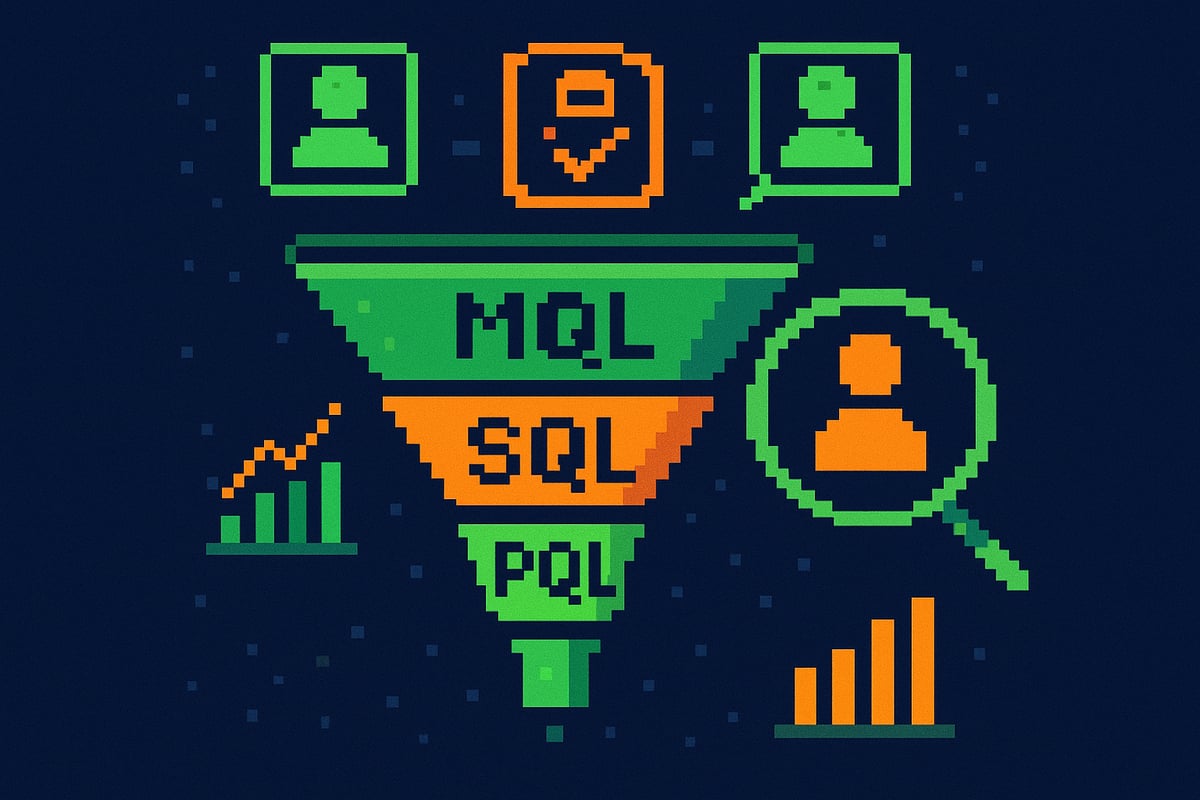
Types of Leads: MQLs, SQLs, PQLs, and More
There are several categories of leads in digital marketing, each with unique characteristics. The main types include:
| Lead Type | Description | Example |
|---|---|---|
| Marketing Qualified Lead | Engaged by marketing efforts, not sales-ready | E-book download |
| Sales Qualified Lead | Ready for sales contact and follow-up | Demo request |
| Product Qualified Lead | Used the product and shows buying intent | Free trial user |
| Service Qualified Lead | Existing customer seeking upgrade or new service | Account upgrade request |
Understanding these distinctions allows marketers to tailor nurturing strategies. Treating all leads in digital marketing the same can waste resources and reduce conversion rates.
The Lead Generation Funnel Explained
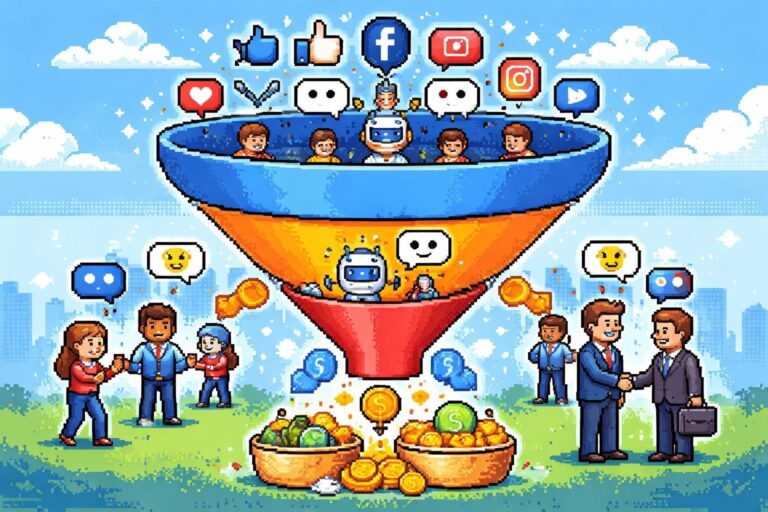
The lead generation funnel is a core concept in leads in digital marketing. It consists of three main stages: top (awareness), middle (consideration), and bottom (decision). At the top, content like blog posts or videos attracts potential leads. In the middle, email campaigns or webinars nurture their interest. At the bottom, your sales team closes the deal.
Only a fraction of leads in digital marketing move from one stage to the next. This is why it is critical to keep the funnel full with new prospects and to optimize each stage for conversion.
Why Lead Quality Matters
Focusing on high-quality leads in digital marketing delivers better results than chasing volume alone. Quality leads are more likely to convert, which results in a higher return on investment. The average cost per organic lead is $409.07, making wasted spend on low-quality prospects a costly mistake.
Tagging and segmenting leads in digital marketing helps identify those most likely to buy. By prioritizing quality over quantity, businesses save money and improve their overall lead generation performance.
The Evolving Landscape of Lead Generation in 2026
The landscape for leads in digital marketing is transforming rapidly as technology, consumer behavior, and privacy expectations evolve. Marketers must stay agile and embrace new trends to keep their pipelines full and conversions high.

Key Trends Shaping Lead Generation
Several trends are redefining how brands capture leads in digital marketing. AI and automation are now central to qualifying prospects, while privacy regulations like GDPR and CCPA are shaping how data is collected and used. Marketers are shifting to omnichannel strategies, ensuring a seamless experience across web, email, and social. Personalization is another key driver, as tailored content significantly boosts engagement. For example, real-time AI chatbots can qualify leads instantly, improving efficiency. To excel with leads in digital marketing, staying ahead of these trends is no longer optional but essential.
Inbound vs. Outbound: Modern Approaches
Modern lead generation blends inbound and outbound methods for maximum impact. Inbound strategies attract leads in digital marketing through valuable content, SEO, and social engagement. Outbound tactics, like targeted emails or calls, proactively reach prospects. Today, hybrid approaches dominate, leveraging the strengths of both. For instance, a blog post may spark initial interest, while retargeted ads or personalized outreach nurture the lead further. Choosing the right mix ensures leads in digital marketing are engaged at every stage, increasing the chances of conversion and long-term loyalty.
The Impact of AI and Automation
AI and automation are revolutionizing how organizations manage leads in digital marketing. AI-driven tools score and segment leads, enabling smarter and faster decision-making. Marketing automation platforms handle email sequences, chatbot conversations, and follow-up workflows. Predictive analytics can identify prospects most likely to convert, saving time and resources. For a comprehensive look at the latest advancements, explore AI Lead Generation Strategies, which details how AI is transforming modern lead generation. As AI adoption grows, marketers can focus on strategy and creativity while automation handles repetitive tasks.
The Importance of Continuous Lead Generation
No matter how established a brand becomes, continuous lead generation is crucial for growth. Markets shift, customer needs evolve, and competitors vie for attention. A steady flow of leads in digital marketing ensures that sales pipelines remain healthy and resilient to churn. Proactive strategies, like regular content updates and ongoing campaign optimization, keep brand awareness high. By prioritizing ongoing efforts, companies safeguard against stagnation and set themselves up for long-term success in a crowded digital marketplace.
Step-by-Step: Proven Lead Generation Strategies for 2026
Generating quality leads in digital marketing in 2026 requires a systematic approach. Each step below is designed to help you attract, engage, and convert prospects more effectively. By following these proven strategies, you will build a robust pipeline and stay ahead of the competition.

Step 1: Define and Refine Buyer Personas
Successful leads in digital marketing begin with a clear understanding of your ideal customer. Buyer personas are semi-fictional profiles based on real data and insights, representing your target audience’s demographics, behaviors, and motivations.
Start by analyzing your CRM, website analytics, and customer surveys. Segment your audience by:
- Age, gender, and location
- Industry or job title
- Pain points and goals
- Behavioral triggers (e.g., content downloads)
The more accurate your personas, the easier it is to personalize outreach and messaging. For example, targeting tech-savvy millennials with mobile-first content will boost engagement. Regularly update personas as market trends shift, ensuring your leads in digital marketing remain relevant and high-converting.
Step 2: Create High-Value Content for Every Funnel Stage
Content is the backbone of leads in digital marketing. To attract, nurture, and convert, map your content to each stage of the buyer journey:
| Funnel Stage | Content Types | Example |
|---|---|---|
| Awareness | Blogs, infographics, videos | “Beginner’s Guide” |
| Consideration | Ebooks, webinars, case studies | Product comparison guide |
| Decision | Demos, testimonials, whitepapers | Detailed ROI case study |
High-value content answers your audience’s questions and builds trust. Focus on depth, authenticity, and Google’s E-E-A-T (Experience, Expertise, Authoritativeness, Trustworthiness) principles to stand out. Refresh and optimize content regularly, since 80% of marketers say their lead generation is only somewhat effective.
Optimize calls to action for each stage to drive leads in digital marketing further down the funnel. Repurpose long-form content into bite-sized assets for different platforms, maximizing reach and engagement.
Step 3: Optimize for SEO and Discoverability
SEO is vital for ensuring your leads in digital marketing find you before competitors. Start with detailed keyword research, focusing on long-tail phrases and user intent. Integrate keywords naturally into:
- Meta titles and descriptions
- Headings and subheadings
- Internal and external links
Technical SEO matters, too. Improve page speed, ensure mobile responsiveness, and add schema markup for enhanced search visibility. Don’t overlook local SEO—optimize your Google Business Profile and local listings.
Regularly audit and update existing content. According to NP Digital, refreshing old posts can increase traffic by up to 106%. Use tools like Google Search Console and Ahrefs to spot opportunities and monitor performance.
Step 4: Leverage Social Media Channels Effectively
Social media platforms are powerful engines for leads in digital marketing. Choose channels where your audience is most active, whether LinkedIn for B2B or Instagram for younger consumers.
Balance organic and paid strategies:
- Organic: Build community with regular posts, stories, and user-generated content (UGC)
- Paid: Target specific segments with ads, sponsored posts, and retargeting
Experiment with formats like:
- Short-form videos (Reels, TikTok)
- Polls and interactive stories
- Live Q&A sessions
Analyze engagement metrics to refine your approach. With over 5 billion social users worldwide, a strategic mix of content and paid efforts can dramatically expand your reach and lead generation results.
Step 5: Engage and Nurture with Email Marketing
Email remains a cornerstone for nurturing leads in digital marketing. Build segmented lists by offering lead magnets such as webinars, exclusive content, or discounts.
Personalize your outreach using:
- Drip campaigns tailored to user behavior
- Automated welcome sequences
- Triggered emails for abandoned carts or downloads
Integrate your email platform with your CRM for advanced segmentation and retargeting. For instance, send special offers to leads who have engaged but not converted. Continuous testing of subject lines and content will improve open and conversion rates.
Step 6: Harness the Power of AI-Powered Chatbots and Automation
AI-powered chatbots are transforming how businesses interact with leads in digital marketing. These tools provide instant responses, qualify prospects, and capture contact information 24/7.
Benefits include:
- Immediate engagement, reducing lead drop-off
- Automated follow-ups and reminders
- Seamless integration with CRM and marketing automation platforms
For example, AI chatbots can answer FAQs, schedule demos, or recommend products based on user input. This frees up your team and ensures every lead is nurtured efficiently. To learn more about practical strategies, explore How to Get Leads for Your Business.
Step 7: Offer Gated Content and Free Tools
Gated content is a proven method for generating leads in digital marketing. Offer valuable resources in exchange for contact details, such as:
- Ebooks and checklists
- Webinars and on-demand videos
- Free audits or downloadable toolkits
Promote these assets through social media, email, and your website. Make the value clear to encourage sign-ups. Use forms with progressive profiling to collect more data over time without overwhelming users.
Data shows that gated content significantly increases lead capture rates. Monitor conversion stats to optimize your offers and landing pages for maximum impact.
Step 8: Host Virtual and In-Person Events
Events are powerful for building relationships and educating leads in digital marketing. Host:
- Webinars on trending industry topics
- Workshops or live training sessions
- In-person networking or product demos
Events position your brand as an authority and generate highly engaged leads. Follow up promptly with attendees to nurture them through your funnel. Track event metrics to refine future event strategies and boost ROI.
Measuring and Optimizing Lead Generation Performance
Measuring and optimizing leads in digital marketing is essential for maximizing ROI and sustaining pipeline growth. By tracking performance at every stage, marketers can identify what works, refine strategies, and stay ahead of the competition.
Tracking and Attribution Best Practices
Effective tracking is the foundation for optimizing leads in digital marketing. Start by implementing UTM parameters on all your links to capture source and campaign data. Combine this with pixel tracking and robust analytics integration to monitor user behavior across touchpoints.
Multi-touch attribution models help you understand which channels contribute most to converting leads in digital marketing. This clarity enables smarter budget allocation and improved targeting. For example, campaign tracking can reveal if your email nurture sequences or paid ads are driving higher-quality leads.
Leverage tools like Google Analytics, HubSpot, and custom dashboards to visualize performance. By consistently reviewing these insights, you can focus efforts on the channels that deliver the best results for leads in digital marketing.
Lead Scoring and Segmentation
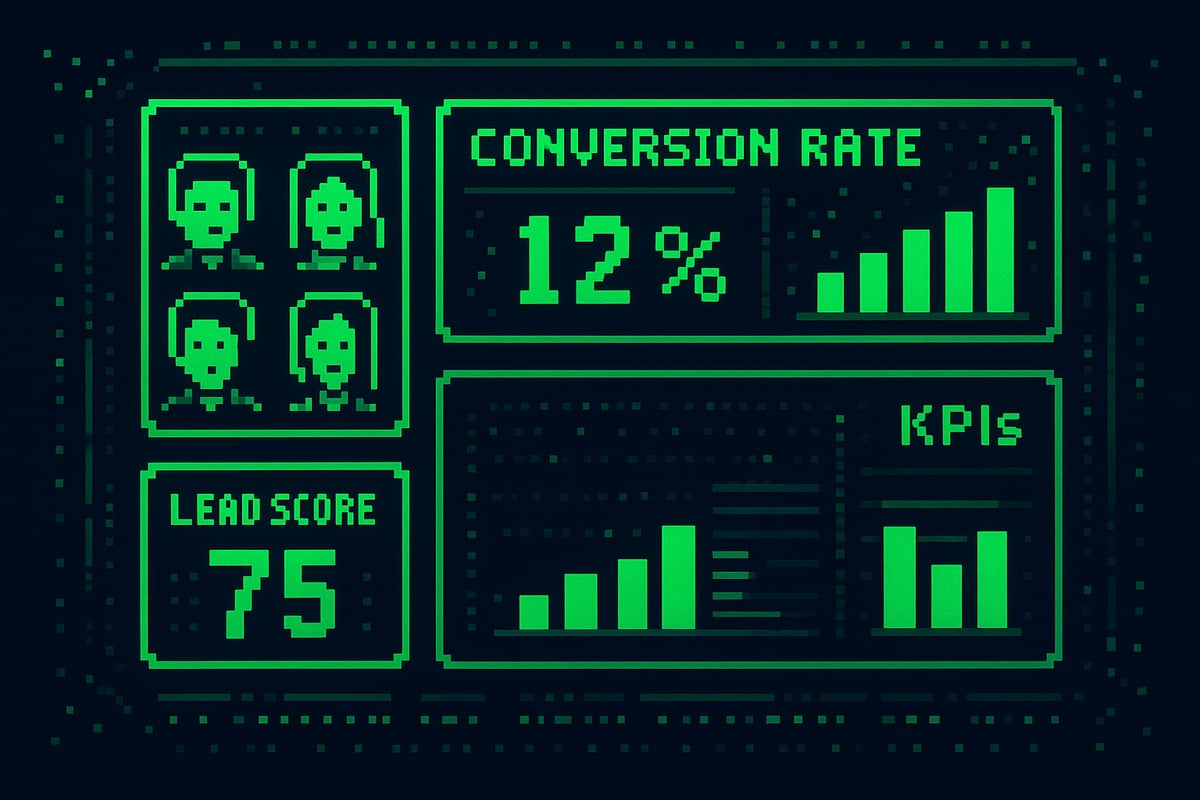
Scoring and segmenting leads in digital marketing allows you to prioritize prospects most likely to convert. Define clear scoring criteria, such as engagement level, fit with your ideal customer profile, and sales readiness.
Automating lead scoring with AI can dramatically improve accuracy. AI algorithms analyze behaviors and signals that humans might overlook, helping you identify high-potential leads faster. For a deeper dive into how AI is transforming these processes, explore AI’s Impact on Lead Generation.
Once scored, segment your leads in digital marketing for targeted nurturing. For example, tailor email sequences to the unique needs of each group, increasing relevance and boosting conversion rates.
A/B Testing and Continuous Improvement
To get the most from leads in digital marketing, embrace a culture of experimentation. A/B testing is a proven way to refine landing pages, forms, emails, and ads for higher conversion rates.
Run split tests by changing one variable at a time, such as a headline or call-to-action. Use the data to determine what resonates best with your audience. For instance, testing two landing page designs can reveal which layout drives more qualified leads.
Iterative testing ensures your approach to leads in digital marketing evolves with market trends. Document each experiment and apply learnings to future campaigns, building a continuous improvement loop.
Key Metrics and KPIs to Monitor
Tracking the right metrics is critical for optimizing leads in digital marketing. Focus on:
- Cost per lead (CPL)
- Conversion rate
- Lead-to-customer rate
- Return on ad spend (ROAS)
- Pipeline value
Benchmark your performance against industry averages to set realistic goals. For recent statistics and trends, see B2B Lead Generation Statistics 2025. Regularly reviewing these KPIs helps you identify strengths, uncover bottlenecks, and maximize the value of every lead in digital marketing.
Future-Proofing Your Lead Generation Strategy
To stay ahead in the evolving world of leads in digital marketing, future-proofing your strategy is essential. Rapid shifts in technology, privacy, and buyer behavior mean that what works today may not be effective tomorrow. Here is how you can build resilience and adaptability into your lead generation approach.
Adapting to Privacy and Data Regulations
Privacy regulations are reshaping how companies manage leads in digital marketing. Laws like GDPR, CCPA, and emerging global standards require transparent data collection and usage. Marketers must implement compliant opt-in forms and provide clear consent management.
A compliance checklist for leads in digital marketing:
- Use explicit, easy-to-understand consent forms
- Regularly audit data collection and storage practices
- Update privacy policies to reflect current laws
- Train teams on data security and ethical handling
By prioritizing trust and ethical practices, brands can safeguard their reputation and maintain access to high-quality leads in digital marketing.
Embracing Omnichannel and Personalization
Modern buyers expect seamless, personalized experiences across every channel. Integrating web, email, social, chat, and events allows you to reach leads in digital marketing wherever they are.
Tips for effective omnichannel personalization:
- Use a unified CRM to track customer interactions
- Deliver consistent messaging across platforms
- Tailor offers and content based on behavior and preferences
Personalized engagement increases conversion rates and strengthens relationships with leads in digital marketing, setting your brand apart in a crowded landscape.
Leveraging AI and Predictive Analytics
Artificial intelligence has become a game-changer for leads in digital marketing. AI tools analyze large datasets, forecast lead quality, and deliver timely recommendations for nurturing.
Key benefits of AI and predictive analytics:
- Identify high-intent leads faster
- Automate segmentation and targeted outreach
- Optimize content and timing for better engagement
For more on this, see AI’s Role in Lead Generation. Staying current with AI advancements ensures your leads in digital marketing strategy remains effective and scalable.
Building an Agile, Experiment-Driven Culture
An agile approach enables marketers to adapt quickly as trends shift. For leads in digital marketing, this means running tests, learning from results, and iterating rapidly.
How to foster agility:
- Set up regular A/B tests across channels
- Encourage feedback and idea sharing within teams
- Analyze performance metrics and adjust strategies promptly
By embracing experimentation, your organization can continuously improve, innovate, and ensure ongoing success with leads in digital marketing.