B2C Leads: Proven Strategies for Business Growth in 2026
Generating high-quality b2c leads remains one of the most critical challenges for businesses targeting individual consumers in 2026. Unlike business-to-business strategies that focus on lengthy decision cycles and multiple stakeholders, consumer-focused lead generation requires immediate engagement, personalized experiences, and seamless conversion paths. The rise of artificial intelligence and automation has transformed how companies identify, attract, and nurture potential customers, making it possible to scale personalization while maintaining efficiency. Understanding the fundamental differences between acquiring individual consumers and corporate clients will help businesses allocate resources effectively and build systems that convert casual browsers into paying customers.
Understanding B2C Lead Generation Fundamentals
B2C leads represent potential customers who have shown interest in consumer-facing products or services. These individuals typically make faster purchasing decisions compared to business buyers, often driven by emotional factors, immediate needs, or compelling value propositions.
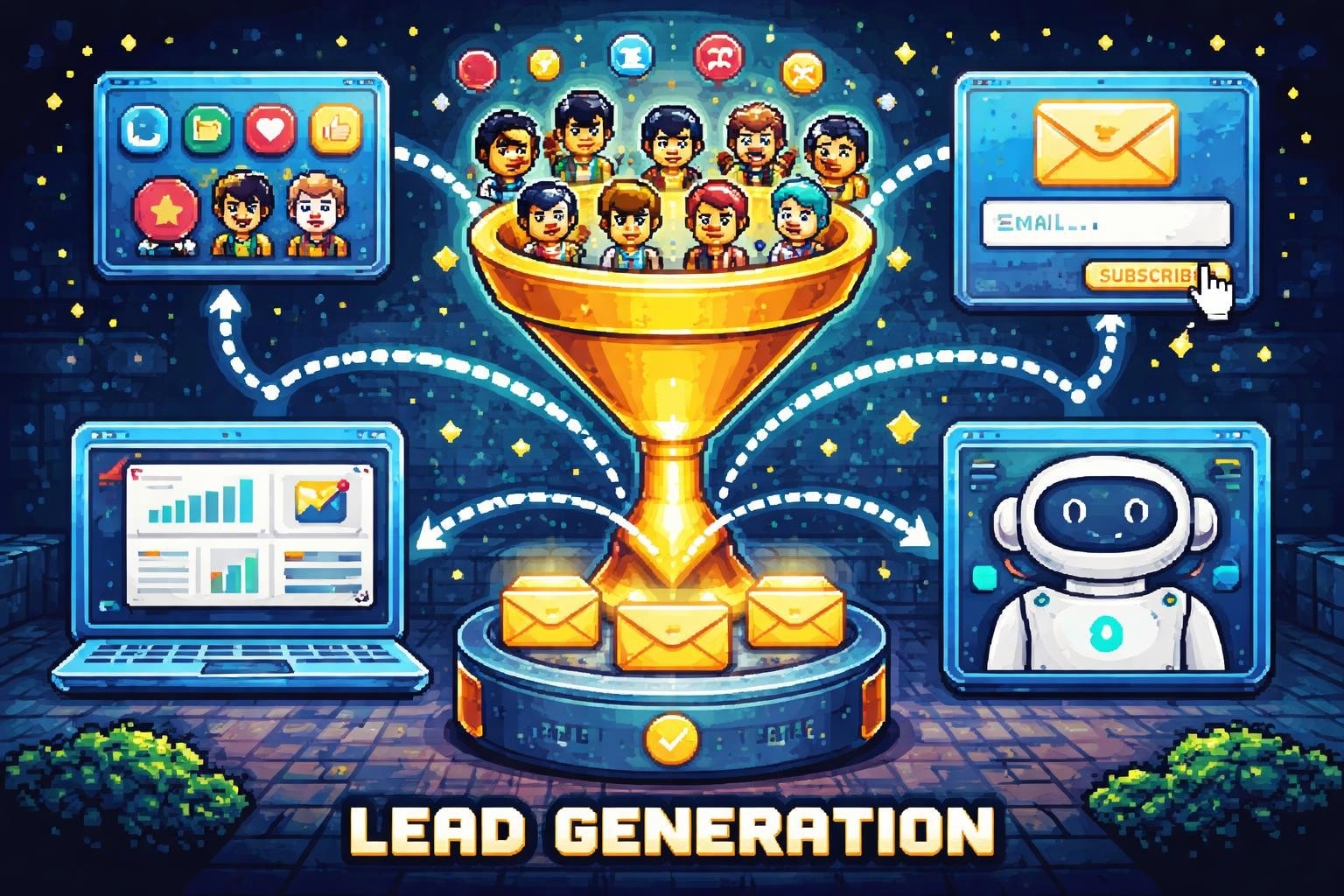
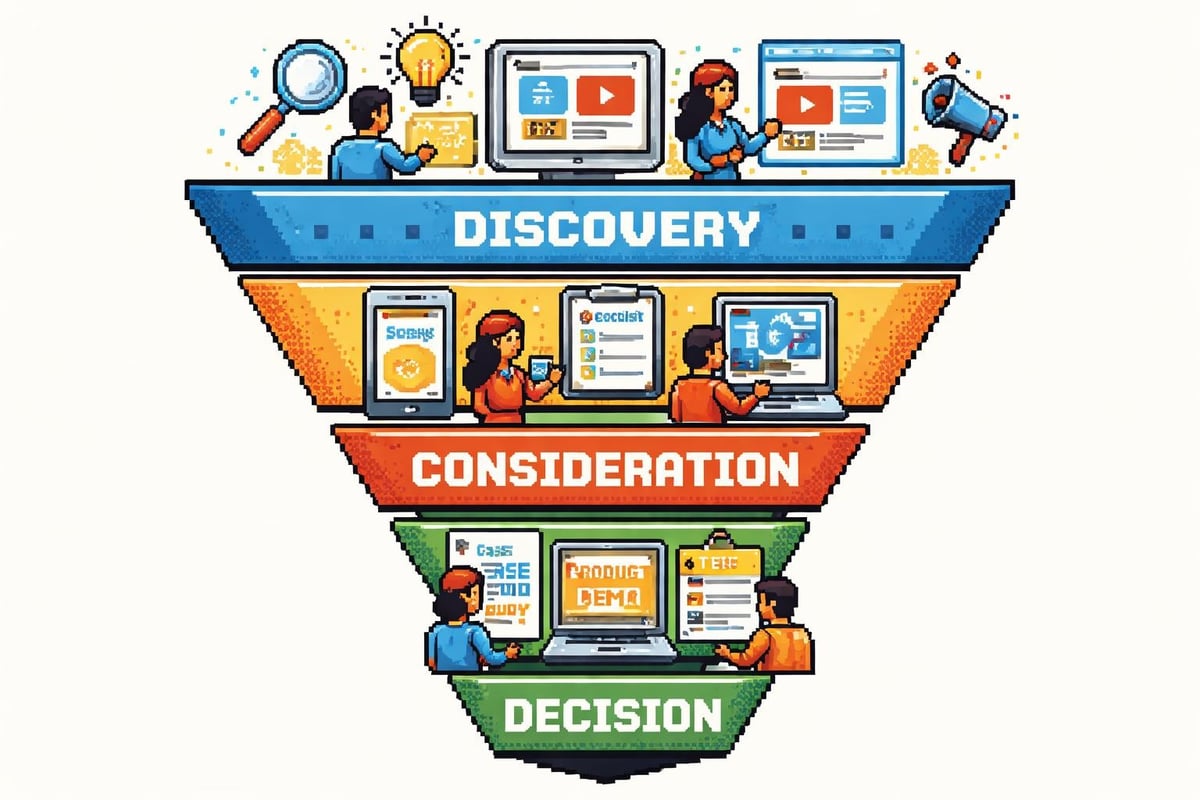
The modern consumer journey involves multiple touchpoints across various platforms. A potential customer might discover your brand through social media, research options on your website, sign up for an email newsletter, and finally make a purchase through a mobile app. Each interaction creates an opportunity to capture information and move that prospect closer to conversion.
Key characteristics of effective b2c leads include:
- Verifiable contact information (email, phone number, or social media profile)
- Demonstrated interest through specific actions (content downloads, product views, cart additions)
- Alignment with target customer demographics and psychographics
- Engagement within a recent timeframe indicating active consideration
- Clear indication of budget capacity or purchasing intent
According to comprehensive lead generation statistics, companies that excel at lead nurturing generate 50% more sales-ready leads at 33% lower cost. This data underscores the importance of not just capturing leads but developing sophisticated systems to qualify and nurture them effectively.
Top Strategies for Generating Quality B2C Leads
Leveraging Social Media for Consumer Engagement
Social media platforms serve as primary discovery channels for modern consumers. With billions of active users across platforms like Facebook, Instagram, TikTok, and LinkedIn, businesses can target specific demographics with precision previously impossible through traditional advertising.
Creating valuable content that resonates with your target audience builds trust before asking for contact information. Video content, in particular, has shown exceptional performance in capturing attention and driving engagement. Short-form videos demonstrating product benefits, customer testimonials, or educational content can generate significant interest.
High-impact B2C lead generation strategies emphasize the importance of interactive content that encourages participation rather than passive consumption. Polls, quizzes, and interactive videos create memorable experiences while gathering valuable data about consumer preferences.
Optimizing Your Website for Lead Capture
Your website functions as the central hub for lead generation activities. Every element should guide visitors toward conversion actions, whether that means subscribing to a newsletter, requesting a demo, or making a direct purchase.
Strategic placement of lead capture forms makes the difference between visitors and leads. Exit-intent popups, embedded forms within high-value content, and prominent calls-to-action throughout your site increase conversion opportunities. However, balance is essential-overly aggressive tactics can damage user experience and brand perception.
Building a lead generating website requires attention to page speed, mobile responsiveness, and clear value communication. When visitors arrive, they should immediately understand what you offer and how it benefits them.
| Website Element | Purpose | Best Practice |
|---|---|---|
| Landing Pages | Convert traffic from specific campaigns | Single focused CTA, minimal navigation, compelling headline |
| Lead Magnets | Exchange value for contact info | Address specific pain points, deliver immediate value |
| Contact Forms | Capture lead information | Request minimum necessary fields, explain what happens next |
| Live Chat/Chatbots | Engage visitors in real-time | Available 24/7, qualify leads automatically, route to sales |
Implementing AI-Powered Chatbots
Artificial intelligence has revolutionized customer engagement by enabling personalized conversations at scale. AI chatbots can qualify leads, answer common questions, schedule appointments, and even process simple transactions without human intervention.
Modern conversational AI solutions go beyond scripted responses to understand intent and context. These systems learn from interactions, improving their ability to address customer needs effectively over time. For businesses managing high volumes of inquiries, chatbots reduce response times from hours to seconds while capturing valuable lead information during every conversation.
The key advantage of chatbot-driven lead generation lies in availability and consistency. While human sales teams work limited hours, AI assistants engage prospects around the clock, ensuring no opportunity slips through due to timing. They also maintain consistent messaging and qualification criteria, reducing variability in lead quality.

Email Marketing and Lead Nurturing Tactics
Building Targeted Email Campaigns
Email remains one of the highest-ROI channels for b2c leads, delivering an average return of $42 for every dollar spent. However, generic mass emails no longer cut through inbox clutter. Successful email marketing requires segmentation, personalization, and value delivery.
Effective segmentation criteria include:
- Purchase history and browsing behavior
- Demographic information (age, location, gender)
- Engagement level with previous communications
- Stage in the customer journey
- Product or category preferences
Automated email sequences nurture leads by delivering relevant content based on specific triggers. Welcome series for new subscribers, abandoned cart reminders, post-purchase follow-ups, and re-engagement campaigns for inactive leads all serve distinct purposes in moving consumers toward conversion.
Creating Compelling Lead Magnets
Lead magnets provide immediate value in exchange for contact information. The most effective ones solve a specific problem or satisfy a particular curiosity your target audience has. As outlined in strategies from B2C lead generation experts, these resources must deliver genuine utility to justify the information exchange.
Popular lead magnet formats include downloadable guides, discount codes, free trials, webinar access, exclusive content, templates, and assessment tools. The format matters less than the perceived value and relevance to your audience's needs.
Testing different lead magnets helps identify which offers resonate most strongly with your target market. Some audiences respond better to educational content, while others prioritize immediate savings or exclusive access.
Paid Advertising for Accelerated Lead Growth
Maximizing ROI from Digital Ad Campaigns
Paid advertising on platforms like Google Ads, Facebook Ads, and Instagram provides immediate visibility to targeted audiences. Unlike organic strategies that build over time, paid campaigns generate b2c leads from day one when properly configured.
The effectiveness of paid advertising depends heavily on targeting accuracy and creative quality. Understanding your customer avatar-their interests, pain points, online behaviors, and demographics-enables precise audience selection that reduces wasted ad spend.
Effective B2C lead generation approaches emphasize the importance of aligning ad messaging with landing page content. Disconnect between what an ad promises and what a landing page delivers increases bounce rates and destroys conversion potential.
Retargeting and Remarketing Strategies
Most consumers don't convert on their first interaction with a brand. Retargeting campaigns re-engage people who have previously visited your website or interacted with your content, keeping your brand top-of-mind as they continue their decision-making process.
Retargeting works exceptionally well for b2c leads because consumer purchasing decisions often involve multiple research sessions across several days or weeks. Dynamic retargeting shows specific products or services that visitors viewed, creating highly personalized ad experiences that drive higher conversion rates.
Frequency capping prevents ad fatigue by limiting how often the same person sees your retargeting ads. This balance maintains visibility without becoming intrusive or annoying.
Content Marketing for Organic Lead Generation
Creating valuable content attracts potential customers naturally through search engines and social sharing. Blog posts, videos, podcasts, infographics, and other content formats establish expertise while addressing questions and concerns your target audience has.
Search engine optimization ensures your content appears when consumers search for solutions you provide. Keyword research identifies the terms and phrases potential customers use, enabling you to create content that matches their search intent.
Educational content that solves problems without immediately pushing for a sale builds trust and positions your brand as a helpful resource. This approach generates qualified b2c leads who already understand your value before entering the sales process.
| Content Type | Lead Generation Strength | Best Use Case |
|---|---|---|
| Blog Posts | High for SEO, educational topics | Long-tail keyword targeting, thought leadership |
| Video Content | High engagement, emotional connection | Product demonstrations, testimonials, tutorials |
| Downloadable Resources | Direct lead capture | In-depth guides, templates, industry reports |
| Webinars | Qualified leads, relationship building | Training, product launches, expert interviews |
According to data on B2C lead generation strategies, businesses that prioritize content marketing see six times higher conversion rates than competitors who don't.
Conversion Rate Optimization Techniques
A/B Testing for Continuous Improvement
Systematic testing removes guesswork from lead generation optimization. A/B testing compares two versions of a webpage, email, ad, or other marketing asset to determine which performs better at generating b2c leads.
Elements worth testing include headlines, call-to-action buttons, form fields, images, color schemes, page layouts, and value propositions. Even small improvements in conversion rates compound over time, significantly impacting total lead volume.
Testing should follow a structured methodology: form a hypothesis, create variations, run tests with sufficient traffic, analyze results statistically, implement winners, and repeat. This cycle of continuous improvement keeps lead generation systems performing at peak efficiency.
Reducing Friction in the Conversion Process
Every additional step, form field, or decision point in your conversion process reduces completion rates. Analyzing where potential leads abandon their journey reveals opportunities to simplify and streamline.
Common friction points include:
- Overly long forms requesting unnecessary information
- Unclear value propositions that don't explain benefits
- Poor mobile optimization creating usability issues
- Slow page loading times that test patience
- Confusing navigation that obscures conversion paths
Implementing progressive profiling captures basic information initially, then gradually requests additional details through subsequent interactions. This approach reduces form abandonment while still building comprehensive lead profiles over time.
Measuring and Analyzing Lead Generation Performance
Key Metrics for B2C Lead Success
Tracking the right metrics provides visibility into what's working and what needs adjustment. Lead generation isn't just about volume-quality and cost-efficiency matter equally.
Essential KPIs include:
- Cost per lead (total spend divided by leads acquired)
- Lead-to-customer conversion rate (percentage of leads that become customers)
- Customer acquisition cost (total marketing and sales cost divided by new customers)
- Lead source attribution (which channels generate the highest quality leads)
- Time to conversion (how long from first contact to purchase)
Understanding which channels and tactics deliver the best return on investment enables smarter budget allocation. Comparing the best lead companies and services helps businesses identify partners that align with their specific needs and target markets.
Using Analytics to Refine Strategies
Data analysis transforms raw metrics into actionable insights. Reviewing performance trends over time reveals seasonal patterns, emerging opportunities, and declining channel effectiveness before they seriously impact results.
Customer journey analysis shows how people move through your funnel, identifying which touchpoints most strongly influence conversion decisions. This understanding helps prioritize improvements and investments for maximum impact on b2c leads generation.
Cohort analysis compares groups of leads acquired during different periods or from different sources. This technique highlights changes in lead quality and reveals whether specific campaigns or channels attract more valuable customers.
Automation and Scaling Considerations
Building Scalable Lead Generation Systems
As businesses grow, manual lead generation processes become bottlenecks. Automation tools handle repetitive tasks, maintain consistency, and enable scaling without proportional increases in team size.
Marketing automation platforms integrate email marketing, lead scoring, CRM synchronization, and campaign management into unified systems. These tools track every interaction, trigger appropriate follow-ups, and ensure no lead gets neglected due to human oversight.
Lead scoring assigns numerical values to prospects based on their characteristics and behaviors. This prioritization helps sales teams focus attention on the most promising opportunities while automated nurturing continues engaging lower-scoring leads.
The integration of AI-powered tools streamlines workflows while maintaining personalization at scale. Chatbots qualify leads, predictive analytics identify high-value prospects, and recommendation engines personalize content delivery based on individual preferences and behaviors.
Choosing the Right Tools and Technologies
The technology stack supporting your lead generation efforts should align with business size, budget, and strategic objectives. While enterprise solutions offer comprehensive capabilities, smaller businesses often achieve better results with focused tools that excel at specific functions.
According to insights on B2C lead generation tools and best practices, the most successful businesses integrate their marketing technology stack rather than operating tools in isolation. Connected systems share data seamlessly, creating complete customer views and enabling sophisticated automation.
Regular evaluation ensures your technology investments continue delivering value as business needs evolve. New platforms and capabilities emerge constantly, making periodic reassessment of your marketing technology stack a strategic necessity.
Generating quality b2c leads requires a multi-channel approach that combines organic and paid strategies, personalized engagement, and continuous optimization based on performance data. By implementing AI-powered tools and automation, businesses can scale their lead generation efforts while maintaining the personalization that modern consumers expect. ToolStacked helps businesses select and implement the right AI and automation tools for their specific lead generation needs, from custom chatbots that qualify prospects 24/7 to comprehensive platform comparisons that guide technology decisions. Explore how our solutions can transform your customer acquisition strategy and drive sustainable growth.