B2C Lead Gen: Strategies to Scale Consumer Outreach
Business-to-consumer companies face unique challenges when attracting potential customers in today's digital marketplace. Unlike B2B relationships that involve lengthy decision cycles and multiple stakeholders, consumer-focused lead generation requires speed, personalization, and engagement across multiple touchpoints. Understanding how to capture attention, build trust, and convert interest into action separates successful consumer brands from those struggling to grow their customer base. Modern b2c lead gen strategies combine traditional marketing wisdom with emerging technologies like artificial intelligence and automation to create seamless customer experiences that drive measurable results.
Understanding B2C Lead Generation Fundamentals
B2C lead generation represents the process of identifying and attracting individual consumers who have expressed interest in your products or services. This approach differs significantly from business-to-business tactics because consumer decisions happen faster, emotional triggers play a larger role, and the sales cycle typically spans hours or days rather than weeks or months.
The foundation of effective b2c lead gen starts with knowing your audience intimately. Demographics matter, but psychographics reveal why consumers buy. What problems do they face? Which social platforms do they trust? When are they most receptive to marketing messages? These insights shape everything from ad creative to chatbot conversations.
Key Differences Between B2C and B2B Lead Generation
Consumer lead generation operates on fundamentally different principles than enterprise sales. The decision-maker is also the end user, eliminating complex approval chains. Price sensitivity varies widely based on product category, but impulse purchases happen frequently in B2C environments.
Critical distinctions include:
- Decision speed: Consumers convert in minutes versus B2B's multi-month cycles
- Emotional drivers: Personal benefits and instant gratification outweigh ROI calculations
- Volume expectations: B2C requires hundreds or thousands of leads monthly rather than dozens
- Message simplicity: Clear, benefit-focused communication beats technical specifications
- Channel diversity: Multiple touchpoints across social, search, email, and chat create the customer journey
Traditional lead generation techniques for B2C businesses have evolved dramatically as consumer behavior shifts toward digital-first interactions. The companies winning in 2026 embrace automation while maintaining authentic human connections.
Social Media Strategies That Convert Browsers Into Buyers
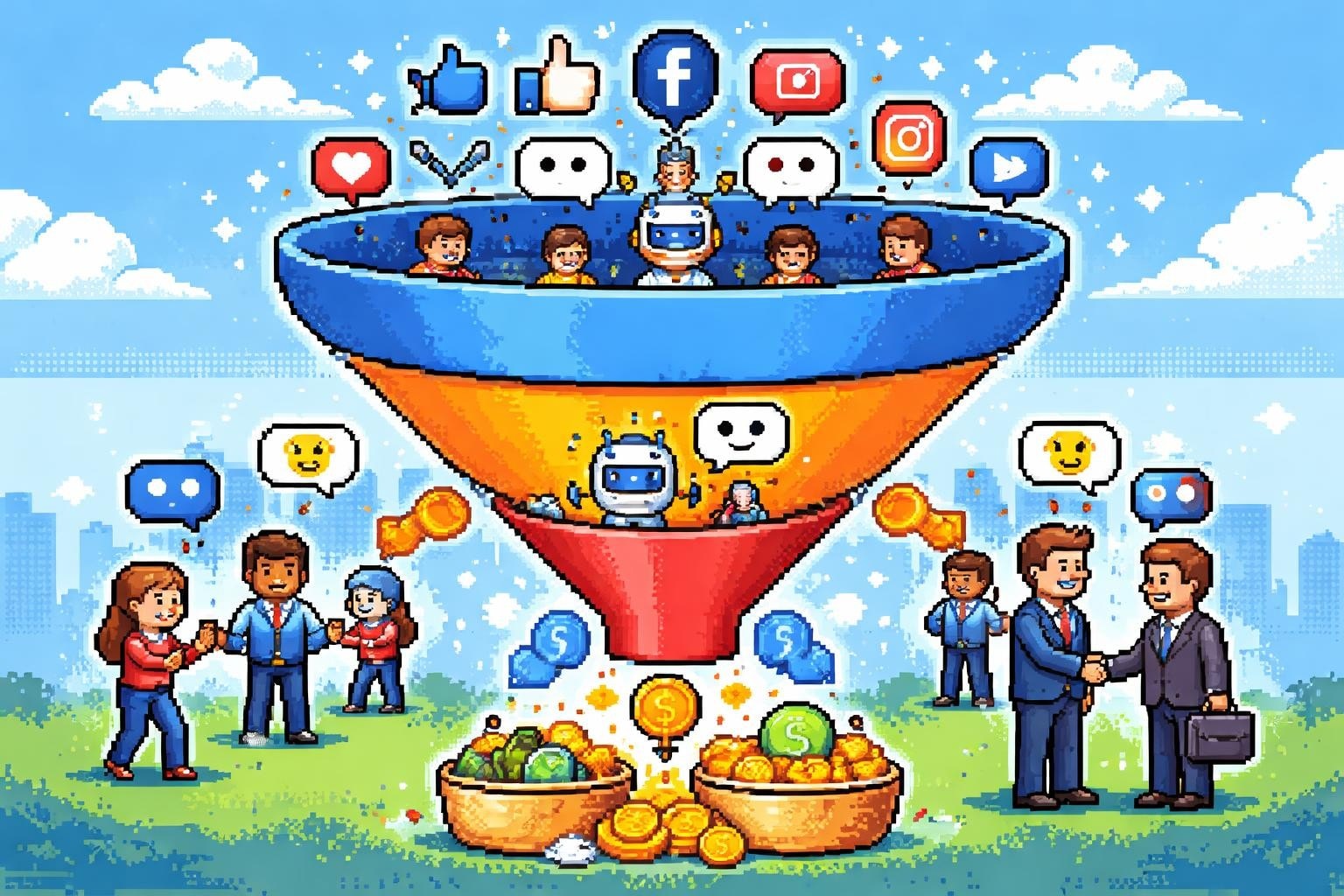
Social platforms dominate the b2c lead gen landscape because consumers spend significant portions of their day scrolling, watching, and engaging with content. Each platform offers unique advantages for capturing attention and moving prospects through your funnel.
Instagram and TikTok excel at visual storytelling and product discovery. Short-form video content showcasing product benefits, customer testimonials, or behind-the-scenes glimpses builds brand affinity. These platforms work particularly well for lifestyle products, beauty brands, fashion retailers, and consumer technology.
Facebook remains powerful for demographic targeting and community building. Groups centered around shared interests create warm audiences already primed for relevant offers. The platform's advertising capabilities for B2C companies enable precise audience segmentation based on behaviors, interests, and life events.
Leveraging Paid Social Advertising
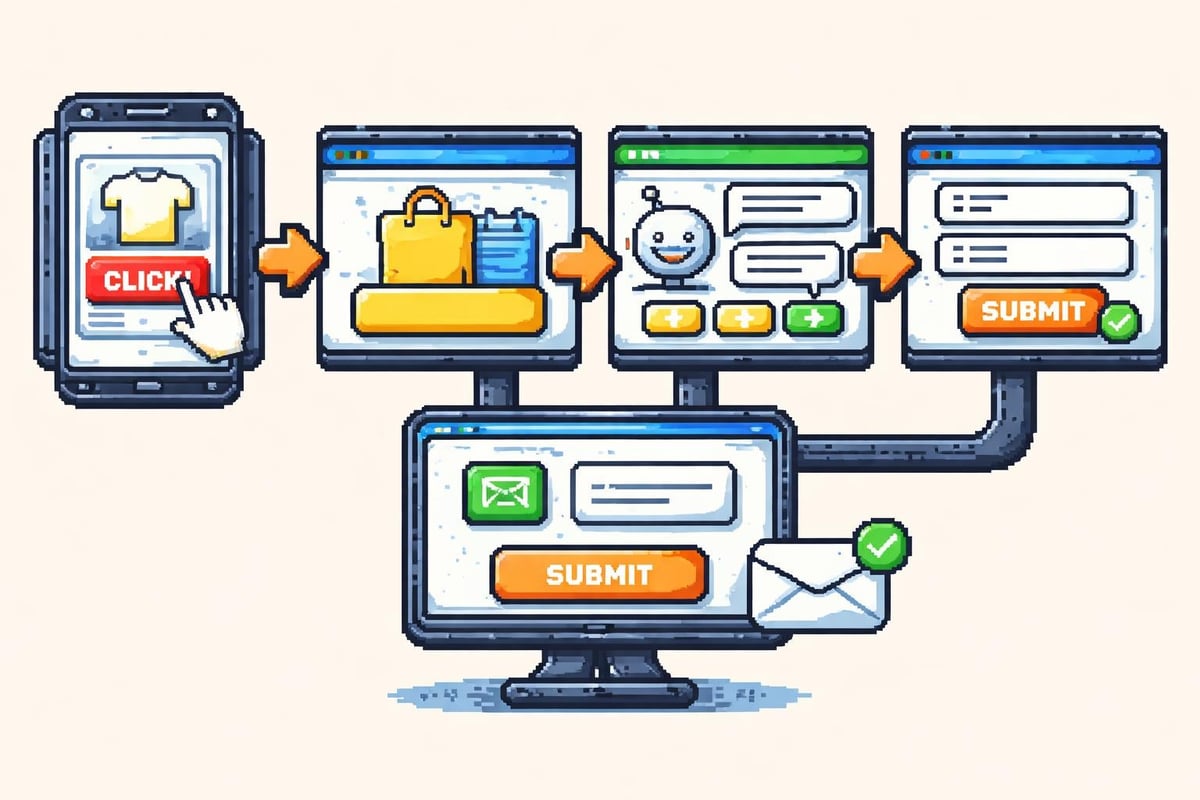
Investment in paid social campaigns delivers measurable returns when executed strategically. The key lies in testing creative variations, refining audience segments, and optimizing for cost per acquisition rather than vanity metrics like impressions or reach.
| Platform | Best For | Average CTR | Conversion Strength |
|---|---|---|---|
| Broad demographics, community building | 0.9% – 1.6% | High for mid-funnel | |
| Visual products, younger audiences | 0.5% – 1.2% | Strong for discovery | |
| TikTok | Viral content, Gen Z engagement | 1.0% – 2.5% | Growing rapidly |
| Professional services, education | 0.4% – 0.8% | Low for pure B2C |
Successful campaigns balance brand awareness with direct response tactics. Top-of-funnel content educates and entertains without aggressive selling. Middle-funnel ads highlight specific benefits and social proof. Bottom-funnel retargeting offers incentives to hesitant prospects showing purchase intent.
Combining these strategies with interactive elements like polls, quizzes, or interactive video content increases engagement rates significantly. Consumers respond positively when marketing feels participatory rather than passive.
Conversational Marketing Through AI-Powered Chatbots
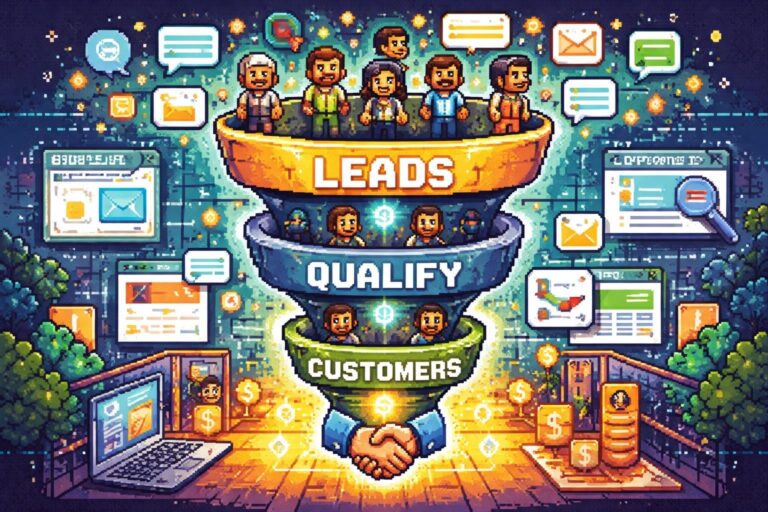
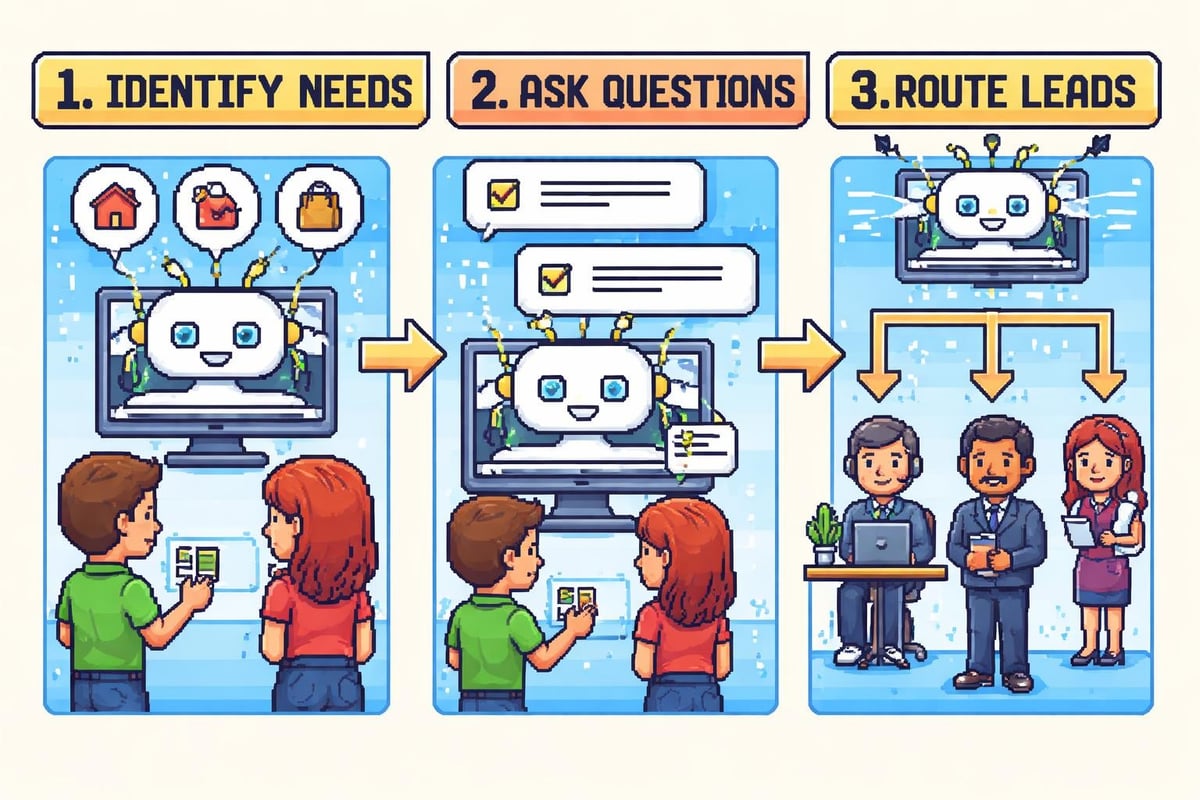
Chatbots have transformed from novelty features into essential b2c lead gen tools. Modern AI-powered solutions engage website visitors instantly, answer common questions accurately, and qualify leads before passing them to sales teams or nurture sequences.
The immediacy factor cannot be overstated. When a consumer visits your website with a question, they expect answers now. Forcing them to fill out a form and wait for email responses guarantees high abandonment rates. Conversational interfaces meet expectations for instant gratification while capturing valuable lead data through natural dialogue.
Chatbot implementation delivers multiple benefits:
- 24/7 availability ensures no lead falls through cracks outside business hours
- Qualification automation filters serious buyers from casual browsers
- Personalized recommendations guide consumers toward relevant products
- Friction reduction eliminates lengthy forms that kill conversion rates
- Data collection gathers insights about customer pain points and preferences
Emerging trends in conversational marketing show chatbots expanding beyond simple FAQ responses. Advanced solutions use natural language processing to understand intent, sentiment, and context. They integrate with CRM systems, triggering automated follow-ups based on conversation outcomes.
Designing Effective Chatbot Experiences
Generic chatbots frustrate users with robotic responses and limited understanding. Thoughtful design creates experiences that feel helpful rather than restrictive. Start by mapping common customer journeys and pain points. What questions arise most frequently? Where do prospects get stuck in the buying process?
Build conversation flows that anticipate these needs while allowing flexibility for unexpected queries. Include clear pathways for escalation to human agents when complexity exceeds bot capabilities. Nobody appreciates being trapped in circular automated loops.
Personality matters significantly in b2c lead gen contexts. Your chatbot voice should align with brand identity while remaining approachable and helpful. Inject appropriate humor, use casual language when suitable, and acknowledge when the bot doesn't understand rather than providing irrelevant responses.
Content Marketing That Attracts and Nurtures Leads
Educational content remains a cornerstone of sustainable b2c lead gen strategies. Blog posts, videos, podcasts, and downloadable resources establish authority while providing genuine value to potential customers. This approach builds trust before asking for the sale.
The content must solve real problems consumers face. Generic promotional material gets ignored. Specific, actionable advice that improves lives earns attention and social shares. For businesses in the AI tools space, this might include tutorials on automation workflows, comparisons of different solutions, or case studies showing measurable efficiency gains.
Search engine optimization extends content reach beyond existing audiences. Target keywords that reflect consumer search intent rather than industry jargon. Someone searching for "how to automate customer support" represents better lead quality than searches for technical specifications.
Lead Magnets That Convert Traffic Into Contacts
Once valuable content attracts visitors, lead magnets capture contact information for ongoing nurture. Effective lead magnets for B2C audiences offer immediate, specific value in exchange for an email address.
High-converting lead magnet formats include:
- Checklists and templates that simplify complex processes
- Video tutorials demonstrating product usage or techniques
- Discount codes for first-time purchasers creating urgency
- Quizzes and assessments providing personalized recommendations
- Free trials allowing hands-on product experience
The key lies in relevance and immediacy. Your lead magnet should align perfectly with the content that attracted the visitor. Someone reading about chatbot benefits wants chatbot implementation guides, not generic business advice. Deliver the promised resource instantly rather than forcing multi-step verification processes.
Email nurture sequences transform these leads into customers over time. Automated campaigns deliver relevant content based on behavior, gradually moving prospects closer to purchase decisions. Track engagement metrics to identify hot leads ready for direct outreach.
Optimization Tactics for Maximum Conversion Rates
Even brilliant b2c lead gen strategies fail without ruthless optimization. Small improvements in conversion rates compound dramatically across thousands of monthly visitors. Testing, measuring, and refining every element separates top performers from mediocre results.
Landing page design significantly impacts lead capture success. Remove navigation distractions that pull attention away from conversion goals. Use compelling headlines that address specific pain points. Include social proof through testimonials, trust badges, or customer counts. Make calls-to-action prominent and action-oriented.
Page speed affects both search rankings and user patience. Consumers abandon slow-loading pages within seconds. Compress images, minimize code, and leverage content delivery networks to ensure snappy performance across devices. Mobile optimization deserves particular attention since the majority of consumer traffic originates from smartphones.
A/B Testing for Continuous Improvement
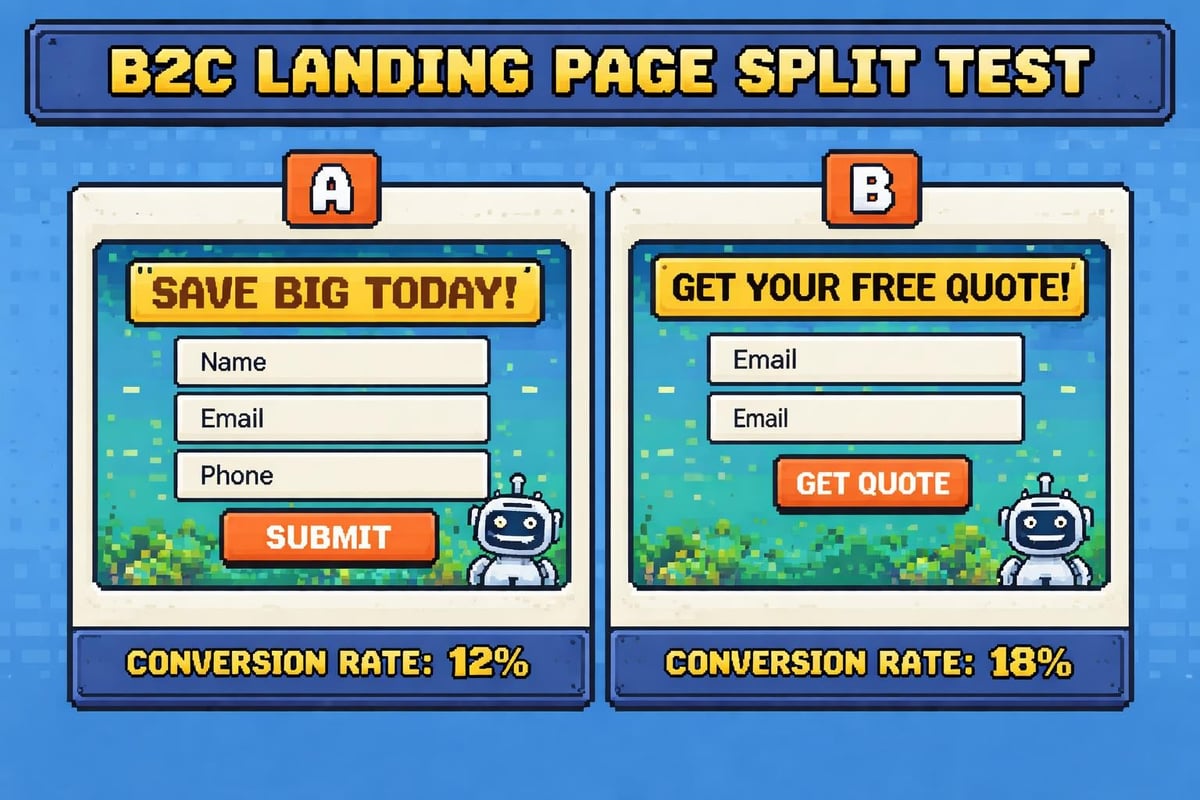
Systematic testing reveals what actually works versus what sounds good in theory. Test one variable at a time to isolate impact. Common elements worth testing include headline variations, call-to-action button colors, form field requirements, and offer positioning.
| Element | Test Variation | Typical Impact Range |
|---|---|---|
| Headline | Benefit vs. Feature focused | 5% – 30% conversion lift |
| CTA Button | Color, text, placement | 2% – 15% conversion lift |
| Form Fields | 3 vs. 5 vs. 7 fields | 10% – 40% completion change |
| Trust Signals | Testimonials, logos, stats | 3% – 20% conversion lift |
Run tests long enough to achieve statistical significance. A few dozen conversions provide insufficient data for confident decisions. Most reliable tests accumulate hundreds of conversions per variation.
Beyond individual page elements, test entire funnel variations. Does offering a quiz before product recommendations outperform direct pitches? Do video-first landing pages convert better than text-heavy alternatives? These macro-level insights often produce the most dramatic improvements.
Video Marketing for Enhanced Engagement
Video content captures attention more effectively than text or static images across virtually every consumer demographic. Video advertising strategies demonstrate significantly higher engagement rates and emotional impact compared to traditional formats.
Short-form videos work best for social distribution and initial awareness. Sixty-second clips showcasing transformations, demonstrations, or customer stories stop scrollers mid-feed. Platform-specific optimization matters since vertical video dominates mobile while horizontal formats suit desktop viewing.
Longer educational content builds authority and trust. Tutorial videos, product comparisons, and expert interviews position your brand as a helpful resource rather than pushy salesperson. These assets live permanently on your website and YouTube channel, attracting organic search traffic for years.
Live video creates urgency and authenticity. Product launches, Q&A sessions, and behind-the-scenes tours generate real-time engagement. The temporary nature of live content encourages immediate viewing rather than indefinite procrastination.
Email Marketing Integration With Lead Generation
Email remains remarkably effective for b2c lead gen despite being one of the oldest digital channels. The key lies in permission-based targeting and relevance. Purchased lists and spam tactics destroy deliverability and brand reputation. Organic list growth through valuable content and strategic incentives builds audiences genuinely interested in your offerings.
Welcome sequences make critical first impressions with new subscribers. The highest engagement rates occur immediately after signup. Deliver promised lead magnets instantly, introduce your brand story authentically, and set expectations for future communication frequency.
Segmentation prevents one-size-fits-all messaging that alienates portions of your audience. Group subscribers by interests, behaviors, purchase history, and engagement levels. Tailor content to match where each segment sits in the customer journey.
Effective email segmentation strategies:
- Recent subscribers receive educational content and brand introduction
- Engaged readers get product recommendations based on content consumption
- Cart abandoners receive reminder sequences with potential incentives
- Past customers see cross-sell opportunities and loyalty rewards
- Inactive subscribers get re-engagement campaigns before list removal
Automation handles routine communication while freeing team resources for strategic initiatives. Triggered emails based on specific actions convert significantly better than batch-and-blast campaigns. Someone who downloaded a chatbot guide should receive automated follow-ups about implementation, not generic company newsletters.
Referral Programs That Turn Customers Into Advocates
Satisfied customers represent your most credible marketing channel. Referral program strategies leverage existing relationships to generate high-quality leads with superior conversion rates compared to cold traffic.
The mechanics matter significantly. Make referring friends genuinely easy with shareable links, pre-written messages, and mobile-friendly interfaces. Complicated multi-step processes kill participation rates regardless of incentive generosity.
Rewards should benefit both referrer and referee. One-sided programs feel manipulative. Offer discounts, account credits, or exclusive access to both parties. This creates win-win scenarios that encourage enthusiastic promotion rather than reluctant sharing.
Timing influences referral success rates. Request referrals after positive experiences like successful onboarding, problem resolution, or milestone achievements. Asking immediately after purchase misses the satisfaction that develops through product use.
Measuring Success and ROI in B2C Lead Generation
Tracking the right metrics separates strategic optimization from random changes. Vanity metrics like website traffic or social followers feel good but don't pay bills. Focus measurement efforts on indicators directly connected to revenue growth.
Essential b2c lead gen metrics include:
- Cost per lead: Total campaign investment divided by leads generated
- Lead-to-customer conversion rate: Percentage of leads becoming paying customers
- Customer acquisition cost: All marketing and sales expenses per new customer
- Lead quality score: Predictive indicator of conversion likelihood
- Channel attribution: Which sources generate highest-value customers
Customer lifetime value provides crucial context for acceptable acquisition costs. Businesses with high retention and repeat purchase rates can justify spending more per lead than those with one-time transaction models. Calculate break-even points to guide budget allocation across channels.
Multi-touch attribution reveals the complex reality of modern consumer journeys. Prospects rarely convert from single touchpoints. They might discover your brand through social media, research via organic search, abandon a shopping cart, and finally convert through retargeting. Understanding these patterns optimizes budget distribution across the full funnel.
Emerging Technologies Reshaping Consumer Lead Generation
Artificial intelligence expands beyond chatbots into predictive analytics, personalization engines, and automated content creation. Machine learning algorithms identify patterns in customer data that humans miss, enabling more precise targeting and messaging.
Predictive lead scoring uses historical conversion data to rank new prospects automatically. Systems analyze hundreds of signals including browsing behavior, email engagement, demographic fit, and timing patterns. Sales teams focus energy on leads most likely to convert rather than working every inquiry equally.
Personalization reaches unprecedented sophistication levels. Dynamic website content adapts in real-time based on visitor characteristics, referral sources, and previous interactions. Email subject lines, product recommendations, and chatbot conversations tailor themselves to individual preferences automatically.
Voice search optimization grows increasingly important as smart speakers proliferate in consumer homes. Queries differ significantly from typed searches, favoring conversational long-tail phrases. Optimizing content for voice requires anticipating natural language questions consumers actually ask.
Businesses exploring the relationship between direct-to-consumer strategies and traditional channels must consider how these technologies create competitive advantages. Companies leveraging AI tools gain efficiency and personalization capabilities impossible through manual processes.
Strategic Channel Selection for Your Business
Not every b2c lead gen channel deserves equal investment. Strategic selection based on audience behavior, competitive landscape, and available resources produces superior returns compared to scattered efforts across every available platform.
Start by identifying where your target consumers spend time and attention. B2C audiences for professional services might concentrate on LinkedIn and email, while fashion brands find Instagram and TikTok more productive. Research competitor channel presence and engagement levels for market validation.
Resource constraints force prioritization. Small teams cannot execute excellence across ten channels simultaneously. Better to dominate two or three platforms than maintain weak presence everywhere. Focus builds expertise, content quality, and community engagement that casual efforts never achieve.
Channel integration amplifies individual platform effectiveness. Social media drives traffic to optimized landing pages. Email nurtures leads generated through content marketing. Chatbots qualify prospects from paid advertising. Understanding lead generation economics helps evaluate which channel combinations maximize returns.
The most successful b2c lead gen strategies combine multiple complementary channels into cohesive customer journeys. Consumers encounter consistent messaging and seamless experiences regardless of entry point or interaction method.
Mastering b2c lead gen requires balancing proven fundamentals with emerging technologies that enhance efficiency and personalization. The strategies outlined above create sustainable growth when executed consistently and optimized continuously. Whether you're implementing chatbots, refining social campaigns, or building content libraries, success depends on understanding your audience deeply and meeting them where they naturally engage. ToolStacked provides the AI-powered automation tools and chatbot solutions that transform these strategies from concepts into revenue-generating systems, helping businesses capture more leads while delivering superior customer experiences that drive long-term growth.