

Shortly AI: An In-Depth Look at the Writing Tool
The landscape of AI-powered writing tools has evolved rapidly, offering businesses unprecedented opportunities to streamline content creation and improve productivity. Among these innovative solutions, shortly ai has emerged as a focused writing assistant designed to help users overcome writer's block and produce long-form content efficiently. Understanding how this tool functions, its core capabilities, and whether it aligns with business needs has become essential for companies looking to optimize their content workflows. This comprehensive exploration examines shortly ai from multiple angles, providing insights relevant to businesses evaluating AI writing solutions for their operations.
What Makes Shortly AI Different from Other Writing Tools
Shortly AI positions itself as a minimalist writing companion rather than a comprehensive content suite. The platform focuses specifically on helping writers maintain momentum during the drafting process, making it particularly valuable for those who struggle with blank page syndrome or need assistance expanding ideas into full-length articles.
The tool's interface deliberately strips away complexity, presenting users with a clean writing space and a handful of powerful commands. This design philosophy contrasts sharply with feature-heavy alternatives that bundle dozens of templates and use cases into a single platform.
Core Features and Functionality
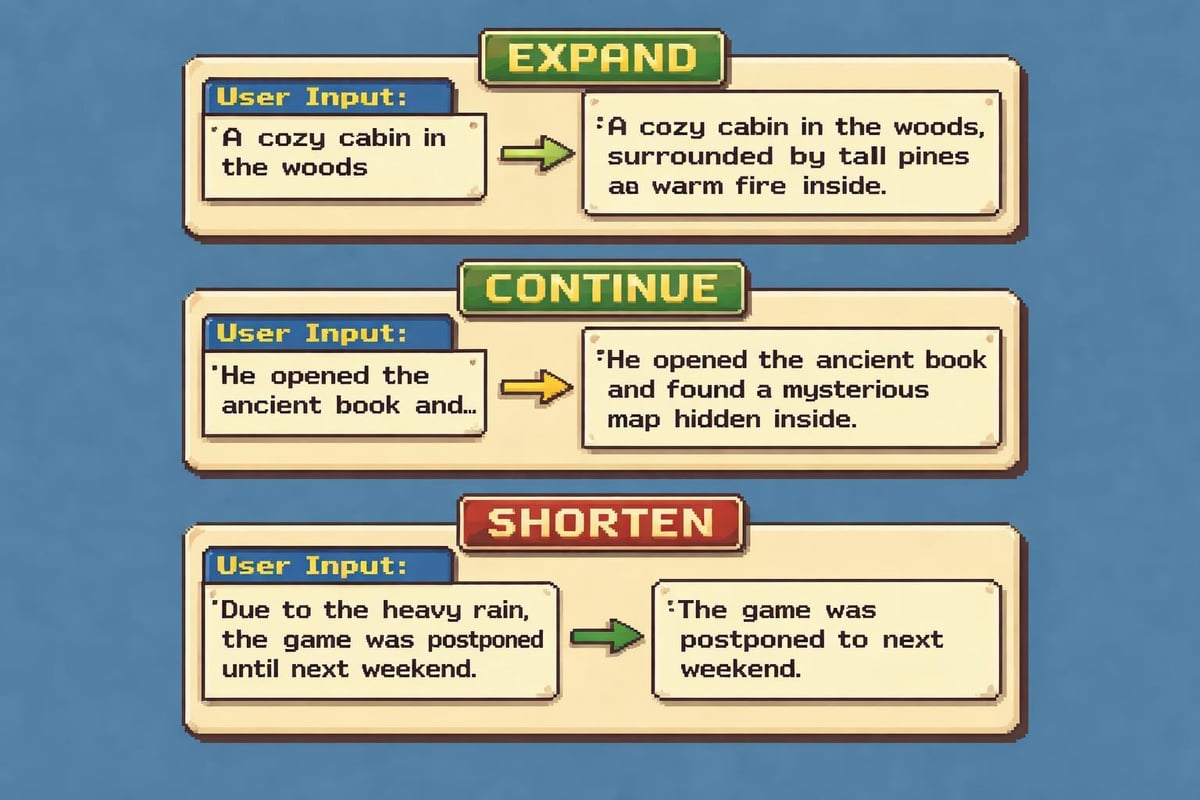
Shortly AI operates through three primary commands that users can access while writing:
- Continue: Prompts the AI to generate the next segment of text based on context
- Expand: Takes a brief statement or outline and develops it into fuller paragraphs
- Shorten: Condenses verbose text into more concise language
These commands integrate directly into the writing flow, allowing users to highlight text and apply transformations without switching between different modes or interfaces. The official ShortlyAI website provides detailed demonstrations of how these commands function in practice.
Natural Language Instructions represent another distinguishing feature. Writers can issue specific directions to the AI using plain English, such as "write a persuasive paragraph about email automation benefits" or "create three counterarguments to this position." This flexibility allows shortly ai to adapt to various writing styles and content requirements.
| Feature | Purpose | Best Use Case |
|---|---|---|
| Continue Command | Generate next logical content segment | Overcoming writer's block mid-draft |
| Expand Command | Develop brief notes into full paragraphs | Turning outlines into complete articles |
| Shorten Command | Reduce wordiness | Editing for conciseness |
| Natural Language Instructions | Direct AI with specific requests | Customizing output for particular needs |
Content Quality and Writing Performance
The effectiveness of shortly ai ultimately depends on output quality and how well it understands context. Reviews indicate the platform performs strongest when working with well-established topics where the AI can draw from extensive training data.
For business applications, this means shortly ai excels at creating:
- Blog posts on common industry topics
- Explanatory content about established products or services
- Educational articles covering well-documented subjects
- Marketing copy for standard business offerings
According to comprehensive reviews analyzing ShortlyAI’s performance, the tool demonstrates particular strength in maintaining consistent tone throughout longer documents. When users establish a clear voice in their opening paragraphs, the AI tends to mirror that style as it generates additional content.
Limitations and Considerations
Shortly AI faces challenges in several areas that businesses should evaluate:
Factual Accuracy: Like most AI writing tools, shortly ai can generate plausible-sounding content that contains inaccuracies. This necessitates careful fact-checking, especially for technical or specialized subject matter. Businesses creating content in regulated industries or covering complex topics should implement thorough review processes.
Creative Originality: While the platform handles standard content formats competently, it may struggle with highly creative or unconventional writing tasks. Companies needing truly innovative angles or unique perspectives might find the output formulaic.
Specialized Knowledge: Content requiring deep expertise in niche fields often produces better results when writers provide extensive context and guidance rather than relying heavily on the AI's generation capabilities.
The platform's development updates indicate ongoing improvements to address these limitations, but they remain considerations for businesses evaluating the tool.
Pricing Structure and Value Assessment
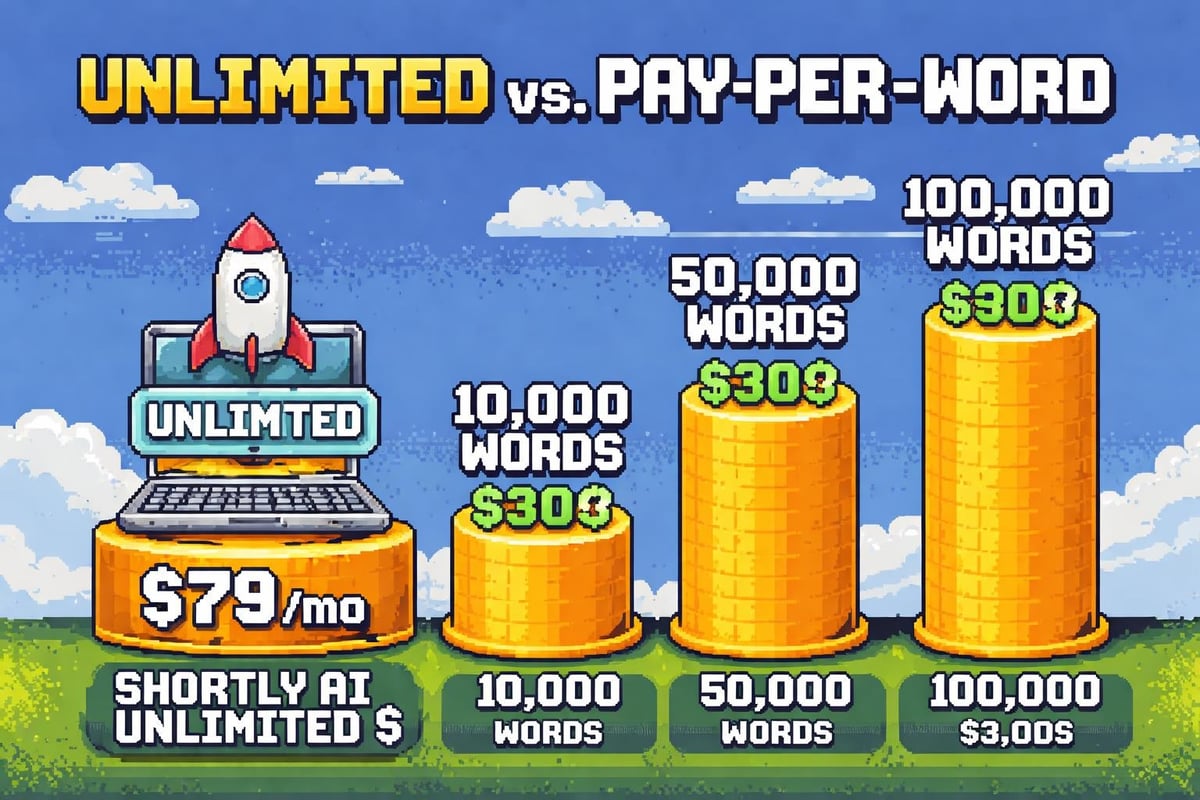
Shortly AI employs a straightforward subscription model without tiered plans or usage limits. This pricing approach differs from many competitors that charge based on word count or feature access.
Monthly Subscription Benefits
The unlimited usage model provides particular value for:
- Content marketing teams producing high volumes of blog posts, articles, and website copy
- Freelance writers managing multiple client projects simultaneously
- Business owners creating regular content without dedicated writing staff
- Marketing agencies serving various clients with diverse content needs
For businesses already investing in automation tools for business processes, shortly ai can complement existing workflows by reducing the time required for content draft creation.
Integration with Business Content Workflows
Successfully implementing shortly ai requires understanding how it fits within broader content creation processes. The tool functions best as a drafting assistant rather than a complete content solution.
Optimal Workflow Integration
Planning Phase: Writers should complete keyword research, outline creation, and strategic planning before engaging shortly ai. The tool enhances execution but doesn't replace strategic thinking.
Drafting Phase: Shortly AI delivers maximum value during initial content creation. Writers can develop outlines into full drafts significantly faster than writing entirely manually.
Editing Phase: Human review remains essential. Editors should verify facts, refine language, ensure brand voice consistency, and add elements the AI cannot provide (personal experiences, original insights, specific company data).
Businesses exploring comprehensive AI tools for their operations will find shortly ai works well alongside other specialized solutions rather than attempting to replace entire content stacks.
Comparing Shortly AI to Alternative Solutions
The AI writing assistant market offers numerous options, each with distinct strengths and positioning. Understanding how shortly ai compares helps businesses make informed decisions.
| Aspect | Shortly AI | Template-Based Tools | Full Content Suites |
|---|---|---|---|
| Primary Focus | Long-form drafting | Quick copy generation | Comprehensive marketing |
| Learning Curve | Minimal | Low | Moderate to High |
| Flexibility | High (natural language) | Limited to templates | Very High |
| Price Model | Flat subscription | Often usage-based | Tiered plans |
| Best For | Writers needing flow assistance | Quick marketing copy | Enterprise content teams |
According to detailed analyses of ShortlyAI’s advantages and limitations, the platform's simplicity represents both a strength and limitation. Users seeking specialized templates for emails, ads, or social posts might find more value in alternatives, while those prioritizing drafting assistance appreciate the focused approach.
Use Cases Across Business Functions
Shortly AI serves various business applications beyond traditional content marketing, though effectiveness varies by use case.
Marketing and Communications
Marketing teams utilize shortly ai for blog post development, landing page copy creation, and email newsletter drafting. The tool helps maintain consistent publishing schedules without proportionally increasing writer workload.
Internal Documentation
Businesses creating standard operating procedures, training materials, and internal knowledge bases can accelerate documentation development. Shortly AI helps expand bullet-point procedures into clear, readable instructions.
Customer Support Content
Companies building chatbots and automation services often need extensive FAQ documentation, help articles, and response templates. Shortly AI assists in developing this foundational content efficiently.

Proposal and Report Writing
Professionals developing business proposals, reports, or white papers can use shortly ai to transform research notes and outlines into polished drafts, though significant editing typically remains necessary for these high-stakes documents.
Technical Capabilities and Platform Features
Beyond core writing commands, shortly ai includes several technical features that impact usability and workflow integration.
Document Management: The platform stores writing projects within the interface, allowing users to maintain multiple documents and return to drafts across sessions. Organization remains basic compared to dedicated document management systems.
Export Options: Users can export completed content in various formats, facilitating integration with content management systems and publishing workflows.
Collaboration Limitations: Shortly AI focuses on individual writers rather than team collaboration. Businesses requiring multi-user editing, approval workflows, or version control should consider these limitations when evaluating the platform.
Reviews highlighting ShortlyAI’s best features note that the platform prioritizes writing performance over collaborative capabilities, making it better suited for individual content creators than large teams.
Learning Curve and Onboarding Experience
Shortly AI's minimalist design contributes to rapid onboarding. Most users can begin producing content within minutes of creating an account, though mastering effective AI direction requires practice.
Getting Started Effectively
New users should approach shortly ai with these strategies:
- Start with clear outlines providing context and direction
- Use specific natural language instructions rather than vague prompts
- Experiment with different command combinations to understand capabilities
- Review and edit AI outputs to develop judgment about when suggestions work well
- Gradually increase reliance as familiarity with the tool's patterns develops
For businesses managing business tools and productivity solutions across teams, shortly ai's simplicity reduces training requirements compared to more complex platforms.
Data Privacy and Security Considerations
Businesses using AI writing tools must consider how their content and data are handled. Shortly AI's privacy policies address data usage, storage, and security measures.
Companies working with sensitive information, proprietary strategies, or confidential client data should carefully review these policies before incorporating shortly ai into workflows. The platform's terms of service outline data handling practices and user rights regarding content ownership.
Future Development and Platform Evolution
The AI writing tool market evolves rapidly, with platforms regularly introducing new capabilities and improvements. Shortly AI's development trajectory focuses on refining core writing assistance rather than expanding into comprehensive content suites.
Recent updates have addressed output quality, contextual understanding, and command responsiveness. Businesses evaluating shortly ai should consider both current capabilities and the platform's commitment to ongoing enhancement.
Making the Decision: Is Shortly AI Right for Your Business
Determining whether shortly ai fits specific business needs requires evaluating several factors:
Content Volume: Businesses producing substantial written content monthly gain more value from unlimited usage models. Organizations with occasional content needs might find different pricing structures more economical.
Writer Skill Level: Shortly AI assumes basic writing competence. It assists with drafting but requires users who can recognize quality output, provide effective direction, and edit results appropriately.
Content Complexity: The tool handles standard business content effectively but may struggle with highly technical, specialized, or creative work requiring deep expertise.
Workflow Requirements: Companies needing team collaboration, approval processes, or integration with specific content management systems should verify compatibility before committing.
Businesses exploring comprehensive solutions for their operations can find additional tool comparisons and recommendations through ToolStacked’s resources designed to help companies select appropriate business software.
Shortly AI offers a focused approach to AI-assisted writing that serves specific business needs effectively, particularly for teams requiring consistent long-form content production. The platform's unlimited usage model and streamlined interface make it accessible for businesses ready to integrate AI writing assistance into their content workflows. At ToolStacked, we help businesses navigate the expanding landscape of AI and automation tools, providing expert reviews, comparisons, and custom solutions including chatbot services designed to enhance efficiency and customer engagement across your operations.