9 Essential AI Video Creation Tools to Elevate Content in 2026
AI video creation tools are transforming the digital content landscape at an unprecedented pace. In 2026, the demand for high-quality, engaging video content is higher than ever as creators and businesses strive to stand out across multiple platforms.
These innovative tools make professional video production accessible to everyone, offering speed and affordability without sacrificing creativity. Whether you are a solo creator or part of a large marketing team, you can now produce captivating videos in minutes.
This article explores nine essential ai video creation tools, highlighting their standout features, pricing, and ideal use cases. Discover how these solutions can elevate your content strategy and help you stay ahead in a competitive market.
Why AI Video Creation Tools Are Game-Changers in 2026
The landscape of video production is undergoing a rapid transformation. AI video creation tools are now central to how content is made, shared, and consumed. Their influence spans from individual creators to large enterprises, reshaping workflows and democratizing access to professional-grade video content.
The Evolution of Video Content Creation
Over the past decade, the shift from traditional editing suites to ai video creation tools has been dramatic. Manual, time-consuming processes have given way to automated platforms that streamline every step of production.
This evolution means creators can produce high-quality videos without specialized training or expensive gear. The result is a significant reduction in both production time and costs. AI-powered platforms have opened doors for non-experts, enabling anyone to craft compelling stories and visuals at scale.
Key Benefits for Content Creators and Businesses
Ai video creation tools offer unparalleled scalability for businesses and creators handling large volumes of content. With automation, teams can generate dozens or even hundreds of videos in a fraction of the time once required.
Personalization is another key advantage. AI platforms analyze audience data to tailor content, helping brands deliver more relevant messages. Consistency in style, tone, and branding is maintained across all assets, ensuring a professional presence regardless of output volume.
Advances in AI Technology Powering Video Tools
Recent leaps in generative AI have redefined what ai video creation tools can achieve. Today’s platforms feature scriptwriting, automated voiceovers, and lifelike animation, all driven by sophisticated algorithms.
Natural language processing enables automated editing and content adaptation. Real-time collaboration, cloud workflows, and integrations further streamline production. For an in-depth overview of these innovations, see this AI-powered video creation guide.
Market Trends and User Adoption in 2026
Adoption of ai video creation tools is soaring. Recent reports show that a majority of marketers and creators now rely on these platforms to meet content demands. E-commerce, education, and digital marketing are leading industries in this shift.
Surveys reveal that organizations implementing AI-driven workflows achieve faster turnaround, improved ROI, and higher engagement rates. As AI capabilities expand, more sectors are expected to integrate these tools into their digital strategies.
Challenges and Considerations
Despite their many advantages, ai video creation tools present challenges. Automation must be balanced with creative control to preserve originality and brand identity.
Data privacy and ethical concerns also arise, especially as AI generates more content autonomously. Teams must navigate a learning curve and ensure seamless integration with existing workflows, making training and support essential for long-term success.
9 Essential AI Video Creation Tools to Elevate Content in 2026
The landscape of digital content is rapidly changing, and ai video creation tools are at the forefront of this transformation. These solutions are making it easier than ever to produce high-quality, engaging videos at scale. Businesses and creators now rely on these platforms to meet the growing demand for fresh video content across markets.
Below is a comparative table summarizing the core features, pricing, and ideal use cases of the nine leading ai video creation tools discussed in this section.
| Tool | Starting Price | Key Features | Best For |
|---|---|---|---|
| Synthesia | $30/month | AI avatars, text-to-video | Training, explainer, marketing |
| InVideo | $15/month | Script-to-video, templates | Social, YouTube, promos |
| Pictory | $23/month | Video summarization, captioning | Repurposing, education |
| Runway | $12/month | AI editing, motion tracking | Creative, ads, short films |
| Descript | $12/month | Transcription, overdub | Podcasts, webinars |
| Lumen5 | $29/month | Storyboard, branding automation | Marketing, communications |
| HeyGen | $29/month | AI avatars, voice cloning | Messaging, onboarding |
| Veed.io | $18/month | Editing, subtitles, templates | Social media, product demos |
| Wisecut | $10/month | Jump cuts, music, subtitles | Vlogs, interviews, education |
Synthesia
Synthesia is a leader among ai video creation tools, offering a platform where users can generate professional videos without a camera or crew. Pricing starts at $30 per month for individual plans, making it accessible to businesses of all sizes.
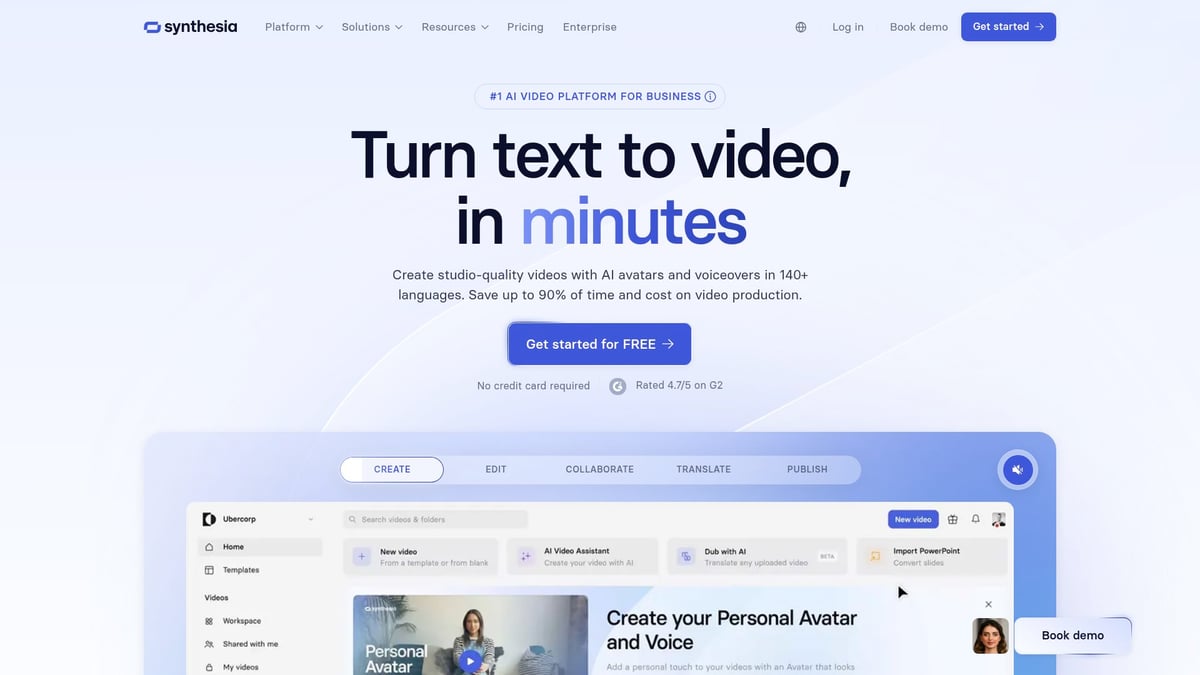
The platform's core features include AI avatars, multilingual support, text-to-video conversion, and a range of customizable templates. What sets Synthesia apart is its hyper-realistic avatars and the ability to create videos quickly. No filming is required—just input your script, choose an avatar, and let the AI do the rest.
Ideal use cases include corporate training, explainer videos, and international marketing campaigns. Synthesia is especially valuable for organizations needing consistent messaging across multiple languages.
Pros:
- Saves significant time on production
- Easy to use, even for beginners
- Supports over 120 languages
Cons:
- Limited avatar customization options
- Requires a subscription for full features
Synthesia's rapid growth is highlighted in recent AI Video Generation Tools Showdown: Why 456% Growth Has Runway, Pika & Synthesia Racing for $62 Billion Market Domination, showing its competitive edge among ai video creation tools in 2026.
InVideo
InVideo has become an essential solution for those seeking efficient ai video creation tools with a focus on marketing and social content. The free plan is generous, while premium starts at $15 per month.
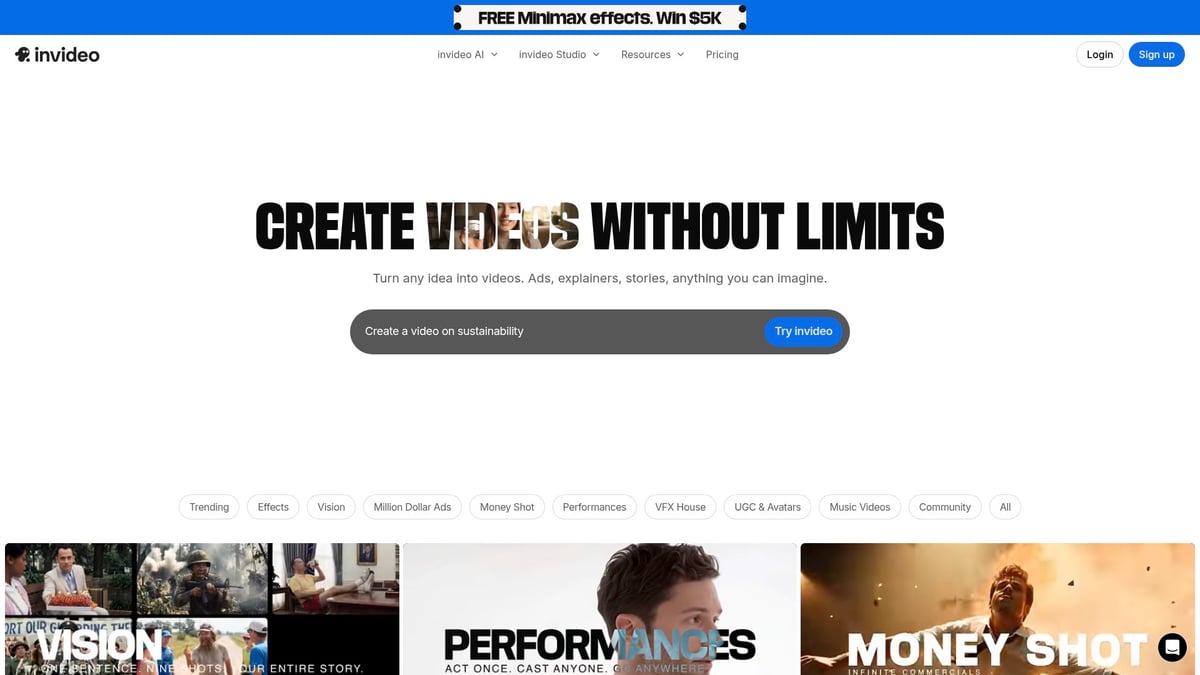
Key features include AI-powered script-to-video, a vast template library, and access to stock media. InVideo shines with its intuitive interface and built-in team collaboration, making it a favorite for agencies and content teams.
This tool is ideal for social media marketing, YouTube content, and business promotions. Its affordable pricing and beginner-friendly workflow lower the barrier to entry for new creators.
Pros:
- Affordable pricing tiers
- Rich stock media library
- Simple, intuitive design
Cons:
- Free plan adds a watermark to exports
- Advanced features are paid-only
InVideo continues to evolve, helping businesses maximize the potential of ai video creation tools for diverse content strategies.
Pictory
Pictory stands out among ai video creation tools for its ability to transform long-form content into short, engaging videos. Plans start at $23 per month, making it a cost-effective choice for content repurposing.
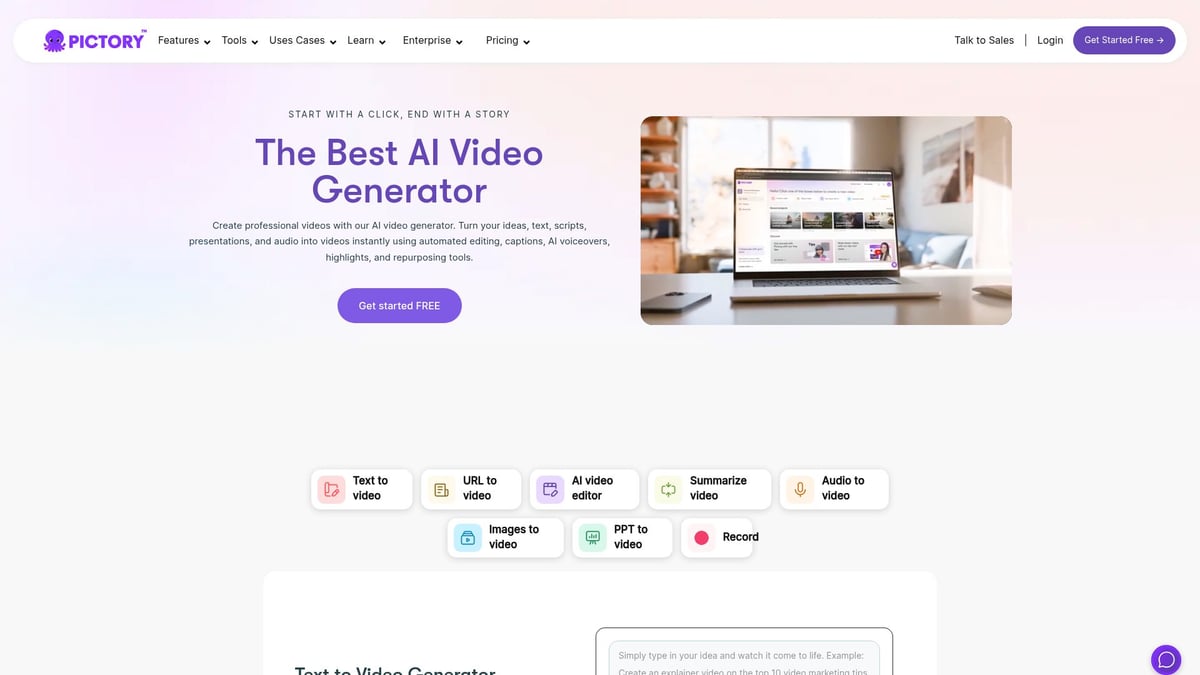
Notable features include AI-driven video summarization, automatic captioning, and seamless blog-to-video conversion. Pictory's content repurposing ability allows marketers and educators to maximize their reach without reinventing the wheel.
The platform is ideal for converting blog posts into video, creating educational snippets, and developing marketing assets from existing materials.
Pros:
- Boosts ROI by leveraging existing content
- Auto-captioning for accessibility
- Easy integration with other platforms
Cons:
- Occasional mismatches in AI-generated segments
- Export limitations on basic plans
Pictory empowers creators to make the most of ai video creation tools for scalable, multi-channel video strategies.
Runway
Runway is a powerful addition to the ai video creation tools ecosystem, offering advanced creative features for professionals and hobbyists alike. A free trial is available, with paid plans starting at $12 per month.

Core features include AI video editing, green screen effects, motion tracking, and a suite of generative tools. Runway's real-time collaboration and creative freedom set it apart from more templated platforms.
It’s perfect for creative projects, advertising campaigns, and short films where innovation and visual effects matter.
Pros:
- Advanced AI-powered editing tools
- Fully cloud-based for easy access
- Frequent updates with new features
Cons:
- Steeper learning curve for beginners
- Some features are restricted to higher-tier plans
Runway's versatility appeals to professionals looking to push the boundaries of what ai video creation tools can achieve.
Descript
Descript takes a unique approach among ai video creation tools by allowing users to edit video as easily as editing a document. Free and paid plans are available, with premium options from $12 per month.
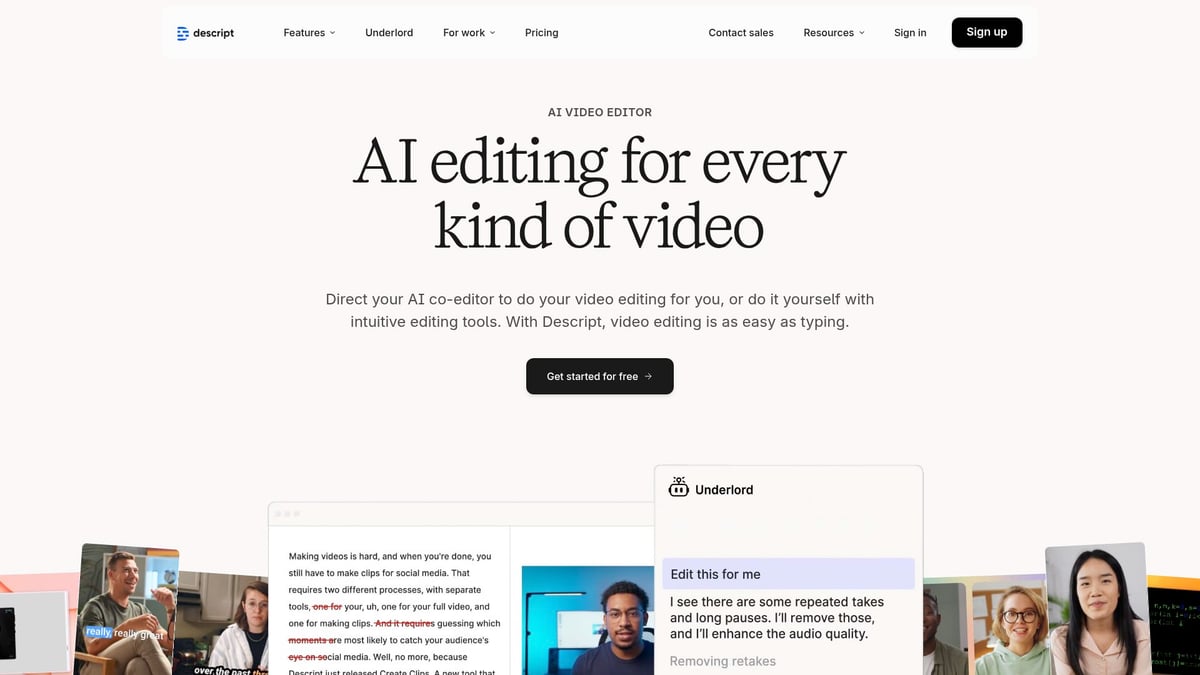
Key features include AI transcription, video editing via text, and overdub voice cloning. Its podcast integration and multi-format export make it a favorite for content creators who juggle audio and video.
Descript is ideal for video podcasts, interviews, and webinars, especially where accurate transcription and streamlined workflows are priorities.
Pros:
- Simplifies the editing process
- Highly accurate transcription engine
- Supports multiple formats
Cons:
- Limited advanced video editing compared to others
- Best results require high-quality audio input
Descript offers a new way to leverage ai video creation tools for fast, text-based video editing.
Lumen5
Lumen5 is designed for marketers and teams seeking ai video creation tools that automate and accelerate the video production process. Free plans are available, with premium plans starting at $29 per month.
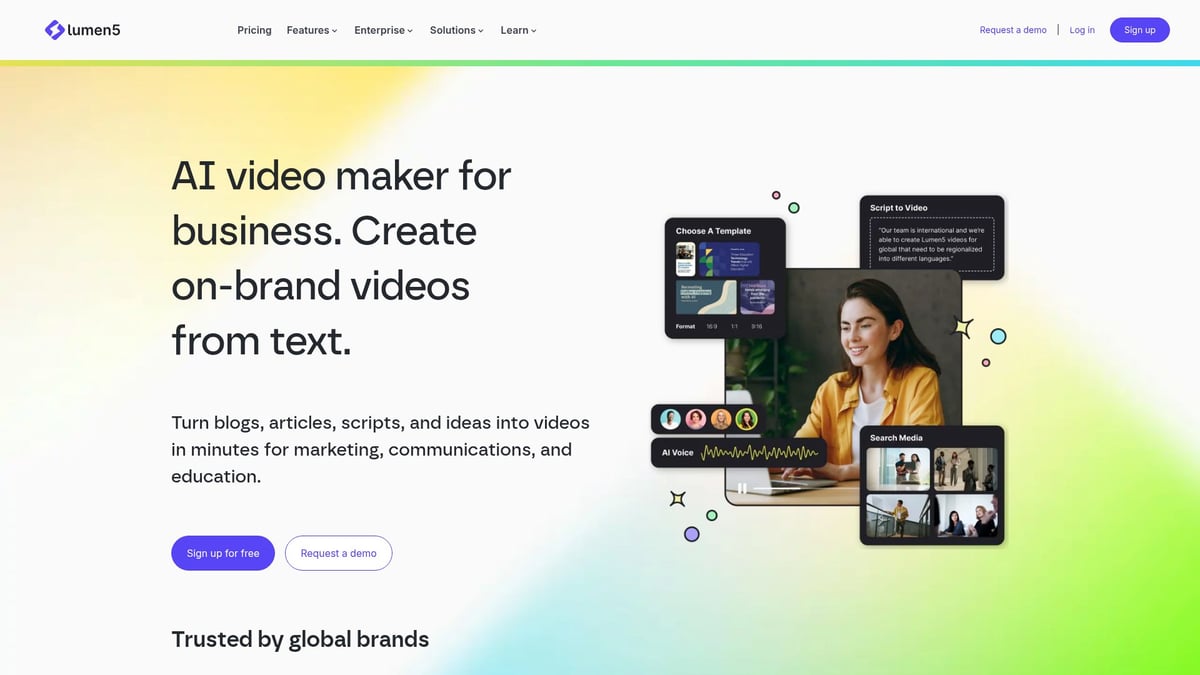
The platform's highlights include AI-powered video creation from text, branding automation, and a library of stock assets. Lumen5’s automated storyboard feature helps teams move from script to finished video with minimal effort.
It’s well-suited for content marketing, internal communications, and social video campaigns where speed and branding consistency matter.
Pros:
- Rapid video turnaround
- Easy application of brand assets
- Great for team workflows
Cons:
- Customization options can be limited
- Free plan applies a watermark to videos
Lumen5 continues to help businesses scale their content with ai video creation tools tailored to marketing needs.
HeyGen
HeyGen is a rising star in the ai video creation tools market, known for its lifelike avatars and advanced voice cloning. Paid plans begin at $29 per month, and a free trial is available.
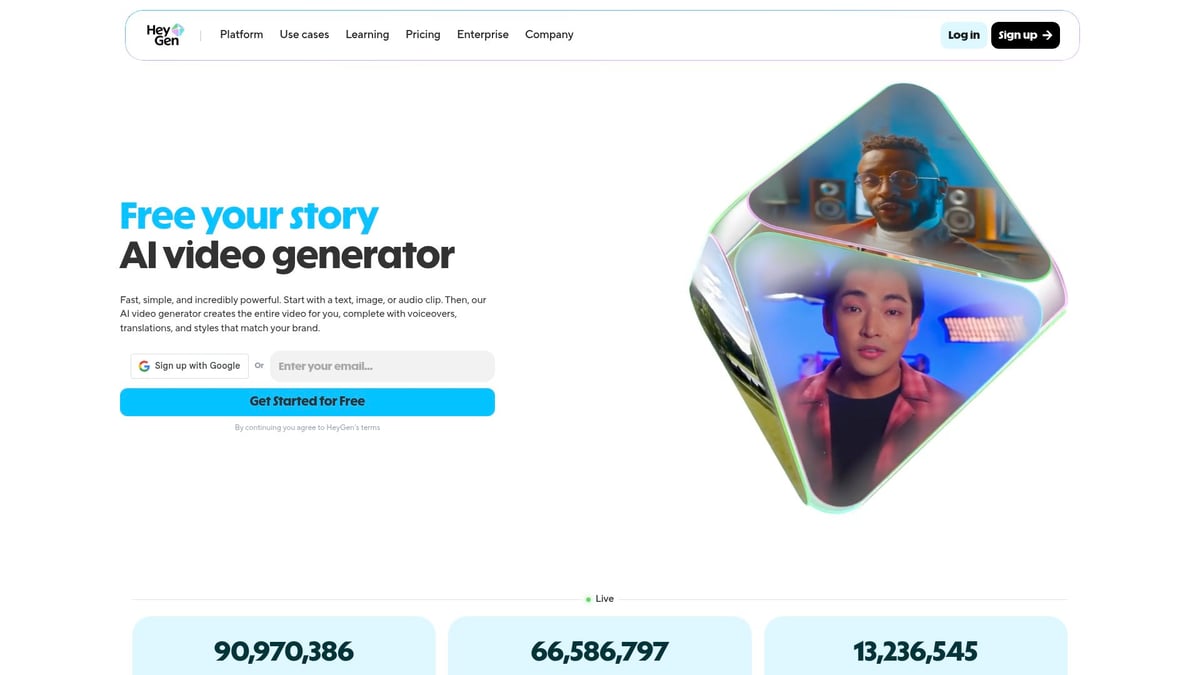
The tool offers AI avatars, script-to-video generation, multi-language support, and a wide variety of voice options. Its personalization features make it ideal for targeted communication and training.
HeyGen is best for personalized video messaging, HR onboarding, and e-learning content, especially when rapid, scalable production is needed.
Pros:
- Realistic avatar and voice output
- Scalable for bulk video creation
- Supports multiple languages
Cons:
- Avatar selection may be limited
- Advanced features require higher-tier pricing
HeyGen is quickly becoming a go-to among ai video creation tools for businesses prioritizing personalization and efficiency.
Veed.io
Veed.io offers a browser-based solution for those seeking user-friendly ai video creation tools. Free plans are available, with professional plans starting at $18 per month.
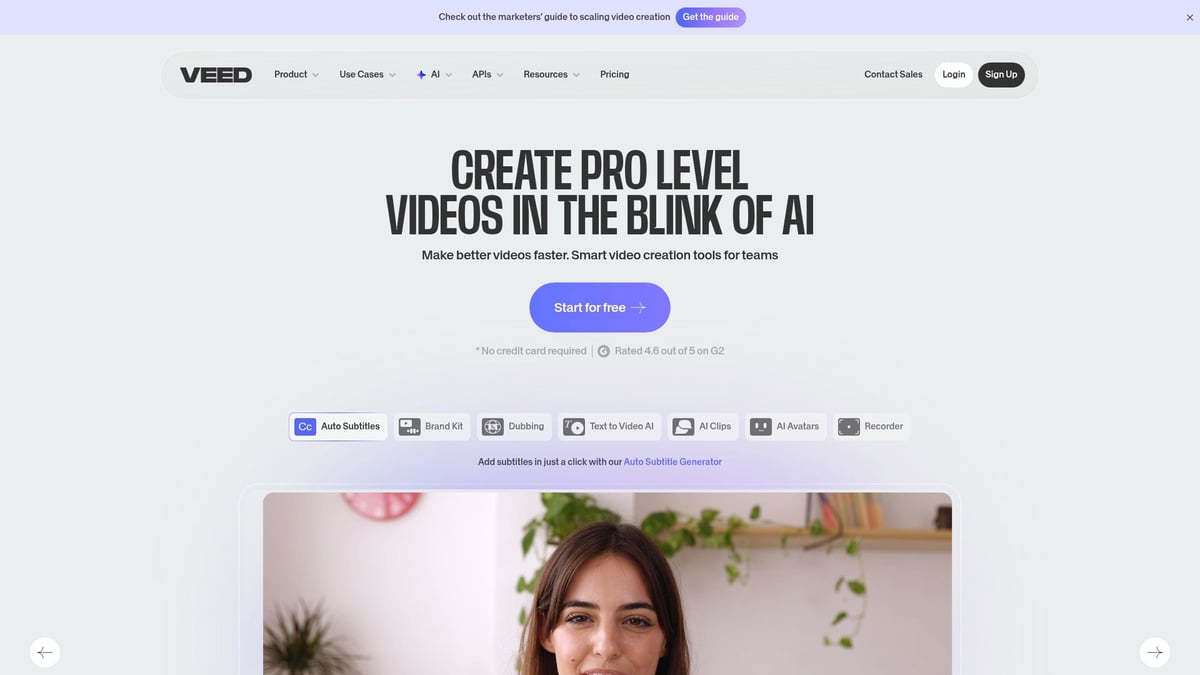
Its features include AI-powered editing, auto-subtitles, templates, and team collaboration tools. The browser-based design means no software installation is needed, making it highly accessible.
Veed.io is ideal for social media clips, product demos, and marketing videos. It’s particularly valuable for teams that need quick, collaborative editing.
Pros:
- No download required
- Strong subtitle and captioning tools
- Supports team workflows
Cons:
- Free plan has export and feature limitations
- Advanced editing tools are locked behind pro plans
Veed.io stands out among ai video creation tools for its accessibility and focus on collaboration.
Wisecut
Wisecut is designed for creators who want to speed up the editing process with the help of ai video creation tools. The free plan is robust, while premium starts at $10 per month.
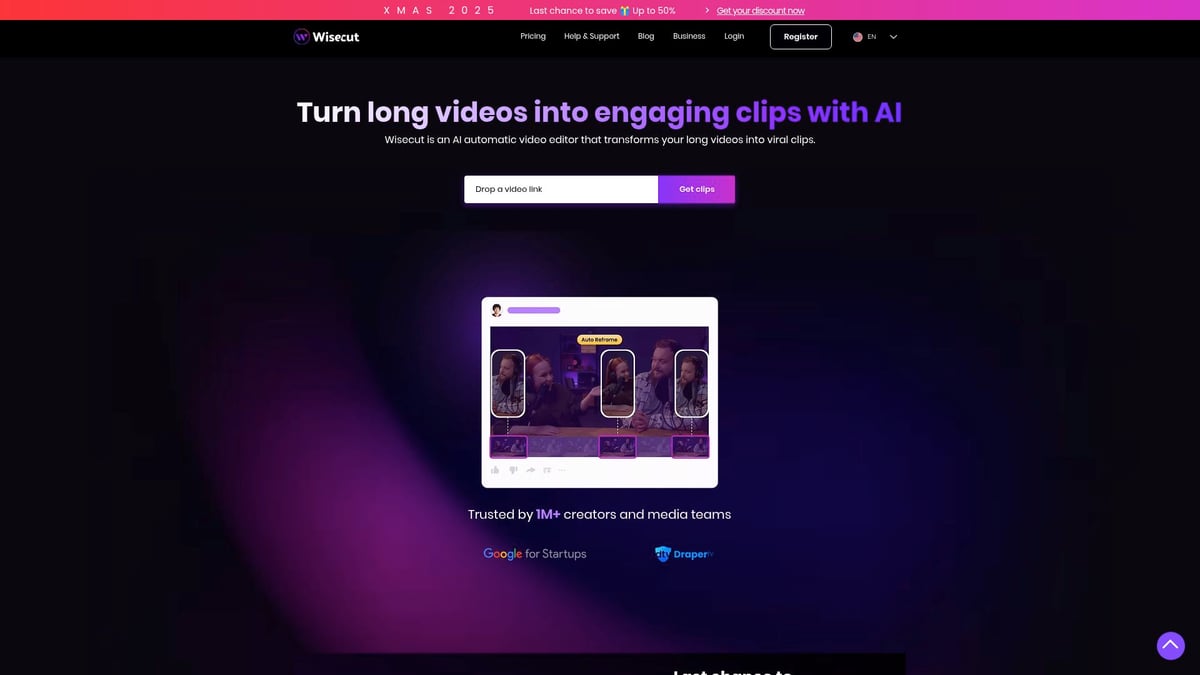
Wisecut’s core features include AI-powered editing, automatic jump cuts, background music, and subtitle generation. Its automatic silence removal is especially helpful for vlogs, interviews, and educational content.
The platform is best for talking-head videos where quick turnaround is essential and manual editing would be tedious.
Pros:
- Dramatically reduces editing time
- Beginner-friendly interface
- Auto music synchronization
Cons:
- Manual control is limited
- Best suited for videos with spoken content
Wisecut completes the lineup of ai video creation tools, providing a streamlined solution for fast, effective video editing.
How to Choose the Right AI Video Creation Tool for Your Needs
Selecting the right ai video creation tools can dramatically impact your workflow, content quality, and audience engagement. With so many options available, it is essential to approach your decision with a clear strategy.
Assessing Your Content Goals and Audience
Begin by clarifying the primary objectives for your videos. Are you focused on marketing, education, entertainment, or internal communications? Your goals will shape the features you require in ai video creation tools.
Consider your target audience’s preferences and the platforms they frequent. For example, marketing teams might prioritize tools with robust branding and analytics, while educators may need captioning and accessibility features. If your primary goal is promotional content, you might benefit from exploring Best AI marketing tools to find solutions tailored to your needs.
Understanding your audience will also help you choose formats, styles, and automation features that boost engagement and retention.
Comparing Features and Usability
Once your goals are defined, evaluate the feature sets of various ai video creation tools. Look for essentials such as AI avatars, customizable templates, voiceover options, and media libraries.
Usability is equally important. A user-friendly interface can save time and reduce the learning curve. Assess whether the tool offers drag-and-drop editing, real-time collaboration, and support resources. Some platforms excel at rapid content generation, while others offer advanced customization.
To aid comparison, create a checklist or table of must-have features and test free plans or demos before committing to a subscription.
Pricing and Scalability Considerations
Analyze the pricing models of different ai video creation tools, balancing cost with value. Many platforms offer tiered plans, with essential functions in basic packages and advanced options at higher tiers.
Consider not only your current needs, but also how the tool can scale as your content demands grow. If you are a startup or small business, you might want to review AI tools for startups to identify budget-friendly options that support scalability.
Factor in any additional costs, such as premium templates or extra storage, to avoid surprises as your video output increases.
Integration and Workflow Compatibility
Examine how well each ai video creation tools option integrates with your existing digital ecosystem. Compatibility with content management systems, social media platforms, and collaboration tools can streamline your workflow and minimize manual tasks.
Look for features like easy export formats, automated publishing, and real-time team editing. Integration capabilities are especially valuable for businesses managing high volumes of content or coordinating across multiple teams.
Ultimately, the best choice will fit seamlessly into your processes, enhancing productivity and creative output.
Future Trends in AI Video Creation for 2026 and Beyond
As we look ahead, the landscape of ai video creation tools is rapidly evolving. Breakthroughs in artificial intelligence are unlocking new creative possibilities, making it easier than ever to produce dynamic, personalized, and interactive video content. Understanding these trends is crucial for anyone seeking to stay ahead in digital content production.
Generative AI and Hyperpersonalization
Generative AI is redefining what is possible with ai video creation tools. In 2026, creators can generate entire videos tailored to individual viewers, with AI adapting scripts, visuals, and audio in real time. This hyperpersonalization goes beyond basic customization, offering unique experiences for every audience segment.
For example, brands can deploy videos that automatically adjust messaging based on user preferences or behavior. AI now enables content teams to produce large volumes of video, each uniquely crafted for its intended recipient. According to the AI Video Trends 2026: The Future of Creative Production, this democratization of professional-grade video is shifting industry priorities and empowering small teams to compete with major studios.
Enhanced Interactivity and Immersive Experiences
Interactivity is becoming a defining feature of modern ai video creation tools. In 2026, viewers expect more than passive consumption. AI-driven elements like quizzes, polls, and branching storylines are transforming videos into engaging, participatory experiences.
Integration with AR and VR technologies is also gaining momentum. Creators can now immerse audiences in branded environments, interactive tutorials, or virtual showrooms. These innovations make content more memorable and effective, increasing viewer retention and engagement. As these tools advance, they are reshaping how brands and educators connect with their audiences.
Ethical and Regulatory Considerations
With the rise of ai video creation tools, ethical challenges and new regulations are coming to the forefront. Deepfake technology, while powerful, raises concerns about authenticity and potential misuse. Ensuring content remains trustworthy and transparent is essential for maintaining audience confidence.
Regulators are responding by introducing guidelines for AI-generated media, particularly around copyright and consent. Businesses and creators must stay informed about these evolving policies to ensure compliance and responsible use of AI. The future of video production will depend on striking the right balance between innovation and ethical responsibility.