
Guide to Artificial Intelligence and Data Science in 2026
The explosive growth of artificial intelligence and data science is changing the way we live and work in 2026. Across every industry, these technologies are driving breakthroughs, from smarter automation to advanced analytics.
This guide delivers a clear, comprehensive overview of the evolving landscape. Whether you are a business leader, professional, or enthusiast, you will find actionable insights to help you navigate the world of artificial intelligence and data science.
We will define essential concepts, explore major trends, highlight must-have tools and skills, and examine real-world applications. Ethical considerations and a forward-looking perspective are also included.
Ready to unlock new opportunities? Dive in and master the essentials for success in 2026.
Understanding Artificial Intelligence and Data Science: Definitions and Core Concepts
Artificial intelligence and data science have become central to digital transformation in 2026. These technologies drive innovation, shape industries, and enable smarter decision-making. To navigate this landscape, it is essential to understand the core principles and how they relate.
What is Artificial Intelligence?
Artificial intelligence and data science are often mentioned together, but AI specifically refers to the simulation of human intelligence by machines. At its core, AI enables systems to learn, reason, perceive, and understand language much like humans.
There are several types of AI:
- Weak or Narrow AI: Designed for specific tasks, such as virtual assistants like Siri or Alexa.
- General AI: Capable of performing any intellectual task that a human can do, still largely theoretical.
- Strong AI: Exceeds human intelligence, currently not realized.
In 2026, AI powers autonomous vehicles, advanced language models, and automates complex decisions. Its ability to streamline processes and support rapid innovation is transforming organizations worldwide.
What is Data Science?
Data science is the interdisciplinary field that forms the backbone of artificial intelligence and data science initiatives. It combines statistics, computer science, and domain expertise to extract insights from large datasets.
Key steps in data science include:
- Data collection and cleaning
- Data analysis and visualization
- Building predictive models
Popular tools are Python, R, SQL, and visualization platforms. These tools help professionals uncover trends and drive informed decisions. For those seeking a comprehensive overview of essential technologies, the AI tools and platforms overview is an excellent resource to explore the latest advancements.
The Relationship Between AI, Machine Learning, and Data Science
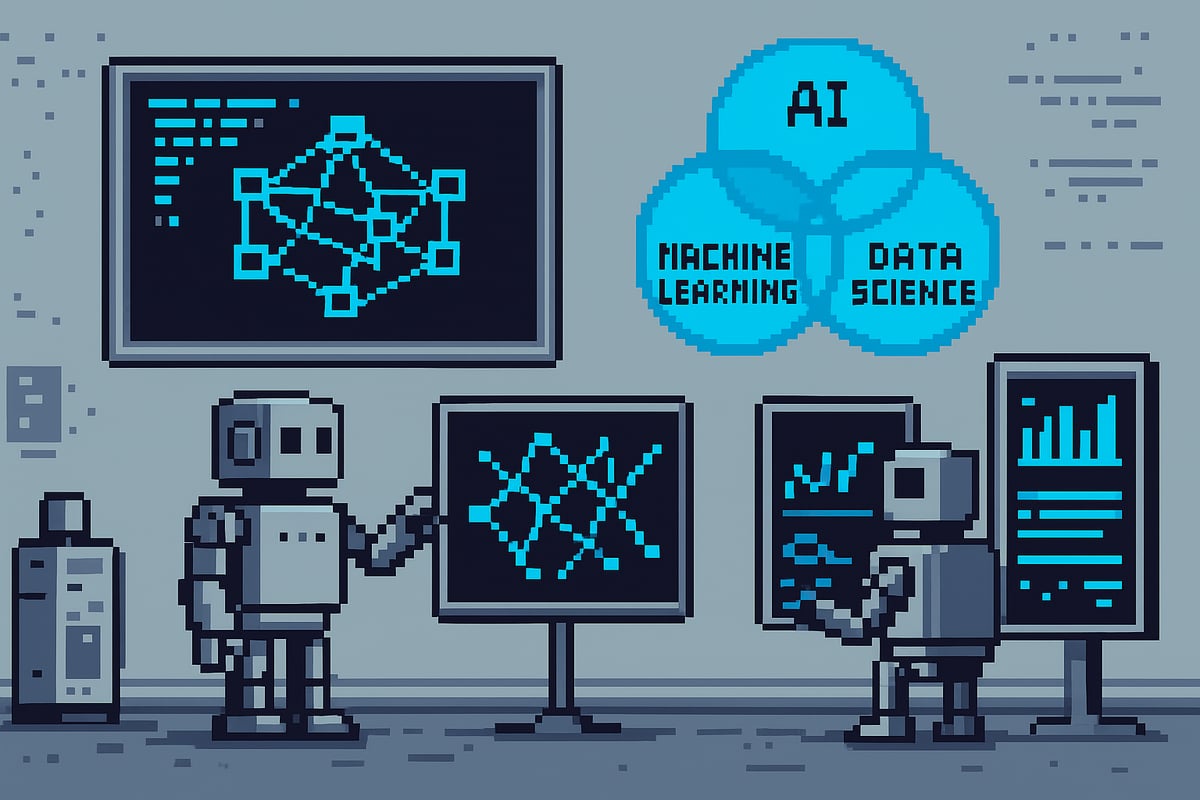
Artificial intelligence and data science are deeply interconnected. Data science supplies the data and analytical methods that power AI and machine learning (ML). ML is a subset of AI, relying on data science for data preparation and evaluation.
In modern workflows, these fields overlap:
- Data science prepares and analyzes data.
- Machine learning builds models from this data.
- AI uses these models for automation and intelligent decision-making.
A Venn diagram illustrates their intersection. For example, recommendation systems in e-commerce use all three disciplines to personalize user experiences.
Key Terminology and Concepts for 2026
The vocabulary around artificial intelligence and data science continues to evolve. Some key terms in 2026 include:
- Generative AI: AI models that create new content or data.
- LLMs (Large Language Models): Advanced models for language understanding.
- Edge AI: Processing AI on devices for real-time results.
- Data-centric AI: Focusing on data quality over model complexity.
- Explainable AI (XAI): Making AI decisions transparent and understandable.
Other vital concepts are real-time analytics, AI agents, and autonomous systems. Understanding these terms helps professionals and businesses stay current in a rapidly changing field.
Major Trends Shaping AI and Data Science in 2026
Artificial intelligence and data science are experiencing unprecedented transformation in 2026. Five major trends are driving innovation, expanding accessibility, and redefining how organizations leverage data and intelligence. Let us explore these developments shaping the future of technology.

The Rise of Generative AI and Large Language Models
Generative AI and large language models now power an array of applications, from content creation to advanced customer service. In 2026, models such as GPT-5 and industry-specific LLMs are increasingly common, enabling businesses to automate communication and streamline workflows.
For instance, chatbots harnessing these technologies can simulate nuanced human conversations, providing instant support and tailored recommendations. These advancements illustrate the growing synergy between artificial intelligence and data science. For a deeper dive into current and emerging developments, explore the Top AI Trends to Watch in 2026 for expert insights.
Democratization of AI and Data Science Tools
Access to artificial intelligence and data science is no longer limited to specialists. No-code and low-code platforms empower professionals from diverse backgrounds to build, deploy, and analyze AI-driven solutions without extensive programming experience.
Cloud-based AI services further lower the barrier to entry, making sophisticated analytics available to businesses of all sizes. Tools such as AutoML platforms and drag-and-drop analytics interfaces are transforming how teams approach data projects. This democratization fosters innovation and speeds up solution delivery across industries.
Integration of AI at the Edge
The integration of artificial intelligence and data science at the edge is revolutionizing real-time decision-making. Edge AI processes data directly on devices like IoT sensors, smartphones, and autonomous vehicles, minimizing latency and enhancing privacy.
This approach reduces reliance on centralized cloud resources and lowers operational costs. Use cases include predictive maintenance in manufacturing, smart home devices, and rapid response systems in transportation. As edge computing matures, expect even broader adoption of data-driven intelligence in daily life.
Data-Centric and Responsible AI
The focus in artificial intelligence and data science is shifting toward prioritizing high-quality, unbiased data. Data-centric AI emphasizes the importance of clean, representative datasets over sheer model complexity for reliable outcomes.
Responsible AI initiatives stress transparency, explainability, and ethical decision-making, aligning with emerging global regulations. Organizations now implement AI auditing tools and compliance solutions to ensure accountability. These practices build trust and foster sustainable adoption of AI technologies.
AI-Driven Automation and Augmentation
Automation is a central force in artificial intelligence and data science for 2026. AI-driven systems now handle complex workflows in sectors like business, healthcare, and finance, delivering measurable gains in productivity.
Rather than replacing humans, AI augments roles, acting as a co-pilot to enhance decision-making and efficiency. Adoption rates are climbing rapidly, with organizations reporting significant improvements in return on investment. The evolving workforce is adapting, developing new skills to thrive in this collaborative environment.
Essential Tools, Technologies, and Skills for 2026
The landscape of artificial intelligence and data science in 2026 is defined by rapid evolution. Mastery of the right tools, platforms, and skills is crucial for anyone aiming to stay competitive. This section highlights the essential components shaping the field, providing a roadmap for professionals and organizations alike.

Core AI and Data Science Tools
Artificial intelligence and data science rely on a robust ecosystem of programming languages and libraries. Python remains the industry standard, valued for its readability and extensive support. R is favored for statistical analysis, while Julia is gaining traction for high-performance computing.
Key libraries such as TensorFlow, PyTorch, and scikit-learn drive model development. Data platforms like Snowflake, Databricks, and BigQuery enable scalable storage and processing. Visualization tools including Tableau and Power BI turn complex results into actionable insights.
| Tool/Platform | Primary Use | Notable Feature |
|---|---|---|
| Python | General development | Versatile, easy to learn |
| TensorFlow | Deep learning | Scalable, flexible |
| Databricks | Data engineering | Cloud-native collaboration |
Selecting the right mix of tools is foundational for success in artificial intelligence and data science projects.
Cloud and Automation Platforms
Cloud computing has revolutionized artificial intelligence and data science by making advanced capabilities accessible to all. AI-as-a-Service platforms like AWS SageMaker, Google Vertex AI, and Azure ML offer scalable resources for model training, deployment, and monitoring.
Automation is equally vital. Data pipeline tools such as Apache Airflow and Prefect streamline workflows, ensuring data is clean and models are updated. Integration with business systems—CRM, ERP, and marketing automation—brings AI insights directly into decision-making.
Cloud platforms empower teams to focus on innovation, not infrastructure. Their flexibility is a game changer for organizations embracing artificial intelligence and data science.
The Role of Custom Chatbots and AI Agents
In 2026, custom chatbots and AI agents have become indispensable. They handle customer queries, automate internal helpdesks, and even assist with sales. Modern chatbots use advanced natural language understanding for multi-turn conversations and context awareness.
Applications span customer support, lead generation, and knowledge management. For those interested in building bespoke solutions, the Custom AI agent creation guide offers step-by-step instructions using contemporary platforms.
As artificial intelligence and data science continue to merge, chatbots and AI agents will play an even larger role in shaping user experiences and operational efficiency.
In-Demand Skills for AI and Data Science Professionals
Success in artificial intelligence and data science demands a blend of technical and domain-specific skills. Data engineering, model deployment, and MLOps are highly sought after. Expertise in AI ethics, data privacy, and regulatory compliance is now essential.
Business acumen is equally important. Professionals must translate technical results into actionable strategies for their organizations. According to industry reports, top employers in 2026 prioritize candidates with both analytical and communication skills.
Staying current with these demands ensures relevance in the fast-paced world of artificial intelligence and data science.
Continuous Learning and Upskilling
The field of artificial intelligence and data science evolves at breakneck speed. Continuous learning is not optional—it is a necessity. Online courses, certifications, and immersive bootcamps help professionals keep pace with new developments.
Communities and open-source projects offer invaluable peer support and practical experience. Mentorship programs foster career growth and knowledge sharing. Dedicating time to upskilling guarantees that individuals and organizations remain at the forefront of innovation in artificial intelligence and data science.
Real-World Applications Across Industries
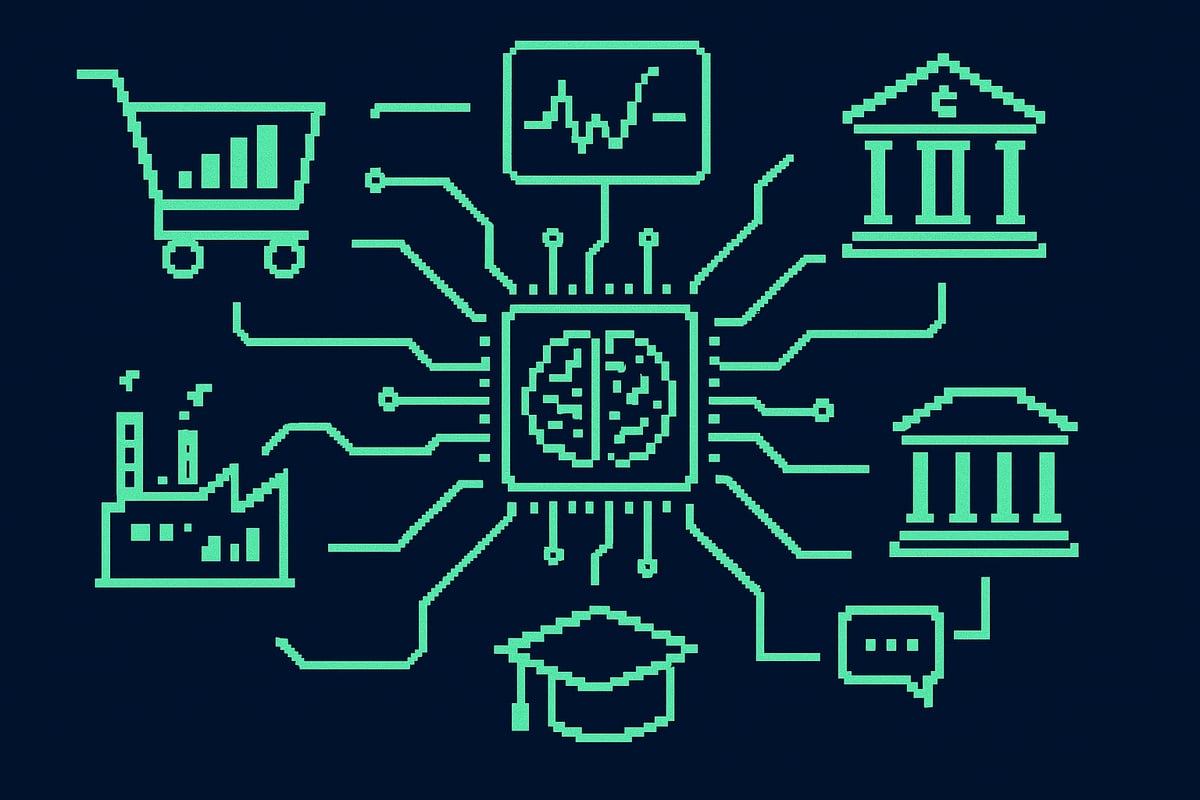
Artificial intelligence and data science are driving transformative change across every major sector in 2026. From powering smarter business decisions to revolutionizing patient care, these technologies have become essential tools for organizations seeking competitive advantage. Let us explore how different industries are harnessing the power of artificial intelligence and data science.
AI and Data Science in Business and E-commerce
In 2026, artificial intelligence and data science are at the heart of business and e-commerce innovation. Companies use advanced recommendation engines to tailor product suggestions, creating highly personalized shopping experiences. Market leaders like Amazon and Netflix leverage these technologies to boost engagement and drive sales.
Dynamic pricing powered by artificial intelligence and data science helps retailers adjust prices in real time based on demand and inventory. Inventory management systems use predictive analytics to optimize stock levels, reducing costs and improving efficiency. Chatbots, now more sophisticated than ever, engage customers, answer questions, and even close sales, leading to significant increases in conversion rates.
- Personalization engines for targeted recommendations
- Automated dynamic pricing for competitiveness
- AI chatbots improving customer engagement
The integration of artificial intelligence and data science in business is reshaping how companies interact with customers and manage operations.
Healthcare and Life Sciences
Healthcare organizations are leveraging artificial intelligence and data science to enhance patient care, accelerate research, and streamline operations. Predictive analytics models analyze vast health records to anticipate patient risks, enabling early intervention and improved outcomes.
AI-assisted drug discovery is shortening development timelines, as algorithms identify promising compounds faster than traditional methods. Genomics research benefits from machine learning, uncovering hidden patterns that inform personalized medicine. Wearable devices equipped with edge AI monitor real-time health metrics, alerting both patients and providers to critical changes.
- Predictive analytics for early diagnosis
- AI in genomics and personalized treatments
- Real-time monitoring via smart devices
Artificial intelligence and data science are making healthcare more proactive, personalized, and efficient.
Finance and Banking
Financial institutions are deeply invested in artificial intelligence and data science to enhance security, automate trading, and make smarter lending decisions. Machine learning models detect fraudulent transactions by analyzing spending patterns and flagging anomalies.
Automated trading systems use artificial intelligence and data science to execute transactions at optimal times, maximizing returns. Credit scoring algorithms assess risk more accurately by factoring in a wider range of data. According to the BlackRock’s AI Market Forecast for 2026, AI is expected to continue dominating financial markets, driving both innovation and new regulatory considerations.
- Fraud detection with real-time analytics
- AI-driven trading and investment platforms
- Enhanced risk assessment and credit scoring
The financial sector relies on artificial intelligence and data science for agility, security, and growth.
Manufacturing and Industrial IoT
Manufacturers are transforming operations with artificial intelligence and data science. Predictive maintenance systems use sensor data and machine learning to anticipate equipment failures before they occur, reducing downtime and repair costs.
Quality control processes are now automated with AI-powered vision systems that detect defects in real time. Supply chains are optimized using data-driven insights, ensuring materials and products flow efficiently from suppliers to customers. Platforms like GE’s Predix leverage artificial intelligence and data science to provide actionable analytics for industrial environments.
- Predictive maintenance to prevent downtime
- Automated quality control with computer vision
- Optimized supply chain management
Artificial intelligence and data science are the backbone of modern, resilient manufacturing.
Education, Government, and Social Impact
Education and public sectors are embracing artificial intelligence and data science to deliver better services and drive social good. Adaptive learning platforms customize educational content to individual student needs, improving learning outcomes and engagement.
Governments deploy AI-driven analytics to enhance public services, from traffic management to emergency response. Smart city initiatives rely on artificial intelligence and data science to optimize resource allocation and infrastructure. In social sciences, data science supports policy analysis and research, helping leaders make informed decisions.
- Adaptive platforms for personalized learning
- AI-powered public service delivery
- Data-driven policy and social research
Artificial intelligence and data science are empowering educators, officials, and researchers to address complex societal challenges.
Ethical, Legal, and Social Implications in 2026
Artificial intelligence and data science are reshaping society, raising profound questions about ethics, legality, and social impact. As these technologies become more integrated into daily life, businesses and individuals must address new responsibilities and challenges. The following sections explore the most critical issues in 2026, equipping readers to navigate the evolving landscape.
AI Ethics and Responsible Innovation
Ethical concerns are central to the development of artificial intelligence and data science. Addressing bias, ensuring fairness, and promoting transparency are now non-negotiable standards. Organizations are adopting frameworks like the IEEE and the EU AI Act to guide responsible innovation.
Explainable AI (XAI) is gaining traction, enabling stakeholders to understand and trust decisions made by algorithms. Ethical guidelines promote the following principles:
- Fairness in automated decisions
- Transparency in AI processes
- Accountability for outcomes
The focus on responsible innovation ensures artificial intelligence and data science drive positive societal change while minimizing risks.
Data Privacy and Security
With artificial intelligence and data science handling massive volumes of personal data, privacy and security are top priorities. Compliance with laws such as GDPR and CCPA is essential for organizations worldwide.
Best practices for data protection include:
- Secure storage with encryption
- Data anonymization techniques
- Strict access controls for sensitive information
Emerging regulations require ongoing vigilance as new threats surface. In 2026, robust privacy frameworks help maintain trust and enable safe adoption of artificial intelligence and data science across industries.
Societal Impact and Workforce Transformation
Artificial intelligence and data science are transforming the workforce, creating both opportunities and disruptions. While automation can displace certain roles, it also generates new jobs and demands novel skills.
Organizations are investing in reskilling and upskilling programs to help employees adapt. Strategies include:
- Continuous learning initiatives
- AI literacy training
- Cross-functional team building
Case studies show that when humans and AI collaborate, productivity and job satisfaction increase. The evolution of artificial intelligence and data science is shaping a more dynamic and resilient workforce.
Navigating AI Governance and Regulation
Navigating the regulatory landscape is a major challenge for organizations leveraging artificial intelligence and data science. In 2026, governments are enacting comprehensive policies to ensure safe, ethical, and scalable AI deployment. The MSI Forum on AI Disruption in 2026 offers valuable perspectives on these trends and the future of AI governance.
Best practices for compliance include:
- Regular AI system audits
- Transparent documentation of data and models
- Proactive engagement with policymakers
As highlighted by recent forecasts, infrastructure bottlenecks and regulatory gaps require coordinated action. Staying informed and adaptable is crucial for thriving in the evolving artificial intelligence and data science environment.
The Future of Artificial Intelligence and Data Science: Opportunities and Challenges
Anticipating the future of artificial intelligence and data science is both exciting and complex. As organizations look ahead to 2026 and beyond, new opportunities are emerging alongside significant challenges. Understanding these trends will help businesses and individuals prepare for the next era of technology-driven transformation.
Emerging Opportunities in 2026 and Beyond
Artificial intelligence and data science are rapidly expanding into new sectors. Agriculture is leveraging AI-powered drones and data platforms for precision farming. The energy industry uses predictive analytics to optimize renewable resources. Entertainment is being transformed by intelligent content generation and personalized experiences.
AI is also playing a crucial role in sustainability. Predictive models help monitor climate patterns, while autonomous systems manage energy grids and reduce waste. Intelligent agents are becoming more prevalent, driving innovation in areas like logistics, smart infrastructure, and environmental monitoring.
Key Challenges and Risks
Even as artificial intelligence and data science unlock unprecedented opportunities, they also introduce complex risks. Data quality remains a critical concern, with model drift threatening the reliability of long-term deployments. Ethical dilemmas, such as bias in algorithms and transparency, continue to require careful oversight.
Security threats are evolving, with adversarial attacks and deepfakes presenting new challenges for organizations. Infrastructure bottlenecks are forecasted as AI adoption grows, demanding scalable solutions and robust planning. For a deeper look at these infrastructure challenges, see the AI-Driven Infrastructure Bottlenecks Forecast.
Preparing for the Next Wave of Innovation
To stay competitive, organizations must embrace agile strategies and foster cross-functional collaboration. Artificial intelligence and data science thrive in environments where research and development are prioritized, and teams adapt quickly to change.
Building diverse teams with both technical and domain expertise is essential. Investing in experimentation, pilot projects, and continuous learning ensures that companies are ready to capitalize on the next wave of breakthroughs. Leaders should encourage a culture where innovation is not just welcomed but expected.
How Businesses and Individuals Can Stay Ahead
Success in artificial intelligence and data science requires ongoing commitment to learning and adaptation. Businesses should leverage industry conferences, academic journals, and online communities to stay informed about the latest trends.
Individuals can pursue certifications, attend workshops, and engage in professional networks to enhance their skills. Embracing a mindset of experimentation and innovation will help both organizations and professionals maintain a strategic advantage as technology continues to evolve.





3 Comments