Top 10 Best SaaS Tools for Small Business in 2026
Small businesses are embracing SaaS solutions at a record pace, with recent studies showing that 78% use cloud-based software and nearly all are projected to adopt it by 2023. Yet, the sheer volume of choices can leave owners feeling overwhelmed by decisions around cost, scalability, and integration.
To cut through the noise, this article spotlights the top 10 best saas tools for small business in 2026, each selected to maximize productivity, streamline operations, and drive sustainable growth. Discover actionable recommendations and insights designed to help you choose the right platforms for your most pressing business needs.
What to Look for in SaaS Tools for Small Business
Choosing the best saas tools for small business can feel overwhelming with so many options available. To make an informed decision, focus on core criteria that ensure lasting value and smooth growth. For a broader perspective on essential solutions, explore this small business tools overview that highlights must-have platforms for SMBs.
Scalability and Flexibility
When selecting the best saas tools for small business, prioritize scalability. Your business may start small, but it needs tools that adapt as you grow. Look for tiered pricing, flexible user limits, and add-on features. Many owners outgrow basic solutions quickly, leading to expensive migrations. In fact, 78% of small businesses say scalability is a top factor in their software choices.
Cost-Effectiveness and Transparent Pricing
Affordability is crucial for the best saas tools for small business. Avoid tools with hidden fees or unclear billing. Compare free versus paid plans, and calculate the total cost of ownership. Some platforms, like Slack and ClickUp, offer robust free tiers for startups, letting you scale features as your needs evolve.
Ease of Implementation and Use
The best saas tools for small business should be intuitive and require minimal onboarding. Easy setup and user-friendly design speed up adoption, helping teams become productive quickly. Tools with strong tutorials and support resources reduce downtime and frustration, leading to faster returns on your investment.
Integration Capabilities
Seamless integration matters when adopting new solutions. The best saas tools for small business connect easily with your existing apps, reducing manual data entry and streamlining workflows. For example, Notta integrates with tools like Google Calendar, Notion, and Salesforce, helping centralize information and automate routine tasks.
Security and Compliance
Data protection is non-negotiable for the best saas tools for small business, especially when handling customer information. Ensure your choices comply with standards like GDPR or SOC 2. Stripe, for example, is PCI compliant, providing peace of mind for secure payment processing and safeguarding sensitive data.
Support and Community
Reliable support and active communities are vital for the best saas tools for small business. Look for responsive customer service, comprehensive help centers, and engaged user forums. Platforms like ProProfs Help Desk stand out by offering multichannel support and a robust knowledge base to resolve issues promptly.
Value for Money and ROI
The best saas tools for small business deliver strong features for their price. Focus on solutions that directly impact operations, like automation tools that cut manual labor. Prioritize must-have functionality over extras to maximize your return on investment and support long-term growth.
Top 10 Best SaaS Tools for Small Business in 2026
The search for the best saas tools for small business can feel overwhelming, especially as the SaaS market grows in both scope and complexity. To help you cut through the noise, we have curated a list of the top 10 platforms that truly empower small business owners in 2026. Each tool is selected for its ability to drive productivity, streamline operations, and deliver measurable value regardless of your industry or team size.
Whether you are looking for automation, collaboration, customer support, or payment solutions, this list will guide you to the right choices. Let us explore each of the best saas tools for small business, their standout features, and what makes them essential for your growth.
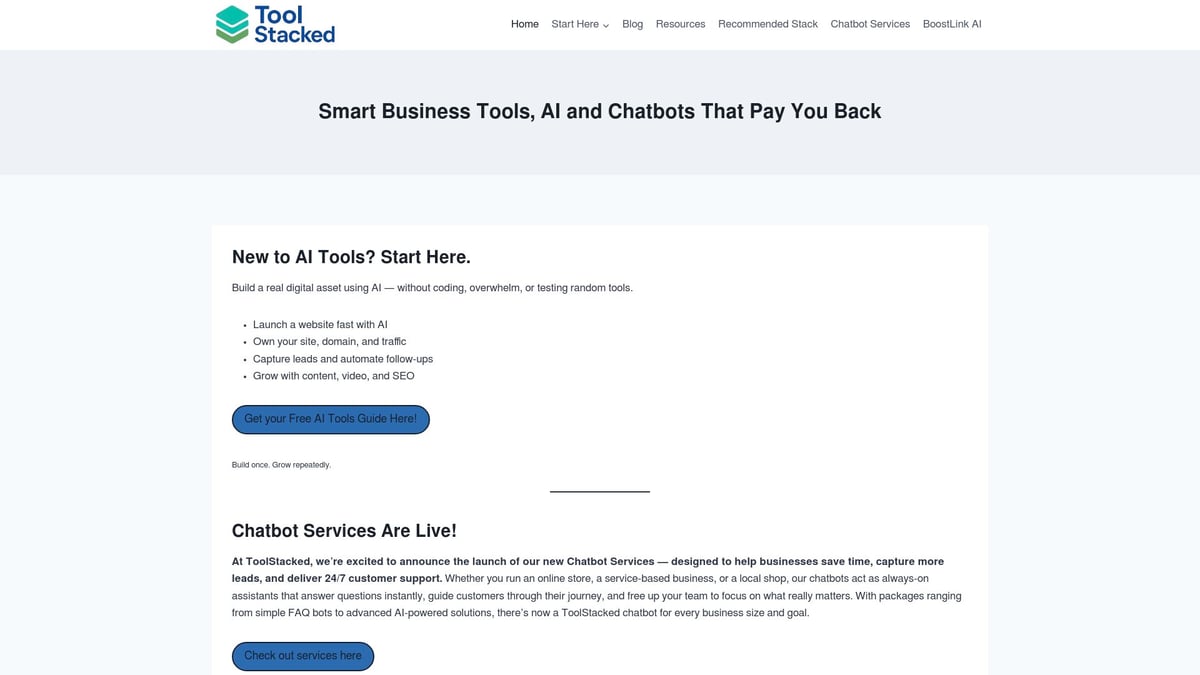
ToolStacked – AI Chatbot & Business Automation Platform
ToolStacked ranks among the best saas tools for small business due to its all-in-one approach to automation and AI-powered customer engagement. With custom pricing packages, it is accessible for businesses of all sizes, and a free AI Tools Guide helps newcomers get started.
Core Features:
- Custom AI chatbots for everything from FAQ to advanced support
- BoostLink AI for optimizing affiliate links
- Curated recommendations for other SaaS tools
- Educational resources on automation and AI
Benefits:
- Automates lead capture and customer support 24/7
- No coding required, making it ideal for tech beginners
- Scalable to accommodate business growth
Ideal For: Entrepreneurs, marketers, small business owners, and anyone seeking to leverage AI without complexity.
Pros: Beginner-friendly, expert curation, seamless automation, proprietary tools.
Cons: Pricing details not disclosed upfront, third-party tool costs may vary.
Unique Selling Point: Combines proprietary automation and expert guidance for rapid business growth. For a broader perspective on AI-powered platforms, see this Best AI tools for business roundup.
ClickUp – All-in-One Project Management
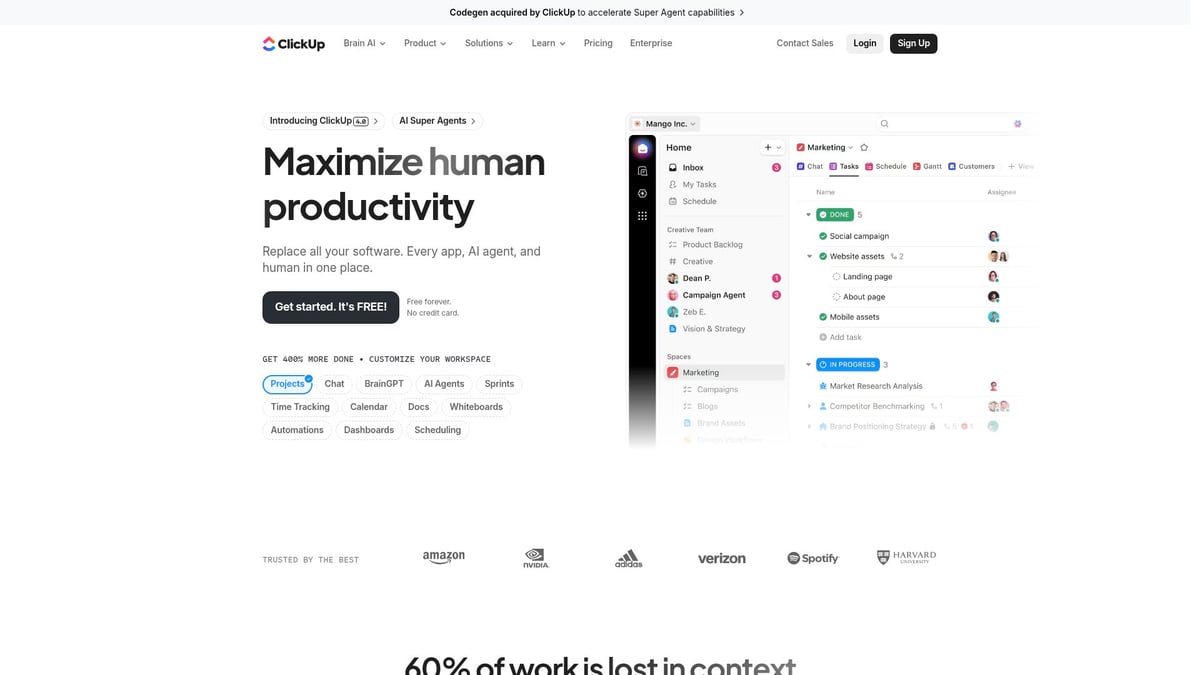
ClickUp consistently appears on lists of the best saas tools for small business thanks to its robust project management capabilities. The free tier is generous, while paid plans start at $10 per user per month.
Core Features:
- Task management and time tracking
- Docs and dashboards
- Custom workflows and 50+ integrations
Benefits:
- Highly customizable to fit any workflow
- Centralizes project tracking and team collaboration
Ideal For: Small teams, remote workers, and businesses juggling multiple projects.
Pros: Extensive customization, scalable for growth, strong free plan.
Cons: May lag with large data sets, mobile app usability can be improved.
Unique Selling Point: Adaptable for any workflow or industry, ClickUp streamlines operations and increases team efficiency—making it a staple among the best saas tools for small business.
Stripe – Payment Processing & Subscription Billing
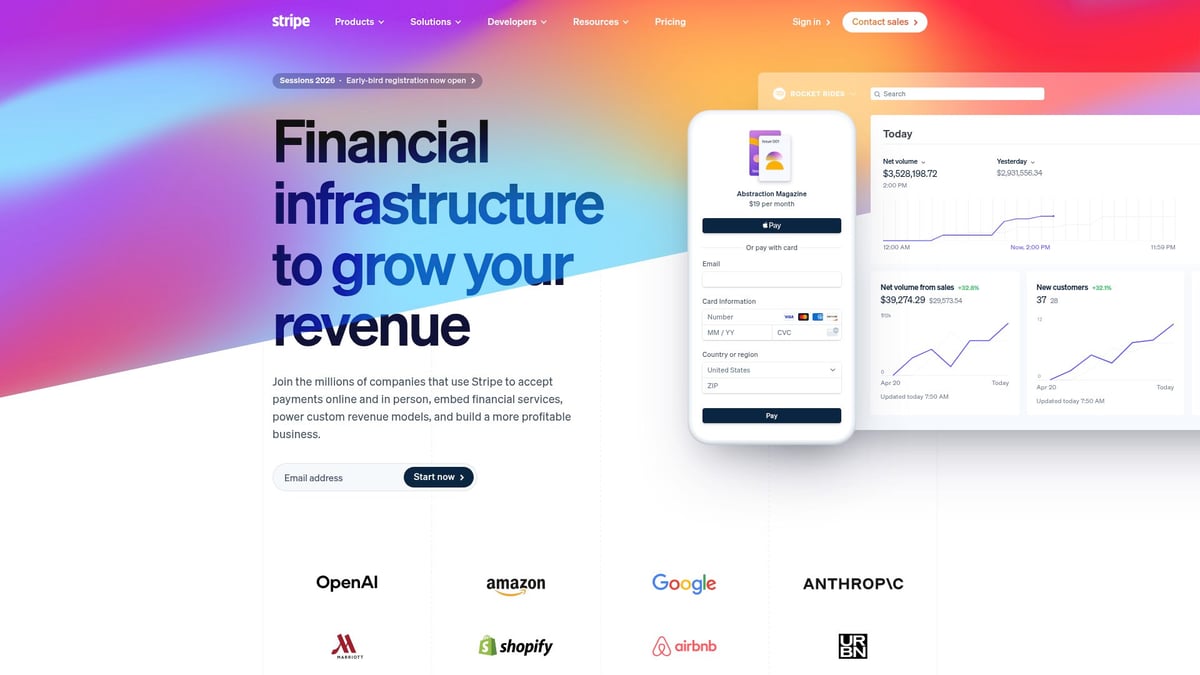
Stripe is a global leader and one of the best saas tools for small business when it comes to payment processing. Its pay-as-you-go pricing model is transparent and suitable for businesses of all sizes.
Core Features:
- Online payments in multiple currencies
- Recurring billing and subscription management
- Fraud prevention and financial reporting
Benefits:
- Secure and scalable for global transactions
- Simplifies subscription billing for SaaS and e-commerce
Ideal For: E-commerce stores, subscription businesses, and any small business accepting payments online.
Pros: Developer-friendly, wide range of payment options, reliable infrastructure.
Cons: Occasional payout delays, integration may require technical knowledge.
Unique Selling Point: Stripe’s industry-leading security and flexibility make it essential for businesses aiming to scale and operate internationally. This platform stands out as one of the best saas tools for small business handling payments.
Slack – Team Communication & Collaboration
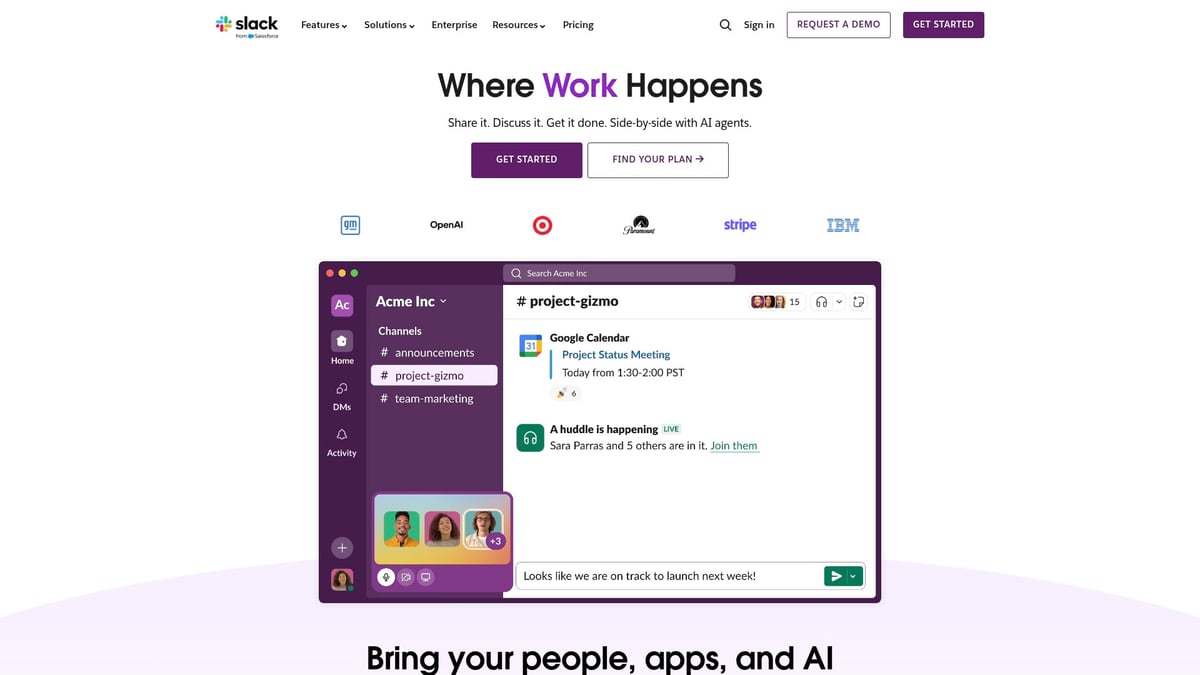
Slack has redefined workplace communication and remains one of the best saas tools for small business teams in 2026. Its free plan is suitable for startups, while paid options offer more advanced features.
Core Features:
- Channels, threads, file sharing
- Voice and video calls
- Over 2,600 app integrations
Benefits:
- Centralizes all team communication
- Supports remote and distributed teams
Ideal For: Distributed teams, project-based groups, and startups looking to improve collaboration.
Pros: Intuitive interface, highly integrative, keeps teams aligned.
Cons: Lacks end-to-end encryption, can lead to notification overload.
Unique Selling Point: As a pioneer in modern team messaging, Slack’s integration capabilities and real-time collaboration features cement its place among the best saas tools for small business.
ProProfs Help Desk – Customer Support Ticketing
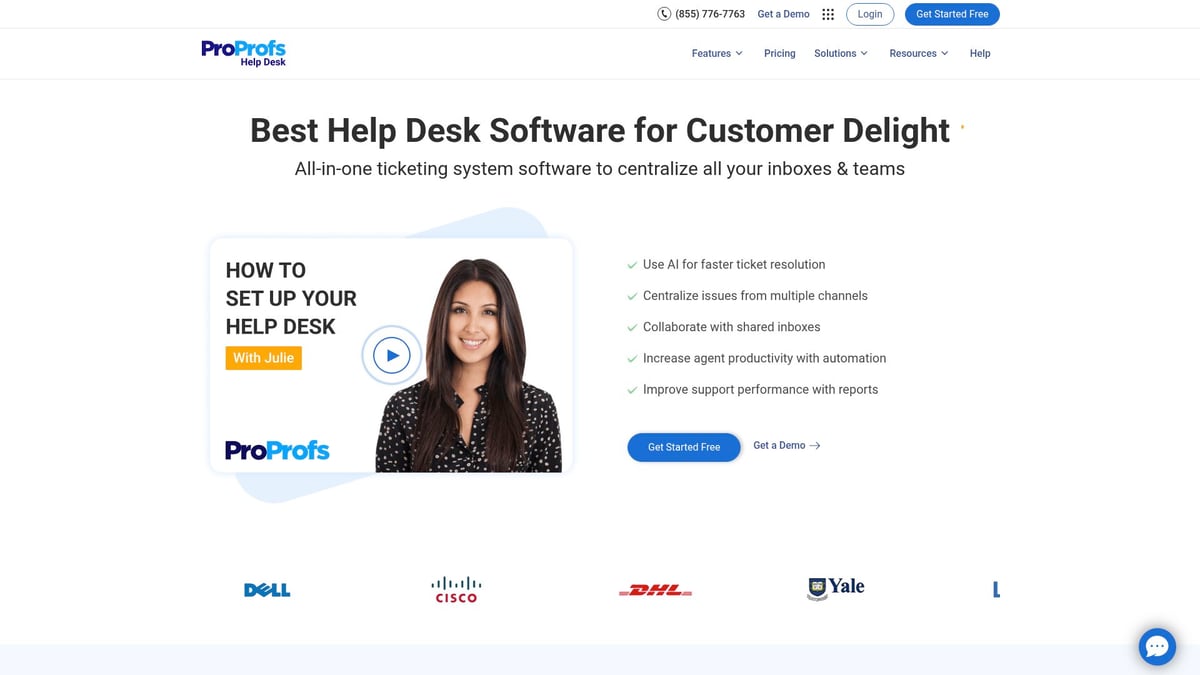
ProProfs Help Desk is designed to simplify customer support and is recognized as one of the best saas tools for small business support teams. The free plan is ideal for solo users, and team plans are competitively priced.
Core Features:
- Automated ticketing and multichannel support
- Built-in knowledge base
- Reporting and analytics
Benefits:
- Streamlines support workflows
- Enables self-service for customers
- Tracks issues for faster resolution
Ideal For: Service providers and small businesses scaling their support operations.
Pros: Easy to set up, knowledge base included, supports multiple channels.
Cons: Limited customization, basic analytics compared to larger platforms.
Unique Selling Point: Affordable and comprehensive, ProProfs Help Desk delivers efficient support without overwhelming small teams, making it a top contender among the best saas tools for small business.
Respona – PR, Outreach & Link Building
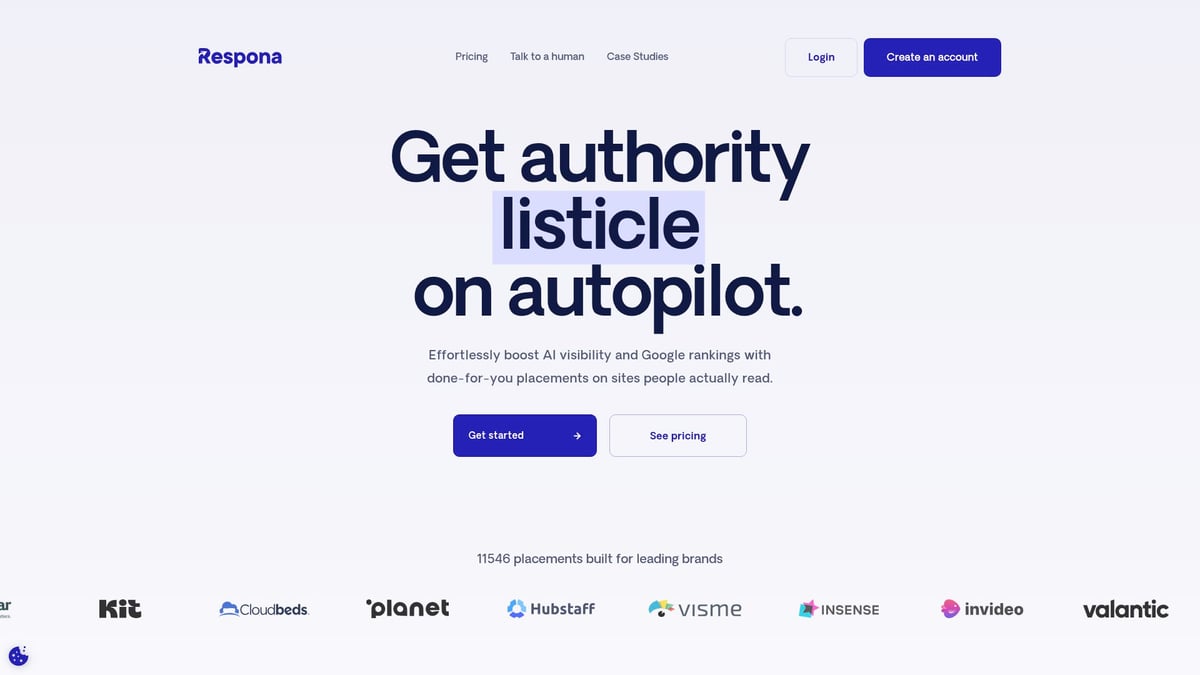
Respona is rapidly gaining traction as one of the best saas tools for small business marketers focused on PR and link building. With advanced automation and a powerful contact database, it saves significant time on outreach.
Core Features:
- Automated outreach and email personalization
- Access to a vast contact database
- Campaign tracking and analytics
Benefits:
- Increases response rates for PR and backlink campaigns
- Monitors campaign effectiveness
Ideal For: Agencies, startups, and marketers seeking media coverage or quality backlinks.
Pros: Powerful search capabilities, detailed analytics, high level of personalization.
Cons: Higher price point, learning curve for beginners.
Unique Selling Point: Respona combines prospecting, outreach, and analytics in a single platform, solidifying its position on any list of the best saas tools for small business PR efforts.
Notta – AI Meeting Transcription & Notes
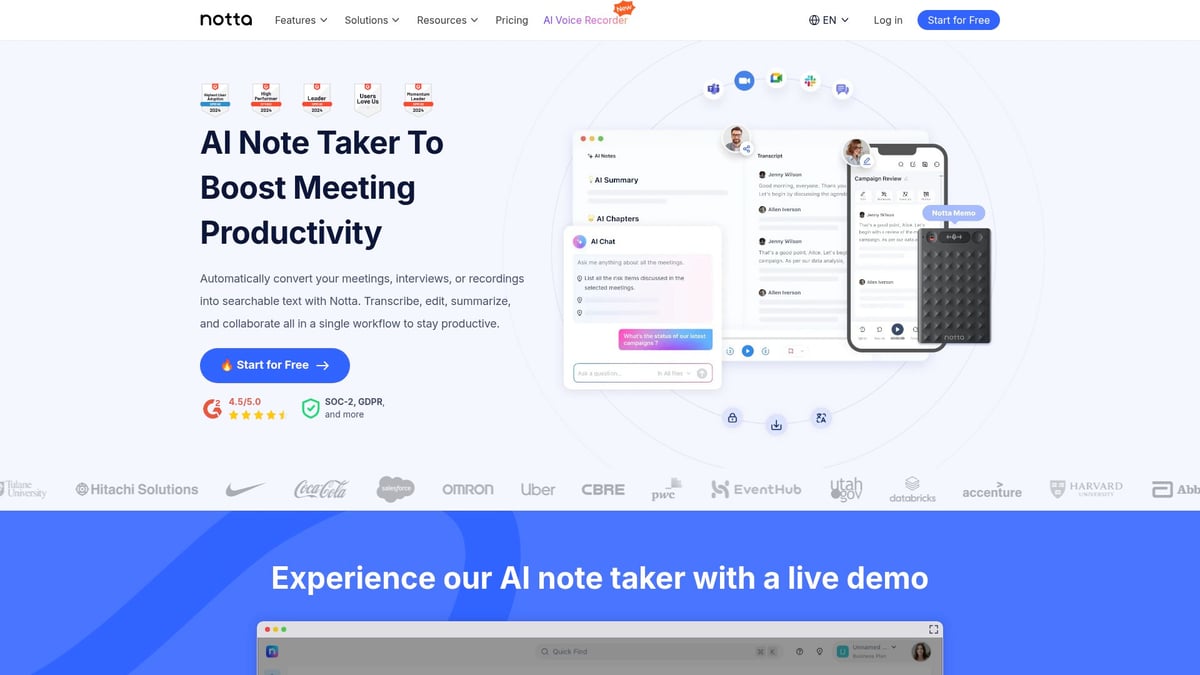
Notta harnesses AI to automate meeting transcription, making it one of the best saas tools for small business teams that rely on effective communication. Both free and paid plans are available, starting affordably.
Core Features:
- Real-time AI transcription and meeting summaries
- Scheduling and calendar integration
- Multi-language support
Benefits:
- Automates note-taking and documentation
- Frees up focus during meetings
- Enables easy sharing and searching of notes
Ideal For: Teams with frequent meetings, consultants, educators.
Pros: Fast, accurate, supports multiple languages, integrates with popular calendars.
Cons: Requires participant consent to record, bot must join meetings.
Unique Selling Point: Notta streamlines meeting documentation using AI, positioning itself among the best saas tools for small business communication and productivity.
HubSpot CRM – Customer Relationship Management
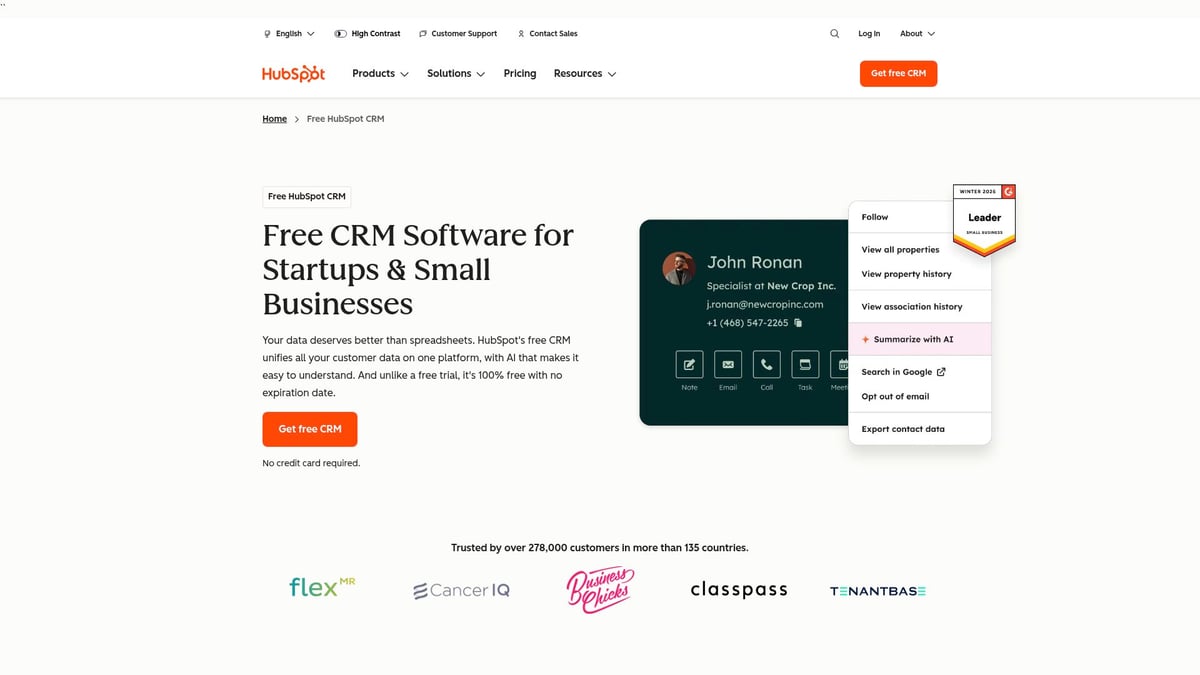
HubSpot CRM offers a robust free plan and is recognized as one of the best saas tools for small business looking to manage customer relationships. Its paid Sales and Marketing Hubs add further capabilities.
Core Features:
- Contact and pipeline management
- Email tracking and marketing automation
- Custom reporting and analytics
Benefits:
- Centralizes all customer data
- Automates follow-ups and marketing campaigns
Ideal For: Sales teams, service businesses, agencies needing CRM functionality.
Pros: User-friendly, integrates with numerous apps, strong free tier.
Cons: Advanced features require paid upgrades, can be complex at scale.
Unique Selling Point: HubSpot’s all-in-one CRM is a powerful entry point for small businesses, making it an obvious choice among the best saas tools for small business customer management.
Canva – Graphic Design & Content Creation
Canva democratizes design, placing it among the best saas tools for small business marketing and branding. Its drag-and-drop interface and vast template library are ideal for non-designers.
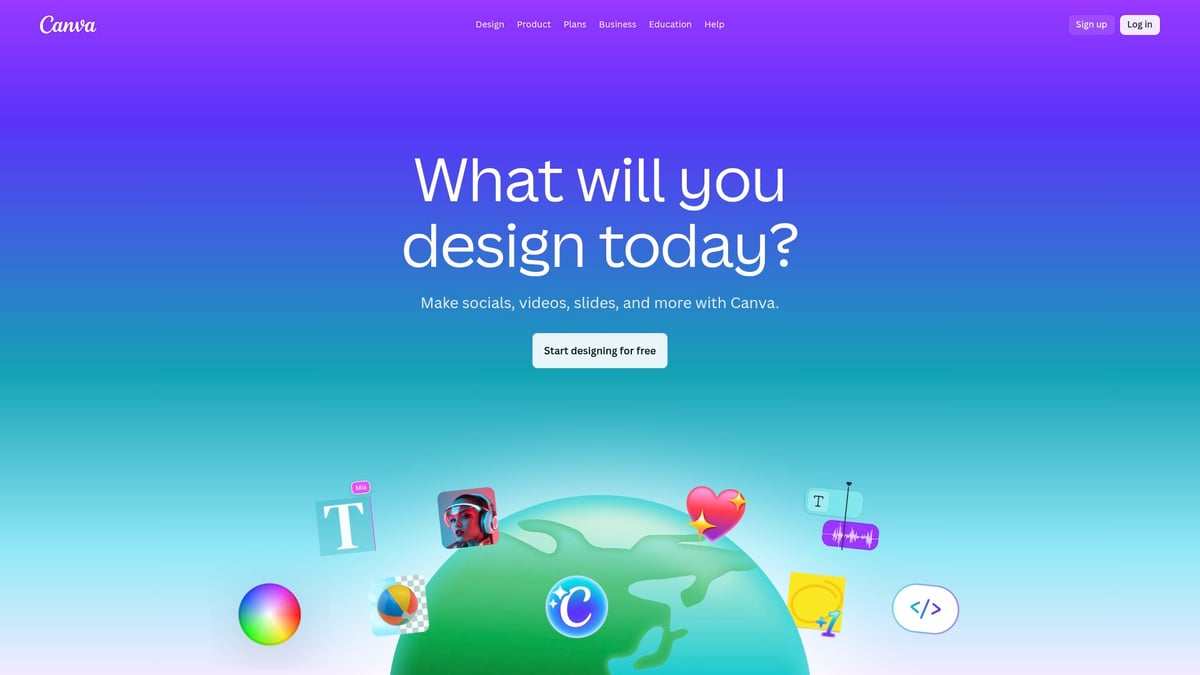
Core Features:
- Drag-and-drop design tools and templates
- AI-assisted features for quick content creation
- Team collaboration and brand kits
Benefits:
- Speeds up content and social media creation
- Ensures consistent branding across materials
Ideal For: Small businesses, marketers, and anyone needing professional designs.
Pros: Intuitive, affordable, massive template library.
Cons: Advanced features require Pro, limited export formats.
Unique Selling Point: Canva enables any small business to produce professional-quality visuals, solidifying its role as one of the best saas tools for small business branding.
Zapier – Workflow Automation
Zapier stands out as a leader among the best saas tools for small business in workflow automation. Its free tier is suitable for basic automation, while paid plans allow for advanced workflows.
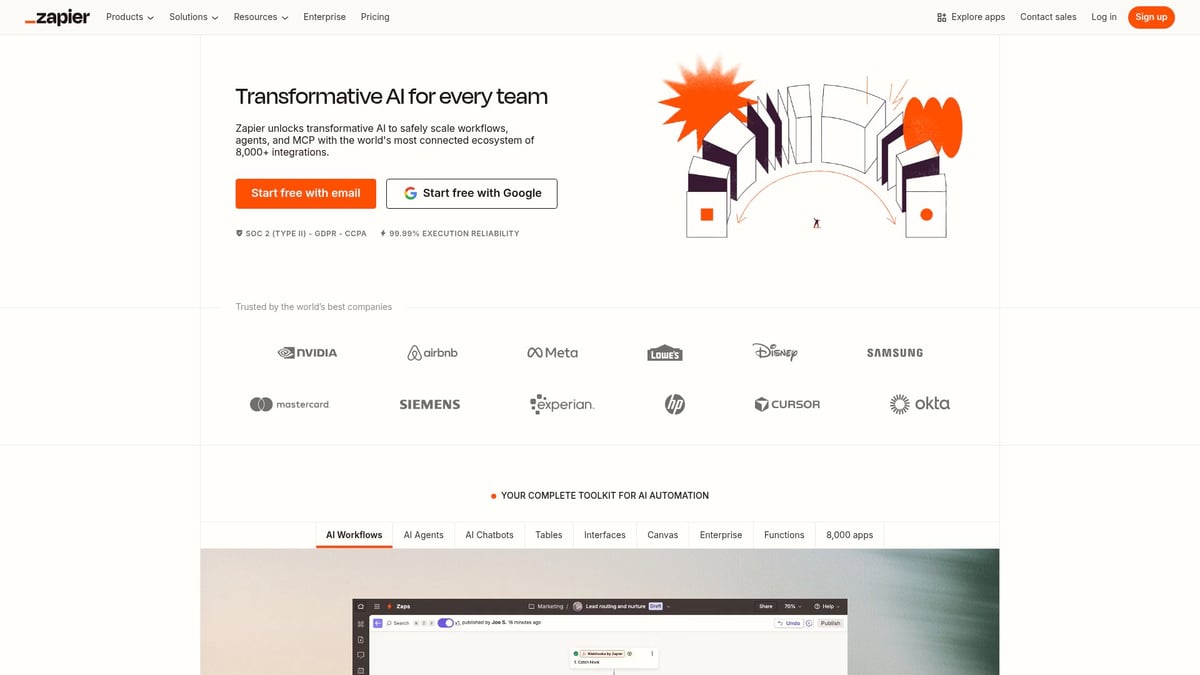
Core Features:
- Connects over 6,000 apps
- Automates repetitive tasks with multi-step workflows
- Supports conditional logic
Benefits:
- Eliminates manual processes
- Integrates disparate tools for seamless workflows
Ideal For: SMBs automating marketing, sales, support, or admin tasks.
Pros: Huge app ecosystem, easy to use, flexible automation.
Cons: Free plan has limits, advanced automation may require some learning.
Unique Selling Point: As the leading no-code automation platform, Zapier is critical for small businesses wanting to maximize efficiency and is a must-have among the best saas tools for small business.
How to Successfully Implement SaaS Tools in Your Small Business
Successfully implementing the best saas tools for small business requires a thoughtful strategy tailored to your team’s unique needs. By following a step-by-step approach, you can maximize productivity, minimize disruption, and achieve a strong return on investment with every SaaS platform you adopt.
Assessing Business Needs and Setting Goals
Begin by identifying your business’s biggest pain points. Gather input from staff to uncover manual tasks, workflow bottlenecks, or missed opportunities. Define clear, measurable objectives for the best saas tools for small business, such as reducing manual data entry by 30 percent or increasing lead conversion rates. This step ensures every tool you select aligns with your company’s actual priorities, not just industry trends.
- Survey your team for feedback
- List current challenges and inefficiencies
- Set SMART goals for SaaS adoption
A structured needs analysis builds a solid foundation for success.
Planning for Onboarding and Training
Once you choose the best saas tools for small business, invest time in onboarding and training. Assign internal champions for each tool, and encourage them to become subject matter experts. Leverage vendor tutorials, webinars, and help centers to accelerate user adoption. Make training accessible and ongoing, so new team members can get up to speed quickly.
- Schedule onboarding sessions
- Use available training materials
- Foster a culture of continuous learning
Well-trained users are more likely to embrace new technology and use it to its full potential.
Integrating Tools into Existing Workflows
Seamless integration is essential for realizing the full benefits of the best saas tools for small business. Map out your current workflows, then identify integration points where SaaS platforms can automate repetitive tasks or connect data across systems. Consider exploring automation tools for business to streamline these processes and eliminate manual work.
- Document key workflow steps
- Identify potential integration gaps
- Use APIs or automation platforms to connect tools
Integrated systems reduce friction and make daily operations smoother.
Monitoring Usage and Measuring ROI
Tracking the impact of the best saas tools for small business is key to ongoing improvement. Set clear KPIs, such as time saved, customer satisfaction scores, or revenue growth. Utilize built-in analytics dashboards to monitor tool usage and measure progress against your goals. Review this data regularly to identify areas for optimization and celebrate early wins.
- Establish performance metrics
- Monitor usage with analytics tools
- Adjust strategies based on data insights
Continuous measurement ensures your investment delivers real value.
Adjusting and Scaling as You Grow
Business needs evolve, so regularly review the effectiveness of your SaaS stack. As your team grows, upgrade plans, add new features, or explore alternative providers to ensure the best fit. Stay informed about product updates and new features that could further streamline your operations.
- Conduct quarterly tool reviews
- Upgrade or switch plans as needed
- Stay updated on industry trends
Adaptability helps you maintain a competitive edge as your business expands.
Ensuring Security and Compliance
Protecting data is non-negotiable when implementing the best saas tools for small business. Review security settings, user permissions, and compliance certifications for each platform. Conduct periodic audits to maintain GDPR, SOC 2, or PCI compliance, especially when handling sensitive customer information.
- Audit user access regularly
- Confirm compliance with regulations
- Stay alert to new security best practices
Prioritizing security and compliance safeguards your business reputation and customer trust.
Trends Shaping the Future of SaaS for Small Business in 2026
Small businesses are entering a new era shaped by rapid SaaS innovation. The best saas tools for small business are evolving to meet changing demands, driven by advancements in AI, tighter security, and seamless integrations. Understanding these trends will help you make informed decisions and stay ahead of the curve.
AI and Automation Integration
Artificial intelligence is transforming the landscape of the best saas tools for small business. AI-powered features now automate repetitive tasks, personalize customer experiences, and generate valuable insights in real time. For example, tools like Notta deliver instant meeting summaries, while ToolStacked offers custom AI chatbots for business automation. According to AI integration in small business operations, 58% of small businesses already use AI to enhance efficiency and reduce costs. Expect even deeper AI integration in the years ahead.
Vertical SaaS and Industry-Specific Solutions
The rise of vertical SaaS platforms is another key trend. These solutions focus on the unique needs of specific industries, such as healthcare, legal, or retail. Instead of generic features, vertical SaaS delivers tailored workflows and compliance tools. This approach enables small businesses to adopt the best saas tools for small business that fit their exact requirements, reducing the need for costly customization or manual work. Industry-specific SaaS will continue to gain traction through 2026.
Enhanced Security and Privacy
Security remains a top priority for small businesses using SaaS. The best saas tools for small business now offer enhanced encryption, advanced threat detection, and compliance with regulations like GDPR and SOC 2. Payment platforms such as Stripe are leading the way with robust fraud prevention and PCI compliance. As cyber threats grow more sophisticated, businesses can expect even stronger security features and privacy controls built into their SaaS tools.
Seamless Integration Ecosystems
Modern small businesses rely on a diverse stack of software. The future of SaaS is all about seamless integration. Open APIs, plug-and-play connectors, and automation platforms like Zapier enable the best saas tools for small business to work together effortlessly. No-code platforms are making integration easier than ever, empowering non-technical users to build custom workflows. Discover how No-code SaaS tools revolutionizing small businesses are changing the game by reducing technical barriers and accelerating digital transformation.
Subscription and Usage-Based Pricing Models
Flexible pricing models are becoming the norm. Subscription and usage-based billing options allow businesses to pay only for what they use. This trend benefits startups and seasonal companies by making the best saas tools for small business more accessible and affordable. Pay-as-you-go plans, like those from Stripe and Zapier, help small teams scale their tech stack without committing to large upfront costs.
Mobile-First and Remote Collaboration
As remote work becomes standard, SaaS providers are prioritizing mobile user experiences. The best saas tools for small business now offer robust mobile apps and features designed for distributed teams. Solutions like Slack and Canva ensure teams can collaborate, create, and communicate from anywhere. Expect continued investment in mobile optimization and remote-friendly features in the coming years.
Data-Driven Decision Making
Built-in analytics and reporting are now essential features. The best saas tools for small business provide real-time dashboards and actionable insights, empowering owners to make data-driven choices. Platforms like HubSpot CRM and ClickUp offer advanced analytics to monitor sales, productivity, and customer engagement. As data becomes central to strategy, expect SaaS tools to deliver even more powerful business intelligence.