
Top 10 Best Tools for Entrepreneurs to Succeed in 2026
Entrepreneurship is evolving at lightning speed, and by 2026, digital innovation will define business success. The best tools for entrepreneurs are no longer optional—they are essential for growth, productivity, and creative breakthroughs. Whether you run a startup or a mature enterprise, the right digital solutions can streamline operations, boost marketing, automate routine tasks, and foster seamless collaboration. In this article, discover the top 10 tools poised to transform your entrepreneurial journey, covering productivity, marketing, automation, finance, and collaboration. Stay ahead of the curve, unlock new possibilities, and equip your business for tomorrow's challenges.
Why Choosing the Right Tools Matters for Entrepreneurs in 2026
Entrepreneurship in 2026 is more dynamic than ever. The landscape is shaped by rapid digital transformation, new regulations, and shifting customer expectations. In this environment, selecting the best tools for entrepreneurs is not just a preference, but a necessity for maintaining a competitive edge and building a resilient business.
The Growing Complexity of Running a Business
Running a business today means managing more moving parts than ever before. Entrepreneurs must oversee marketing, customer engagement, finances, and daily operations, often all at once. According to a 2025 survey, 72% of entrepreneurs reported that "tool overwhelm" is one of their top challenges. As the number of available solutions grows, choosing the best tools for entrepreneurs becomes central to success.
Impact of Technology on Entrepreneurial Success
The integration of AI, automation, and cloud-based platforms has revolutionized how businesses operate. Modern tools now enable solo founders to perform tasks once reserved for large teams. In fact, 85% of high-growth startups attribute their achievements to leveraging the best tools for entrepreneurs and the right tech stack. For those seeking a deeper dive into AI-driven solutions, Best AI Tools for Entrepreneurs explores how artificial intelligence can unlock new growth and automation opportunities.
Cost and Time Efficiency
Efficiency is critical when resources are limited. The best tools for entrepreneurs automate repetitive tasks, streamline workflows, and cut operational costs. For example, automated invoicing solutions can save up to 10 hours per month for each entrepreneur. This time can be reinvested in strategy, innovation, or customer engagement, multiplying the impact of every working hour.
Scalability and Adaptability
Scalability is a defining feature of the best tools for entrepreneurs. As a business grows, its needs evolve, requiring solutions that adapt without major disruptions. Consider the case of a SaaS founder who scaled from one to twenty employees by integrating project management and CRM platforms. These tools supported growth at every stage, ensuring smooth transitions and minimal friction.
Security and Compliance
With data privacy regulations like GDPR and CCPA in effect, security and compliance are non-negotiable. The best tools for entrepreneurs offer robust encryption, regular updates, and clear compliance features. Protecting sensitive customer and business data is essential for building trust and avoiding costly penalties.
The Role of Integration and Ecosystem Compatibility
Seamless integration between tools is vital for efficient workflows. When CRM, marketing, and finance platforms communicate, data accuracy improves and manual work is minimized. For instance, integrating CRM and email marketing platforms can boost conversion rates by 14%. The best tools for entrepreneurs are those that play well with others, forming a cohesive digital ecosystem.
Future-Proofing Your Business
The pace of technological change will only accelerate. Choosing the best tools for entrepreneurs means selecting solutions that offer AI, automation, and frequent updates. Tools with active development communities adapt quickly to market demands, keeping your business relevant and agile. By investing in future-ready platforms, entrepreneurs ensure their operations remain resilient and competitive.
Top 10 Best Tools for Entrepreneurs to Succeed in 2026
Selecting the best tools for entrepreneurs is more crucial than ever in 2026. The right digital toolkit empowers founders to automate, collaborate, and scale efficiently. Below, discover a carefully curated list of the ten best tools for entrepreneurs, each designed to address unique business needs and drive growth.
ToolStacked
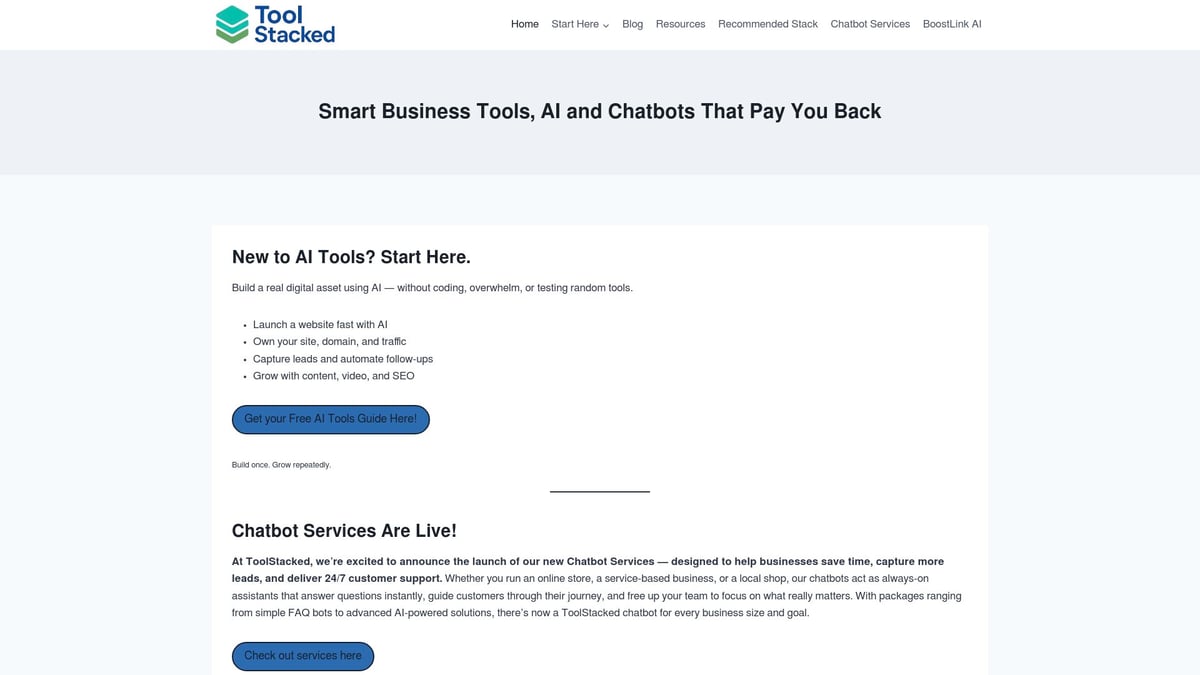
ToolStacked is a standout among the best tools for entrepreneurs, offering an integrated suite of AI-powered solutions tailored for digital growth. Its flexible chatbot packages, free AI Tools Guide, and scalable pricing ensure accessibility for startups and established businesses alike.
Core Features:
- AI chatbots for lead capture, customer support, and affiliate link optimization (BoostLink AI)
- Curated tool reviews and recommendations
- No-code solutions for automation and process improvement
Key Benefits:
Entrepreneurs can automate customer engagement, optimize conversions, and streamline tool discovery. ToolStacked also provides hands-on guidance and 24/7 support, making it one of the best tools for entrepreneurs aiming to maximize productivity.
Target Audience:
- Startup founders
- Small business owners
- Digital creators
- Non-technical users
Pros:
- Personalized recommendations
- Proprietary automation tools
- Educational resources for digital growth
Cons:
- Advanced features require higher-tier packages
Unique Selling Point:
ToolStacked specializes in automation and revenue growth, combining hands-on support with innovative AI. For those interested in deepening their AI strategy, the AI Tools for Startups Guide offers further insights.
Notion
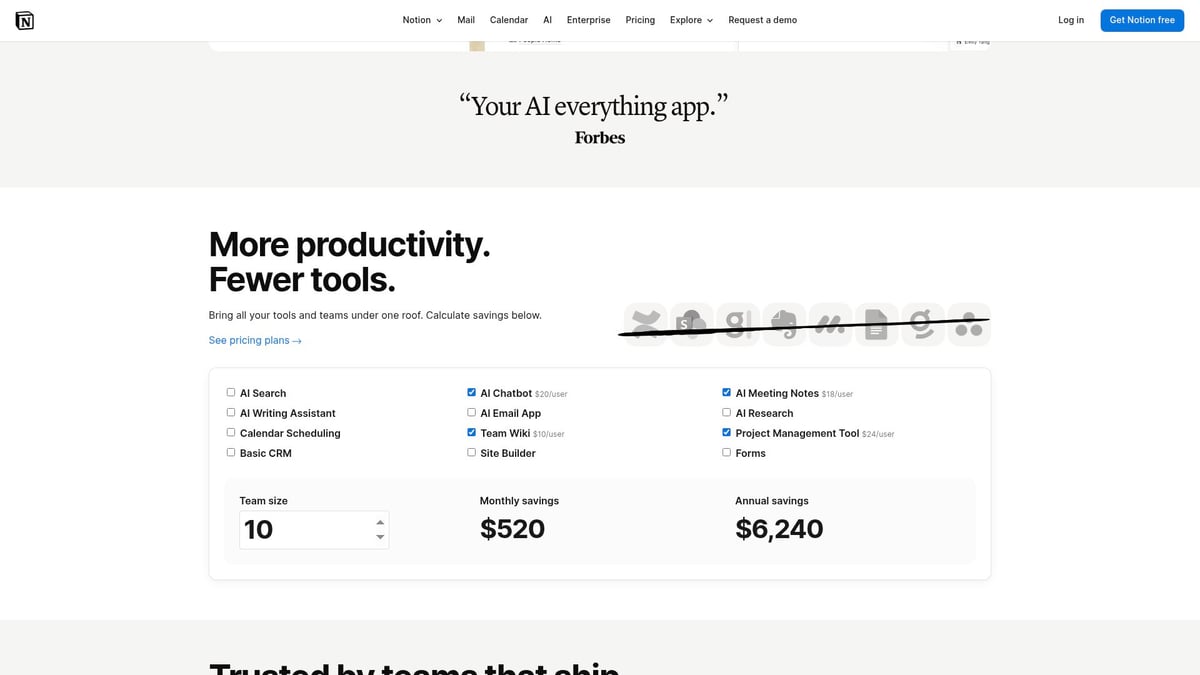
Notion continues to lead as one of the best tools for entrepreneurs seeking an all-in-one workspace. Its modular design centralizes notes, documents, tasks, databases, and collaboration features within a single platform.
Pricing:
- Free for individual use
- Paid team plans available
Core Features:
- Customizable templates for project management
- Real-time collaboration and robust API
- Centralized knowledge base
Key Benefits:
Notion’s flexibility allows entrepreneurs to manage multiple projects, collaborate in real time, and maintain a single source of truth. Its integration capabilities make it one of the best tools for entrepreneurs looking to streamline workflows.
Target Audience:
- Startups
- Solopreneurs
- Project teams
Pros:
- High customizability
- Strong integration ecosystem
Cons:
- Steep learning curve for advanced features
- Mobile app less feature-rich
Unique Selling Point:
Combines docs, tasks, and wikis, making complex knowledge management accessible for any business.
Zapier
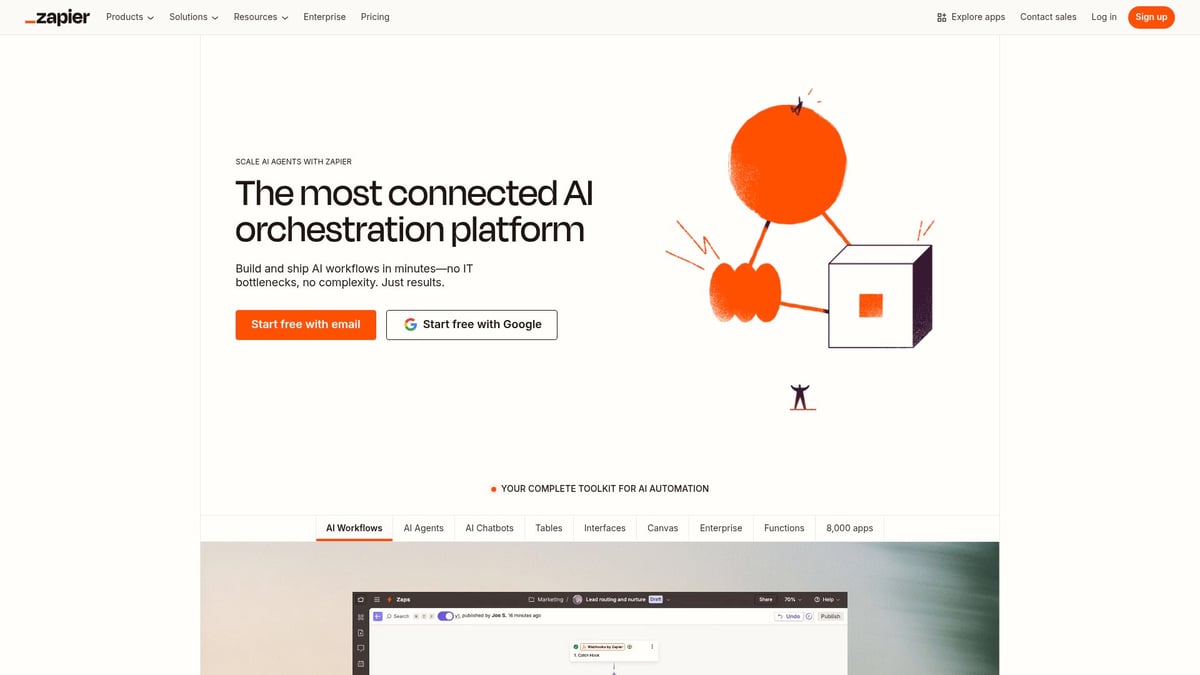
Zapier stands out among the best tools for entrepreneurs who need to automate workflows across multiple platforms. Its no-code interface allows users to connect over 6,000 apps with ease.
Pricing:
- Free plan with limited tasks
- Premium plans scale with usage
Core Features:
- Multi-step automations and conditional logic
- Seamless integration with popular business apps
Key Benefits:
Entrepreneurs can eliminate manual data entry, automate repetitive processes, and boost productivity. Zapier’s automation capabilities free up time for strategic decision-making.
Target Audience:
- Entrepreneurs managing multiple apps
- Marketers
- E-commerce businesses
Pros:
- Easy setup and vast app ecosystem
- Time-saving automations
Cons:
- Advanced automations require premium plans
- Occasional troubleshooting needed
Unique Selling Point:
Empowers non-technical users to build custom automations and optimize operations.
Canva
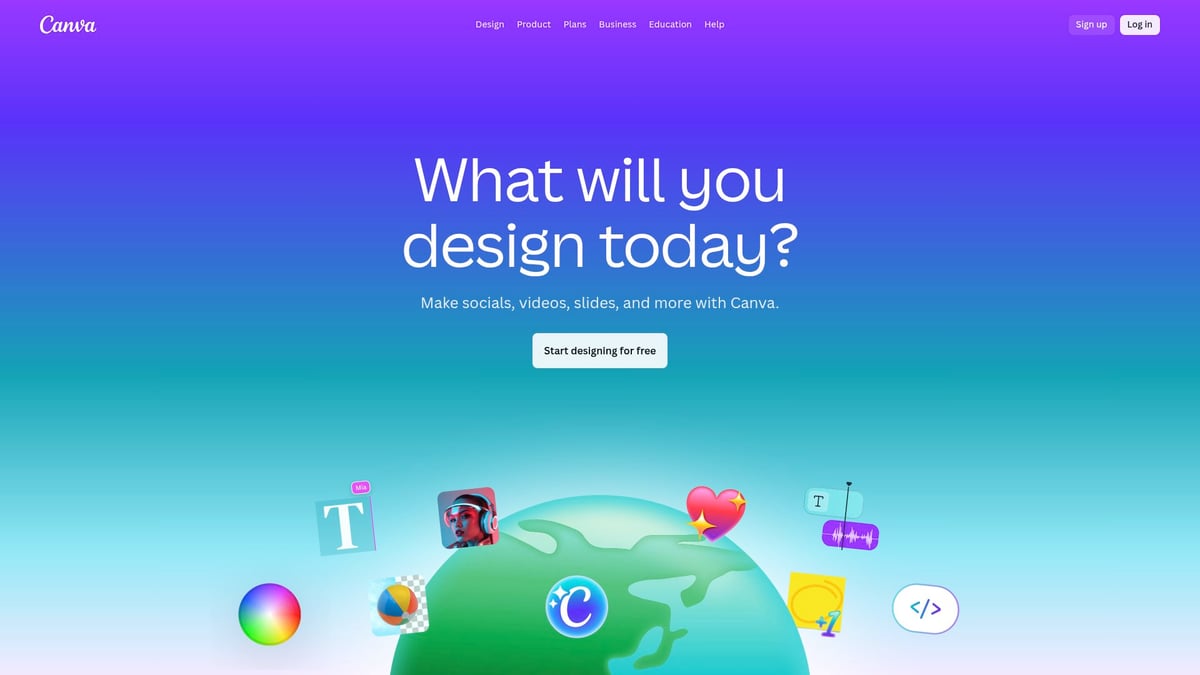
Canva is an essential addition to the best tools for entrepreneurs, democratizing professional design for non-designers. Its intuitive drag-and-drop editor and vast template library make content creation effortless.
Pricing:
- Free with optional Pro plan
Core Features:
- Templates for social media, presentations, and marketing assets
- Brand kits and AI-powered Magic Design
Key Benefits:
Entrepreneurs can create stunning visuals, streamline content production, and maintain brand consistency. Canva’s user-friendly interface ensures rapid onboarding for any team.
Target Audience:
- Small business owners
- Social media managers
- Marketing teams
Pros:
- Collaborative features
- Extensive template library
Cons:
- Some assets require Pro subscription
- Limited vector editing
Unique Selling Point:
Makes design accessible, enabling every entrepreneur to present their brand professionally.
Mailchimp
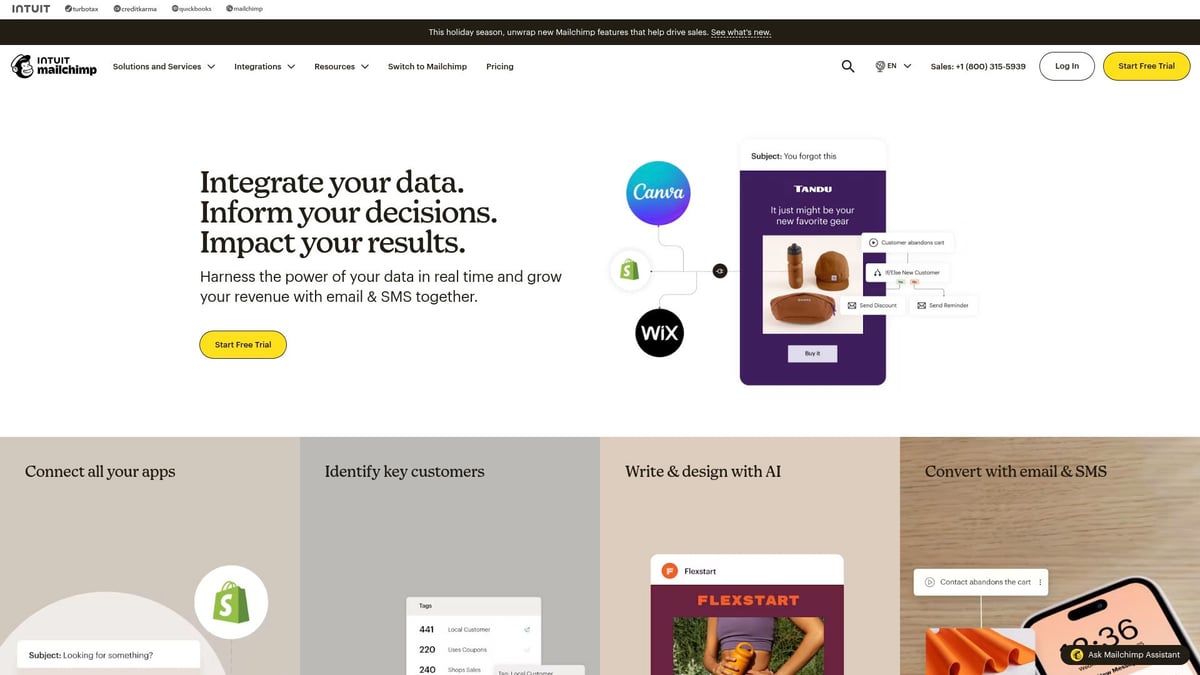
Mailchimp remains a top contender among the best tools for entrepreneurs focused on digital marketing. Its platform combines email marketing, automation, and audience analytics within a single dashboard.
Pricing:
- Free for up to 500 contacts
- Paid plans unlock advanced features
Core Features:
- Email campaigns, landing pages, segmentation
- Automation and analytics dashboards
Key Benefits:
Entrepreneurs can quickly launch campaigns, track performance, and automate customer journeys. Mailchimp’s scalability ensures it grows with your business.
Target Audience:
- Small businesses
- E-commerce stores
- Content creators
Pros:
- Intuitive interface
- Strong integrations
Cons:
- Advanced automation in higher tiers
- Free plan has feature limits
Unique Selling Point:
Offers a full marketing suite for growing businesses, from email to customer insights.
Calendly
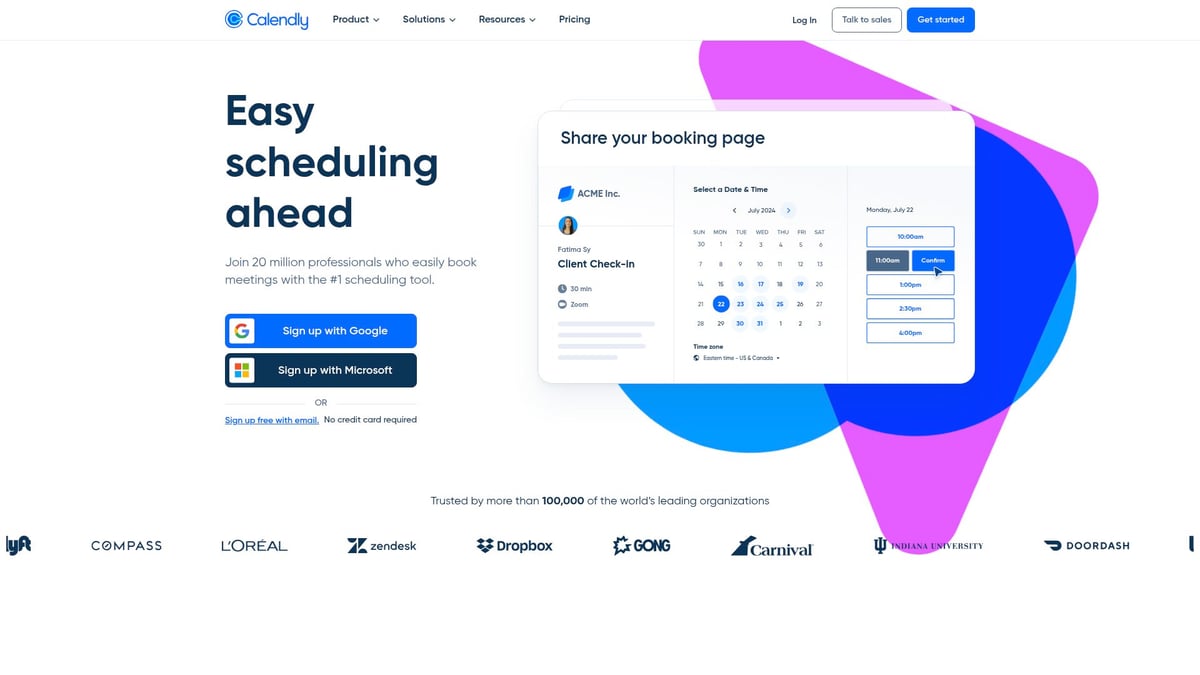
Calendly is a scheduling powerhouse and one of the best tools for entrepreneurs who need to eliminate the hassle of back-and-forth emails. Its automated scheduling system syncs with major calendars and video platforms.
Pricing:
- Free basic plan
- Premium options for teams and integrations
Core Features:
- Automated booking links
- Calendar sync and group event scheduling
Key Benefits:
Entrepreneurs save time, reduce scheduling conflicts, and improve client experience. Calendly’s reminders and time zone detection prevent missed meetings.
Target Audience:
- Consultants
- Service-based businesses
- Teams
Pros:
- Customizable availability
- Simple interface
Cons:
- Group scheduling requires paid plan
- Limited free features
Unique Selling Point:
Streamlines appointment booking, making it easier for entrepreneurs to connect with clients.
Wave
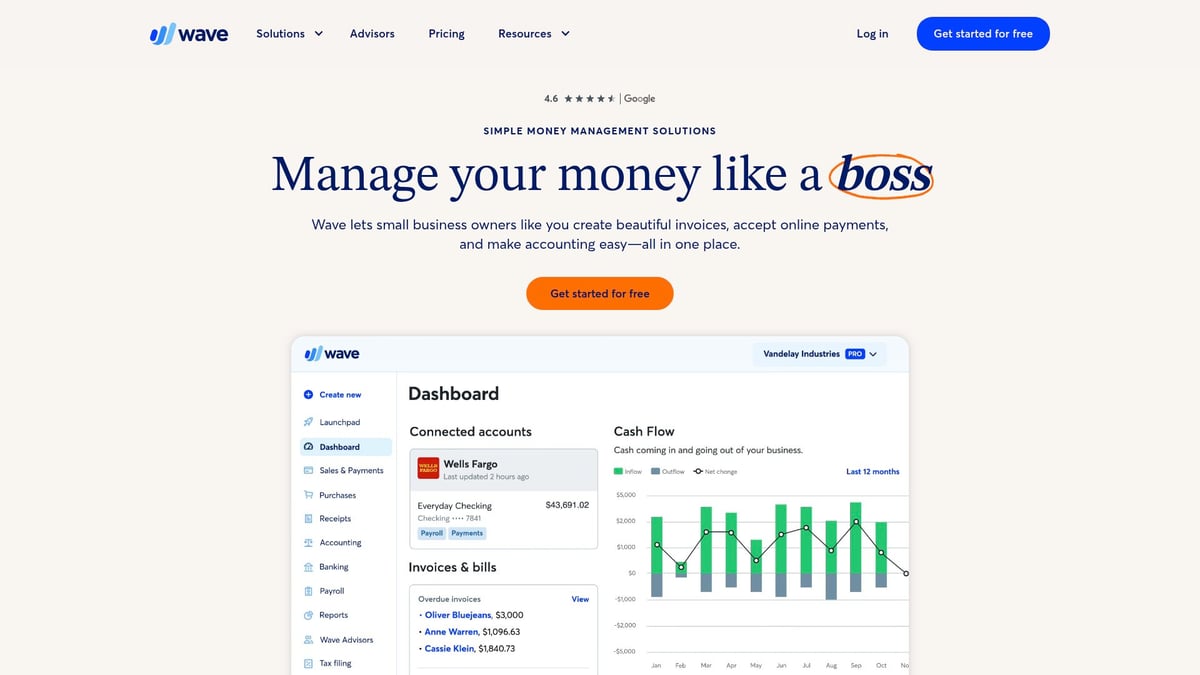
Wave is a leader among the best tools for entrepreneurs managing finances. Its free accounting and invoicing features make it ideal for startups and freelancers looking to control costs.
Pricing:
- Free core features
- Paid payroll and payment processing
Core Features:
- Invoicing, expense tracking, and financial dashboards
- Receipt scanning and tax prep tools
Key Benefits:
Entrepreneurs can simplify bookkeeping, monitor cash flow, and prepare for tax season without extra expense. Wave’s secure cloud storage ensures data privacy.
Target Audience:
- Freelancers
- Solopreneurs
- Small businesses
Pros:
- No-cost accounting
- User-friendly dashboard
Cons:
- Payroll limited by country
- Basic reporting
Unique Selling Point:
Provides comprehensive financial management at no cost for early-stage ventures.
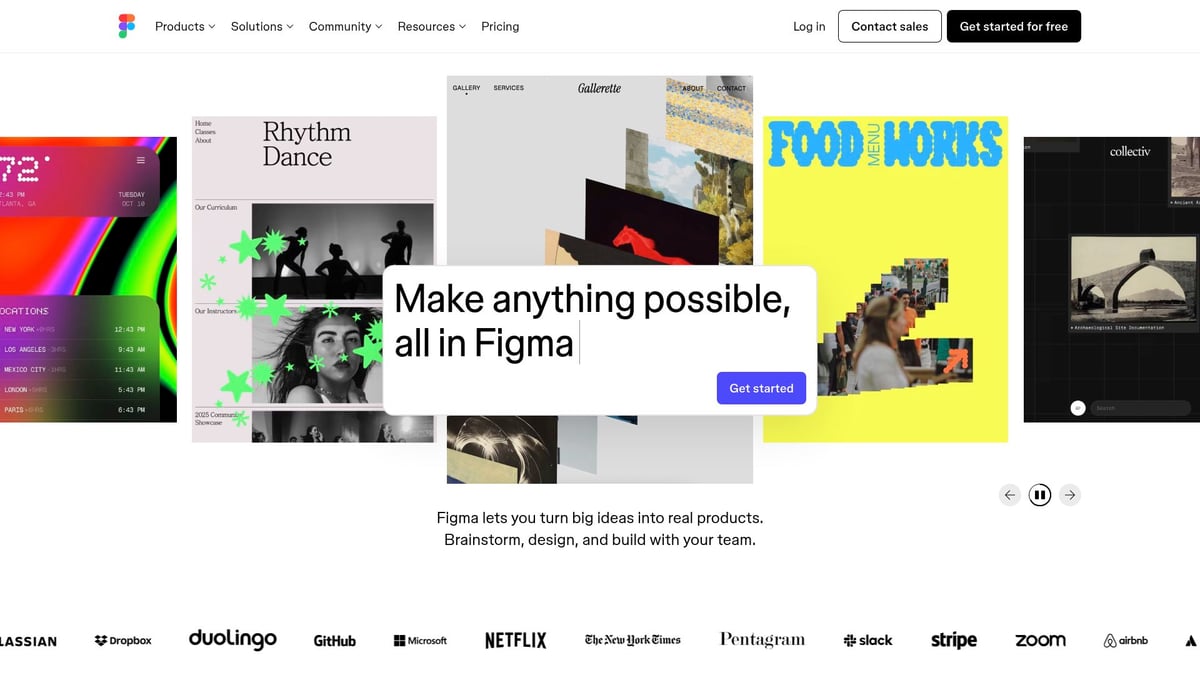
Figma
Figma has redefined collaborative design, making it one of the best tools for entrepreneurs building digital products. Its real-time editing and prototyping features accelerate product development.
Pricing:
- Free starter plan
- Paid options for teams and advanced features
Core Features:
- Collaborative design and prototyping
- Design systems and plugin integrations
Key Benefits:
Teams can co-design, give instant feedback, and iterate quickly. Figma’s cloud-based access supports remote and hybrid work models.
Target Audience:
- Product teams
- SaaS founders
- Design agencies
Pros:
- Live collaboration
- Version control
Cons:
- Offline access limited
- Subscription required for advanced tools
Unique Selling Point:
Enables seamless, real-time design collaboration from anywhere.
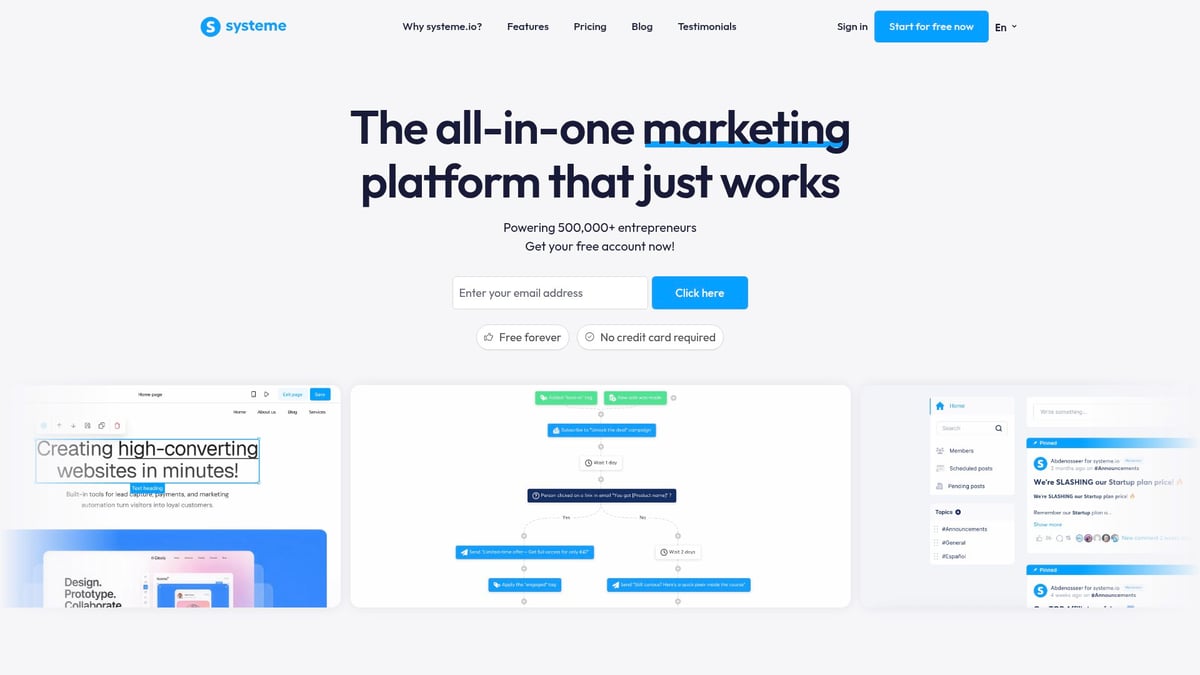
Systeme.io
Systeme.io is a rising star among the best tools for entrepreneurs seeking an all-in-one marketing suite. Its platform centralizes email marketing, sales funnels, and online course creation.
Pricing:
- Free plan
- Paid tiers for more contacts and automation
Core Features:
- Funnel builder, email automation, and online courses
- Affiliate management
Key Benefits:
Entrepreneurs can launch marketing campaigns, build sales funnels, and sell courses—all from one dashboard. Systeme.io’s no-code approach makes it accessible for beginners.
Target Audience:
- Digital marketers
- Coaches
- Affiliate marketers
Pros:
- Affordable
- No coding required
Cons:
- Fewer integrations than larger platforms
- Basic reporting
Unique Selling Point:
Offers robust marketing tools without the complexity or high cost of traditional suites.
Buffer
Buffer is a trusted name in social media management and rounds out the best tools for entrepreneurs by simplifying content scheduling and analytics.
Pricing:
- Free for up to 3 channels
- Paid plans for advanced features
Core Features:
- Social media scheduling and analytics
- Engagement tools and team collaboration
Key Benefits:
Entrepreneurs can plan content, track engagement, and manage multiple accounts from one place. Buffer’s intuitive interface reduces the time spent on social media tasks.
Target Audience:
- Entrepreneurs
- Content creators
- Agencies
Pros:
- Multi-platform support
- Browser extension
Cons:
- Limited features on free plan
- Advanced analytics require paid upgrade
Unique Selling Point:
Reliable, user-friendly platform for managing all your social channels efficiently.
With these best tools for entrepreneurs, you can automate, collaborate, and scale your business for the challenges of 2026. Each tool on this list addresses a core aspect of modern entrepreneurship, from marketing and finance to design and automation. By carefully selecting the best tools for entrepreneurs, you position your business for growth, innovation, and long-term success.
Key Criteria for Evaluating Entrepreneurial Tools
Selecting the best tools for entrepreneurs in 2026 requires a strategic approach. With so many options, it is crucial to weigh specific criteria that drive efficiency, growth, and adaptability. For curated recommendations tailored to your needs, review the Recommended Tool Stack for Entrepreneurs to streamline your selection process.
Usability and Learning Curve
A top priority for evaluating the best tools for entrepreneurs is ease of use. Intuitive interfaces and simple onboarding help busy founders get started quickly. Tools like Canva and Systeme.io offer drag-and-drop builders that minimize setup time and make adoption seamless, even for those without technical backgrounds.
Integration Capabilities
Seamless integration is essential, as the best tools for entrepreneurs should connect effortlessly with existing business apps. Zapier’s vast ecosystem, for example, empowers users to automate workflows between their CRM, email, and invoicing platforms, reducing manual work and improving data accuracy.
Scalability and Flexibility
Entrepreneurs need solutions that can evolve as their businesses grow. The best tools for entrepreneurs are flexible enough to scale from solo use to large teams. Notion and Figma exemplify this, allowing users to add features, integrations, and collaborators without disrupting workflows.
Security, Privacy, and Compliance
Security is non-negotiable. The best tools for entrepreneurs must protect sensitive data and comply with global regulations like GDPR and CCPA. Platforms such as Wave prioritize secure data storage, giving entrepreneurs peace of mind and helping them avoid costly compliance mistakes.
Cost vs. Value
Balancing cost and value is vital when choosing the best tools for entrepreneurs. Many platforms offer free core plans, like Wave and Calendly, which help control startup expenses. Consider upgrading to premium tiers only if the additional features deliver clear returns on investment.
| Tool | Free Plan | Paid Upgrades | ROI Potential |
|---|---|---|---|
| Wave | Yes | Yes | High |
| Calendly | Yes | Yes | Medium |
| Canva | Yes | Yes | High |
Customer Support and Community
Responsive support and active communities enhance the experience with the best tools for entrepreneurs. Access to tutorials, forums, and educational resources, as seen with ToolStacked, empowers users to maximize value and troubleshoot issues quickly.
Regular Updates and Innovation
Choosing tools that receive frequent updates ensures long-term relevance and security. The best tools for entrepreneurs, like Canva, continually introduce new features—such as AI-powered design—to keep pace with evolving business needs.
In summary, evaluating the best tools for entrepreneurs means considering usability, integration, scalability, security, cost, support, and ongoing innovation. These criteria help entrepreneurs build a resilient, future-ready tech stack for 2026 and beyond.
Trends Shaping Entrepreneurial Tools in 2026
Entrepreneurial tools are rapidly evolving, reflecting the shifting demands of the modern business landscape. As we move into 2026, several key trends are redefining how founders select the best tools for entrepreneurs and leverage technology for growth.
Rise of AI and Automation
AI is at the heart of the best tools for entrepreneurs in 2026. Smart automation now powers everything from customer support to content generation, freeing founders to focus on strategy. AI-driven chatbots, predictive analytics, and intelligent scheduling are becoming standard features.
According to AI’s Role in Small Business Growth, businesses using AI and digital tools are seeing record levels of growth and competitiveness.
Remote and Hybrid Collaboration
Remote work has cemented its place, and tools enabling seamless collaboration are vital. Platforms with real-time editing, cloud access, and instant feedback help distributed teams stay connected. Entrepreneurs now expect the ability to brainstorm, share files, and manage projects from anywhere.
Workspaces that prioritize mobile and desktop parity make location irrelevant, supporting both hybrid and fully remote teams.
All-in-One Platforms vs. Specialized Tools
The debate between all-in-one platforms and specialized solutions is more relevant than ever. Many entrepreneurs prefer integrated suites that centralize marketing, sales, and operations. Others seek out best-in-class single-purpose apps for each function.
Ultimately, the best tools for entrepreneurs offer both flexibility and compatibility, allowing businesses to build a tech stack tailored to their unique needs.
Data-Driven Decision Making
Analytics and reporting features have become core requirements in 2026. Entrepreneurs demand actionable insights to track performance, optimize campaigns, and refine operations. Tools that visualize data, automate reporting, and provide benchmarking are highly valued.
Those seeking more in-depth strategies can explore Business Tools and Productivity Insights to stay ahead of the curve.
User Experience and Accessibility
Simple, intuitive interfaces are now expected from the best tools for entrepreneurs. Solutions that reduce learning curves and make onboarding easy gain rapid adoption, especially among non-technical founders.
Accessibility also matters. Tools are increasingly designed for global audiences, supporting multiple languages and ensuring compliance with accessibility standards.
Sustainability and Ethical Tech
Entrepreneurs are prioritizing sustainability and ethical practices when choosing their tech stack. Platforms that use green hosting, promote transparent data use, and deliver on privacy commitments are favored.
This shift reflects a broader desire to align business growth with responsible digital citizenship. As these trends accelerate, ethical considerations will remain central to the evolution of entrepreneurial tools.
How to Build Your Ultimate Entrepreneur Tool Stack for 2026
Building the ultimate stack of the best tools for entrepreneurs is essential for staying competitive in 2026. The right combination of solutions can streamline your operations, save valuable time, and set the foundation for sustainable growth.
Assessing Your Business Needs
Start by mapping out your daily workflows. Identify repetitive tasks, bottlenecks, or areas where manual work slows progress. This clarity helps you focus on the solutions that specifically address your unique challenges and business model.
Prioritizing Integration and Compatibility
Choose the best tools for entrepreneurs that integrate seamlessly with your existing stack. Tools that "talk" to each other make data flow naturally, reducing errors and manual entry. For instance, connecting your CRM, email marketing, and accounting platforms improves efficiency and insight.
Testing and Iterating
Take advantage of free trials and starter plans to test each tool before committing. Compare usability, features, and the impact on your workflow. This "try before you buy" approach ensures you select solutions that truly fit your business needs and culture.
Balancing Free vs. Paid Options
Evaluate where free plans meet your needs and when upgrading unlocks essential features or support. Many platforms offer robust functionality at no cost, but investing in premium tiers can deliver higher ROI as your requirements evolve.
Staying Updated on Trends
Continuously review new offerings and updates in the digital landscape. Following research on the impact of digital capabilities on SME performance highlights how staying digitally fluent elevates revenue and productivity. Subscribe to trusted tool review sites and participate in webinars.
Building for Scale and Adaptability
Opt for solutions that grow with your business. The best tools for entrepreneurs offer flexibility, letting you add users, features, or integrations as you expand. Look for active development and responsive support to stay ahead of market changes.
Leveraging Community and Support Resources
Engage with user communities, attend live Q&As, and utilize support channels. These resources provide practical tips, troubleshooting help, and inspiration for maximizing your tool stack's value.