9 Essential Chatbot Builders for Websites to Try in 2026
AI-powered chatbots are rapidly transforming how websites engage visitors in 2026. Businesses now rely on chatbot builders for websites to automate support, capture leads, and deliver seamless user experiences around the clock. In this article, you will discover an in-depth review of the 9 essential chatbot builders for websites to try this year. We will compare pricing, features, use cases, and offer guidance to help you select the ideal solution. Ready to boost your website automation and customer engagement? Explore our top recommendations below.
Why Chatbot Builders Are Essential for Modern Websites
The digital landscape is transforming fast, and chatbot builders for websites are now at the heart of this evolution. Businesses in every sector are seeking ways to deliver instant, personalized support around the clock. The demand for seamless, automated engagement is stronger than ever, pushing organizations to rethink how they connect with customers online.
The Shift Toward Automation in Customer Engagement
Today’s consumers expect fast, accurate responses at any hour. Chatbot builders for websites empower companies to deliver on these expectations with automated support that never sleeps. According to Gartner, over 80% of businesses are projected to deploy chatbots by 2026, reflecting the shift toward digital-first engagement.
Automated chatbots can handle thousands of interactions simultaneously, reducing staffing needs and operational costs. This enables brands to scale customer service without sacrificing quality. With chatbot builders for websites, even small teams can provide enterprise-level responsiveness, building trust and loyalty in a competitive market.
Key Benefits of Chatbot Builders for Websites
The core advantage of chatbot builders for websites lies in their ability to streamline and personalize interactions. Key benefits include:
- Automated lead capture and qualification
- 24/7 answers to frequently asked questions
- Personalized product recommendations based on user data
A recent IBM study found that chatbot-driven interactions can boost conversion rates by up to 30%. By quickly resolving queries, chatbot builders for websites also enhance customer satisfaction and encourage repeat visits.
| Benefit | Impact |
|---|---|
| Lead Generation | Higher quality leads, faster response times |
| Automated FAQs | Reduced support tickets, improved efficiency |
| Personalization | Increased engagement, tailored user experience |
Use Cases Across Industries
Chatbot builders for websites have become essential across diverse industries. In e-commerce, they recover abandoned carts and suggest products in real time. SaaS companies use them for onboarding, troubleshooting, and educating new users. Service businesses rely on chatbots for appointment booking and client intake.
By adapting to each sector’s needs, chatbot builders for websites enable organizations to deliver value at every stage of the customer journey. For example, a healthcare provider can automate patient intake, while a retailer can offer instant product recommendations.
Trends Shaping Chatbot Technology in 2026
Rapid advancements in AI and natural language processing are fueling a new generation of chatbot builders for websites. These tools now offer human-like conversations, multilingual support, and seamless integration across channels. Visual builders and no-code platforms are making chatbot creation accessible to non-developers, opening the door for more businesses to innovate.
For readers interested in the technology behind this shift, our Conversational AI explained guide explores how advanced AI powers modern chatbot builders for websites. Omnichannel deployment and smart analytics are also trends shaping how brands engage their audiences in 2026.
Challenges and Considerations
Despite their benefits, chatbot builders for websites present unique challenges. Striking a balance between automation and the human touch is vital for meaningful interactions. Data privacy and compliance with evolving regulations must be prioritized, especially as chatbots handle sensitive information.
Integrating chatbot builders for websites with existing tools, such as CRM systems, can require careful planning. Businesses should also ensure their solutions are secure, scalable, and adaptable to future needs. By addressing these considerations, organizations can fully leverage the potential of chatbot technology.
9 Essential Chatbot Builders for Websites to Try in 2026
Choosing the right chatbot builders for websites in 2026 can redefine your digital strategy. Below, you'll find a detailed comparison of nine standout solutions, each offering unique value for businesses aiming to automate support, capture leads, and elevate user experiences.
ToolStacked Chatbot Services
ToolStacked Chatbot Services sets itself apart in the crowded landscape of chatbot builders for websites by offering custom, hands-on solutions. Their approach appeals to businesses seeking not just a tool, but an expert partner for chatbot deployment.
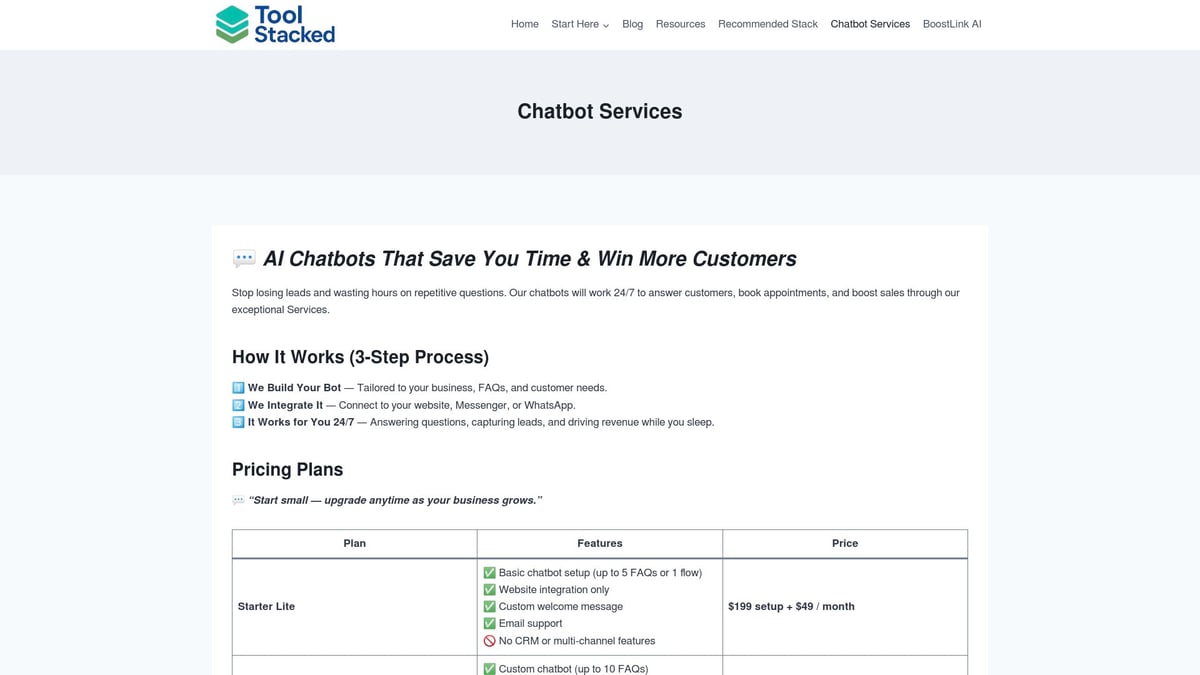
Pricing: Packages are custom, scaling from small businesses to enterprise needs. Details are provided upon inquiry, ensuring tailored value.
Core Features:
- No-code chatbot builder for websites
- AI-driven conversations and advanced FAQ bots
- Integrations with top platforms (Shopify, WordPress, CRM tools)
- 24/7 support and ongoing optimization
Unique Selling Points:
- Personalized onboarding and setup
- Conversion-focused design with curated tool recommendations
- Educational resources to empower non-technical users
Ideal Use Cases: Entrepreneurs and agencies wanting a turnkey chatbot solution, e-commerce stores needing custom flows, or non-tech owners looking for reliable support.
| Pros | Cons |
|---|---|
| Beginner-friendly, fully managed | Pricing not public, requires consultation |
| Ongoing expert support | Custom solutions may take extra time |
If you want a tailored experience with expert input, AI chatbot services for websites like ToolStacked’s offer a compelling advantage for modern businesses.
ManyChat
ManyChat remains a leader among chatbot builders for websites, especially for brands focused on social channels and rapid deployment.
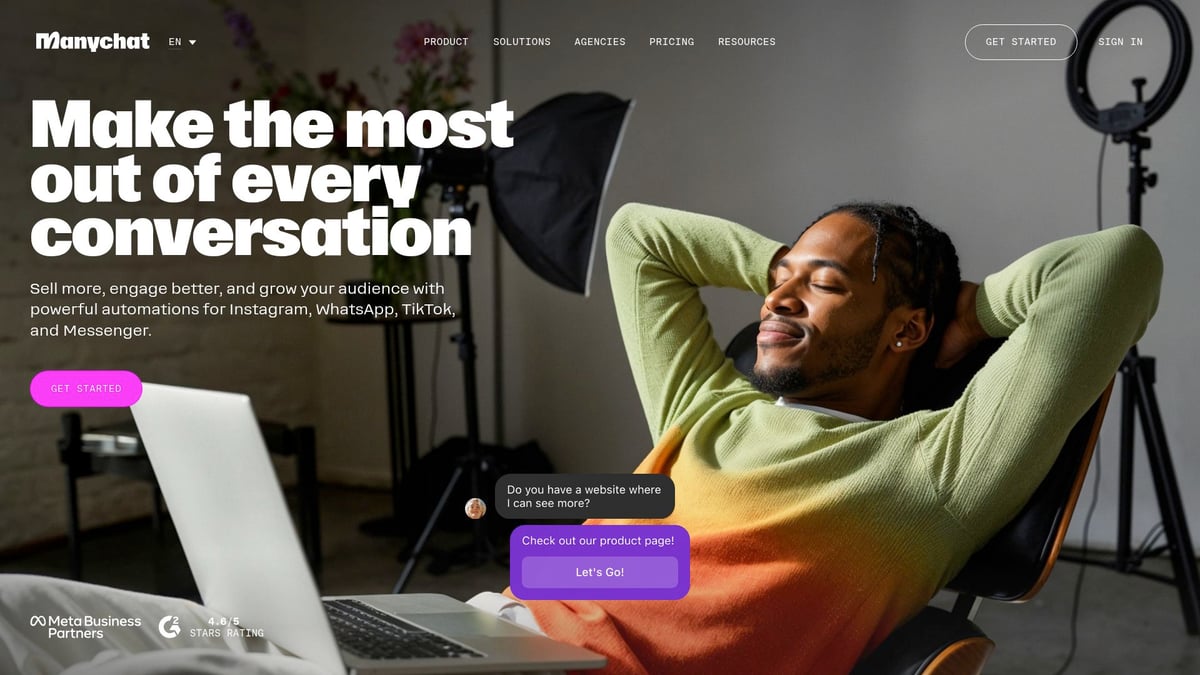
Pricing: Free plan available; Pro starts at $15/month, offering scalable value as you grow.
Key Features:
- Visual flow builder for intuitive automation
- Omnichannel support (Facebook Messenger, Instagram, WhatsApp, SMS)
- E-commerce integrations
Benefits:
- Fast setup, robust template library
- Supports businesses of any size
Target Audience: Marketers, e-commerce brands, agencies leveraging social media.
Pros:
- Intuitive drag-and-drop interface
- Extensive third-party integrations
Cons:
- Advanced automation requires learning curve
- Some features locked behind paid tiers
ManyChat’s chatbot builders for websites are ideal for those who prioritize social engagement and need scalable automation.
Landbot
Landbot brings interactive, conversation-driven interfaces to chatbot builders for websites, making it a favorite for lead generation and user engagement.
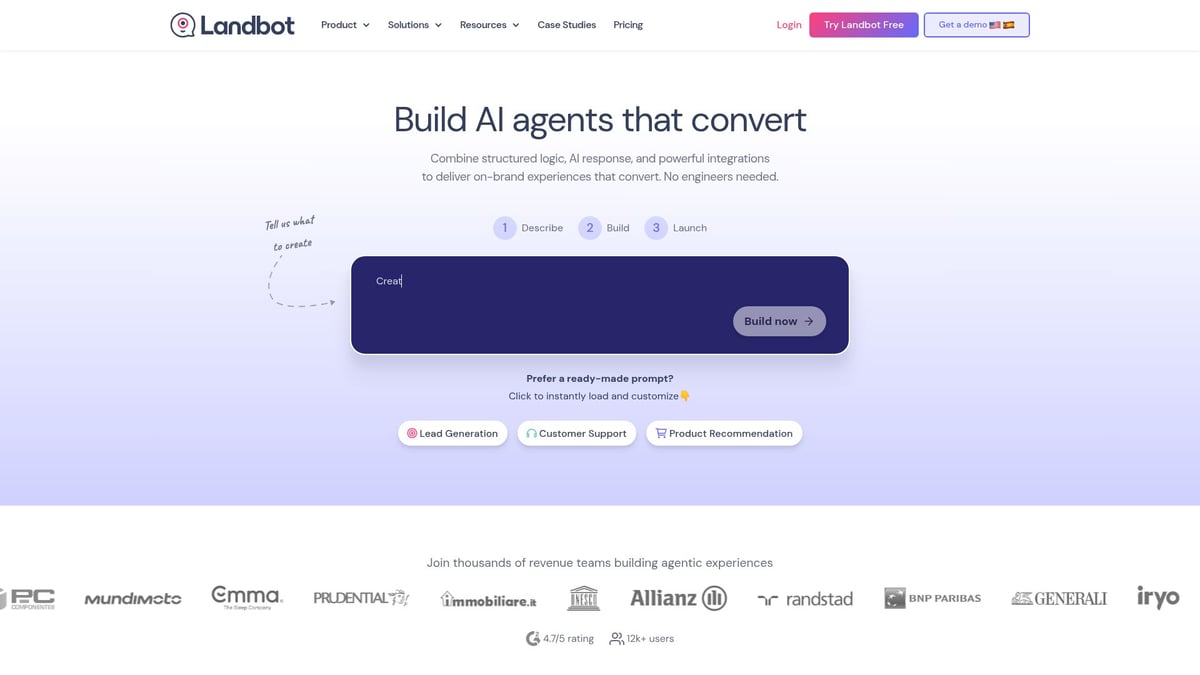
Pricing: Free basic plan; paid options start at $40/month.
Features:
- Drag-and-drop builder, no coding required
- Conversational forms and multi-channel deployment (web, WhatsApp)
- Advanced analytics
Unique Points:
- Highly customizable UI
- Flexible design for branding needs
Target Users: SMEs, agencies, lead generation teams.
Pros:
- User-friendly, even for beginners
- Deep analytics for optimization
Cons:
- Premium features can be costly
- AI capabilities are more limited than some competitors
Landbot is a top choice for businesses seeking visually engaging chatbot builders for websites that drive conversions.
Tidio
Tidio stands out among chatbot builders for websites by blending live chat with AI-driven automation, making real-time customer engagement seamless.
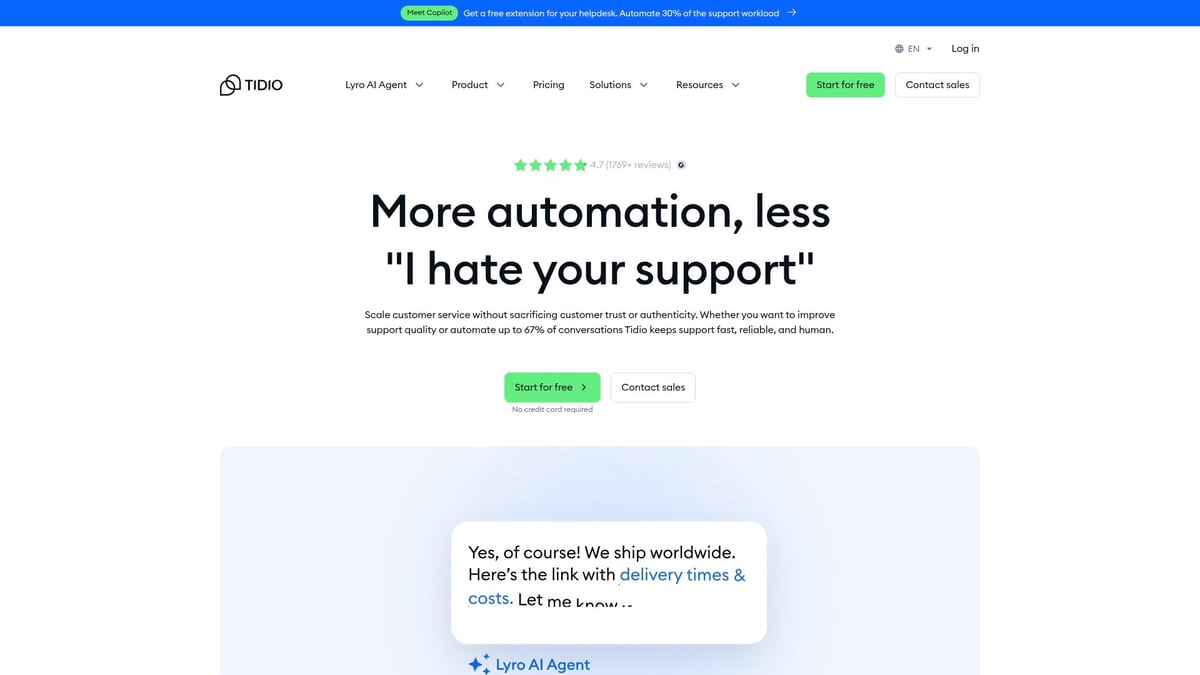
Pricing: Free tier available; paid plans from $29/month.
Key Features:
- Live chat and chatbot hybrid
- AI-powered responses with multilingual support
- Integrations with Shopify, WordPress, and more
Benefits:
- Pre-built chatbot templates
- Mobile app for support on the go
Ideal For: E-commerce, small businesses, customer service teams.
Pros:
- Easy and fast to set up
- Strong e-commerce integrations
Cons:
- Free plan has limited customization
- Advanced AI features require upgrades
Tidio’s chatbot builders for websites let you automate support while keeping a human touch, perfect for growing online businesses.
Chatfuel
Chatfuel is a robust contender for enterprises and agencies looking for scalable chatbot builders for websites.

Pricing: Free plan; Pro plans start at $15/month.
Features:
- No-code builder with AI/NLP capabilities
- Integration with Messenger, WhatsApp, and websites
- Automation for FAQs and sales
Key Benefits:
- Fast setup even for large audiences
- Detailed analytics and reporting
Ideal For: Enterprises, agencies, influencers managing large-scale interactions.
Pros:
- Scalable for high traffic
- Easy to use and manage
Cons:
- Some integrations require higher-tier plans
- Customization on the basic plan is limited
Chatfuel’s chatbot builders for websites are built for scale, making them a go-to for brands with big audiences.
Intercom
Intercom is a premium solution among chatbot builders for websites, focusing on deep customer engagement and data-driven interactions.
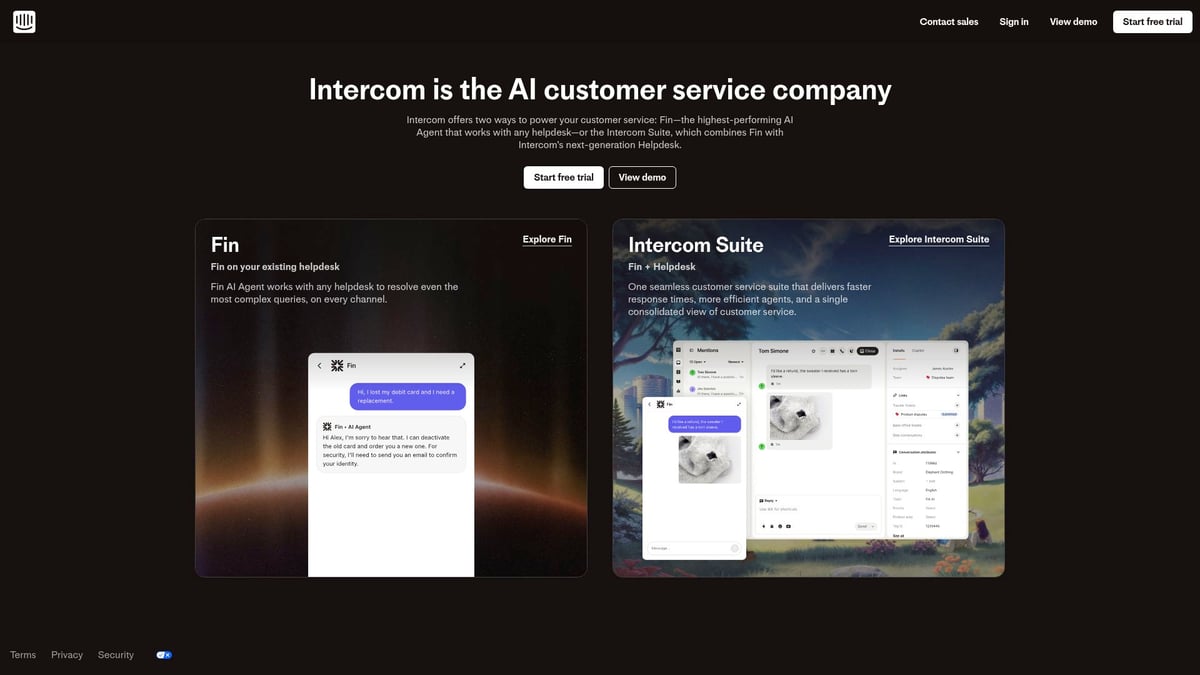
Pricing: Starter plan begins at $74/month.
Features:
- AI chatbot, live chat, and customer data platform
- Automated workflows and personalized messaging
- Advanced targeting and analytics
Unique Selling Points:
- Seamless CRM integration
- High customization for messaging and workflows
Ideal For: SaaS, tech companies, and customer support teams.
Pros:
- Comprehensive communication suite
- Robust analytics and segmentation
Cons:
- Higher price point may deter small businesses
- Can be complex to implement
Intercom’s chatbot builders for websites are best for organizations needing advanced targeting and sophisticated workflows.
Drift
Drift excels at conversational marketing, placing it among the most advanced chatbot builders for websites targeting B2B and enterprise sales.
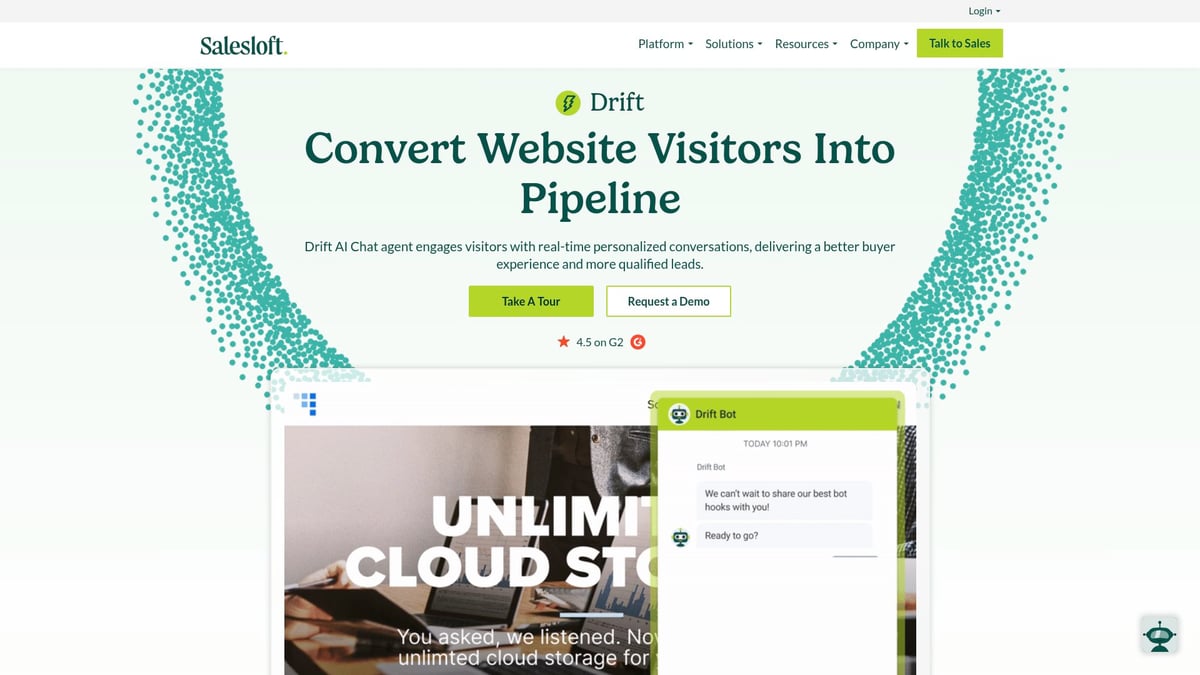
Pricing: Custom, with entry-level plans starting around $2,500/year.
Features:
- AI-driven lead qualification and real-time routing
- Conversational marketing bots
- Advanced reporting and analytics
Benefits:
- Accelerates sales cycles through instant engagement
- Personalized buyer journeys
Target Users: B2B, SaaS, and enterprise sales teams.
Pros:
- Powerful for lead generation
- Integrates with major sales and marketing platforms
Cons:
- Pricing is high for small businesses
- May require onboarding and training
Drift’s chatbot builders for websites are designed for those who want to turn conversations into conversions at scale.
Botsify
Botsify delivers flexibility and multi-channel support, making it a versatile option among chatbot builders for websites.
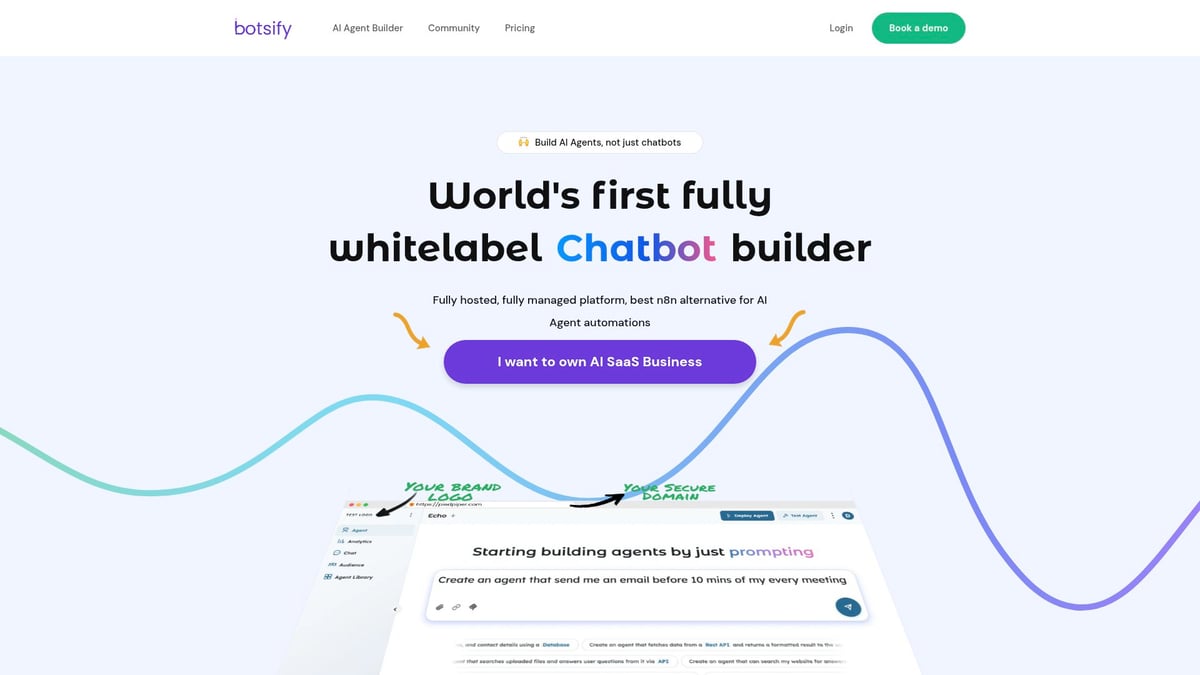
Pricing: Starts at $49/month; custom plans for enterprises.
Features:
- Drag-and-drop builder, AI/NLP, human takeover
- Multi-channel support (web, Messenger, WhatsApp)
- White-labeling and educational tools
Key Benefits:
- Multilingual bots
- Learning resources for non-tech users
Ideal For: Agencies, educational institutions, enterprises.
Pros:
- Supports multiple channels
- Flexible customization
Cons:
- Interface can feel dated
- Advanced features require higher-tier plans
Botsify’s chatbot builders for websites are ideal for organizations wanting broad channel coverage and educational support.
MobileMonkey
MobileMonkey stands out for its OmniChat technology, unifying chatbot builders for websites, SMS, Messenger, and Instagram in one platform.
Pricing: Free plan; Pro from $21.75/month.
Key Features:
- Build once, deploy everywhere (web, SMS, Messenger, Instagram)
- Unified inbox and automation templates
- Lead generation and growth tools
Target Audience: Marketers, agencies, SMBs seeking multi-platform reach.
Pros:
- Easy-to-use templates
- Strong lead generation features
Cons:
- Some integrations require paid plans
- Interface may feel overwhelming for beginners
MobileMonkey’s chatbot builders for websites are perfect for businesses ready to scale across multiple channels with unified messaging.
How to Choose the Right Chatbot Builder for Your Website
Selecting from the many chatbot builders for websites can feel overwhelming. The right choice depends on your unique business objectives, technical needs, and budget. Let’s break down the key factors to guide your decision, ensuring your investment delivers real value.
Assessing Your Business Needs and Goals
Begin by clarifying what you want chatbot builders for websites to accomplish. Are you aiming for automated lead generation, streamlined customer support, or sales automation? Consider your website’s traffic volume and your audience’s expectations for response time and personalization.
List your top priorities:
- Do you need 24/7 support or multilingual capabilities?
- Will your chatbot handle product recommendations, bookings, or technical queries?
- Is integration with CRM or other systems required?
Identifying these needs early makes it easier to shortlist the best chatbot builders for websites for your context.
Comparing Features and Integrations
Not all chatbot builders for websites offer the same features. Evaluate compatibility with your existing platforms, like Shopify, WordPress, or custom sites. Look for essential capabilities such as AI-powered natural language processing, robust analytics, multi-channel deployment, and ready-to-use templates.
Use this comparison checklist:
- AI/NLP support
- Analytics dashboards
- Integration with social media, email, or SMS
- Omnichannel support
Prioritize tools that fit your tech stack and can scale as your business grows.
Budget and Pricing Considerations
Budget plays a crucial role when evaluating chatbot builders for websites. Compare free and paid plans, and review what each tier includes. Some platforms offer generous free tiers, while others require paid plans for advanced automation or integrations.
Be mindful of hidden costs:
- Setup and customization fees
- Premium integrations
- Ongoing maintenance charges
Choose a solution that aligns with your growth trajectory and avoids unexpected expenses.
Usability and Support
Ease of use is vital, especially if your team lacks technical expertise. No-code or low-code chatbot builders for websites empower non-developers to create and manage bots efficiently. Evaluate onboarding processes, documentation quality, and the availability of responsive customer support.
If you’re curious about practical implementation, the No-code chatbot with Tidio guide offers a step-by-step walkthrough for building bots without coding experience. Reliable support and educational resources can make your chatbot journey smoother and more successful.
Security, Compliance, and Data Privacy
Security and compliance are non-negotiable for chatbot builders for websites. Ensure the provider adheres to GDPR, CCPA, or other relevant regulations. Review their data handling practices, encryption standards, and incident response protocols.
Check vendor reputation through third-party reviews and case studies. Protecting customer information builds trust and shields your business from regulatory risks.
Real-World Examples and Case Studies
Look for proof of success with chatbot builders for websites. Analyze case studies similar to your industry and business size. Many organizations have seen up to 30% savings in support costs and significant ROI improvements.
For up-to-date data, explore the AI Chatbot Adoption Statistics 2026 to understand current trends and the tangible benefits businesses are achieving. Concrete examples help you set realistic expectations and justify your investment.
Future Trends and Innovations in Chatbot Builders
The landscape of chatbot builders for websites is rapidly transforming as technology advances. Businesses looking to future-proof their customer engagement must stay ahead of these trends. Let’s explore what lies ahead for chatbot builders for websites and how these innovations will shape digital interactions.
AI and NLP Advancements
AI and natural language processing are revolutionizing chatbot builders for websites. In 2026, next-generation bots will understand context, intent, and even detect emotions. This leap means conversations will feel more personal and intuitive. Multilingual support is becoming standard, allowing businesses to engage global audiences with ease. For a deeper dive into emerging AI and NLP trends, visit AI Chatbot Trends in 2026.
Integration with Voice and IoT
The future of chatbot builders for websites includes seamless integration with voice assistants and IoT devices. Voice-enabled chatbots will handle tasks through smart speakers, wearables, and connected home devices. This omnichannel presence ensures users can interact with brands anywhere, anytime, making engagement more accessible than ever.
Hyper-Personalization and Predictive Analytics
Chatbot builders for websites are evolving to offer hyper-personalized experiences. Bots will adapt in real time, analyzing user behavior and preferences to deliver tailored recommendations and proactive support. Predictive analytics will enable bots to score leads, anticipate needs, and initiate relevant conversations before customers even ask.
No-Code and Low-Code Democratization
Visual builders are breaking barriers for non-technical users. In 2026, no-code and low-code chatbot builders for websites empower small businesses and startups to deploy sophisticated bots without programming knowledge. This trend is leveling the playing field, allowing more organizations to automate and innovate efficiently.
Data Security and Ethical AI
With the rise of chatbot builders for websites, data privacy and ethical AI are top priorities. Transparent practices, robust encryption, and compliance with regulations like GDPR and CCPA are becoming non-negotiable. Businesses must evaluate vendors carefully to ensure responsible AI deployment and safeguard customer trust.
The Expanding Role of Chatbots in Business Operations
By 2026, chatbot builders for websites will manage a wide range of business functions. Bots will act as virtual assistants, sales agents, and workflow automators. According to AI Chatbot Market Growth Projections, the global chatbot market is set for explosive growth, with bots expected to handle 75% of customer interactions. This evolution will unlock new efficiencies and revenue streams for organizations of all sizes.