Leads Marketing Guide: Strategies for Success in 2025
The landscape of leads marketing is changing faster than ever, putting immense pressure on businesses to keep up in 2025. As competition intensifies, organizations must embrace fresh strategies to effectively capture and convert leads in an increasingly crowded marketplace.
With the right leads marketing approach, companies can unlock exponential growth and outpace their competitors. This comprehensive guide is designed to equip you with actionable tactics, emerging trends, and proven best practices to excel in leads marketing this year.
You will discover what defines a lead in today’s world, the most effective strategies, the impact of new technology, multi-channel approaches, measurement techniques, and how to future-proof your efforts. Get ready to elevate your leads marketing strategy and achieve measurable success.
Understanding Leads in Modern Marketing
In the dynamic world of leads marketing, understanding what truly defines a lead is more important than ever. As we move into 2025, the distinction between a casual website visitor and a high-potential lead can determine the success of your marketing campaigns.
Defining a Lead in 2025
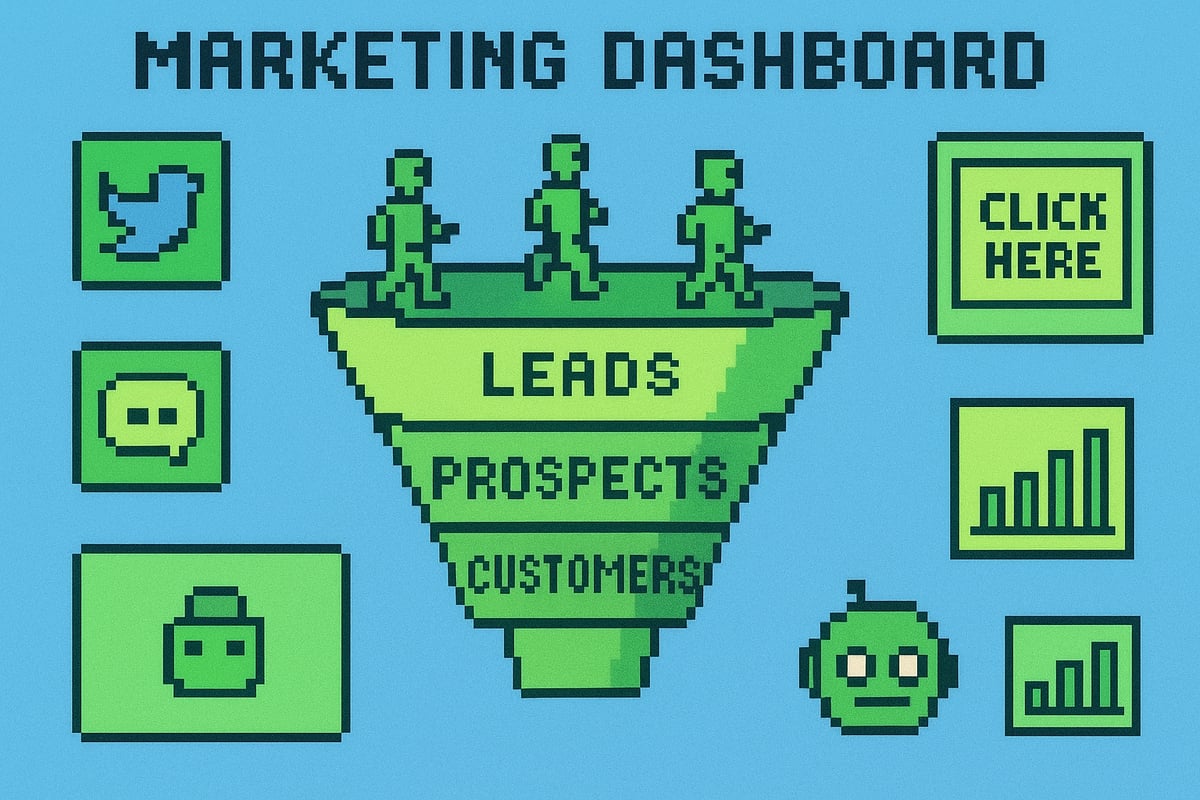
A lead in 2025 is any individual who shows interest in your products or services, whether by filling out a form, subscribing to a newsletter, or engaging with your content. However, not all leads are created equal. It is crucial to distinguish between leads, prospects, and customers:
- Lead: Someone who has expressed initial interest.
- Prospect: A lead that fits your target criteria and has shown deeper engagement.
- Customer: A person who has made a purchase.
Lead generation has shifted dramatically, evolving from door-to-door sales to digital-first strategies. Today, leads marketing leverages data, automation, and real-time engagement.
There are several types of leads, each with distinct characteristics:
| Lead Type | Description | Key Indicator |
|---|---|---|
| MQL | Marketing Qualified Lead | Engaged with marketing |
| SQL | Sales Qualified Lead | Ready for sales follow-up |
| PQL | Product Qualified Lead | Used product features |
Focusing on lead quality over sheer volume is essential. For example, a Facebook ad with a compelling CTA can generate thousands of leads, but only a fraction may be truly interested in what you offer. Understanding the intent behind each interaction helps prioritize efforts and resources.
In leads marketing, not every lead is ready to buy. Carefully segmenting and qualifying leads ensures your team invests in opportunities with the highest potential for conversion.
The Lead Lifecycle and Funnel
The journey from lead to customer follows a clear lifecycle, beginning with awareness and moving through consideration, decision, and conversion. Each stage requires tailored nurturing strategies to build trust and guide prospects forward.
Effective leads marketing aligns both sales and marketing teams for a seamless handoff. For instance, using social media channels to engage and move leads through the funnel has become a standard practice. According to Lead Generation Statistics 2025, 68% of marketers report social media as their top lead generation channel.
Timely follow-up is critical. The "five-minute rule" suggests that contacting a new lead within five minutes can significantly boost your chances of conversion. Automated tools and real-time alerts help teams respond quickly, keeping leads engaged and moving through the funnel.
By mapping out each stage of the lifecycle and integrating data-driven insights, businesses can maximize the impact of their leads marketing and increase conversion rates.
Top Leads Marketing Strategies for 2025
In 2025, leads marketing is evolving rapidly as consumer habits shift and technology advances. Businesses that want to thrive must adopt fresh, data-driven approaches to capture attention and convert prospects. Let us explore the top leads marketing strategies poised to drive results in the coming year.

Content Marketing & Personalization
Content remains the backbone of leads marketing, but in 2025, personalization and value are non-negotiable. High-performing brands create content tailored to specific buyer personas, ensuring every blog, video, and interactive asset addresses real customer needs.
Short-form videos, such as TikTok clips, Instagram Reels, and YouTube Shorts, are especially effective for grabbing attention and nurturing leads. Interactive content like quizzes and calculators can boost engagement and help qualify prospects.
Personalization is now achievable at scale thanks to AI and automation. By leveraging user data, marketers deliver relevant offers and messages that speak directly to each lead’s interests. Consistent messaging and strong calls to action guide leads through the funnel.
Recent data highlights the impact: Personalized content can increase conversion rates by over 20%. For businesses seeking the latest insights and proven tactics, the B2B Lead Generation Trends 2025 report offers an in-depth look at what is working now.
Focusing on quality, not just quantity, ensures your leads marketing efforts generate prospects more likely to convert and become long-term customers.
Social Media Lead Generation
Social platforms are essential tools for leads marketing. Choosing the right channels—whether Facebook, LinkedIn, Instagram, or TikTok—depends on where your audience spends their time.
Advanced targeting features like geo-targeting and interest segmentation help marketers reach the most relevant users. Lead generation ads and pre-filled forms make it easy for users to express interest with minimal friction.
Building active communities through comments, DMs, and groups fosters trust and ongoing engagement. For B2B brands, LinkedIn remains a powerhouse for connecting with decision-makers using tailored content and outreach.
A recent survey found that 68% of marketers rank social media as a top source for leads marketing. By combining organic engagement with paid strategies, businesses can consistently fill their pipeline with qualified prospects.
Influencer & Referral Marketing
Influencer collaborations are gaining traction in leads marketing, enabling brands to tap into established audiences and boost credibility. Partnering with the right influencers expands your reach and introduces your brand to highly engaged followers.
Referral marketing remains a powerful, cost-effective strategy. Structuring referral programs encourages satisfied customers to share their experiences, driving high-quality leads through word-of-mouth.
Examples include brands that offer rewards for successful referrals or spotlight customer stories in marketing campaigns. These tactics not only increase brand visibility but also foster loyalty and trust—critical components for sustainable leads marketing growth.
Email Marketing & Automation
Email marketing continues to deliver strong ROI when executed with precision. Segmented lists allow for targeted campaigns, ensuring each lead receives content relevant to their stage in the buyer journey.
Automated drip campaigns nurture leads over time, providing consistent value and timely information. The five-minute rule—responding to new inquiries within five minutes—can significantly boost qualification rates and improve conversion.
Best practices in leads marketing include monitoring open and click-through rates, adjusting frequency to avoid fatigue, and personalizing every touchpoint. Automated follow-ups keep leads engaged and move them closer to a decision.
Paid Advertising & Retargeting
Paid channels play a key role in leads marketing by expanding reach and capturing high-intent prospects. Pay-per-click (PPC), display ads, and social ads are all effective for driving traffic to dedicated landing pages.
Retargeting strategies ensure that visitors who do not convert immediately remain engaged with your brand. By serving tailored ads to these users, marketers can remind them of value propositions and encourage return visits.
Optimizing landing pages is essential for maximizing conversion rates. Clear messaging, compelling offers, and user-friendly design all contribute to leads marketing success. Regular A/B testing helps identify what resonates best with your audience, ensuring continuous improvement.
The Role of Technology in Lead Generation
Technology is revolutionizing leads marketing, making it smarter, faster, and more data-driven than ever before. In 2025, businesses that leverage cutting-edge tools will be best positioned to attract, qualify, and convert high-value leads. Understanding the technological landscape is now essential for any successful leads marketing strategy.

AI, Automation, and Chatbots
Artificial intelligence is transforming leads marketing by automating repetitive tasks and enhancing decision-making. AI algorithms can analyze massive datasets to identify patterns in lead behavior, allowing marketers to predict which leads are most likely to convert.
Automation tools streamline lead nurturing, scoring, and segmentation. For example, modern platforms can automatically assign lead scores based on interactions, such as website visits or content downloads. This ensures that only the most promising leads are prioritized for outreach, saving valuable time and resources.
AI-powered chatbots have become a cornerstone of leads marketing. These chatbots engage prospects 24/7, answer common questions, and collect vital information. Businesses using chatbots can guide users through sales funnels with personalized conversations, increasing the likelihood of conversion. According to recent studies, automated responses can boost lead engagement by up to 50%.
Here are some key benefits of integrating chatbots into your leads marketing strategy:
- Instant response to inquiries at any time
- Consistent messaging and data capture
- Seamless transfer of qualified leads to sales teams
To explore tools that can enhance your approach, consider reviewing AI chatbots for lead generation, which highlights the latest solutions for automating and improving leads marketing.
Integration with customer relationship management (CRM) and marketing automation platforms ensures that every interaction is tracked and utilized for future campaigns. For instance, a real estate agency might use a chatbot to qualify prospects, automatically update the CRM, and trigger targeted follow-up emails, resulting in a more efficient leads marketing process.
| Tool Type | Benefit | Impact on Leads Marketing |
|---|---|---|
| AI Chatbots | 24/7 Engagement | Higher lead capture rates |
| Automation Platforms | Lead Scoring and Nurturing | Prioritized outreach |
| CRM Integration | Data Centralization | Improved follow-up timing |
Analytics, Tracking, and Attribution
Data is the backbone of modern leads marketing. Effective tracking and analytics empower marketers to understand where leads come from, how they engage, and what drives them to convert. By monitoring every touchpoint, businesses can refine their messaging and allocate budget to the most productive channels.
Analytics tools allow for granular tracking of lead sources, from social media ads to email campaigns. Marketers can use behavioral data to segment audiences and tailor content for higher engagement. For example, tracking user clicks and time spent on landing pages provides insights into which messages resonate most with potential leads.
Attribution models are essential for evaluating the effectiveness of each marketing effort. Single-touch attribution credits one source, while multi-touch attribution recognizes the influence of multiple interactions throughout the customer journey. This clarity helps marketers optimize spending and maximize ROI.
Here's a simplified example of how a tracking pixel might be implemented to monitor lead activity:
<!-- Example: Simple tracking pixel for lead form submissions -->
<img src="https://youranalytics.com/track?event=lead_submission&user_id=12345" width="1" height="1" style="display:none;" />
Timely and accurate data collection enables agile adjustments to leads marketing strategies. For instance, if analytics reveal that a particular webinar attracts high-quality leads, marketers can double down on similar content formats.
Measuring key performance indicators such as cost per lead, conversion rates, and lead velocity ensures ongoing optimization. As privacy regulations evolve, it is crucial to use compliant analytics tools and maintain transparency with users. By consistently tracking, attributing, and acting on data, businesses can future-proof their leads marketing and drive sustained growth.
Multi-Channel Lead Generation Approaches
In 2025, multi-channel leads marketing is a cornerstone of successful customer acquisition. Businesses that combine both digital and traditional methods reach broader audiences and create seamless experiences. With prospects engaging across various touchpoints, a unified strategy ensures no opportunity slips through the cracks.

Integrating Online and Offline Channels
Bridging online and offline channels is vital for maximizing leads marketing effectiveness. Digital tactics like social media, email, and paid ads should work hand in hand with offline efforts such as live events, print ads, and in-store promotions. This approach creates a cohesive brand experience, whether a customer first hears about your business at a trade show or through a targeted online campaign.
A practical example is using QR codes at physical events. Attendees scan the code, which directs them to a landing page optimized for lead capture. This not only streamlines data collection but also connects offline interactions to digital follow-up. For businesses aiming to boost conversion rates, website optimization for leads is essential, ensuring that every landing page is fast, clear, and persuasive.
Consistency is key. All touchpoints, from digital ads to printed brochures, must reflect the same messaging and visual identity. An omnichannel strategy allows customers to move fluidly between channels, increasing trust and the likelihood of conversion. Integrating data from both online and offline sources also helps teams refine future leads marketing campaigns for even better results.
Leveraging Reviews and Social Proof
Social proof is a powerful driver in leads marketing. Potential customers often seek validation from peers before making decisions. Encouraging satisfied customers to leave reviews on platforms like Google, Yelp, or industry-specific sites can significantly enhance credibility and attract new leads.
Showcasing testimonials and case studies on your website and social media profiles builds trust. Prospects who see real-life examples of your product's impact are more likely to convert. Consider implementing automated requests for feedback after a purchase or service interaction. This proactive approach increases review volume without adding manual workload.
Review generation strategies can include incentives, such as discounts or loyalty points, for leaving honest feedback. However, always ensure compliance with platform guidelines and local regulations. Regularly monitor and respond to reviews, both positive and negative, to show prospective leads that you value customer input. In leads marketing, a strong reputation can be the deciding factor for many buyers.
Listings, Directories, and Local SEO
Optimizing business listings in online directories is another crucial aspect of leads marketing. Platforms like Google Business Profile, Bing Places, and industry-specific directories boost your visibility to local searchers. Accurate and complete listings make it easier for potential leads to find and contact you.
Local SEO involves more than just appearing in search results. It requires consistent NAP (Name, Address, Phone) information across all platforms. Encourage customers to leave location-based reviews, which help improve your ranking and appeal to nearby prospects.
Participating in reputable directories relevant to your field increases exposure to targeted audiences. For example, a local restaurant can gain new leads by being listed in popular food apps or tourism guides. Keeping listings up to date ensures you capture every possible opportunity. In today’s leads marketing landscape, these local strategies are essential for businesses looking to grow within their communities.
Measuring, Qualifying, and Nurturing Leads
Accurate measurement, qualification, and nurturing are the backbone of successful leads marketing. Without a clear process to score, track, and develop leads, even the most robust campaigns risk falling short. Let’s explore how to ensure every lead counts.
Lead Scoring and Qualification
Effective leads marketing starts with clear criteria for identifying high-value opportunities. Leads fall into categories such as Marketing Qualified Leads (MQLs), Sales Qualified Leads (SQLs), and Product Qualified Leads (PQLs). Each type reflects a different stage of readiness and engagement.
Lead scoring models use behavioral data, like website visits or content downloads, and demographic information, such as job title or company size. For example, a lead who attends a webinar and requests a demo may score higher than one who only downloads an eBook.
A simple scoring table might look like this:
| Lead Action | Points Assigned |
|---|---|
| Webinar attended | 10 |
| Email opened | 2 |
| Demo requested | 15 |
| Company size >100 | 5 |
Aligning sales and marketing teams on these criteria ensures smooth handoff and maximizes conversion potential. Consistent scoring is essential for prioritizing outreach and optimizing leads marketing outcomes.
Nurturing Strategies for Higher Conversion
Nurturing leads is crucial for moving prospects through the funnel. Multi-step workflows can include targeted emails, retargeting ads, and personalized content that addresses individual pain points.
Automation tools play a vital role in streamlining these workflows. By leveraging AI-powered marketing automation tools, businesses can deliver timely, relevant messages at scale. Segmented drip campaigns and triggered follow-ups ensure that leads receive the right information at the right moment.
Timeliness is key. The “five-minute rule” highlights the power of rapid response—contacting a new lead within five minutes can dramatically increase qualification rates. This approach not only boosts engagement but also strengthens the overall leads marketing strategy.
KPIs and Metrics for Success
Tracking performance is fundamental to leads marketing. Key metrics include conversion rates, cost per lead, and overall return on investment (ROI). These figures reveal which strategies are working and where resources should be allocated.
Dashboards and reporting tools make it easy to monitor progress. Businesses with defined lead nurturing processes see 50 percent more sales-ready leads, underscoring the value of consistent measurement.
Essential KPIs to monitor:
- Conversion rate from lead to customer
- Cost per lead
- Lead response time
- Percentage of sales-qualified leads
Regular review of these KPIs ensures continuous improvement and sustainable growth in leads marketing efforts.
Future-Proofing Your Leads Marketing Strategy
Adapting your leads marketing approach for 2025 means looking beyond current tactics and embracing a mindset of constant evolution. The digital landscape continues to shift, and only businesses prepared for change will thrive. Staying ahead requires vigilance, flexibility, and a willingness to integrate new technologies and strategies into your leads marketing playbook.
Adapting to Emerging Trends
Emerging trends are redefining leads marketing as we know it. Artificial intelligence, voice search, and conversational marketing are no longer optional, but essential. AI tools, for example, can automate lead scoring and personalize content at scale, allowing you to reach prospects at the right moment.
Privacy regulations such as GDPR and CCPA are also shaping how businesses collect and use data. As a result, transparency and compliance must be at the core of your leads marketing strategy. Video content, especially short-form, continues to dominate social platforms, driving higher engagement and conversions.
Brands are increasingly shifting budgets toward interactive content and AI-driven chat solutions, recognizing their impact on lead generation. For a deeper dive into how AI is transforming the landscape, explore AI’s Impact on Lead Generation. Building agility into your team ensures you can pivot quickly as these trends evolve.
Building a Sustainable Lead Engine
A future-proof leads marketing engine balances quick wins with long-term growth. This means investing in both brand-building activities and high-conversion tactics. While short-term campaigns deliver immediate results, long-term strategies cultivate trust and authority in your niche.
Here’s a quick comparison:
| Strategy Type | Focus | Example Tactics |
|---|---|---|
| Short-Term | Immediate conversions | PPC, flash sales, retargeting |
| Long-Term | Brand equity, loyalty | Content marketing, thought leadership, customer advocacy |
Continuous testing and optimization are non-negotiable. Regularly analyze your leads marketing data to identify what works and what needs adjustment. Case studies of successful brands show that those who adapt and refine their processes consistently outpace competitors in lead generation.
Action Steps for 2025 and Beyond
To ensure your leads marketing remains effective, create a clear action plan for the year ahead:
- Audit your current lead generation channels and identify gaps.
- Invest in training your team on new technologies and compliance requirements.
- Experiment with emerging platforms and formats, such as voice and interactive video.
- Set measurable goals and KPIs for both short-term and long-term success.
- Leverage industry resources and stay informed about changing trends.
Embrace change and foster a culture of innovation. With the right approach, your leads marketing will not only withstand future disruptions but also drive sustainable growth well beyond 2025.