
Local Lead Generation Business Guide for 2026
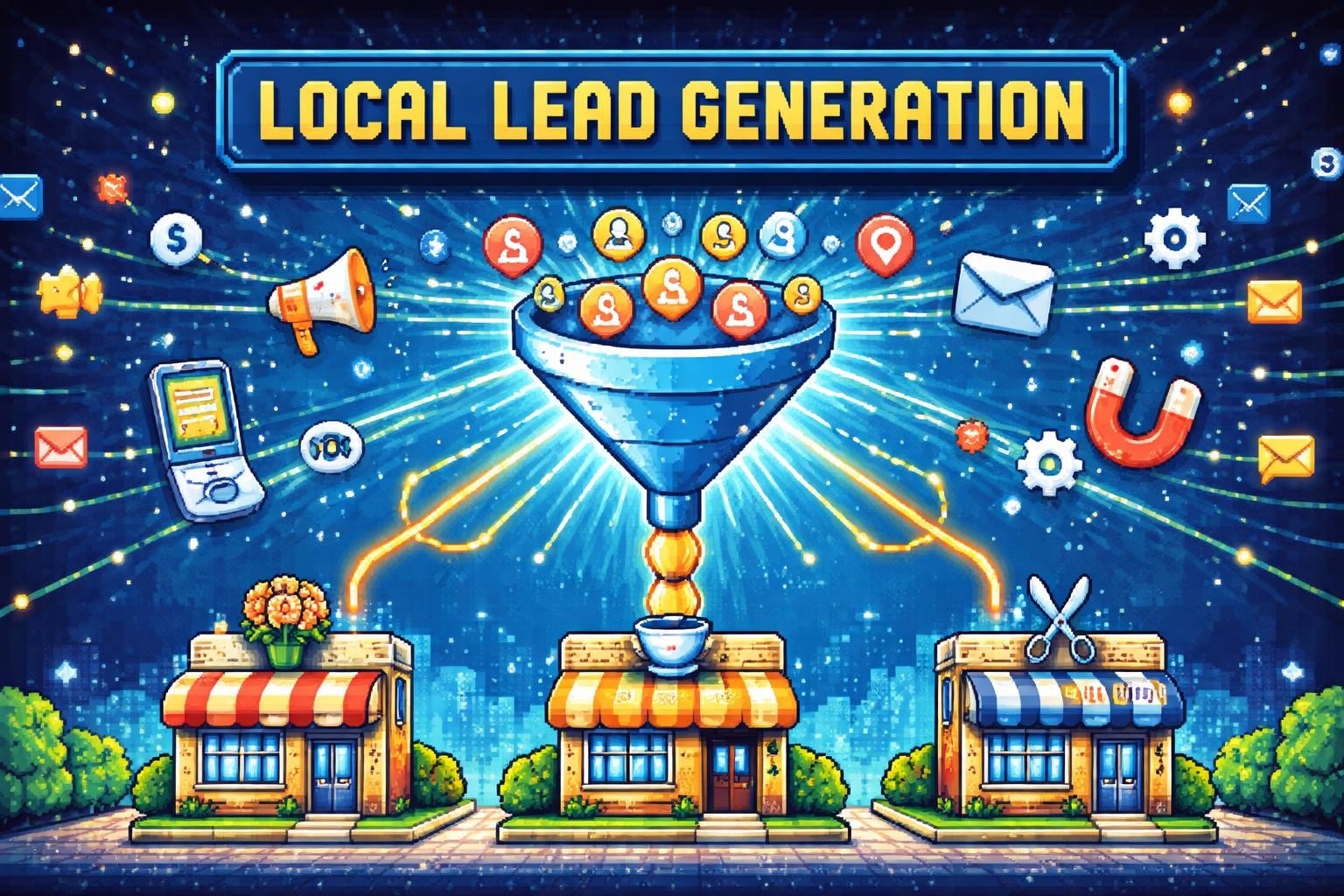
Building a local lead generation business represents one of the most scalable opportunities in digital marketing today. This business model focuses on capturing potential customers within specific geographic areas and delivering them to local service providers who need consistent client flow. As businesses increasingly recognize the value of targeted, qualified leads over generic advertising, the demand for specialized lead generation services continues to grow exponentially. For entrepreneurs equipped with the right tools and strategies, this represents an opportunity to create recurring revenue streams while helping local businesses thrive in competitive markets.
Understanding the Local Lead Generation Business Model
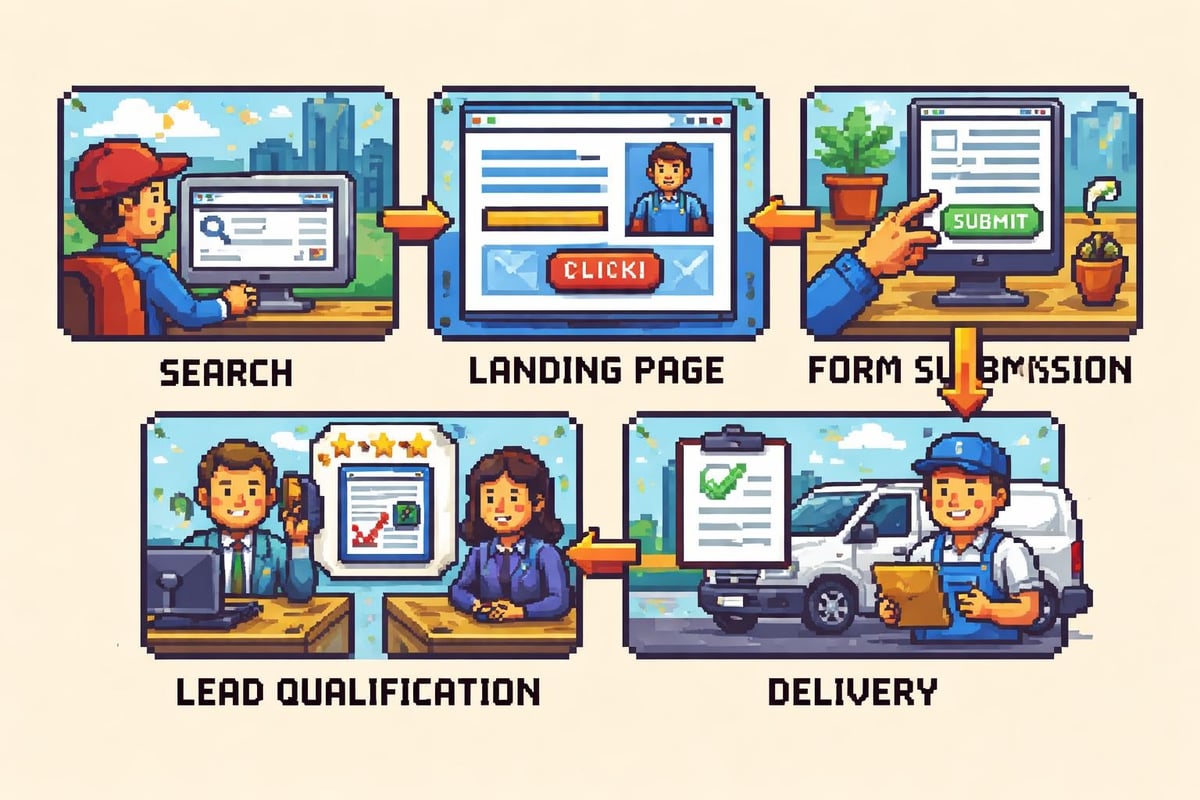
A local lead generation business operates by creating digital assets that rank in search engines for location-specific service queries. When potential customers search for services in their area, they discover these optimized properties and submit their contact information. These qualified leads are then sold to local businesses on a pay-per-lead or monthly retainer basis.
The fundamental advantage of this model lies in its scalability and predictability. Once digital properties achieve rankings, they generate leads consistently with minimal ongoing effort. Business owners can manage multiple lead generation properties across various service categories and geographic locations simultaneously.
Key components of successful local lead generation include:
- Creating location-specific websites or landing pages
- Implementing robust SEO strategies for local search visibility
- Building automated systems for lead capture and delivery
- Establishing partnerships with reliable local service providers
- Utilizing AI-powered tools for efficiency and scale
The barrier to entry remains relatively low compared to traditional businesses, requiring primarily knowledge, time, and strategic tool investments rather than substantial capital. According to effective local lead generation strategies, businesses that prioritize local search optimization see significantly higher conversion rates than those relying solely on broad marketing approaches.
Building Your Lead Generation Infrastructure
The foundation of a profitable local lead generation business rests on creating high-quality digital properties that attract and convert local searchers. This infrastructure requires strategic planning and the right technology stack to operate efficiently at scale.
Selecting Profitable Niches and Locations
Market research determines the viability of your lead generation efforts. Focus on service industries with high customer lifetime value and urgent need characteristics. Emergency services, home improvement contractors, legal professionals, and healthcare providers typically pay premium prices for qualified leads.
Geographic selection matters equally. Analyze competition levels, population density, and average service costs in target markets. Mid-sized cities often provide the optimal balance between search volume and manageable competition levels.
| Service Category | Average Lead Value | Competition Level | Recommended Strategy |
|---|---|---|---|
| Legal Services | $150-$500 | High | Focus on specific practice areas |
| HVAC Services | $50-$150 | Medium | Target seasonal keywords |
| Roofing | $75-$200 | Medium-High | Geographic micro-targeting |
| Plumbing | $40-$100 | Medium | Emergency service focus |
| Dental Services | $60-$150 | High | Specialty procedure targeting |
Creating High-Converting Digital Assets
Your digital properties serve as the revenue-generating engines of your local lead generation business. These assets must be optimized for both search engines and user conversion.
Start with professionally designed websites or landing pages that clearly communicate the service offering. Include prominent contact forms, click-to-call functionality, and trust signals like reviews or certifications. The AI tools for business available today can significantly streamline the creation and optimization of these digital properties.
Page speed, mobile responsiveness, and clear calls-to-action directly impact conversion rates. Implement automated chatbots to engage visitors immediately and capture lead information even outside business hours. These chatbots and automation services can increase lead capture rates by 30-40% while reducing operational overhead.
Implementing Effective Local SEO Strategies
Search engine optimization forms the cornerstone of sustainable lead generation. Without consistent organic visibility, your business relies on expensive paid advertising that erodes profit margins.
On-Page Optimization Techniques
Every element of your digital properties should signal relevance to search engines. Title tags, meta descriptions, header tags, and content must incorporate location-specific keywords naturally. Create dedicated pages for each service area to maximize geographic coverage.
Critical on-page elements include:
- Location-specific title tags following the pattern: "Service + Location + Year"
- NAP (Name, Address, Phone) consistency across all pages
- Schema markup for local business information
- Customer testimonials and reviews embedded on-page
- Service area maps and location descriptions
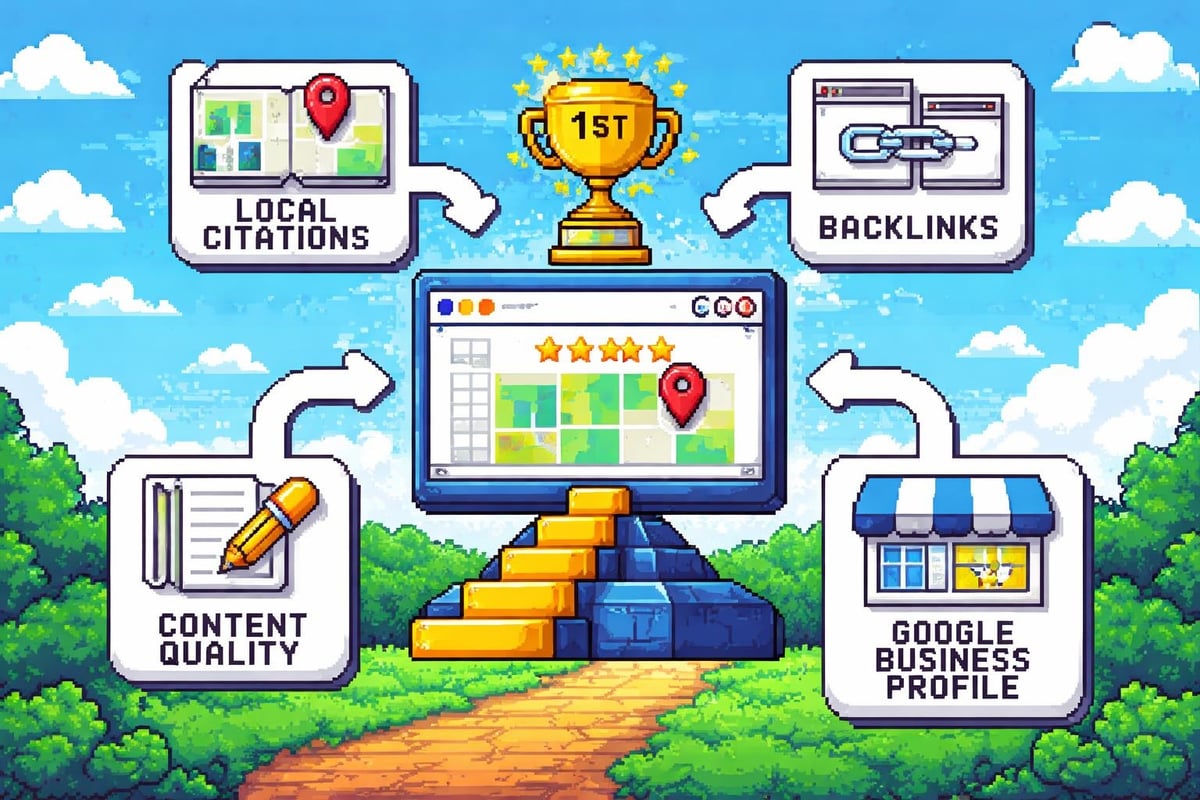
Content quality significantly impacts rankings. Develop comprehensive service pages that answer common customer questions, explain processes, and demonstrate expertise. The goal extends beyond ranking to establishing authority that converts visitors into leads.
Building Local Citations and Backlinks
Off-page SEO establishes credibility and authority for your lead generation properties. Directory listings, local citations, and quality backlinks signal to search engines that your properties deserve prominent placement.
Submit your properties to major directories like Google Business Profile, Bing Places, Yelp, and industry-specific platforms. Ensure NAP information remains identical across all listings to avoid confusion. According to local lead generation best practices, citation consistency directly correlates with local search rankings.
Develop relationships with complementary local businesses for reciprocal linking opportunities. Sponsor community events, participate in local business associations, and create shareable content that naturally attracts backlinks from local news sites and blogs.
Leveraging Automation and AI Tools
Technology transforms a labor-intensive local lead generation business into a scalable, efficient operation. Automation handles repetitive tasks while AI enhances lead quality and client communication.
Lead Capture and Qualification Systems
Modern lead generation extends beyond simple contact forms. Implement multi-channel capture systems including phone tracking, chat widgets, SMS options, and social media integration. Each channel reaches different customer preferences, maximizing total lead volume.
AI-powered chatbots qualify leads in real-time by asking relevant questions before human intervention. This pre-qualification ensures service providers receive only leads matching their criteria, increasing close rates and client satisfaction. Explore marketing and growth tools that integrate seamlessly with your existing infrastructure.
Call tracking systems attribute phone leads to specific marketing sources, providing data for optimization decisions. Recording and transcription capabilities enable quality control and training opportunities.
Client Delivery and Reporting Automation
Manual lead delivery creates bottlenecks and delays that frustrate clients. Automated systems instantly distribute leads via email, SMS, or CRM integration the moment they're captured.
Develop automated reporting dashboards that provide clients with real-time visibility into lead volume, quality metrics, and conversion data. Transparency builds trust and reduces management overhead. Tools for business tools and productivity streamline these processes significantly.
Automation opportunities include:
- Instant lead distribution to multiple clients with round-robin logic
- Automated follow-up sequences for unconverted leads
- Monthly performance reports sent automatically
- Billing and invoice generation
- Lead quality scoring based on engagement metrics
Scaling Your Local Lead Generation Business
Once core systems function reliably, strategic expansion multiplies revenue without proportionally increasing workload. Scaling requires both horizontal growth (more locations or niches) and vertical integration (additional services to existing clients).
Expanding Geographic Coverage
Replicating successful properties across multiple locations provides the fastest path to growth. The same website template, SEO strategy, and conversion optimization that succeeded in one market can be deployed systematically across dozens of cities.
Prioritize markets with similar demographic profiles and competition levels to your successful properties. As explained in comprehensive local lead generation guides, standardized processes enable rapid expansion while maintaining quality standards.
Consider hiring virtual assistants or contractors to handle market research, content creation, and citation building for new markets. This delegation frees your time for strategy and client relationship management.
Diversifying Service Categories
Once established in a particular service vertical, adjacent categories often present easy expansion opportunities. A successful plumbing lead generation business naturally extends to HVAC, electrical, or general contracting services.
Existing SEO knowledge, local citations, and optimization processes transfer directly. Content creation becomes more efficient as you understand customer psychology and decision-making patterns within home services broadly.
Pricing Models and Client Acquisition
Revenue optimization in a local lead generation business depends equally on pricing strategy and client acquisition efficiency. The model you choose affects both profitability and client retention rates.
Lead Pricing Strategies
Three primary pricing models dominate the industry, each with distinct advantages:
| Pricing Model | Advantages | Disadvantages | Best For |
|---|---|---|---|
| Pay-Per-Lead | Simple, performance-based | Revenue fluctuation | New client relationships |
| Monthly Retainer | Predictable income | Requires consistent delivery | Established partnerships |
| Exclusive Territory | Premium pricing | Limits total clients | High-value service categories |
| Hybrid Models | Balances predictability and performance | More complex to manage | Mature lead gen businesses |
Research competitor pricing in your target markets, but avoid racing to the bottom. Position your service based on lead quality, exclusivity, and conversion support rather than price alone. Businesses focused on lead generation strategies understand that quality consistently outperforms quantity.
Finding and Retaining Clients
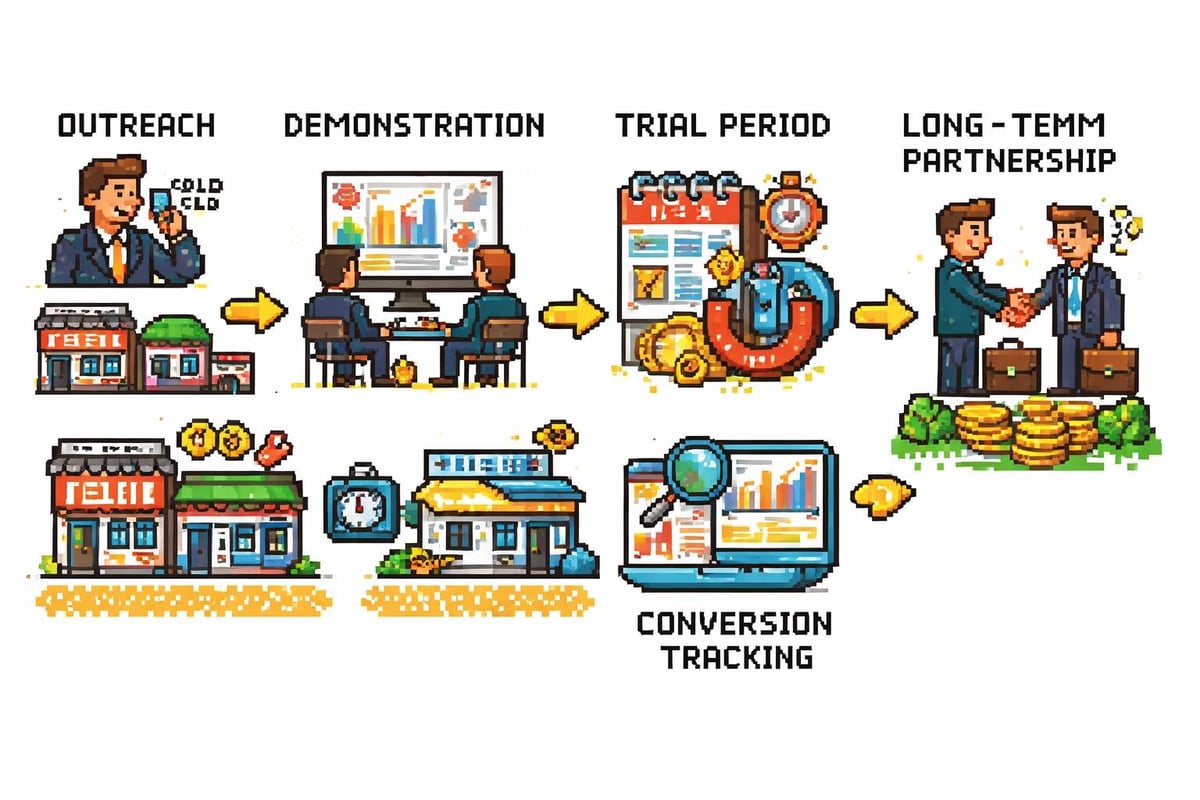
Local service providers constantly seek reliable lead sources, making client acquisition relatively straightforward with the right approach. Direct outreach to businesses in your target categories yields immediate conversations.
Demonstrate value before requesting commitments. Offer trial periods with discounted rates or provide free leads initially to prove quality. Case studies and testimonials from existing clients accelerate trust-building with prospects.
The research highlighted in this HVAC contractor case study demonstrates how transparent reporting and consistent results create long-term partnerships. Clients who see measurable ROI rarely leave for competitors.
Optimizing Conversion Rates and Lead Quality
Generating traffic represents only half the equation in a successful local lead generation business. Converting that traffic into qualified leads while maintaining quality standards determines actual profitability.
Testing and Improvement Frameworks
Implement systematic testing protocols for every element affecting conversion rates. A/B testing headline variations, form layouts, call-to-action buttons, and page designs reveals optimization opportunities that incrementally improve performance.
Track metrics beyond simple conversion rates. Monitor lead acceptance rates, client close rates, and customer satisfaction scores. These downstream metrics identify quality issues before they damage client relationships.
Key performance indicators to monitor:
- Visitor-to-lead conversion rate (industry average: 2-5%)
- Lead acceptance rate by clients (target: >80%)
- Client close rate on delivered leads (track but don't control)
- Cost per lead across different traffic sources
- Client lifetime value and retention rates
Quality Control Mechanisms
Automated quality filters prevent low-quality leads from reaching clients. Implement email verification, phone validation, and duplicate detection systems. Geographic filters ensure leads match service areas precisely.
Review lead recordings and chat transcripts regularly to identify patterns in high-quality versus low-quality interactions. Adjust qualification questions and filtering criteria based on these insights. Resources on AI lead generation provide additional strategies for maintaining quality at scale.
Consider implementing lead buyback guarantees for clearly unqualified contacts. This policy demonstrates confidence in your systems while protecting client relationships.
Managing Multiple Lead Generation Properties
As your portfolio grows beyond a handful of properties, organizational systems become critical. Without proper management frameworks, quality suffers and opportunities slip through gaps.
Portfolio Organization Systems
Create standardized documentation for each property including keyword targets, ranking positions, monthly lead volume, client information, and optimization notes. Cloud-based project management systems keep this information accessible and current.
Develop routine maintenance schedules for content updates, citation audits, backlink monitoring, and technical SEO reviews. Consistent attention prevents ranking losses and identifies emerging issues before they impact lead flow.
Group properties by market, service category, or performance tier. This organization enables batch processing of similar tasks and facilitates strategic decision-making about resource allocation.
Monitoring and Maintenance Protocols
Automated monitoring alerts you to ranking changes, technical errors, or traffic anomalies requiring immediate attention. Set up weekly performance reports that aggregate key metrics across your entire portfolio.
Schedule quarterly deep-dive reviews for each property assessing competition changes, content freshness, and expansion opportunities. Markets evolve continuously, requiring proactive adaptation rather than reactive fixes.
Allocate time for continuous learning about algorithm updates, new optimization techniques, and emerging tools. The strategies detailed at Wolfpack Advising’s lead generation guide emphasize that staying current with industry developments maintains competitive advantages.
Advanced Strategies for Competitive Markets
Highly competitive service categories and metropolitan areas require sophisticated approaches beyond basic SEO and lead capture. These advanced tactics create differentiation and defensible market positions.
Content Marketing and Authority Building
Comprehensive content strategies establish your properties as authoritative resources rather than simple lead capture pages. Develop blog content answering common customer questions, comparing service options, and providing educational value.
Video content increases engagement and provides additional ranking opportunities through YouTube optimization. Create service explainer videos, customer testimonials, and educational content that can be embedded on your properties and shared across social platforms.
Build email lists from site visitors not yet ready to request service. Nurture these contacts with valuable content until they reach the decision stage. This approach, highlighted in GetResponse’s local lead generation strategies, extends the customer acquisition timeline but captures otherwise lost opportunities.
Paid Advertising Integration
While organic traffic provides the highest margins, strategic paid advertising accelerates new property growth and fills gaps in organic coverage. Google Local Services Ads and targeted Facebook campaigns complement SEO efforts.
Retargeting campaigns pursue visitors who didn't convert initially, dramatically improving overall conversion rates. These campaigns cost significantly less than cold traffic advertising while producing substantially higher returns.
Test paid strategies systematically, tracking ROI meticulously. Some markets and services justify ongoing paid traffic, while others serve better as temporary accelerators during property launch phases. The approaches outlined in WordStream’s local strategies provide frameworks for integrating paid and organic tactics effectively.
Building Long-Term Business Value
A well-developed local lead generation business represents a valuable asset beyond immediate cash flow. Strategic decisions made today determine whether your business becomes sellable or remains dependent on your personal involvement.
Systematization and Documentation
Document every process, from property creation to client onboarding to lead delivery. Written procedures enable delegation and create consistency across your operations. Standard operating procedures transform your business from a job into a system.
Create training materials for virtual assistants or future employees. Video walkthroughs, checklists, and decision trees reduce onboarding time and ensure quality standards maintain across team members.
Creating Passive Income Streams
Explore opportunities to productize your knowledge through digital courses, templates, or consulting services. Your experience building successful lead generation properties holds value for others entering the industry.
Consider developing white-label services for marketing agencies lacking in-house lead generation capabilities. This B2B approach often provides larger contracts and more stable relationships than direct client acquisition.
Partnership opportunities with complementary service providers create referral networks and collaborative ventures. Joint ventures with established agencies or franchise organizations can dramatically accelerate growth while sharing risk and workload.
Building a profitable local lead generation business in 2026 requires combining proven SEO fundamentals with modern automation and AI technologies. By creating valuable digital assets that connect local businesses with qualified customers, you establish recurring revenue streams that scale systematically. The key lies in maintaining quality standards while leveraging tools that maximize efficiency. ToolStacked provides comprehensive reviews of AI and automation solutions specifically designed to help businesses streamline their lead generation operations, from chatbot services that qualify prospects automatically to productivity tools that manage growing client portfolios effectively.