
Tome AI: Transform Your Presentations in 2026
Artificial intelligence has fundamentally transformed how businesses create and deliver presentations. Among the emerging tools reshaping this landscape, tome ai stands out as a powerful platform that leverages generative AI to build complete presentation decks from simple prompts. Rather than spending hours formatting slides and searching for images, professionals can now describe their presentation goals and watch as tome ai generates a polished narrative with coordinated visuals, layouts, and text. This technology represents a significant shift in how companies approach storytelling, sales presentations, and internal communications, making professional-quality content accessible to teams of any size.
What Makes Tome AI Different from Traditional Presentation Tools
Tome ai fundamentally reimagines presentation creation by starting with narrative intelligence rather than blank slides. Traditional tools like PowerPoint or Keynote provide templates and formatting options, but users must still conceptualize structure, write content, and design each slide manually. Tome ai inverts this process by generating complete presentation frameworks from text descriptions.
The platform uses large language models to understand context and create coherent storylines across multiple slides. When a user describes their presentation topic, tome ai analyzes the subject matter, determines logical flow, and produces a structured narrative that guides viewers through the content. This approach ensures presentations maintain consistency in messaging and visual hierarchy without requiring design expertise.
Key differentiators include:
- AI-generated narrative flow that creates logical progression between concepts
- Automated visual selection matching images and graphics to content themes
- Responsive design that adapts layouts for different viewing contexts
- Template intelligence that applies appropriate styling based on presentation type
- Collaborative features allowing teams to refine AI-generated content together
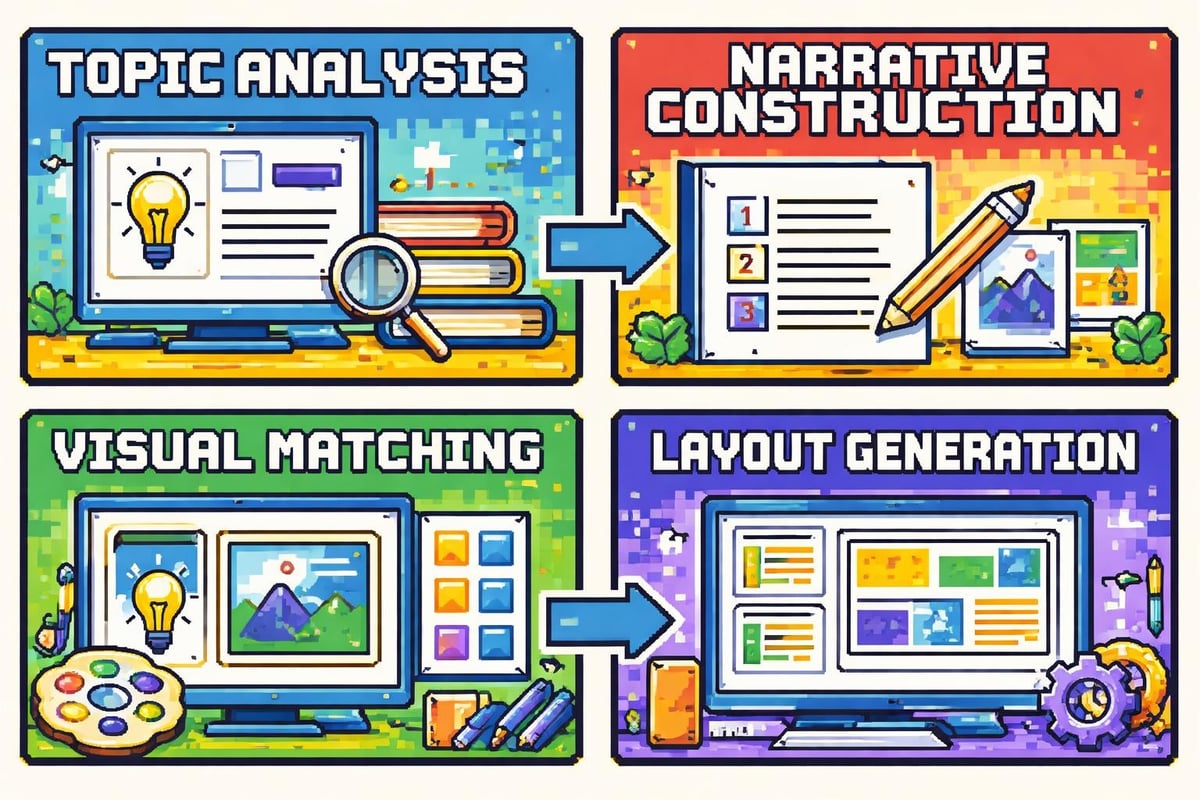
Unlike static templates, tome ai learns from user preferences and adjustments. When teams modify generated slides, the system incorporates these changes into future recommendations, creating a personalized presentation style over time. This adaptive capability makes the platform particularly valuable for businesses maintaining brand consistency across multiple presentations.
Core Features and Capabilities
Tome ai delivers a comprehensive suite of features designed for modern business communication needs. The platform combines content generation with presentation delivery, creating an end-to-end solution for professional storytelling.
Generative Presentation Builder
The primary feature enables users to describe their presentation goals in natural language. Tome ai processes these descriptions and generates complete slide decks including headlines, body text, supporting visuals, and suggested layouts. Users can specify tone, audience level, and presentation length to customize output.
The system draws from extensive image libraries and can create custom graphics matching brand guidelines. For businesses needing AI automation across multiple content types, tome ai integrates with existing workflows to maintain consistent visual language.
Interactive Embeds and Media Integration
Modern presentations require more than static slides. Tome ai supports embedded content from numerous platforms including videos, websites, data visualizations, and interactive prototypes. These embeds remain functional within presentations, allowing viewers to interact with content directly rather than following external links.
| Feature Type | Capability | Business Value |
|---|---|---|
| Video Integration | Embed YouTube, Vimeo, Loom | Demonstrate products in context |
| Live Web Pages | Show functioning websites | Display real-time data dashboards |
| Interactive Charts | Embed Tableau, Figma prototypes | Present dynamic analytics |
| Social Media | Include Twitter feeds, LinkedIn posts | Showcase customer testimonials |
This multimedia approach transforms presentations from one-way broadcasts into interactive experiences. Sales teams can demonstrate products while presenting, and marketing departments can showcase live campaign performance without switching between applications.
Brand Customization and Templates
Tome ai allows businesses to establish brand parameters that automatically apply to generated content. Teams upload logos, define color palettes, select typography, and set spacing preferences. The AI then incorporates these elements into every presentation, ensuring brand compliance without manual adjustment.
The template system extends beyond visual styling to include content patterns. Companies can create presentation frameworks for common scenarios like product launches, quarterly reviews, or customer pitches. When generating new presentations of these types, tome ai references established structures while customizing content for specific situations.
Practical Applications for Business Teams
Different departments leverage tome ai for distinct purposes, each capitalizing on the platform's ability to accelerate content creation while maintaining quality standards.
Sales and Revenue Teams
Sales professionals use tome ai to generate customized pitch decks for prospects. Rather than using generic presentations, representatives input prospect information and specific pain points, then receive tailored decks addressing those exact concerns. This personalization significantly improves engagement rates compared to standard pitch materials.
Common sales use cases:
- Prospect-specific proposals incorporating company research and custom value propositions
- Product demonstrations combining video walkthroughs with technical specifications
- ROI calculators embedded directly in presentation slides
- Case study presentations pulling relevant success stories based on industry
- Follow-up decks summarizing meeting discussions with next steps
The speed of generation enables sales teams to respond to opportunities within hours rather than days. When pursuing time-sensitive deals, this responsiveness creates competitive advantages that translate directly to revenue impact.
Marketing and Content Creation
Marketing teams handle constant demands for presentation content across campaigns, events, and stakeholder updates. Tome ai accelerates this production cycle, allowing marketers to focus on strategy rather than slide formatting. The platform integrates naturally with broader AI content creation tools that many marketing departments already use.
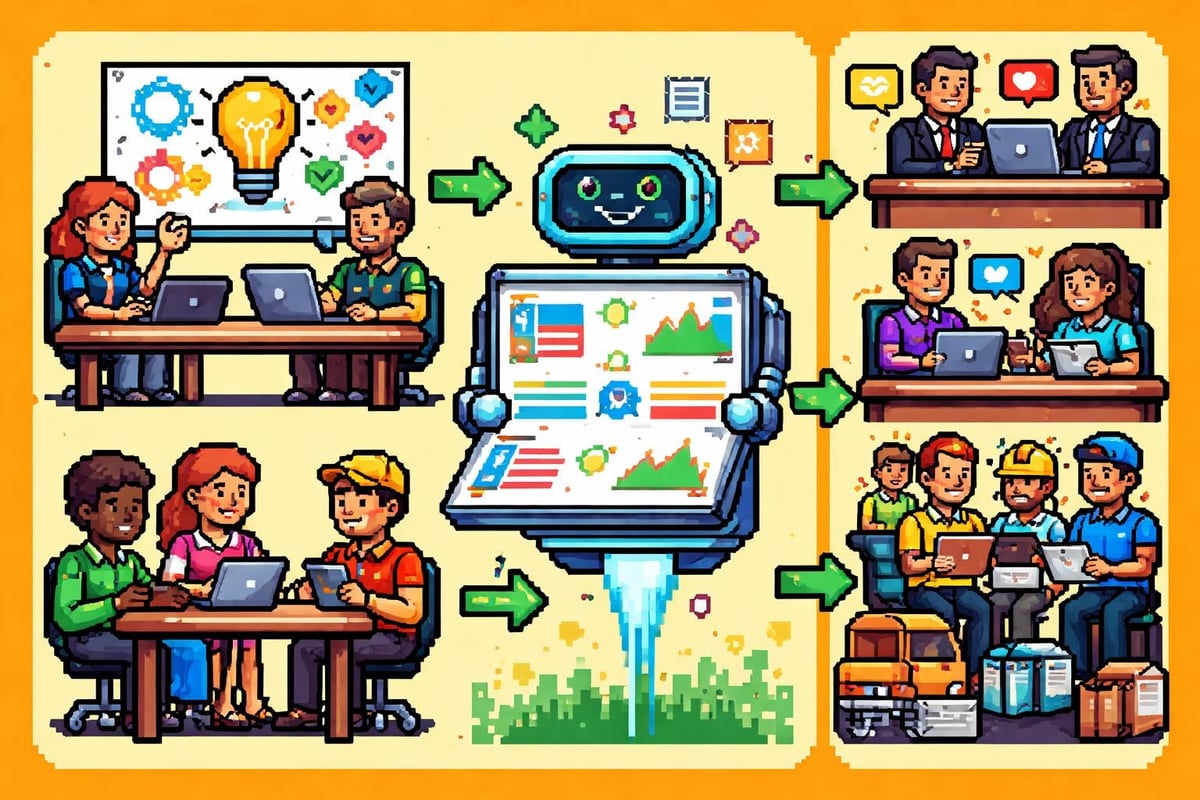
Campaign presentations generated through tome ai maintain consistent messaging while adapting format for different channels. A single content brief can produce board-level strategy presentations, detailed execution plans for implementation teams, and simplified overviews for external partners, all maintaining narrative cohesion.
Training and Internal Communications
Human resources and operations teams use tome ai for onboarding materials, training modules, and policy communications. The platform's ability to transform dense documentation into engaging visual narratives improves information retention and employee engagement.
Training presentations can embed assessment quizzes, demonstration videos, and reference documents, creating comprehensive learning experiences within single presentations. This consolidation reduces the complexity of training programs while improving accessibility for remote and distributed teams.
Integration with Existing Business Workflows
Tome ai functions as part of broader technology ecosystems rather than requiring isolated workflows. The platform offers integration capabilities that connect with tools businesses already use for project management, collaboration, and content storage.
API and Third-Party Connections
The platform provides API access allowing custom integrations with CRM systems, marketing automation platforms, and content management solutions. Businesses can trigger presentation generation based on pipeline events, automatically creating pitch decks when opportunities reach certain stages.
For companies exploring comprehensive business tools and productivity solutions, tome ai connects with platforms like Notion, Airtable, and Monday.com. This interoperability ensures presentation content reflects current data without manual updates.
Collaboration and Review Processes
Team collaboration features enable multiple stakeholders to review and refine AI-generated presentations. The platform tracks changes, maintains version history, and facilitates comment-based feedback directly on slides. These capabilities replicate familiar workflows from tools like Google Slides while adding AI-powered content suggestions.
Approval workflows can be configured to route presentations through required reviewers before finalization. This systematic approach ensures presentations meet quality and compliance standards, particularly important for regulated industries or public communications.
Pricing Structure and Value Considerations
Tome ai offers multiple pricing tiers designed to accommodate different business sizes and usage patterns. Understanding these options helps organizations select appropriate access levels while managing costs effectively.
Free and Premium Tiers
The free tier provides basic access to AI generation features with limitations on monthly credits and certain premium capabilities. This option works well for individuals or small teams testing the platform before committing to paid subscriptions.
Premium tiers unlock higher generation limits, advanced customization options, priority processing, and collaboration features. Enterprise packages add custom branding, API access, dedicated support, and usage analytics that help organizations optimize presentation workflows.
| Plan Level | Monthly Cost | AI Generations | Key Features |
|---|---|---|---|
| Free | $0 | 50 credits | Basic generation, standard templates |
| Pro | $16 | 500 credits | Custom branding, advanced embeds |
| Business | $40 | Unlimited | Team collaboration, API access |
| Enterprise | Custom | Unlimited | Dedicated support, SSO, analytics |
When evaluating cost, businesses should compare time savings against subscription fees. If tome ai reduces presentation creation from four hours to thirty minutes, the productivity gains typically justify premium pricing even for small teams.
Best Practices for Maximizing Tome AI Effectiveness
Success with tome ai requires strategic implementation beyond simply accessing the platform. Organizations that establish clear guidelines and workflows extract significantly more value than those using the tool ad hoc.
Input Quality and Prompt Engineering
The quality of generated presentations directly correlates with input specificity. Vague prompts like "create a sales deck" produce generic results, while detailed descriptions including audience characteristics, key messages, and desired outcomes yield targeted content.
Effective prompt components include:
- Target audience definition with experience level and priorities
- Core objectives stating what the presentation should accomplish
- Specific data points or statistics to incorporate
- Tone preferences ranging from formal to conversational
- Length parameters indicating desired slide count
Teams should develop prompt templates for recurring presentation types, refining these frameworks based on results. This iterative improvement creates increasingly effective starting points for generation.

Post-Generation Refinement Strategies
AI-generated content serves as sophisticated first drafts rather than final products. The most successful users treat tome ai output as frameworks requiring human judgment and refinement. Critical review should focus on factual accuracy, narrative flow, and alignment with strategic messaging.
Editing should preserve the structural integrity created by the AI while enhancing content with specific examples, current data, and organizational context. This collaborative approach between AI efficiency and human expertise produces presentations superior to either method alone.
Template Development and Reuse
Organizations should invest time creating customized templates that reflect their presentation needs. Well-designed templates accelerate future generation while ensuring outputs align with brand standards and communication preferences. These templates become increasingly valuable as presentation libraries grow.
Template libraries should cover common scenarios like investor updates, product launches, training sessions, and customer success stories. Each template includes content guidelines, visual preferences, and structural requirements that tome ai incorporates during generation.
Security and Data Considerations
Enterprise adoption of AI tools requires careful evaluation of security, privacy, and data handling practices. Tome ai implements standard protections, but organizations must understand how their information is processed and stored.
Data Privacy and Ownership
Content created through tome ai remains the intellectual property of the creating organization. The platform stores presentations on secure servers with encryption protecting data in transit and at rest. Enterprise plans offer additional controls including data residency options and custom retention policies.
Businesses handling sensitive information should review tome ai's data processing agreements and ensure compliance with relevant regulations like GDPR or HIPAA. Some organizations implement policies restricting confidential data from AI processing tools, using tome ai for general presentations while maintaining traditional workflows for sensitive content.
Access Controls and Permissions
Administrative features allow organizations to manage user access, control sharing permissions, and monitor usage patterns. These capabilities ensure presentations reach appropriate audiences while preventing unauthorized distribution of proprietary information. Role-based access controls align with organizational hierarchies, granting different capabilities to creators, reviewers, and viewers.
Comparing Tome AI to Alternative Solutions
The presentation AI landscape includes multiple competitors, each with distinct approaches and capabilities. Understanding how tome ai compares helps businesses select tools matching their specific requirements. For comprehensive comparisons across AI tools, organizations benefit from systematic evaluation frameworks.
Key competitors and differentiators:
- Beautiful.ai focuses on automated design but requires more manual content creation
- Pitch emphasizes team collaboration with lighter AI generation features
- Gamma offers similar AI narrative generation with different visual styling
- Canva Presentations provides extensive templates but less sophisticated AI content generation
Tome ai's strength lies in narrative intelligence that creates coherent storylines rather than simply formatting user-provided content. This distinction matters most for users starting without detailed outlines, where tome ai's ability to structure presentations from concepts provides significant value.
Future Developments and Platform Evolution
The presentation AI category continues rapid evolution as underlying language models improve and user feedback shapes feature development. Tome ai regularly releases updates expanding capabilities and refining generation quality.
Emerging Capabilities
Recent platform additions include enhanced data visualization that automatically generates charts from raw numbers, voice narration features that add AI-generated audio to presentations, and multilingual support for global teams. These expansions address common user requests while differentiating tome ai from competitors.
The platform increasingly integrates with specialized business tools, creating workflows where presentations automatically update based on connected data sources. A sales dashboard might trigger updated investor presentations when metrics change, maintaining current information without manual intervention.
Industry Adoption Trends
Adoption patterns show particular strength in technology companies, consulting firms, and venture capital, where presentation demands are high and audiences expect sophisticated visual communication. These early adopters provide feedback driving feature priorities and use case development.
As conversational AI and automation become standard business capabilities, tools like tome ai transition from competitive advantages to baseline expectations. Organizations not leveraging AI-assisted presentation creation increasingly face productivity disadvantages compared to competitors using these accelerated workflows.
Implementation Recommendations for Organizations
Successfully deploying tome ai across teams requires strategic planning beyond individual user adoption. Organizations should approach implementation systematically to maximize return on investment and user engagement.
Rollout Strategy
Phased implementation beginning with pilot teams allows organizations to develop best practices before company-wide deployment. Early adopter groups should include heavy presentation creators who can identify optimal workflows and create usage guidelines for broader teams.
Training should emphasize prompt engineering and post-generation refinement rather than simply demonstrating features. Users who understand how to extract maximum value from AI generation achieve substantially better results than those treating the platform as a simple template library.
Measuring Success and ROI
Organizations should establish metrics tracking time savings, presentation quality improvements, and user satisfaction. Quantifying these benefits justifies ongoing investment and identifies optimization opportunities. Common measurement approaches compare pre-implementation presentation creation time against post-implementation duration for similar deliverables.
Quality assessments might track audience engagement metrics, conversion rates for sales presentations, or stakeholder feedback scores. These outcome measures provide more meaningful value indicators than simple usage statistics.
Tome ai represents a significant advancement in how businesses create and deliver presentations, combining generative AI with intuitive design to accelerate content production while maintaining professional quality. The platform's ability to transform concepts into structured narratives addresses one of the most time-consuming aspects of business communication, freeing teams to focus on strategy and delivery rather than slide formatting. Whether you're exploring presentation tools or seeking comprehensive solutions across your business operations, ToolStacked provides expert reviews and comparisons of AI automation platforms to help you make informed decisions for your organization.