
10 Essential Small Business Tools to Boost Growth in 2025
Business technology is evolving at breakneck speed, reshaping how companies operate and compete. For small business owners, agility will be the key to thriving in 2025’s dynamic landscape.
This article is designed to guide you through the world of small business tools that can unlock new opportunities for growth. From AI and automation to collaboration platforms and advanced marketing solutions, the right choices can transform your business.
Ready to discover which small business tools will keep you ahead of the curve? Dive in and empower your business to reach its full potential in the year ahead.
Why the Right Tools Are Critical for Small Business Growth in 2025
Selecting the right small business tools can make the difference between stagnation and rapid growth in today's evolving market. As the landscape shifts in 2025, technology is not just an advantage, it is a necessity for staying competitive and agile.
The Shift Toward Automation and AI
Small businesses are increasingly turning to automation and AI to streamline tasks, minimize manual labor, and lower costs. In 2025, nearly 35 percent of small businesses plan to invest in AI-driven solutions, such as chatbots that handle customer inquiries around the clock. According to AI adoption rates among small businesses, there has been a 43 percent increase in adoption from 2023 to 2025. Embracing small business tools powered by AI allows owners to focus on value-added activities while technology manages repetitive processes.
The Impact of Remote and Hybrid Work
Remote and hybrid work have fundamentally changed how teams operate, making digital collaboration essential. More than 70 percent of small businesses now use cloud-based small business tools to facilitate project management and team communication. These platforms ensure that employees, whether in the office or remote, can share documents, manage tasks, and connect seamlessly. This shift allows businesses to maintain productivity and agility, regardless of physical location.
Streamlining Operations for Competitive Advantage
Integrated small business tools offer a strategic edge by connecting workflows and reducing operational bottlenecks. For example, using workflow automation to link sales, support, and inventory systems enables faster decision-making and fewer errors. Businesses that streamline their processes with these solutions often see measurable improvements in efficiency, freeing up resources for innovation and growth. Adopting the right technology stack is now essential for staying ahead of competitors.
Enhancing Customer Experience with Technology
Personalized and responsive customer service is vital for building loyalty. Modern small business tools such as automated scheduling, customer relationship management (CRM) platforms, and feedback systems empower teams to deliver tailored experiences. By leveraging these technologies, small businesses can respond faster to client needs, track interactions, and gather actionable insights, leading to higher satisfaction and repeat business.
The Cost-Benefit Equation for SMBs
Investing in small business tools delivers a strong return on investment compared to manual processes. Previously, only large enterprises could afford advanced technology. Now, affordable subscriptions and scalable platforms put enterprise-grade solutions within reach of every small business. The result is increased productivity, reduced errors, and the ability to adapt quickly to market changes. Careful selection ensures that each tool contributes directly to business goals.
10 Essential Small Business Tools to Boost Growth in 2025
Selecting the right small business tools is vital for thriving in 2025’s fast-paced market. The following 10 solutions are tailored to help small businesses automate processes, improve collaboration, and drive measurable growth. Each tool meets distinct business needs, from AI-powered automation to seamless team communication.
ToolStacked: AI & Automation Tool Hub
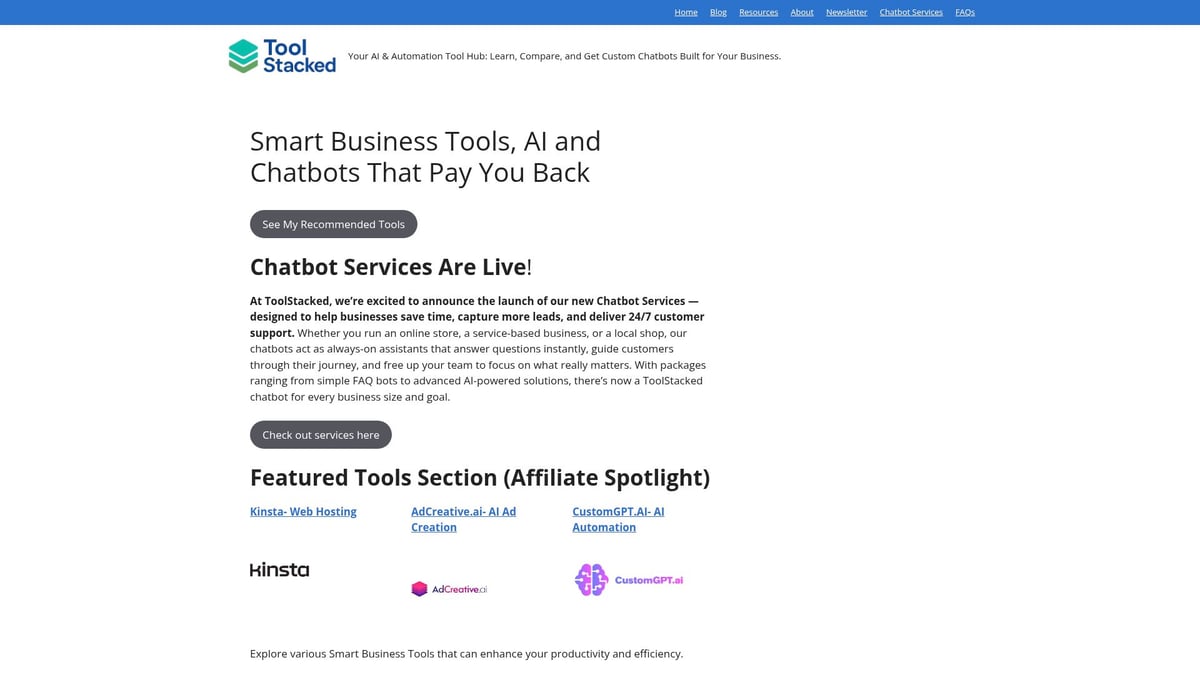
ToolStacked is a comprehensive platform dedicated to empowering small business tools adoption, especially in AI and automation. It offers custom chatbot packages, curated AI tool reviews, and educational resources, making it ideal for businesses exploring the latest technology.
Core Features:
- Custom chatbot development for websites and customer support
- In-depth reviews of trending AI and automation solutions
- Educational content on implementation best practices
Benefits:
- Streamlines customer interactions and lead capture
- Saves time on research with expert-curated recommendations
- Boosts productivity and efficiency through automation
Target Audience: SMBs, startups, e-commerce, and local service providers.
Pros: Tailored solutions, all-in-one platform, free access to reviews
Cons: Custom chatbot pricing not listed upfront
Use Case: A retailer deploys a tailored chatbot to manage FAQs and lead generation, freeing staff for high-value tasks.
Interested in more chatbot solutions? See this Affordable chatbots for small businesses review for practical options.
Google Workspace
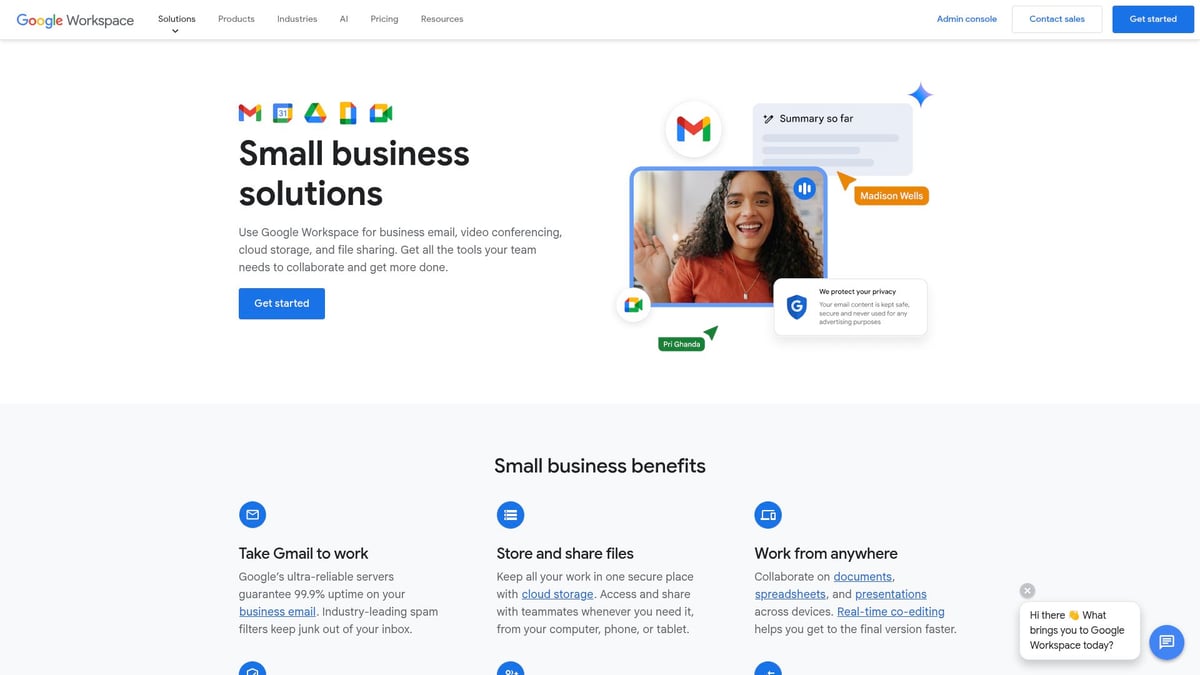
Google Workspace is a leading choice in small business tools for team collaboration and productivity. It includes Gmail, Drive, Meet, Chat, Calendar, Docs, Sheets, and Slides, all designed to work seamlessly together.
Core Features:
- Cloud storage and real-time document editing
- Integrated communication tools for teams
- Secure file sharing
Benefits:
- Enables remote and hybrid work environments
- Increases productivity with streamlined workflows
- Scales easily as your business grows
Target Audience: Teams needing cloud-based collaboration and document management.
Pros: Reliable, integrates with many apps, scalable
Cons: Some users face a learning curve
Use Case: Distributed teams collaborate on projects, edit documents, and schedule meetings in real time.
Motion: AI Executive Assistant & Project Management
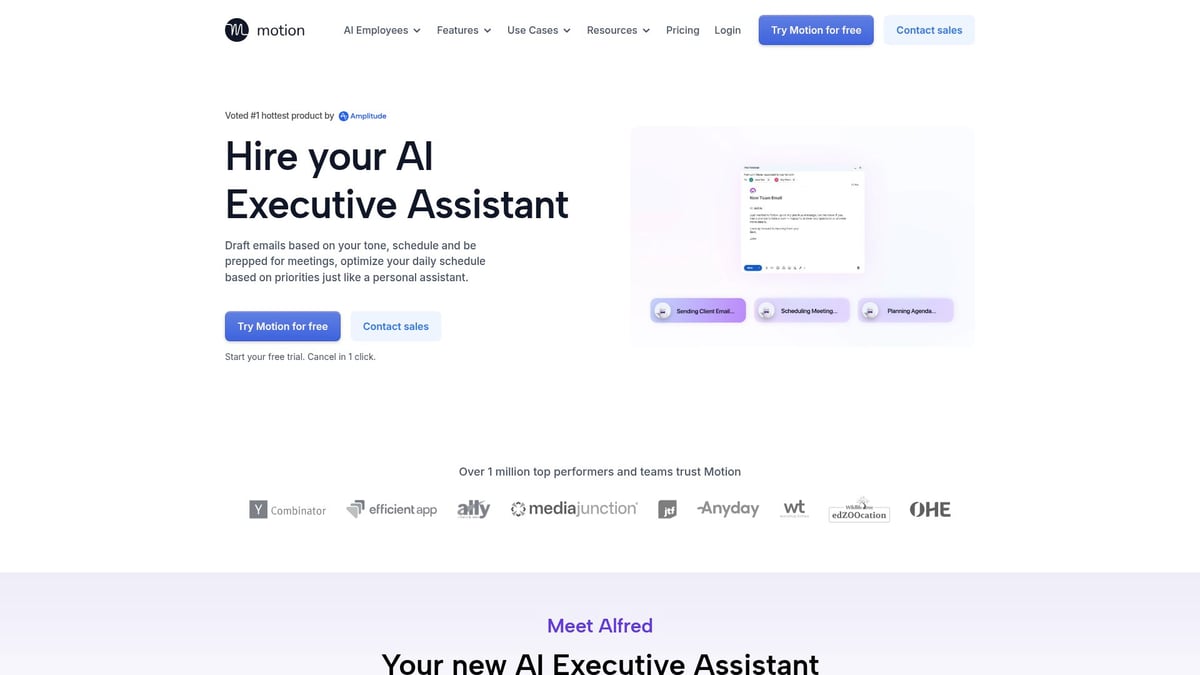
Motion brings AI-driven efficiency to small business tools by automating daily planning and project management. Its AI executive assistant helps entrepreneurs and managers stay organized and focused.
Core Features:
- AI-powered scheduling and auto-prioritization
- Gantt charts and workflow automation
- Project timelines managed intelligently
Benefits:
- Saves hours weekly by automating routine tasks
- Optimizes calendars and deadlines
- Increases team focus and project visibility
Target Audience: Entrepreneurs, managers, overwhelmed teams.
Pros: Powerful AI, integrates with calendars
Cons: May require adjustment period
Use Case: A business owner uses Motion to automate meeting scheduling and keep projects on track, boosting output.
Slack
Slack is a cornerstone among small business tools for internal communication. Its real-time messaging and robust integrations help teams stay connected and reduce reliance on email.

Core Features:
- Channels for organized discussions
- File sharing and searchable history
- App integrations for workflow automation
Benefits:
- Centralizes all team conversations
- Supports remote and hybrid work
- Reduces email overload
Target Audience: Teams of all sizes seeking efficient communication.
Pros: Customizable, extensive integrations
Cons: Can become noisy if not managed
Use Case: Marketing teams coordinate campaigns across locations, sharing updates and files instantly.
Trello
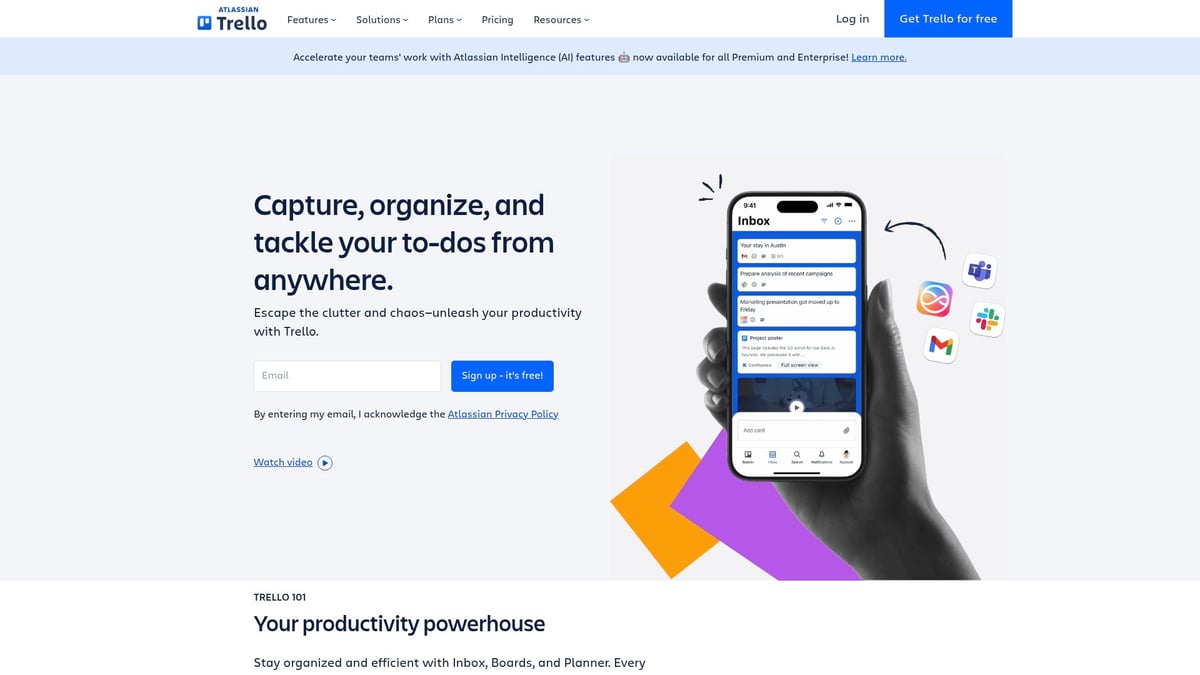
Trello stands out among small business tools for visual project management. Its intuitive Kanban boards and flexible workflows make task tracking straightforward for any team.
Core Features:
- Drag-and-drop task cards
- Checklists and due dates
- Automation through Butler and Power-Ups
Benefits:
- Clarifies priorities with visual boards
- Customizable workflows suit any project
- Free tier available for basic needs
Target Audience: SMBs, agencies, project managers, remote teams.
Pros: User-friendly, flexible, affordable
Cons: May lack depth for complex projects
Use Case: Agencies manage client deadlines and deliverables, tracking progress and accountability.
QuickBooks Online
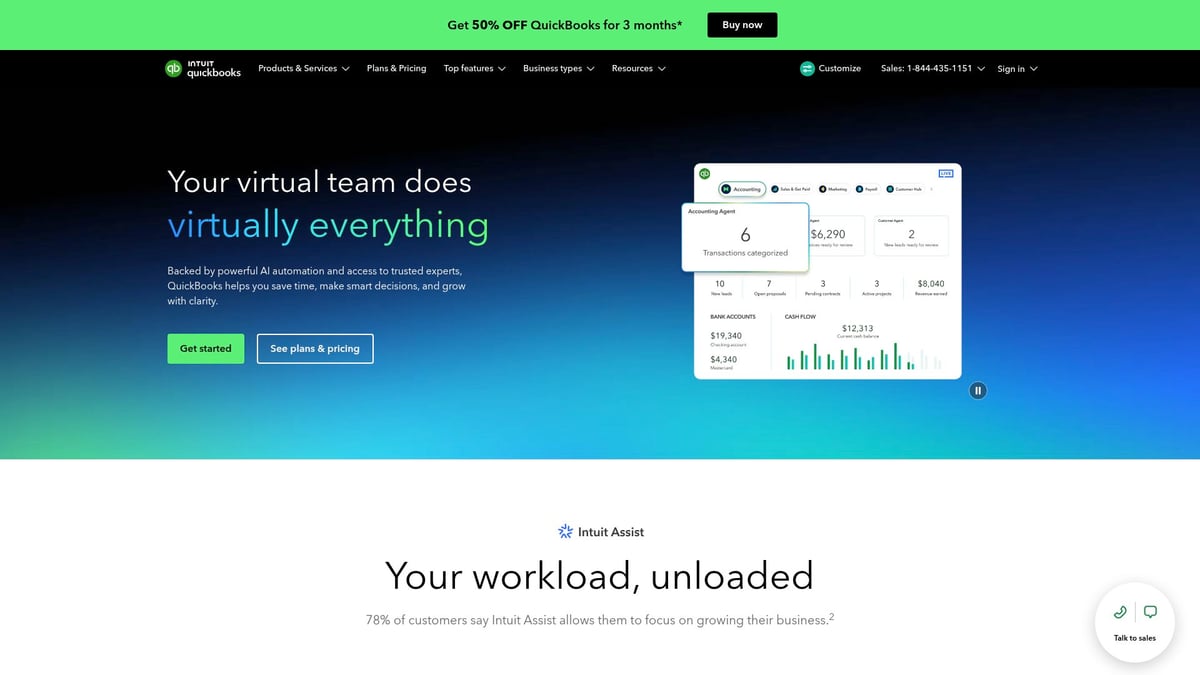
QuickBooks Online is a trusted name in small business tools for accounting and financial management. It simplifies bookkeeping, payroll, and tax preparation for SMBs and freelancers.
Core Features:
- Automated invoicing and expense tracking
- Payroll management and financial reporting
- Tax preparation support
Benefits:
- Saves time with automated bookkeeping
- Provides actionable financial insights
- Integrates with banks and payment platforms
Target Audience: Small businesses, accountants, freelancers.
Pros: Comprehensive, user-friendly
Cons: Costs can add up with add-ons
Use Case: Retailers automate invoices and track expenses, ensuring smooth tax season preparation.
Canva
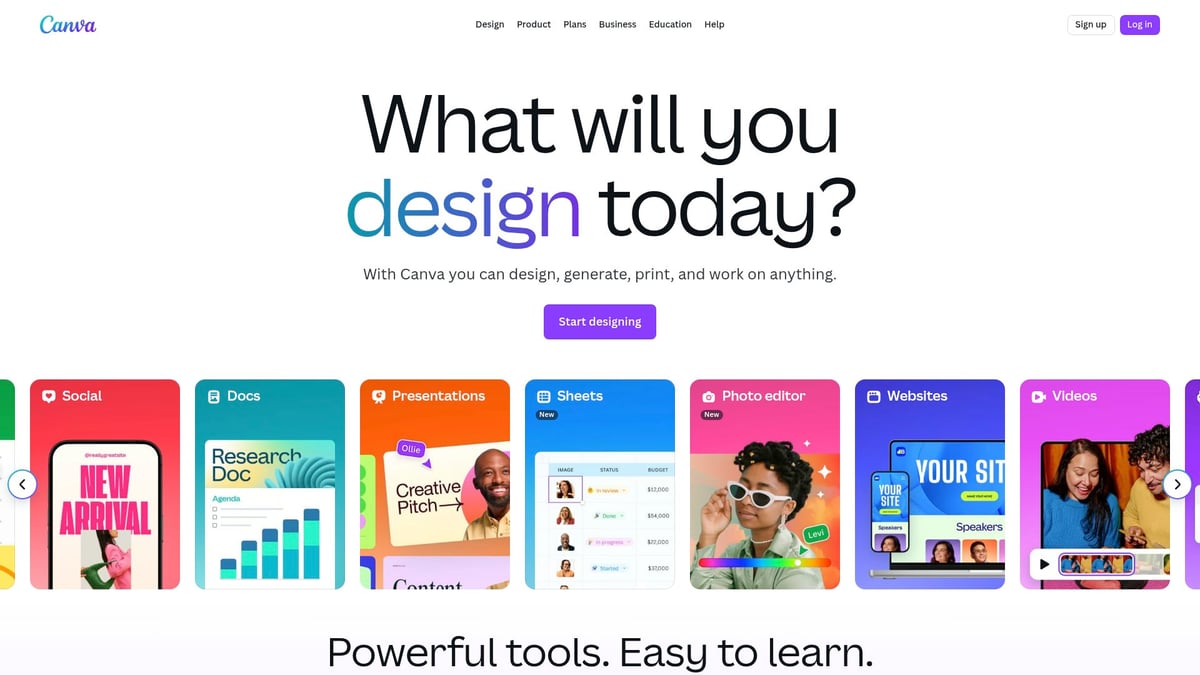
Canva democratizes design for small business tools needs, enabling anyone to create professional graphics with ease. Its drag-and-drop interface and templates help businesses maintain brand consistency.
Core Features:
- Thousands of customizable templates
- Brand kits and AI-powered design tools
- Social media, presentation, and marketing asset creation
Benefits:
- No design experience required
- Quick turnaround for marketing materials
- Extensive template library
Target Audience: SMBs, marketers, content creators.
Pros: Intuitive, free basic plan
Cons: Some features require Pro subscription
Use Case: Small businesses quickly generate branded social media posts and flyers to boost visibility.
Zoho CRM
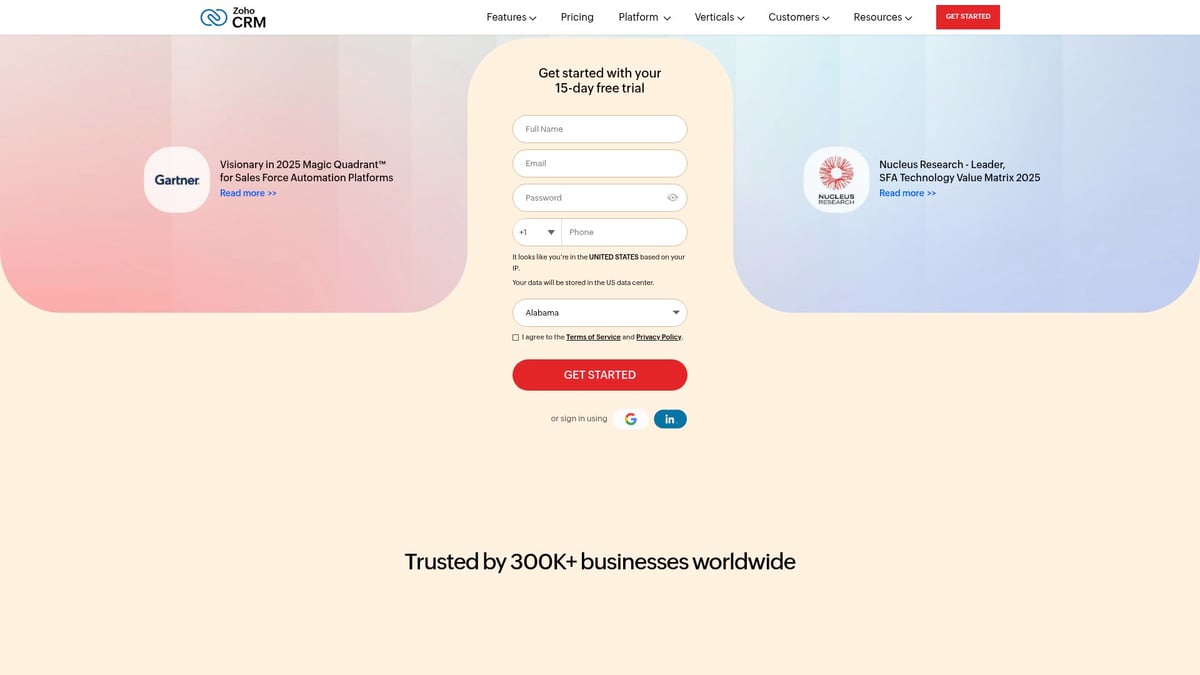
Zoho CRM is a robust addition to the suite of small business tools, centralizing customer information and automating sales processes. It enhances lead management and follow-up efficiency.
Core Features:
- Lead and pipeline management
- Workflow automation
- Analytics and multichannel communication
Benefits:
- Improves customer follow-up and engagement
- Customizable to fit unique business needs
- Affordable for growing teams
Target Audience: Sales teams, service providers, SMBs.
Pros: Extensive integrations, scalable
Cons: Interface may be overwhelming at first
Use Case: Consultancies automate lead tracking and follow-up emails, increasing conversion rates.
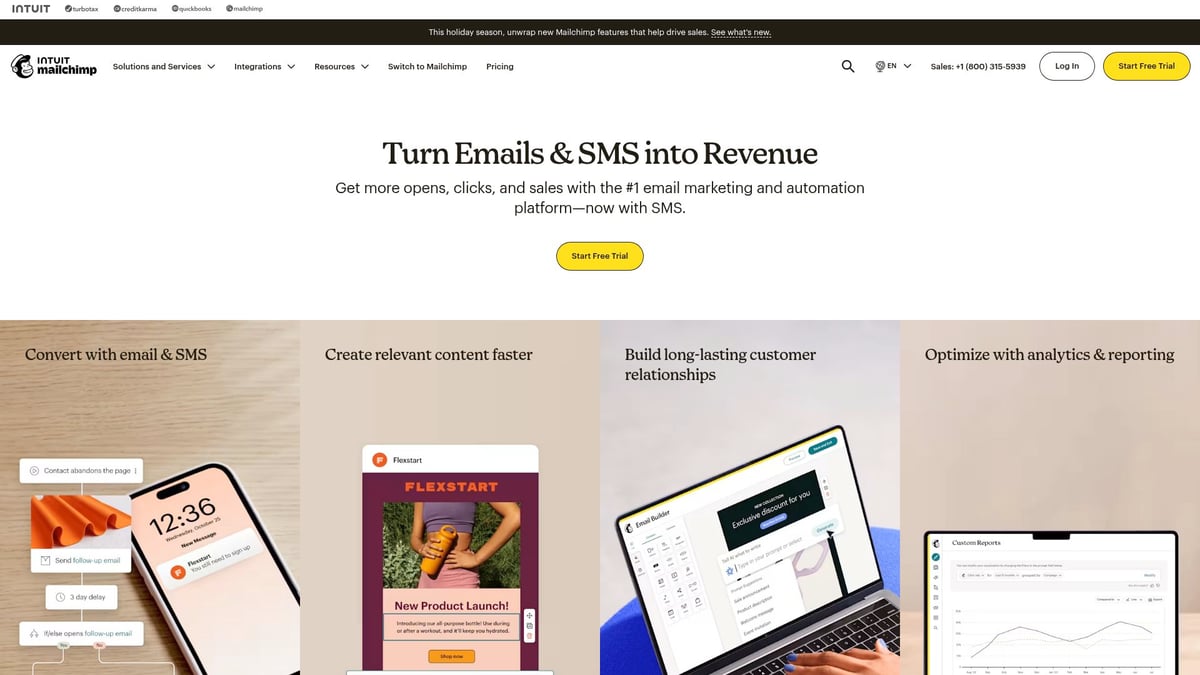
Mailchimp
Mailchimp is a leader in small business tools for email marketing and audience engagement. It simplifies campaign creation and automates communication with customers.
Core Features:
- Email marketing automation
- Landing page builder
- Audience analytics and segmentation
Benefits:
- Builds stronger customer relationships
- Automates promotional campaigns
- Tracks performance metrics
Target Audience: SMBs, e-commerce businesses, marketers.
Pros: User-friendly, robust analytics
Cons: Pricing increases with list size
Use Case: Boutiques automate promotional emails, encouraging repeat purchases and customer loyalty.
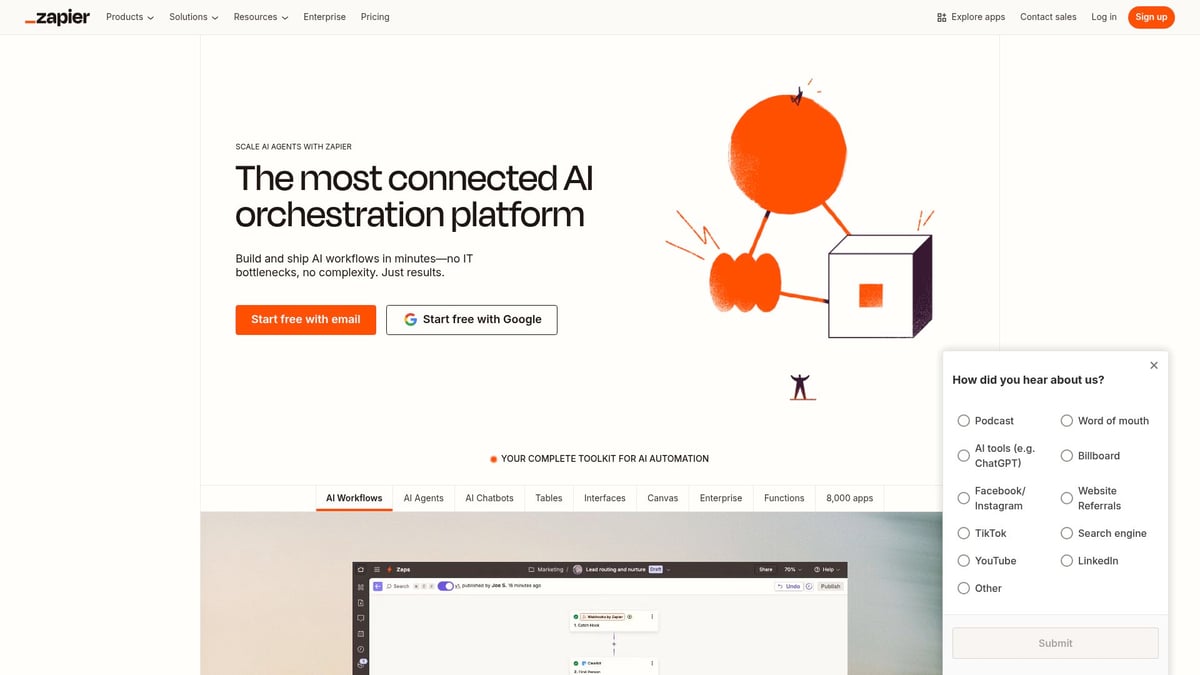
Zapier
Zapier connects and automates workflows between thousands of apps, making it one of the most versatile small business tools available. It empowers teams to focus on growth rather than manual tasks.
Core Features:
- Workflow automation with multi-step Zaps
- Integration of over 5,000 apps
- No coding required
Benefits:
- Automates repetitive processes
- Boosts productivity across platforms
- Supports rapid scaling
Target Audience: SMBs, solopreneurs, SaaS users.
Pros: Extensive app support, easy to use
Cons: Advanced features require paid plans
Use Case: Automates lead capture from web forms into CRM and email lists, reducing manual data entry.
How to Choose the Right Tools for Your Business Needs
Selecting the right small business tools is a strategic process that can dramatically impact your company’s growth trajectory. Begin by clearly defining your business goals and pinpointing the obstacles standing in your way. Are you aiming to boost sales, improve efficiency, or enhance customer support? Map out your current workflows and look for recurring bottlenecks. For example, if your team struggles with repetitive administrative tasks, exploring automation solutions may be the answer. Resources like Building a custom AI agent can help you quickly address these specific needs with the right small business tools.
Assessing Your Business Goals & Pain Points
Start by identifying the main objectives you want to achieve with small business tools. Are you seeking better time management, more efficient communication, or improved customer engagement? Review your current processes and highlight areas where delays or errors frequently occur. For instance, if missed appointments are an issue, a scheduling automation tool could be a game changer. Prioritize your most pressing pain points to ensure you select solutions that will have the greatest immediate impact.
Evaluating Features, Integrations, and Scalability
Not all small business tools are created equal. Develop a checklist of essential features that align with your business goals. Consider how each tool integrates with your existing software stack. Integration is critical for avoiding data silos and ensuring a seamless workflow. Scalability is also key, so choose tools that can grow alongside your business. Investing in scalable solutions now will help you avoid costly migrations in the future.
Considering Cost vs. ROI
Budget is always a concern for small businesses. Compare the upfront costs and subscription models of different small business tools. Look at the potential return on investment, such as time saved and increased productivity. Data shows that automation can lead to up to 30 percent time savings for businesses. Determining the balance between cost and value will help you make smarter decisions and maximize your resources.
Prioritizing User Experience and Support
A tool’s usability can greatly affect team adoption rates. Opt for small business tools with intuitive interfaces and reliable customer support. Teams are more likely to embrace solutions that are easy to navigate and backed by responsive help. Fast onboarding reduces downtime and allows your staff to focus on what matters most—serving your customers and growing your business.
Testing and Iteration
Before committing to any small business tools, take advantage of free trials and demos. Encourage team members to test the tools and provide feedback. This iterative approach helps you identify the best fit and ensures that the tool will integrate smoothly into your operations. A careful pilot phase can prevent costly missteps and set the stage for long-term success.
Maximizing ROI: Best Practices for Implementing Small Business Tools
Maximizing the return on investment from small business tools requires a strategic, ongoing approach. By setting clear goals, empowering your team, integrating systems, and continuously optimizing, you can ensure that technology delivers measurable business value.
Set Clear Objectives and KPIs
Begin by defining what you want your small business tools to achieve. Set specific, measurable objectives, such as reducing customer response time or increasing sales conversion rates.
For each tool, establish key performance indicators (KPIs) that align with your business goals. For instance, small businesses adopting AI solutions often target a 20 percent reduction in manual tasks. According to AI adoption trends in small businesses, clear KPIs help track progress and justify technology investments.
By clarifying expectations upfront, you create a roadmap for measuring success.
Train Your Team Effectively
A tool is only as effective as the people using it. Provide comprehensive onboarding and training for all small business tools introduced to your workflow.
Develop structured training sessions, offer user guides, and encourage peer support. Teams that receive proper training on small business tools see adoption rates climb by up to 50 percent. Reviewing resources like the AdCreative AI tool pros and cons can highlight both benefits and challenges, helping you tailor your training approach.
Regular knowledge sharing sessions keep everyone aligned and confident.
Integrate Tools for Seamless Workflows
Connecting your small business tools is essential for eliminating data silos and streamlining operations. Integrate systems such as CRM, email marketing, and project management platforms to enable smooth data flow.
Use automation platforms to connect tools without manual effort. This approach ensures your team spends less time switching between apps and more time on value-added tasks. Integrated small business tools provide a unified view of operations, supporting better decision-making and efficiency.
A well-integrated stack accelerates growth and reduces frustration.
Monitor, Analyze, and Optimize Performance
Once your small business tools are in place, continuously monitor their performance. Analyze usage data and reports to identify trends, bottlenecks, or underutilized features.
Adjust workflows based on insights from analytics. For example, if a tool is not delivering the expected ROI, consider retraining staff or exploring alternative solutions. Frequent reviews ensure your small business tools evolve with your needs.
Optimization is an ongoing process that drives sustained improvements.
Stay Updated on New Features and Trends
Technology evolves quickly, and so do small business tools. Stay informed by subscribing to newsletters, attending webinars, and joining user communities relevant to your industry.
Early adoption of new features can give your business a competitive edge. Teams that keep up with trends are more likely to leverage the latest advancements, ensuring their small business tools remain effective.
Encourage a culture of continuous learning to maximize technology benefits.





One Comment