
9 Essential Best Tools for Online Business in 2026
Online businesses are booming, with more entrepreneurs entering the digital marketplace every year. In fact, studies show online business activity will outpace traditional retail by 2026, making the right technology more important than ever.
With rapid advancements in automation and digital marketing, staying ahead means constantly updating your tool stack. The best tools for online business can streamline your workflow, boost productivity, and fuel long-term growth.
In this article, you'll discover 9 essential solutions chosen for their impact across automation, marketing, e-commerce, collaboration, analytics, and more. Get ready to elevate your business strategy and maximize results in 2026.
Why Choosing the Right Tools Matters in 2026
Selecting the best tools for online business is no longer just an option, it is a necessity for thriving in 2026. As digital landscapes evolve rapidly, the right technology choices can be the difference between scaling up and falling behind.
The Impact of Technology on Online Business Success
The digital transformation sweeping through commerce is redefining what it means to operate an online business. In 2026, companies face unprecedented complexity and fierce competition as new entrants leverage the best tools for online business to gain an edge. According to Gartner, 85 percent of businesses plan to increase their technology budgets by 2026, reflecting the urgency of staying up-to-date.
Using outdated or mismatched solutions can quickly erode profits and stunt growth. Businesses that fail to adapt may see operational costs rise and customer satisfaction drop. In contrast, those that adopt the best tools for online business often experience rapid scaling, improved workflow efficiency, and stronger customer engagement.
Artificial intelligence, automation, and seamless integration are central to modern workflows. These technologies empower teams to automate repetitive tasks, generate insights, and respond to customer needs in real time. However, with so many options available, tool overload is a real risk. Strategic selection, rather than chasing every new trend, ensures a cohesive and manageable stack that supports long-term success.
Key Criteria for Evaluating Online Business Tools
Choosing the best tools for online business requires a clear understanding of what drives value. Scalability, integration capabilities, ease of use, support quality, security, and return on investment should all be top priorities. Cloud-based and mobile-friendly solutions are now essential, enabling teams to work flexibly and securely from anywhere.
AI-powered features are increasingly important for efficiency and competitive advantage. Smart automation can eliminate bottlenecks and free up time for higher-value work. To ensure a good fit, many businesses pilot new tools, gather feedback, and compare user reviews before making a commitment.
A structured evaluation process helps avoid costly mistakes. Consider using resources like the Tool comparison and strategy guide to benchmark different platforms and make informed decisions. Expert comparisons and community feedback are invaluable for identifying strengths and weaknesses before investing.
Ultimately, selecting the best tools for online business is not a one-time event but an ongoing process. Regularly reviewing your stack and adapting to new trends ensures your business remains agile, secure, and primed for growth.
9 Essential Best Tools for Online Business in 2026
Selecting the best tools for online business can transform how you work, compete, and grow in 2026. Below, we explore nine standout solutions, each offering unique advantages to streamline your operations, maximize productivity, and future-proof your workflow. From AI-powered automation to seamless payment processing, these platforms are at the forefront of digital innovation for online businesses.
ToolStacked: AI & Automation Tool Hub
When it comes to the best tools for online business, ToolStacked stands out as a central hub for AI and automation solutions. Its custom chatbot packages, free guides, and affiliate-supported recommendations empower businesses to embrace automation without a steep learning curve.
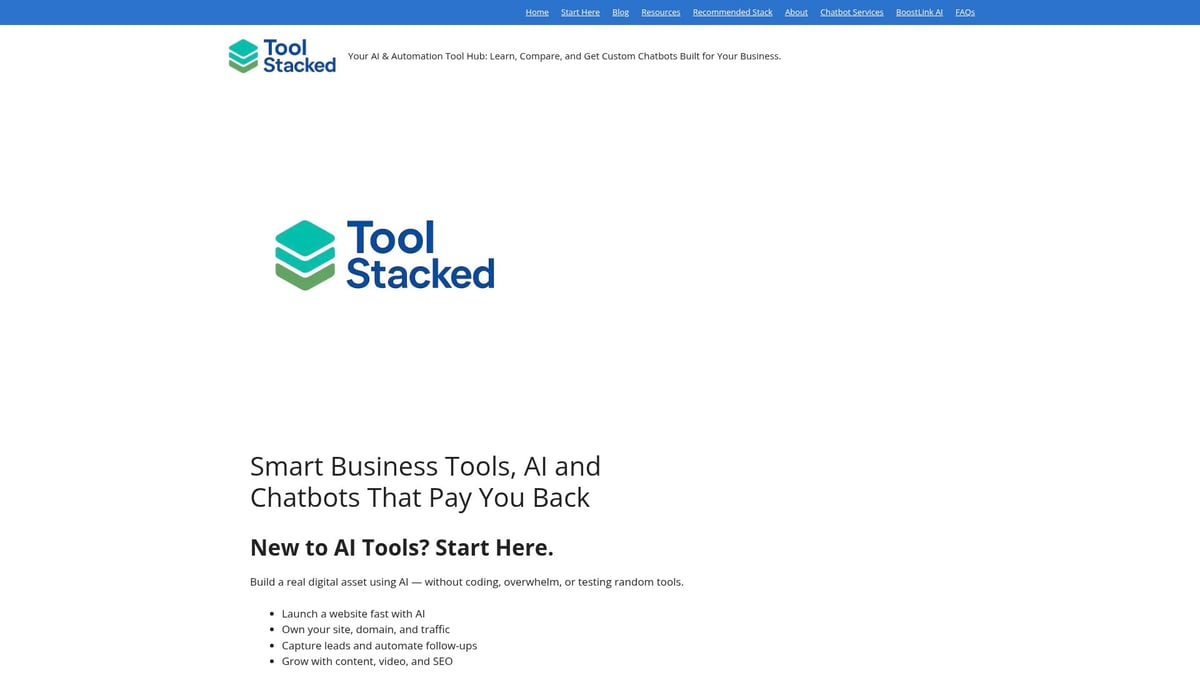
ToolStacked's core features include custom chatbot development, in-depth AI tool comparisons, and educational resources. Entrepreneurs, creators, and service businesses benefit from rapid deployment and ongoing support. With no coding required, even beginners can streamline workflows and engage customers more effectively.
A key advantage is ToolStacked’s continuous updates and vetted recommendations, ensuring you always have access to the latest best tools for online business. Pricing varies by service, and while chatbot costs are not listed upfront, the platform’s educational value is unmatched.
For those seeking a curated path through the evolving AI landscape, ToolStacked also offers a comprehensive guide to essential AI tools for business, providing deeper insights for every growth stage.
Shopify: E-Commerce Platform
Shopify is synonymous with e-commerce and one of the best tools for online business in 2026. Its scalable platform starts at $39 per month and supports everyone from solo entrepreneurs to global brands.

Core features include a user-friendly website builder, integrated payment processing, inventory management, and access to a vast app ecosystem. Shopify makes it easy to launch, customize, and grow your online store. Dropshipping, omnichannel sales, and robust analytics are built in, helping businesses adapt quickly.
The platform’s high uptime, customizable templates, and strong community support make it a favorite among online retailers. However, advanced features may require add-ons, and transaction fees apply unless you use Shopify Payments.
Shopify’s reputation as an industry leader ensures you are leveraging one of the best tools for online business, ready to capitalize on e-commerce growth and trends.
ClickUp: All-in-One Project Management
For businesses seeking the best tools for online business to manage projects and teams, ClickUp provides a comprehensive, flexible solution. Its free plan and affordable paid options (from $7 per user monthly) make it accessible to startups and established teams alike.
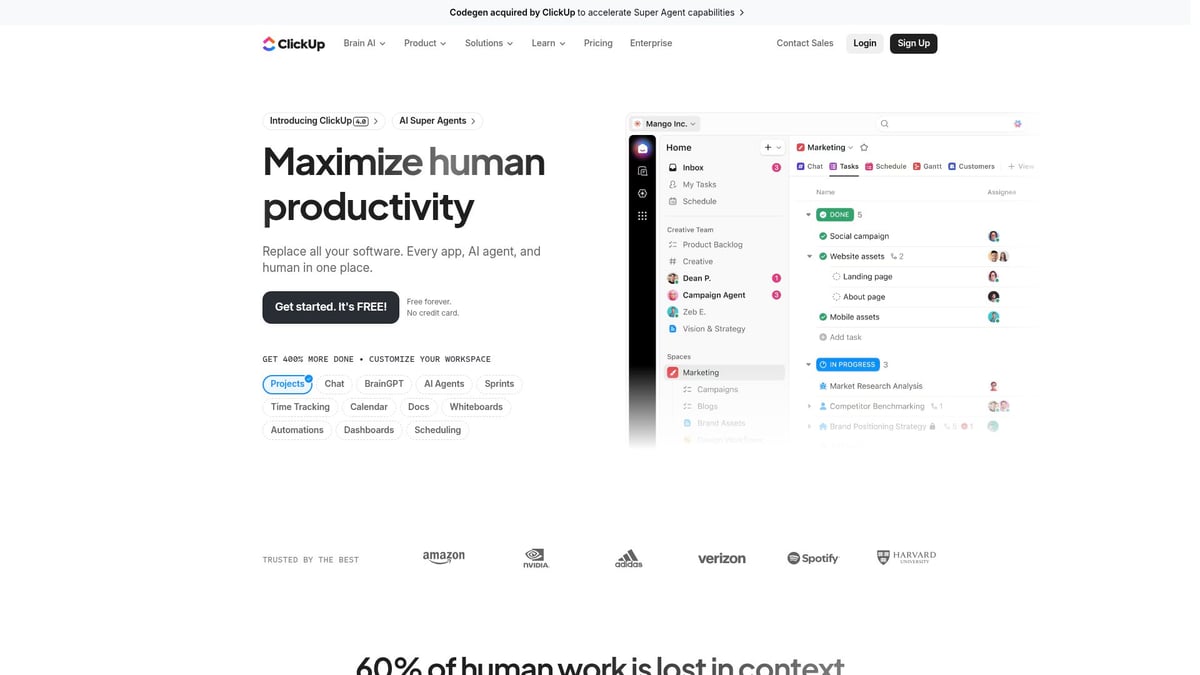
ClickUp centralizes task management, document collaboration, goal tracking, and workflow automation in a single platform. The customizable dashboards and integrations cater to remote teams, agencies, and SMBs, supporting diverse project needs.
While ClickUp’s rich feature set can present a learning curve, its flexibility and continuous enhancements position it as a leading choice. Advanced features do require premium plans, but the all-in-one approach streamlines operations.
ClickUp’s ability to unify project management and automation makes it one of the best tools for online business, especially for teams that value productivity and adaptability.
HubSpot: CRM & Marketing Automation
HubSpot is a cornerstone among the best tools for online business, especially for those prioritizing customer relationship management and marketing automation. Its free CRM and scalable paid plans (starting at $20 per month) support a wide range of business models.
HubSpot brings together CRM, email marketing, workflow automation, lead capture, analytics, and chatbots. This unified growth platform is ideal for SMBs, B2B companies, SaaS providers, and agencies seeking to nurture leads and streamline customer journeys.
The platform’s robust onboarding, extensive integrations, and strong support resources set it apart. While setup can be complex for large teams and advanced features may be costly, HubSpot’s inbound marketing reputation is unmatched.
With HubSpot, you are investing in one of the best tools for online business, designed to foster meaningful connections and drive measurable growth.
Zapier: Workflow Automation
Zapier is a leader in workflow automation and a top contender among the best tools for online business. Its free plan and paid options from $19.99 per month make it accessible for businesses of all sizes.
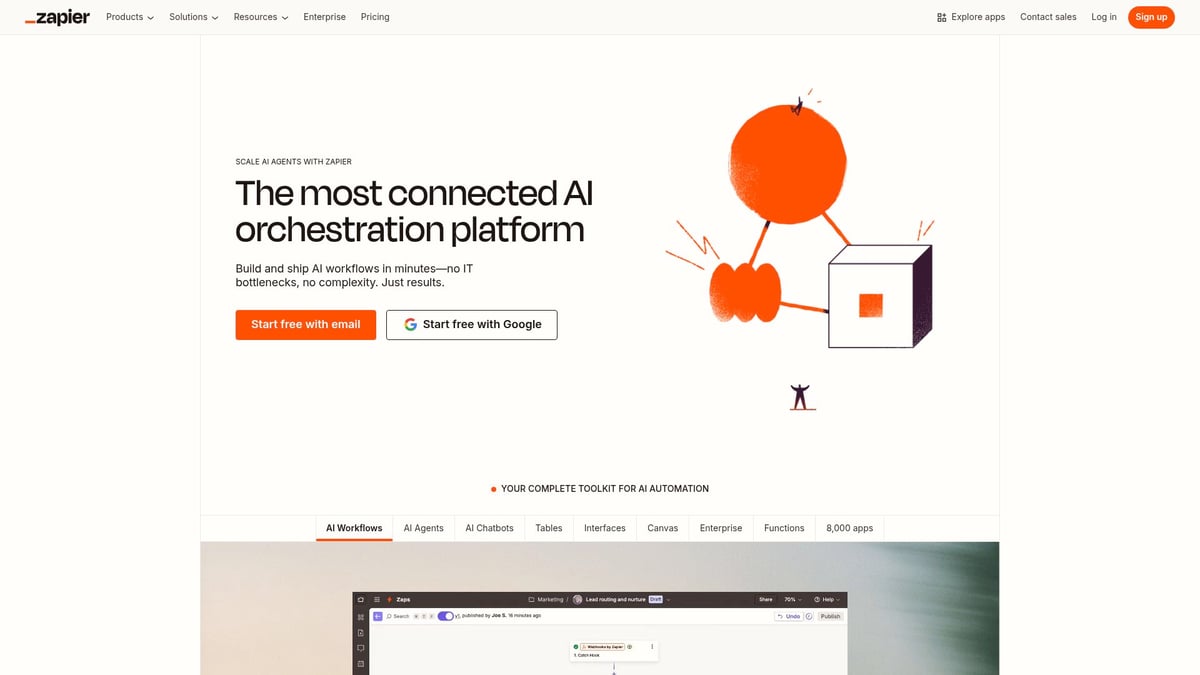
Zapier connects over 5,000 apps, allowing you to automate repetitive tasks and create custom workflows without coding. Features like multi-step automations and AI-powered triggers help reduce manual work and boost efficiency.
Solopreneurs, marketers, and remote teams value Zapier’s intuitive setup and vast integration library. As your automation needs grow, advanced features may require higher-tier plans, but the time savings are substantial.
Zapier’s flexibility and no-code approach solidify its place among the best tools for online business, enabling you to focus on strategy rather than routine processes.
Canva: Visual Content Creation
Visual storytelling is essential, and Canva is one of the best tools for online business in this space. Its free version and Canva Pro ($12.99 per month) offer a wealth of creative options for marketers, creators, and SMBs.
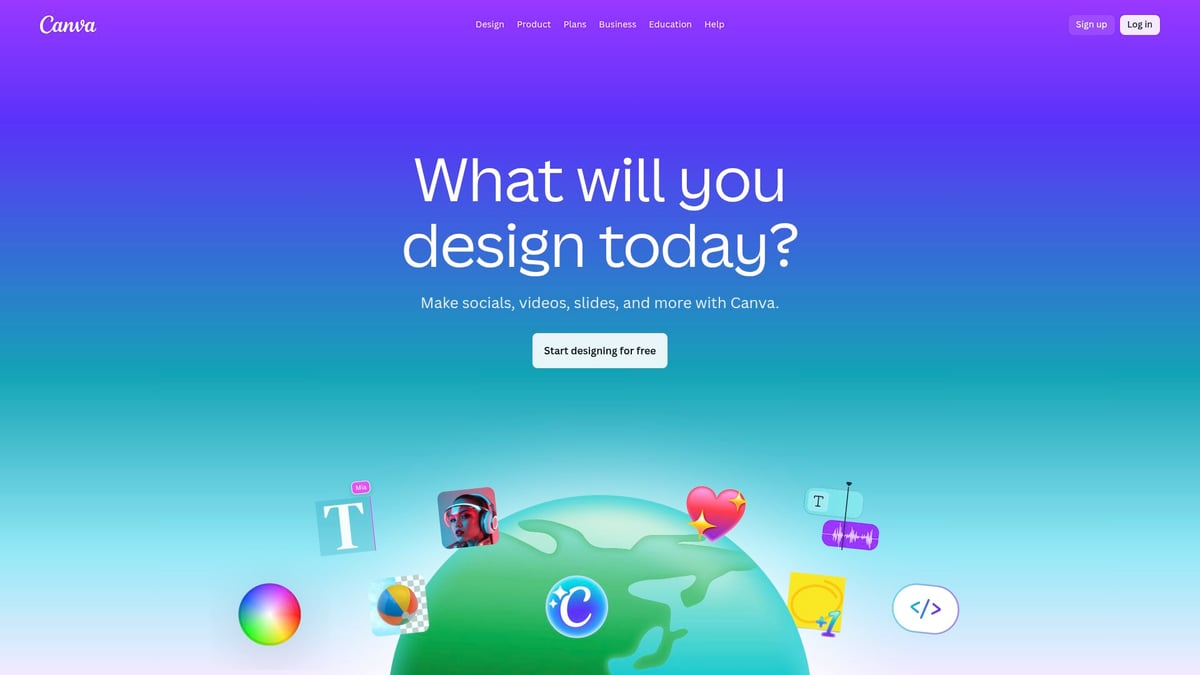
Canva’s drag-and-drop editor, extensive templates, AI image generation, and collaboration features make professional design accessible to all skill levels. Brand kits and team workspaces support consistent, on-brand visuals.
While some assets are locked behind the Pro tier and advanced design may require other tools, Canva democratizes design for non-experts. Its browser-based platform and AI-powered features set a new standard for creative agility.
For businesses needing fast, effective visual content, Canva remains one of the best tools for online business, fostering creativity and brand impact.
Stripe: Online Payment Processing
Stripe is a powerful payment platform and one of the best tools for online business handling transactions worldwide. Its transparent pricing (2.9% + 30¢ per transaction) and developer-friendly APIs suit e-commerce, SaaS, and marketplaces.
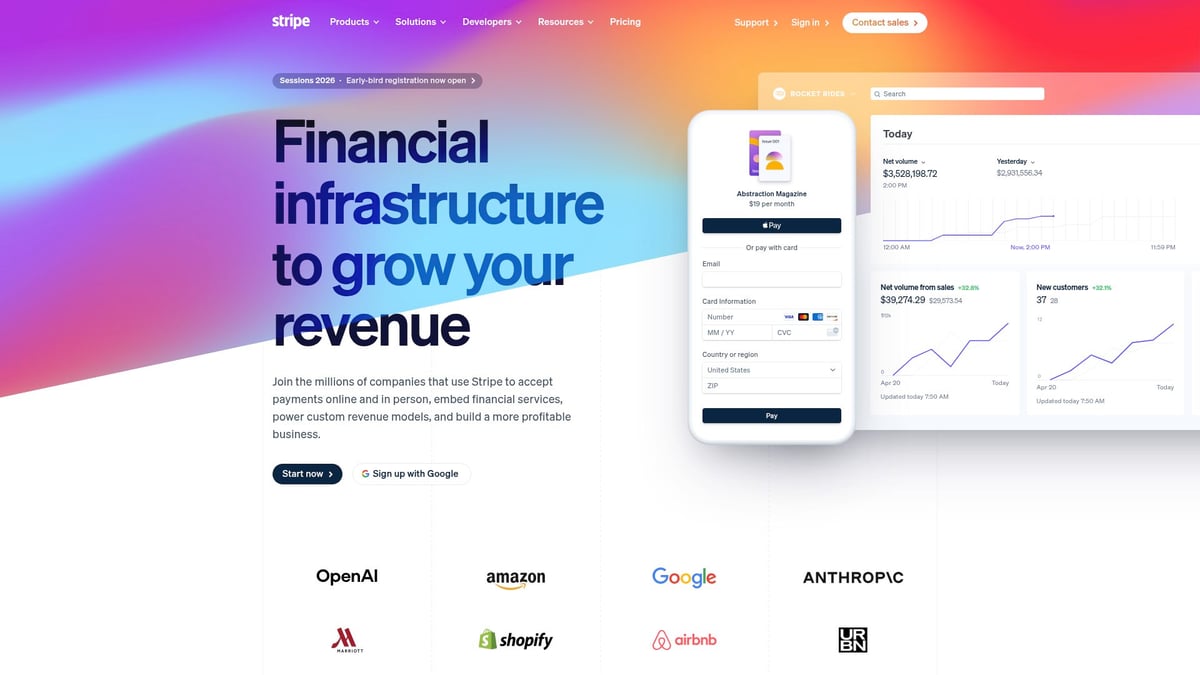
Stripe’s core features include secure payment processing, subscriptions, invoicing, fraud detection, and support for multiple currencies. Its robust security and global reach attract both startups and enterprise clients.
Although some technical setup is needed and smaller accounts may experience slower support, Stripe’s reputation for reliability and innovation is strong. Custom pricing is available for large-scale businesses, ensuring flexibility as you scale.
By choosing Stripe, you equip your business with one of the best tools for online business, ready for seamless, secure financial operations.
Ahrefs: SEO & Competitive Analysis
Staying visible online requires the best tools for online business in SEO, and Ahrefs leads in this domain. Starting at $99 per month, Ahrefs delivers powerful site audits, keyword research, competitor analysis, and backlink tracking.
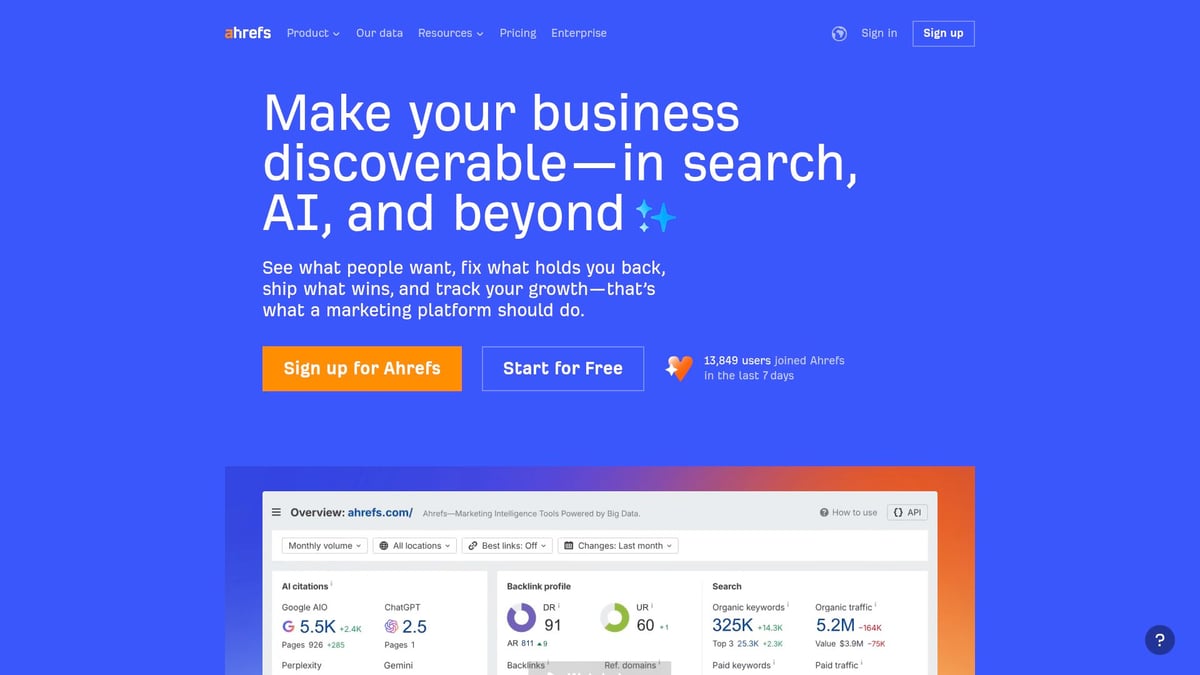
Its massive backlink index, frequent updates, and actionable insights help marketers and content creators boost search rankings and uncover growth opportunities. While the learning curve and pricing may challenge smaller businesses, the platform’s data quality is unmatched.
Ahrefs supports comprehensive SEO strategies, making it indispensable for those serious about digital growth. Its industry-leading data ensures your business stays ahead in competitive markets.
Investing in Ahrefs means choosing one of the best tools for online business to drive organic traffic and outperform competitors.
Slack: Team Communication
Effective communication is at the core of the best tools for online business, and Slack excels in this area. With a free version and paid plans from $7.25 per user monthly, Slack supports teams of all sizes.
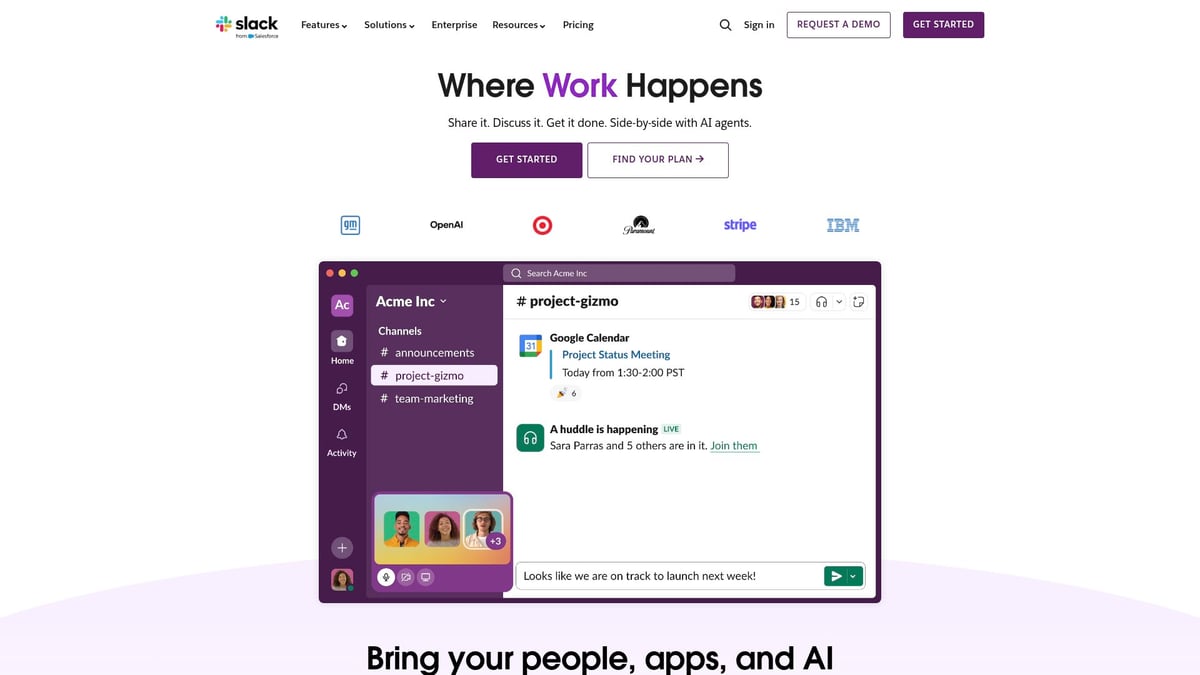
Slack’s features—channels, direct messaging, integrations, file sharing, and video calls—enable real-time collaboration for remote, hybrid, and distributed teams. Its intuitive interface and robust app directory promote seamless workflows.
While large teams may face higher costs and potential notification overload, Slack’s integration ecosystem and flexible notifications help maintain focus. Its role as the standard for business chat reinforces its value.
For businesses prioritizing efficient, connected teams, Slack is one of the best tools for online business, fostering productivity and collaboration.
Trends Shaping Online Business Tools in 2026
The landscape for the best tools for online business is evolving rapidly, driven by breakthroughs in technology, shifting work models, and increased regulatory scrutiny. Understanding the most influential trends is vital for entrepreneurs and business leaders who want to build a future-proof digital toolkit. Let us dive into the five defining trends that will shape your selection of the best tools for online business in 2026.
The Rise of AI and Automation
Artificial intelligence is transforming the best tools for online business by automating repetitive tasks, enhancing customer interactions, and generating insights at scale. AI chatbots, automated content generators, and predictive analytics are becoming standard features across platforms. According to Forrester, 70 percent of customer interactions will involve AI by 2026. This surge in automation translates to significant cost savings and enables businesses to scale faster.
Entrepreneurs seeking to harness these innovations should explore Top AI tools for entrepreneurs, which highlights solutions designed to boost productivity and streamline operations.
Integration and Interoperability
Seamless integration is now a non-negotiable feature for the best tools for online business. APIs, no-code connectors, and unified dashboards allow different systems to communicate effortlessly. Platforms like Zapier enable businesses to automate workflows and reduce manual labor by up to 40 percent.
A connected tool stack ensures efficiency, minimizes errors, and supports data-driven decision-making. As a result, businesses can adapt quickly to market changes while maintaining operational clarity.
Focus on Data Privacy and Security
With growing regulatory demands such as GDPR and CCPA, security is a top priority when selecting the best tools for online business. Tools that offer robust encryption, compliance certifications, and proactive monitoring stand out as industry leaders. For a deeper look at the evolving landscape, AI’s Impact on Cybersecurity in 2026 explores how AI is both a solution and a challenge in digital security.
Choosing secure platforms like Stripe and Shopify helps businesses safeguard customer data and maintain trust in a competitive environment.
Remote and Hybrid Work Enablement
The shift to remote and hybrid work is driving demand for the best tools for online business that support distributed teams. Cloud-based solutions, real-time communication channels, and collaborative project management platforms are now essential. According to Buffer, 60 percent of businesses operate with remote teams in 2026.
These tools empower teams to stay productive, maintain culture, and deliver results—regardless of location or time zone.
Customization and Scalability
As businesses grow, the best tools for online business must adapt to changing needs. Platforms offering modular features and customizable workflows allow organizations to scale without disruption. Shopify’s app ecosystem and ClickUp’s flexible modules are prime examples.
Investing in scalable tools ensures longevity and helps businesses remain agile in an unpredictable market.
How to Build Your Ideal Online Business Tool Stack
Building your ideal stack of the best tools for online business starts with honest self-assessment. Every business faces unique hurdles, from time-consuming manual tasks to disconnected software. To choose effectively, you must map where efficiency breaks down and where automation could unlock growth.
Assessing Your Business Needs
Begin by listing daily processes and pinpointing repetitive bottlenecks. Ask: Which workflows drain time or cause frustration? Diagram your current software stack and highlight what could be automated. This clarity helps you find the best tools for online business to address your specific pain points, streamlining operations and freeing up resources for growth.
Prioritizing Integration and Usability
When researching options, focus on tools that easily connect with your current systems. Favor cloud-based platforms with strong APIs or built-in integrations. Always take advantage of free trials and product demos before committing. Usability is key: a tool that fits seamlessly into your team’s workflow reduces friction and accelerates adoption.
Balancing Cost and ROI
Evaluate the total cost of ownership, not just monthly fees. Consider onboarding time, support, and potential hidden costs. For a small business, investing in the best tools for online business might mean choosing affordable, all-in-one platforms. Startups planning to scale should factor in future feature needs and growth-based pricing. Use comparison tables to visualize value.
| Factor | Small Business | Scaling Startup |
|---|---|---|
| Upfront Cost | Low priority | Moderate priority |
| Integration | Essential | Essential |
| Scalability | Nice to have | Critical |
| Support | Crucial | Crucial |
Staying Agile and Future-Proof
Commit to regular tech stack reviews, especially as your business evolves. Stay informed about market trends and be ready to pivot if better solutions arise. Prioritize flexible, modular platforms that can expand or adapt as your needs change. This proactive approach helps you avoid being locked into outdated systems.
Leveraging Educational Resources
Ongoing learning is vital for optimizing your stack of the best tools for online business. Subscribe to industry blogs, newsletters, and check out expert-curated lists like Small business productivity tools for actionable recommendations. Engaging with user reviews and communities helps you make informed, confident decisions as your business grows.