Purchase Business Leads Guide: Strategies for Success 2026
The world of business lead generation is more competitive than ever, with new tactics and technologies shaping the landscape for 2026. To stand out, companies must navigate shifting strategies and rising expectations.
Choosing to purchase business leads can provide a rapid path to growth, but success depends on updated knowledge, careful planning, and ethical practices. This guide is designed to help you purchase business leads effectively and safely, ensuring long-term, sustainable results.
You will discover the essentials of purchased leads, how to evaluate providers, a detailed buying process, integration tips, compliance requirements, and emerging trends. Unlock actionable insights, boost your ROI, and take confident steps with expert-backed strategies.
Understanding Purchased Business Leads in 2026
The landscape to purchase business leads is evolving rapidly as we approach 2026. Businesses are facing new challenges and opportunities in a market transformed by digital innovation and regulatory changes. Understanding what has changed, and how these shifts affect your strategy, is crucial for turning purchased leads into real growth.

The Evolving Landscape of Lead Buying
In 2026, the way companies purchase business leads is shaped by digital transformation and advanced AI technologies. AI-driven tools now score, enrich, and segment leads in real time, making it easier to target high-quality prospects. For instance, AI lead generation platforms can analyze behavioral data and firmographics to prioritize leads that best fit your ideal customer profile. To explore the latest innovations, visit AI lead generation tools.
Regulatory frameworks like GDPR and CCPA have also redefined how leads are sourced and sold. Providers must now ensure all contact data is consent-based and up to date, or risk severe penalties. The market has seen a clear split between B2B and B2C lead purchasing: B2B leads often require deeper firmographic data, while B2C focuses more on consumer behavior and consent management.
Recent statistics reveal that global spending on lead generation continued to grow between 2023 and 2025, reflecting increased competition and the premium placed on verified, high-intent leads. A SaaS company, for example, improved ROI by 35% after shifting to AI-enriched purchased leads and tightening compliance processes.
Types of Business Leads Available
When you purchase business leads, understanding the types available is essential. Leads are categorized by their readiness to engage:
- Cold leads: Limited interaction or intent, require nurturing.
- Warm leads: Some engagement, show interest in your offering.
- Hot leads: High intent, ready for a sales conversation.
In 2026, intent data and behavioral signals play a larger role than ever. Providers offer industry-specific leads tailored to niche markets, or general leads for broader campaigns. There is also a choice between exclusive leads (sold to one buyer) and shared leads (sold to multiple buyers).
| Lead Type | Pros | Cons |
|---|---|---|
| Exclusive | Higher conversion rates | Higher cost |
| Shared | Lower cost | More competition |
Lead verification and real-time data delivery have become non-negotiable, ensuring your team only works with accurate, actionable contacts.
Benefits and Risks of Purchasing Leads
Choosing to purchase business leads can rapidly expand your pipeline and shorten sales cycles. Companies can access new markets without waiting for organic channels to mature. Industry benchmarks show conversion rates from purchased leads can reach up to 15% when matched to a well-defined ICP.
However, there are risks to consider:
- Low-quality or outdated leads waste resources.
- Non-compliant data can lead to regulatory fines.
- Over-reliance on purchased leads may weaken organic growth strategies.
A cautionary tale: A retail business in 2024 suffered reputational and financial damage after sourcing non-compliant leads, resulting in regulatory action and lost trust.
To maximize value, combine careful provider selection with ongoing lead verification and compliance checks. This approach ensures your investment in purchase business leads delivers sustainable results.
Evaluating Lead Providers: What to Look For
Choosing the right partner to purchase business leads is crucial for sustainable growth. The market is crowded, and not all providers offer equal value or compliance. Making informed decisions now will help you avoid costly missteps and ensure your investment translates into real results.
Key Criteria for Selecting a Lead Vendor
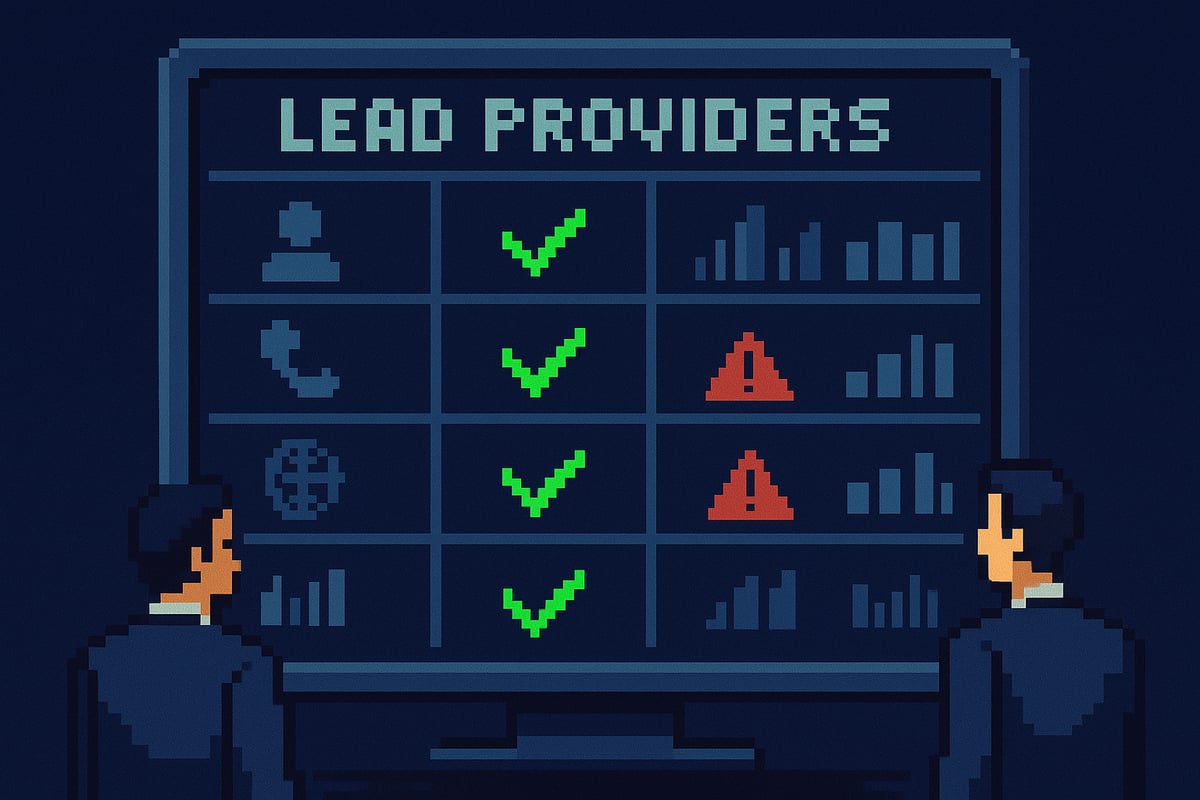
Before you purchase business leads, evaluate each lead provider using a structured approach. Start with the basics: reputation, transparency, and years in business. Long-standing providers with strong reputations often signal reliability, but always dig deeper.
Investigate how providers source their leads. Are leads opt-in, curated through legitimate partnerships, or scraped from questionable sources? Compliance is essential, so verify GDPR or CCPA certifications. Request sample leads or trial offers to evaluate quality firsthand.
Data freshness matters. Ask how often the provider updates their database. Outdated information can lead to wasted time and missed opportunities. Customer reviews and third-party ratings provide additional insight. In fact, a logistics company recently avoided a scam by reading reviews and discovering negative feedback about recycled leads.
Consider using a comparison table to summarize your findings:
| Criteria | Provider A | Provider B |
|---|---|---|
| Years in Business | 7 | 3 |
| Compliance Certs | GDPR, CCPA | None |
| Data Freshness | Weekly | Monthly |
| Lead Source | Opt-in | Web scrape |
For more insights on reputable companies, explore this list of Business lead generation companies to compare top vendors in the market.
Questions to Ask Before Buying
Before you purchase business leads, ask the right questions to minimize risk and maximize ROI. Begin with the provider’s refund or replacement policy: What happens if the leads are invalid or non-responsive? Transparent policies indicate confidence in their data.
Inquire about segmentation. How are leads filtered by industry, job title, or company size? Are leads exclusive to your business or shared with competitors? This distinction influences both price and conversion potential.
Clarify which data fields come standard. Do you receive only basic contact information, or does the package include firmographics, technographics, and behavioral data? Also, check if leads can be integrated with your CRM or marketing automation platforms for seamless workflow.
A 2025 survey revealed that the top regret among buyers was lack of transparency and poor data quality. To avoid this pitfall, always request a sample and ask for references.
Key questions to ask providers include:
- What is your lead replacement policy?
- How do you segment and filter leads?
- Are the leads exclusive or shared?
- What data fields are included?
- Can leads be integrated with our existing systems?
Getting clear answers to these helps ensure your purchase business leads strategy is both effective and future-proof.
Red Flags and Warning Signs
While searching to purchase business leads, stay alert for red flags that signal potential trouble. Suspiciously low prices are often too good to be true, and providers who guarantee unrealistically high conversion rates may be misleading you.
Non-compliance with data regulations is a serious issue. If a provider cannot show GDPR or CCPA certifications, proceed with caution. The use of blacklisted, recycled, or non-opt-in leads can expose your company to legal and reputational risks.
Be wary of vendors who are vague about their sourcing methods or refuse to provide sample leads. In 2024, a well-known scam involved a provider selling recycled leads, resulting in wasted budgets and damaged trust. Learn from this and always vet your sources thoroughly before you purchase business leads.
Step-by-Step Guide to Purchasing Business Leads
Navigating how to purchase business leads in 2026 requires a precise, methodical approach. With the competitive landscape and evolving technologies, each step in the process can make or break your results. Below is a comprehensive guide to help you confidently purchase business leads and maximize your ROI.

Step 1: Define Your Ideal Customer Profile (ICP)
Start by clarifying who your perfect buyer is before you purchase business leads. An accurate ICP will reduce wasted spend and improve conversions.
Consider these factors:
- Industry: Which sectors do you serve best?
- Company Size: Target by employee count or revenue.
- Job Titles: Identify decision-makers or influencers.
- Pain Points: What unique challenges do they face?
- Firmographics & Technographics: Use data like tech stack, location, or growth stage.
AI-driven platforms now refine ICPs using behavioral and predictive insights. For example, a manufacturing firm that narrowed its ICP from “all industrial businesses” to “mid-sized automotive parts suppliers using cloud ERP” saw a 30% boost in conversion rates.
A focused ICP makes it easier to purchase business leads that fit your sales funnel, setting the stage for success.
Step 2: Research and Shortlist Lead Providers
With your ICP in hand, research vendors that match your criteria. Investigate their reputation, transparency, and compliance history before you purchase business leads.
Compare providers using a table:
| Provider | Years in Business | Compliance | Data Freshness | Sample Leads | CRM Integration |
|---|---|---|---|---|---|
| Vendor A | 10 | GDPR, CCPA | Weekly | Yes | Yes |
| Vendor B | 3 | GDPR Only | Monthly | Yes | Limited |
Request sample leads to verify quality. Use third-party review platforms for unbiased feedback. Read case studies, and ask about lead sourcing methods.
For additional clarity on the types of lists and how they work, review business lead lists explained for insights into selecting the right lists for your goals.
Shortlisting the best providers increases your chances of acquiring high-quality leads.
Step 3: Negotiate Terms and Understand Pricing Models
Once you have a shortlist, negotiate terms before you purchase business leads. Pricing models vary, so understanding them is crucial.
Common models include:
- Per Lead: Pay a set price for each contact.
- Subscription: Access a set number of leads monthly.
- Pay-for-Performance: Pay based on conversion or engagement.
Negotiate volume discounts and clarify exclusivity. Carefully review contract terms, payment schedules, and service level agreements (SLAs).
For example, a tech startup negotiated a 20% discount by committing to a six-month contract with quarterly performance reviews.
Solid negotiation ensures you receive value and minimizes financial risk when you purchase business leads.
Step 4: Purchase and Receive Leads
After finalizing terms, move forward to purchase business leads through your chosen channel: online platforms, direct sales, or lead marketplaces.
Leads can be delivered in formats like:
- CSV/Excel: For manual import.
- API: For real-time integration.
- CRM Integration: Directly into your system.
Immediately verify your leads for accuracy. Studies from 2025 indicate that 30% of purchased leads initially require cleanup before use.
Refer to delivery timelines, and ensure you have processes for rapid verification and data hygiene. Well-organized delivery and verification prevent wasted outreach and maximize your investment.
Step 5: Integrate Leads into Your Sales and Marketing Systems
Once you purchase business leads, integration is the next critical step. Sync new leads with your CRM, marketing automation, and email platforms.
Segment leads by category—industry, engagement score, or purchase intent. Set up automated workflows for lead nurturing, including personalized email sequences and follow-up reminders.
A B2B services firm automated its first-touch outreach and saw response rates climb by 25%. Automation not only saves time but also ensures no lead is left behind.
Proper integration amplifies the value of every lead you acquire.
Step 6: Measure, Monitor, and Optimize
The final step is to measure and optimize your results after you purchase business leads. Track key performance indicators such as:
- Conversion Rate
- ROI per Campaign
- Lead Quality Score
- Sales Cycle Length
Use analytics tools to compare performance across providers and refine your targeting. Industry benchmarks in 2026 suggest the average lead-to-customer conversion rate for purchased leads is 6-10%.
Continuously adjust your strategy based on performance data. Regular optimization ensures you get the most out of every investment in business leads.
Integrating Purchased Leads for Maximum ROI
Maximizing the value of your decision to purchase business leads requires a systematic approach to integration. From verification to ongoing performance monitoring, each step enhances your pipeline and ensures your investment translates into measurable results.
Lead Verification and Enrichment
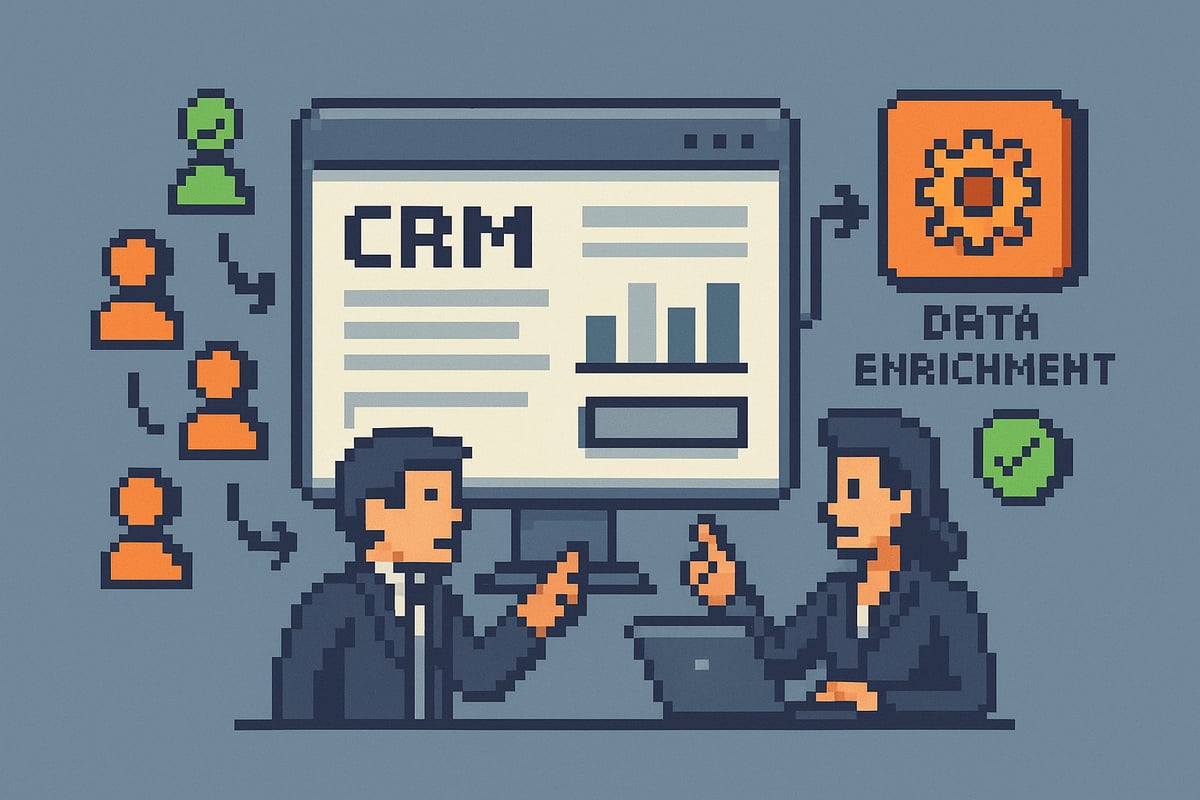
When you purchase business leads, immediate verification is critical. Use third-party tools to confirm contact details and weed out inaccuracies. AI-driven enrichment platforms can append firmographic and behavioral data, enhancing each lead’s profile.
By leveraging AI’s Impact on Lead Generation, companies have improved conversion rates and engagement. For example, a SaaS provider enriched purchased leads with real-time intent data, leading to higher response rates and deeper segmentation.
- Verify emails and phone numbers instantly
- Enrich profiles with company size, industry, tech stack
- Update records regularly for accuracy
This foundation ensures your investment in purchase business leads yields maximum potential.
Lead Nurturing Strategies
Integrating purchase business leads into tailored nurturing workflows drives results. Segment leads into cold, warm, and hot categories to personalize outreach.
Craft email sequences addressing specific pain points and use multi-channel tactics, including phone, LinkedIn, and SMS. Consistent follow-up is key, but timing matters. Studies from 2025 show nurtured leads deliver 50 percent higher sales, underscoring the value of strategic nurturing.
- Create relevant content for each segment
- Automate follow-ups and reminders
- Test timing and messaging for best engagement
A structured nurturing process helps unlock the true value of purchase business leads.
Sales and Marketing Alignment
Bridging the gap between sales and marketing is essential when you purchase business leads. Establish clear lead scoring and qualification rules to prevent confusion and wasted effort.
Regular meetings and feedback loops allow both teams to refine their approach. Define handoff points, so no lead falls through the cracks. This alignment ensures every purchased lead receives the right attention at the right time.
- Set clear qualification criteria
- Schedule cross-departmental syncs
- Use shared dashboards for real-time updates
Unified strategies help you maximize ROI from purchase business leads and streamline your pipeline.
Technology Integration for Automation
Modern sales stacks are built for efficiency. Integrate purchased leads directly into your CRM, marketing automation, and AI chatbot platforms. Automation reduces manual data entry, speeds up lead assignment, and triggers personalized campaigns.
Be prepared for integration challenges, such as data format mismatches or API limitations. Successful companies have automated up to 40 percent of their lead management workload, freeing teams to focus on high-value activities.
- Use automated workflows for lead distribution
- Sync with email marketing and sales tools
- Monitor data flow for errors and duplicates
Seamless technology integration accelerates the value you gain when you purchase business leads.
Monitoring Lead Performance
Once you purchase business leads, continuous monitoring is vital. Set up dashboards to track KPIs like open rates, response rates, and pipeline velocity. Use A/B testing to optimize messaging and outreach channels.
Regular analysis highlights which sources and strategies yield the best results. Top-performing organizations adjust quickly based on real-time data, ensuring their investment continues to deliver.
- Track conversion rates and ROI
- Identify underperforming segments
- Iterate based on analytics and feedback
Ongoing performance monitoring transforms purchase business leads from a one-time transaction into a sustainable growth engine.
Compliance, Ethics, and Best Practices in Lead Purchasing
In today's data-driven market, compliance and ethics are at the heart of every effort to purchase business leads. Regulations like GDPR and CCPA have set strict standards for lead sourcing and data handling. Companies now face global scrutiny, with new privacy laws emerging in regions beyond Europe and California.
Navigating Data Privacy Regulations
To purchase business leads safely, understanding data privacy standards is essential. GDPR, CCPA, and upcoming global laws require that all leads be sourced with explicit consent. Businesses must verify that every lead is opt-in and that consent records are accessible. In 2024, a global retailer faced heavy fines for buying non-compliant leads, highlighting the risks of neglecting regulatory checks.
Obtaining leads from reputable providers minimizes exposure to penalties. For those seeking compliant and alternative strategies, see How to get leads for your business.
Ethical Considerations in Lead Buying
Ethics go beyond legal obligations when you purchase business leads. Avoid deceptive practices, such as using misleading opt-in forms or hiding data sources. Always respect user consent and be transparent with prospects about how their data was obtained.
Industry initiatives now promote ethical lead generation and set best-in-class standards. Building trust through clear communication can set your brand apart in a crowded marketplace.
Best Practices for Safe Lead Purchasing
To keep your purchase business leads process secure, implement these best practices:
- Conduct regular audits of lead sources and vendor contracts.
- Train staff on new compliance rules and ethical data handling.
- Use encrypted data transfers and secure storage protocols.
- Allocate budget for compliance—40 percent of buyers increased spend in 2025.
Systematic oversight helps ensure your pipeline is both robust and legally sound.
Handling Opt-Outs and Unsubscribes
Managing opt-outs is a crucial part of the purchase business leads lifecycle. Make it easy for contacts to unsubscribe and promptly honor all requests, as required by law. Legal mandates demand clear opt-out processes and swift removal from communications.
Many organizations automate this with CRM tools, reducing manual errors and protecting reputation. Effective opt-out handling not only ensures compliance but also builds trust with your audience.
Future Trends in Business Lead Purchasing (2026 and Beyond)
The landscape for companies that purchase business leads is evolving rapidly in 2026. As technology advances, buyers must stay ahead of emerging trends to succeed. Let’s explore the most significant changes shaping the future of business lead acquisition.
AI and Predictive Analytics in Lead Buying
Artificial intelligence is transforming how organizations purchase business leads. AI-powered platforms now analyze vast datasets to score, segment, and predict which leads are most likely to convert. Predictive analytics enables sales teams to focus efforts where they matter most, increasing efficiency and ROI. According to AI Adoption in Sales, the surge in AI usage has resulted in higher productivity and revenue across industries. Companies leveraging AI for lead buying enjoy a sharper competitive edge in 2026.
The Rise of Real-Time and Intent-Based Leads
Static lead lists are quickly being replaced by real-time, intent-driven data. Today’s providers offer dynamic leads based on behavioral signals, online activity, and purchase intent. When you purchase business leads with intent data, your team can engage prospects at the right moment, improving response rates. It is forecasted that by 2026, 60 percent of purchased leads will be intent-based, reflecting a shift toward smarter, more targeted outreach.
Integration with Omnichannel Marketing
Success in 2026 requires blending purchased leads into a broader, omnichannel marketing strategy. Businesses that purchase business leads must coordinate outreach across email, social media, phone, and account-based marketing. This unified approach doubles pipeline growth for many firms, ensuring leads are nurtured at each touchpoint. Integrating purchased data with inbound and outbound efforts maximizes engagement and conversion potential.
Increased Scrutiny on Data Quality and Compliance
With stricter global regulations, buyers face higher expectations around data quality and compliance. When you purchase business leads, it is vital to verify sources, ensure consent, and avoid recycled or blacklisted contacts. Third-party audits and certifications are becoming the norm, and compliance spending is projected to increase through 2027. Companies that prioritize trustworthy providers and real-time verification stay ahead of regulatory risks.
| Trend | Impact on Buyers | Compliance Focus |
|---|---|---|
| AI Lead Scoring | Targeted Outreach | Data Security |
| Intent-Based Data | Higher Conversion | Consent Verification |
| Omnichannel Integration | Increased Engagement | Source Audits |
Evolving Buyer Expectations
Today’s buyers of business leads demand greater transparency, customization, and measurable ROI. Providers are adapting with flexible service models, real-time reporting, and tailored data solutions. According to a 2025 survey, transparency is now the top priority for buyers, shaping how vendors operate in the evolving marketplace. Meeting these expectations is essential for long-term success in lead purchasing.