The Essential Guide to AI Social Media Generation (2026)
Social media is entering a new era, where artificial intelligence drives both content and engagement. In 2026, brands and creators face an urgent need to adapt as ai social media generation becomes the standard for reaching audiences.
This essential guide will help you demystify ai social media generation, offering clear steps to implement and optimize these new strategies. You will learn how leading companies use AI to boost reach, personalize content, and automate campaigns for maximum impact.
Ready to future-proof your brand? Explore the evolution, technology, practical uses, ethics, and future trends shaping AI-powered social media.
The Evolution of AI in Social Media
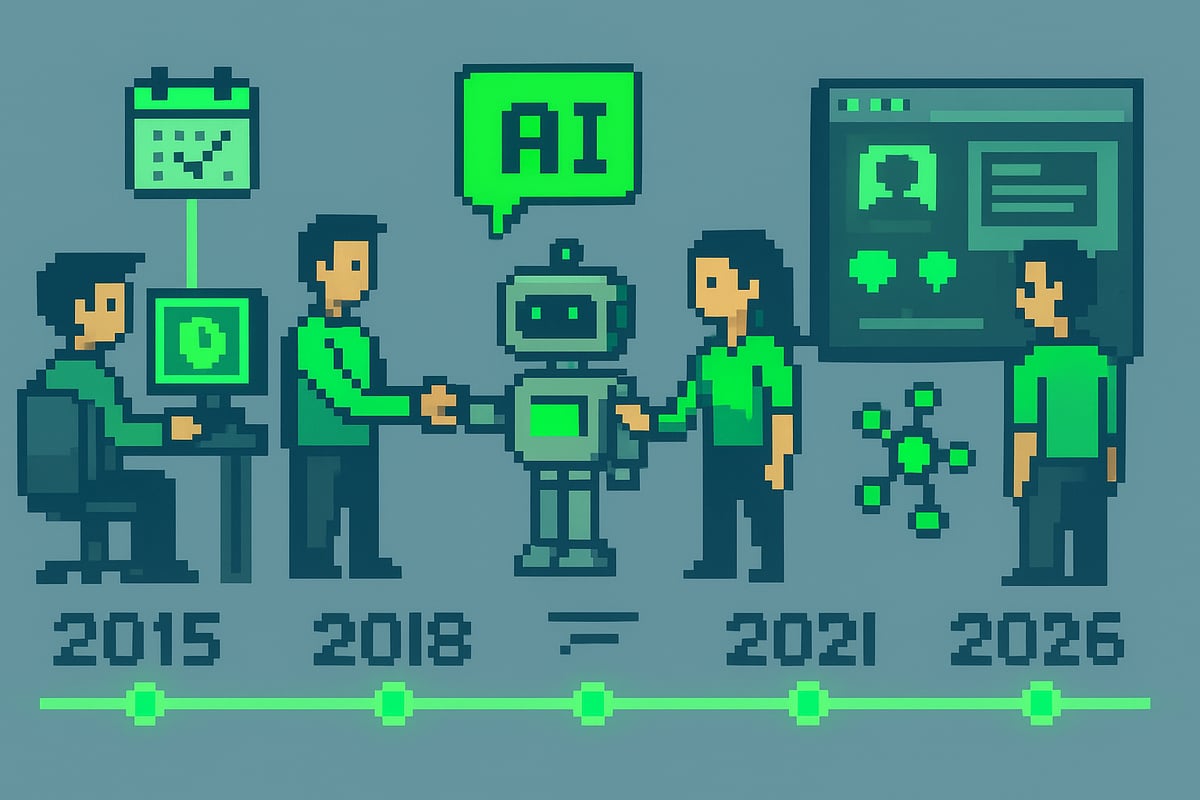
The journey of ai social media generation is a story of rapid transformation. What began as simple automation has evolved into a sophisticated partnership between humans and AI. Each phase has brought new possibilities and challenges for brands and creators.
The Early Days: Automation and Scheduling
In the early stages, ai social media generation focused on automating repetitive tasks. Tools like Buffer and Hootsuite enabled brands to schedule posts and monitor basic analytics.
Marketers relied on manual curation and generic content templates from 2015 to 2020. These early solutions improved efficiency but lacked true personalization. Messages often felt robotic, and engagement rates reflected the limitations.
Despite the boost in productivity, the absence of nuanced targeting meant most content was one size fits all. Many brands quickly realized that automation alone could not drive meaningful connections.
Breakthroughs in Language and Image Generation
The launch of advanced models such as GPT-4 and diffusion-based image generators changed the landscape of ai social media generation. Suddenly, AI could craft human-like text, generate lifelike images, and even create short-form videos.
Between 2023 and 2025, brands began using AI-generated visuals for campaigns. For example, fashion labels released collections with AI-created artwork, while publishers relied on AI to draft engaging captions and headlines.
This leap in creativity allowed businesses to scale content production without sacrificing quality. The line between AI-produced and human-generated content started to blur, making campaigns more dynamic and visually appealing.
Real-Time Personalization and Engagement
By 2025, ai social media generation became synonymous with real-time personalization. AI-powered chatbots handled customer inquiries, moderated comments, and provided instant responses, transforming how brands engaged their communities.
Platforms offered dynamic content suggestions based on audience behavior. A HubSpot study revealed that 68% of marketers used AI for personalization by 2025, reflecting a clear shift toward tailored experiences.
Brands leveraged these tools to deliver relevant messages at the perfect moment. As a result, customer satisfaction improved, and engagement metrics reached new heights.
The 2026 Landscape: Seamless AI Integration
In 2026, ai social media generation reached a new level of integration. Unified platforms combined content creation, scheduling, and analytics, all powered by AI engines. Marketers could forecast trends, analyze audience sentiment, and fine-tune campaigns—all within a single dashboard.
TikTok exemplified this shift with its AI-driven recommendation engine, delivering content that resonated deeply with users. AI guided every step, from ideation to execution, making the process seamless and data-driven.
This holistic approach allowed brands to act faster and more strategically. AI’s predictive abilities meant campaigns could anticipate shifts in culture and consumer mood before competitors.
Key Arguments and Insights
The evolution of ai social media generation has turned AI from a simple automation tool into a creative partner. Brands now gain efficiency, unlock new forms of creativity, and see improved ROI on campaigns.
Adoption was not without obstacles. Early challenges included resistance to change and concerns over authenticity. Over time, brands learned to balance automation with a human touch, resolving these issues.
Recent data supports this shift: according to AI’s Impact on Social Media Content, a significant portion of top-performing content is now AI-assisted. As technology continues to advance, those who adapt early will maintain their competitive edge.
Core Technologies Powering AI Social Media Generation
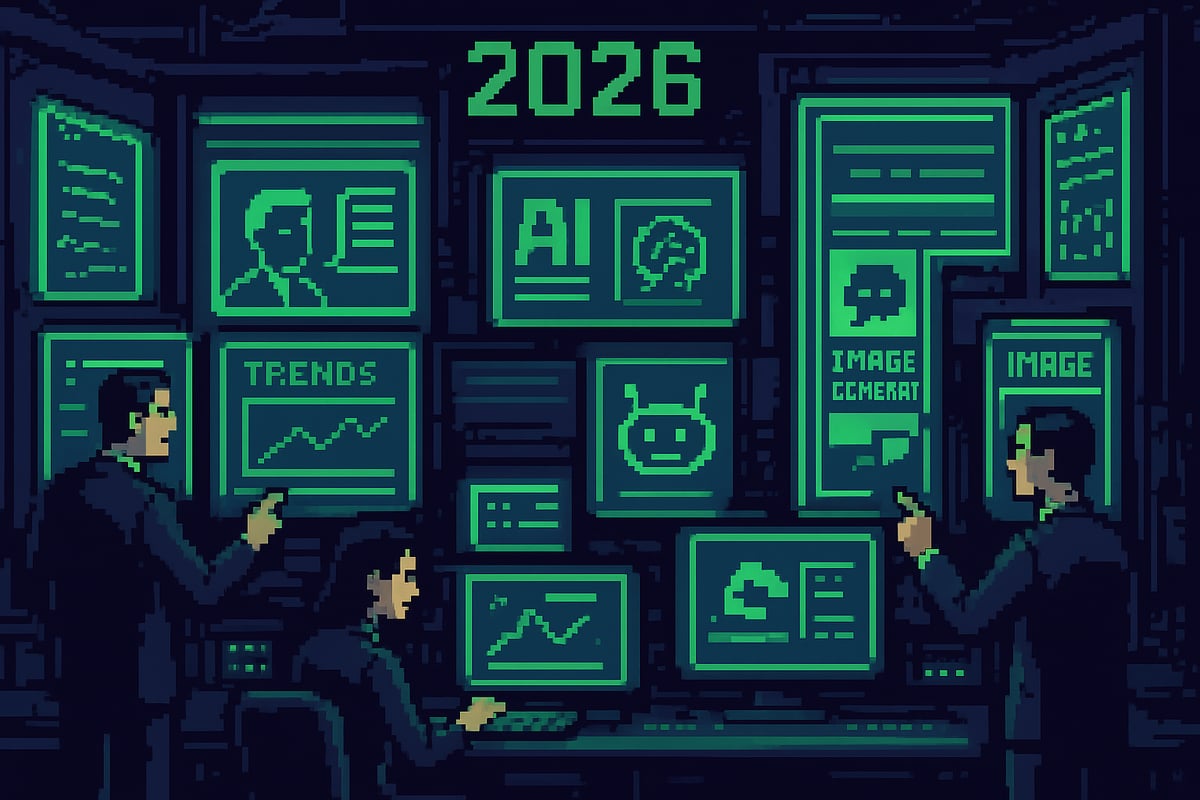
The rapid evolution of ai social media generation is driven by a suite of powerful technologies, each transforming how brands engage, create, and manage digital content. Understanding these core systems is essential for anyone aiming to stay competitive in the AI-powered social landscape.
Natural Language Generation (NLG) and Large Language Models
At the heart of ai social media generation are advanced NLG systems like GPT-5. These models craft compelling captions, tweets, and scripts from simple prompts, making it easy to scale up content without losing quality.
For example, major brands in 2026 rely on AI to write viral Twitter threads and detailed LinkedIn articles. With 80% of top-performing posts using AI-assisted copywriting, the impact is undeniable. To explore the foundational technology behind these tools, see Artificial intelligence and data science.
Computer Vision and Generative AI for Visual Content
Visual storytelling is equally critical for ai social media generation. Tools such as DALL-E and Stable Diffusion create custom images, videos, and memes with remarkable speed.
Brands now automate the production of branded assets and campaign visuals, ensuring fresh, relevant content. However, the rise of deepfakes adds new risks, prompting platforms to develop AI-driven detection systems to maintain authenticity.
Predictive Analytics and Social Listening
Predictive analytics has become indispensable in ai social media generation. AI-driven tools analyze massive data sets to identify trends, optimize posting times, and monitor audience sentiment in real time.
By tracking competitor activity and audience reactions, brands can adapt quickly and stay ahead. According to Sprout Social, those using predictive analytics enjoy up to 30% higher engagement rates compared to traditional methods.
Automated Community Management
Managing large online communities is streamlined with ai social media generation. AI chatbots efficiently moderate comments, respond to FAQs, and escalate complex issues to human agents.
For instance, Facebook Messenger bots now handle customer service requests around the clock, ensuring faster response times and improved user satisfaction. These systems not only boost efficiency but also help brands maintain a consistent, positive presence.
Integration with Marketing Automation Platforms
A key advantage of ai social media generation is its seamless integration with marketing automation platforms. Content creation, scheduling, and analytics are now unified, enabling brands to manage multi-channel campaigns effortlessly.
A typical workflow might involve AI drafting posts, scheduling them across social networks, and analyzing their performance—all within a single dashboard. This integration reduces manual workload and increases campaign agility.
Security, Compliance, and Deepfake Detection
Security remains a top priority in ai social media generation. AI systems actively scan content for misinformation, hate speech, and unauthorized deepfakes, helping platforms enforce policies and protect brand reputation.
Regulations in 2026 require transparent disclosure of AI-generated content and compliance with regional standards. As a result, brands must stay informed about evolving legal requirements to mitigate risks.
Key Arguments and Perspectives
The convergence of language, vision, analytics, and automation technologies has revolutionized ai social media generation. While automation enhances efficiency and scale, maintaining an authentic brand voice remains critical.
Balancing these technologies with human oversight ensures that AI serves as a creative partner, not just a tool. Successful brands prioritize both innovation and authenticity to maximize ROI in the rapidly changing digital landscape.
Practical Applications: AI Social Media Generation in Action
AI social media generation is transforming how brands create and share content. From ideation to engagement, these tools are streamlining workflows and unlocking new creative possibilities for businesses of every size.
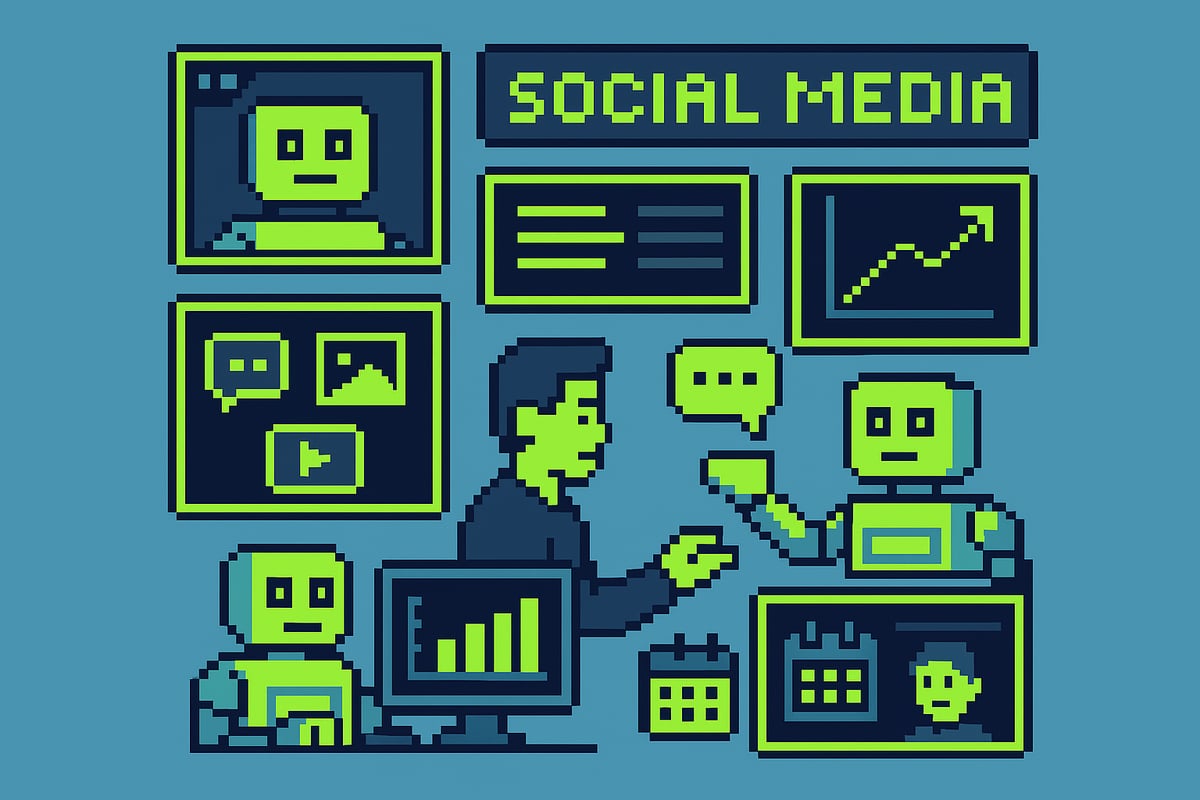
Content Ideation and Planning
With ai social media generation, brainstorming is no longer a bottleneck. AI-powered platforms analyze trending topics, audience interests, and competitor content to suggest fresh ideas tailored to your brand.
These tools can draft monthly content calendars, recommend optimal posting times, and even generate timely hashtag lists. For example, an AI engine might detect a rising trend in sustainable fashion and prompt your team with campaign ideas that resonate with eco-conscious followers.
- AI-driven topic discovery
- Trend analysis for timely content
- Automated calendar and hashtag suggestions
This level of insight ensures your planning stays relevant and proactive, not reactive.
Automated Content Creation: Text, Image, and Video
The core of ai social media generation lies in its ability to produce high-quality posts across formats. By inputting a prompt or brief, marketers receive AI-generated captions, images, and videos ready for review and customization.
A typical workflow involves:
- Entering your campaign goals and audience profile.
- Reviewing AI-suggested copy, visuals, or video snippets.
- Refining outputs for brand voice before scheduling.
For a deeper look at the top platforms enabling this, see this AI marketing tools comparison.
A real-world example: An e-commerce retailer uses AI to create daily product spotlights, freeing up team resources for strategy and engagement.
Personalization at Scale
Personalization is a key strength of ai social media generation. AI analyzes user data to craft dynamic content for different segments, ensuring each follower receives posts that match their interests and behaviors.
For instance, Netflix leverages AI to generate diverse social snippets, tailoring recommendations by region, age, and viewing habits. This approach boosts engagement and fosters a deeper connection with audiences.
- Dynamic messaging by user preferences
- Automated A/B testing of content variations
Personalized content drives higher interaction rates and builds brand loyalty in crowded social spaces.
Real-Time Engagement and Chatbots
Engagement is critical, and ai social media generation makes it possible to interact with audiences around the clock. AI-powered chatbots manage direct messages, respond to comments, and handle customer inquiries instantly.
Brands have reported a 75% reduction in response time after deploying AI chatbots, according to Zendesk. These bots can moderate discussions, answer FAQs, and escalate complex issues to human agents when necessary.
- Instant replies to DMs and comments
- Automated moderation for community safety
This real-time responsiveness enhances customer satisfaction and keeps conversations active.
Performance Optimization and Analytics
Measuring results is vital for refining any strategy. Ai social media generation tools track engagement metrics, audience growth, and content effectiveness in real time.
AI analyzes which posts perform best and provides actionable recommendations for improvement. Marketers can run A/B tests with different AI-generated variants to maximize reach and ROI.
Here is a quick comparison of AI-driven analytics benefits:
| Feature | Traditional Approach | AI Social Media Generation |
|---|---|---|
| Speed | Manual/Slower | Instant/Automated |
| Insights Depth | Basic | Advanced Predictive |
| Optimization | Reactive | Proactive |
With these capabilities, brands can pivot strategies quickly and stay ahead of trends.
Influencer and Brand Collaboration
Ai social media generation is also streamlining influencer partnerships. AI identifies influencers whose audiences overlap with your target market, ensuring more effective collaborations.
It can draft influencer briefs, suggest campaign outlines, and monitor campaign performance in real time. This automation reduces manual research and enhances the precision of influencer selection.
- AI-driven influencer matching
- Automated brief creation
- Real-time collaboration tracking
Such data-driven partnerships yield higher authenticity and efficiency.
Case Studies of Leading Brands
Major brands and small businesses alike are reaping the rewards of ai social media generation. Nike’s 2026 campaign, for example, used AI for everything from brainstorming to content rollout, achieving record engagement rates.
Small businesses are leveraging AI tools to double their social interactions without expanding their teams. By embracing automation, these companies compete on equal footing with industry giants.
The democratization of high-quality content creation means every brand, regardless of size, can achieve impactful results.
Step-by-Step Guide: Implementing AI Social Media Generation in 2026
Implementing ai social media generation in 2026 requires a clear process. Brands need to align technology adoption with business goals and ensure every step maximizes return on investment. The following guide breaks down each phase, making it simple to build a robust AI-powered social presence.

Step 1: Assess Your Social Media Goals and Needs
Begin with a thorough audit. Review your current social media strategy, examining content types, engagement metrics, and workflow efficiency. Identify where manual tasks slow you down or where personalization is lacking.
Define clear objectives for ai social media generation. Do you want to increase engagement, automate posting, or improve content relevance? Pinpoint areas where AI could deliver the most impact. This foundation will guide tool selection and workflow design.
Step 2: Choose the Right AI Tools and Platforms
Research platforms that support ai social media generation. Key criteria include user-friendliness, integration with your existing tech stack, security, and scalability. Look for solutions that offer robust analytics, easy prompt input, and customization.
Explore unified platforms that streamline content creation, scheduling, and analytics. For deeper insights into how AI can automate your social workflow, see AI automation for business. Compare features in a table to match your priorities.
Step 3: Integrate AI with Existing Workflows
Seamless integration is crucial for successful ai social media generation. Map out your current workflows and identify touchpoints for automation. Connect AI tools with scheduling platforms, customer relationship management (CRM) systems, and analytics dashboards.
Set up automation for repetitive tasks. For example, use AI to draft posts, suggest optimal times, and monitor performance. Ensure data flows securely between platforms to maintain compliance and streamline reporting.
Step 4: Train Your Team and Set Guidelines
Empower your team with knowledge about ai social media generation. Offer training sessions on prompt engineering, data interpretation, and content review. Encourage collaboration between creative and technical staff.
Establish clear guidelines for AI-generated content. Define quality standards, approval processes, and escalation paths for sensitive issues. This ensures consistency and protects your brand voice while leveraging automation.
Step 5: Launch, Monitor, and Iterate
Deploy your ai social media generation strategy in phases. Start with a limited campaign to test workflows and outputs. Use analytics to track engagement, reach, and conversion rates.
Continuously monitor performance. Implement A/B testing with AI-generated variants to optimize content. Gather team feedback and adjust prompts or workflows as needed to maximize results.
Step 6: Address Ethical and Compliance Considerations
Transparency is vital when using ai social media generation. Ensure all stakeholders understand when content is AI-generated. Stay updated on regulations like GDPR and CCPA, and implement proper data handling protocols.
Disclose AI involvement in posts where required. Regularly review platform policies for compliance. Address potential risks such as deepfakes or misinformation with dedicated monitoring tools.
Key Arguments and Insights
A phased and strategic approach to ai social media generation reduces risk and boosts ROI. Early adopters often gain a competitive edge, but rushing implementation can lead to errors or ethical missteps.
Avoid common pitfalls by prioritizing staff training, maintaining transparency, and regularly auditing your workflows. Remember, AI is a partner in creativity, not a replacement for human insight. Brands that blend automation with authentic storytelling will lead the way in 2026.
Ethical, Legal, and Brand Considerations for AI-Generated Social Content
As ai social media generation becomes the backbone of digital marketing, ethical, legal, and brand implications are more critical than ever. Brands must navigate evolving expectations, ensuring responsible and compliant use of AI-powered content.
Transparency and Disclosure
Transparency is foundational for trust in ai social media generation. Platforms in 2026 typically require clear labeling of AI-generated posts, making it evident to audiences when content is machine-produced.
Brands should follow these best practices:
- Use visible tags or disclaimers for AI-created content.
- Stay updated on platform-specific disclosure policies.
- Communicate openly with followers about AI use.
Meeting user expectations not only fosters trust but also helps avoid regulatory scrutiny. As AI's role grows, transparency remains a vital pillar for ethical engagement.
Navigating Deepfakes and Misinformation
The rise of ai social media generation has increased the risk of deepfakes and misinformation. AI-generated images and videos can be hyper-realistic, blurring the line between fact and fiction.
To address these challenges, brands should:
- Leverage AI tools to detect manipulated content.
- Verify sources before sharing user-generated media.
- Educate teams on recognizing deepfakes.
For an in-depth look at these ethical challenges and recommended safeguards, explore Ethical Considerations in AI-Generated Content.
Intellectual Property and Content Ownership
Ownership of content created through ai social media generation is still evolving legally. While some jurisdictions attribute rights to the brand commissioning the AI, others see ambiguity in authorship.
Key considerations include:
- Reviewing platform terms regarding AI-generated works.
- Consulting legal professionals on content ownership.
- Monitoring regulatory updates on AI and intellectual property.
Brands should establish internal policies to clarify usage rights, especially when collaborating with external AI vendors or influencers.
Maintaining Brand Voice and Authenticity
Maintaining a consistent brand voice is essential, even when using ai social media generation. Over-automation can dilute authenticity, risking audience trust and loyalty.
To avoid pitfalls:
- Set clear guidelines for tone and style in AI outputs.
- Regularly audit content for alignment with brand values.
- Blend human creativity with AI efficiency for a genuine presence.
Brands that prioritize authenticity in AI-generated content are more likely to sustain meaningful connections with their communities.
Data Privacy and User Consent
Data privacy is a core concern as ai social media generation leverages audience insights for personalization. Compliance with regulations like GDPR and CCPA is mandatory in 2026.
Best practices include:
- Using anonymized data whenever possible.
- Gaining explicit user consent for data-driven personalization.
- Keeping up with emerging privacy standards worldwide.
By respecting user privacy, brands can harness AI's power responsibly while maintaining public confidence.
Key Arguments and Insights
The rapid adoption of ai social media generation brings both opportunity and risk. Mishandled AI strategies can damage reputation, invite legal issues, and erode trust. Leading brands mitigate these risks by:
- Embracing transparency and ethical guidelines.
- Proactively addressing misinformation.
- Protecting user data and respecting privacy.
Ethical, legal, and brand considerations are not optional—they are central to sustainable success in the AI-powered social landscape.
Future Trends and Innovations in AI Social Media Generation
The future of ai social media generation is rapidly unfolding, marked by breakthroughs that are reshaping how brands connect with audiences. As we look toward 2026 and beyond, several innovations are poised to define the next era of digital engagement.
Hyper-Personalization and Micro-Targeting
Hyper-personalization is set to become the gold standard in ai social media generation. AI will analyze user behaviors, preferences, and even real-time emotions to tailor content at the individual level. Imagine a campaign that adapts its messaging based on a user's recent interactions or mood, delivering unprecedented relevance.
Brands will leverage micro-targeting to reach niche audiences with precision. Content will shift dynamically, ensuring users always see posts that resonate. This level of customization leads to higher engagement and stronger brand loyalty.
Multimodal and Interactive Content Experiences
By 2026, ai social media generation will fully embrace multimodal content. Platforms will blend text, video, audio, and even AR or VR elements into unified posts. Interactive stories will allow users to engage with content in new ways, such as choosing story paths or reacting with custom emojis.
Gartner predicts that 40% of social content will be interactive by 2027. This shift enables brands to capture attention in crowded feeds and foster deeper connections through engaging, immersive experiences.
Autonomous Brand Personas and Virtual Influencers
One of the most striking trends in ai social media generation is the emergence of autonomous brand personas. AI-powered virtual influencers will represent brands, interact with followers, and even create content independently. These digital personalities can be available 24/7, responding instantly and maintaining consistent messaging.
Case studies show that campaigns featuring virtual influencers often outperform traditional influencer partnerships. Audiences appreciate the novelty and creativity, while brands benefit from scalability and control.
Decentralized AI and User-Generated Content
Decentralization is set to transform ai social media generation. Blockchain-backed AI tools will help verify content authenticity and empower users to control their creations. This approach combats misinformation and ensures transparency in ownership.
Users may also participate in revenue sharing for AI-generated assets, blurring the line between content consumers and creators. As a result, social platforms will become more democratic, fostering innovation and trust.
The Evolving Role of Human Creators
Despite automation, human creativity remains central to ai social media generation. Creators will act as directors, guiding AI tools to produce unique, brand-aligned content. Hybrid campaigns, where humans and AI collaborate, will become the norm.
This partnership enhances efficiency while retaining authenticity. By combining strategic oversight with AI's speed and scale, teams can deliver compelling content that resonates across platforms.
Key Arguments and Insights
The landscape of ai social media generation is defined by continuous innovation and adaptation. As AI technologies advance, brands must remain agile to harness new opportunities and mitigate challenges. Skills like data literacy, creative direction, and ethical oversight will be essential for future-proof social teams.
For more insights into how marketers are integrating AI and what the future holds, explore AI’s Role in Social Media Marketing. Staying informed and proactive is key to thriving in this evolving digital ecosystem.