Get Leads for My Business: The Essential Guide for 2026
In 2026, the race to attract quality prospects has never been fiercer. Competition is rising, digital channels are crowded, and customer expectations continue to evolve rapidly.
To succeed, businesses must adapt and learn how to get leads for my business using proven, forward-thinking strategies. This guide is designed for any company, regardless of size or industry, looking to build a reliable lead generation engine.
You will discover how to identify your ideal audience, optimize your digital presence, harness automation and AI, master multi-channel outreach, and measure results with precision. Stay ahead of the curve and unlock sustainable growth with actionable insights and the latest industry trends.
Understanding Lead Generation in 2026
In 2026, the journey to get leads for my business is shaped by rapid technological progress, evolving regulations, and shifting customer expectations. Lead generation is no longer just about amassing contacts, but about building meaningful relationships with prospects who are most likely to convert. Let’s explore how the landscape is changing, the value of different lead types, and the challenges every modern business must overcome.
The Evolving Lead Generation Landscape
The way businesses get leads for my business has transformed significantly in recent years. Buyers are more informed, privacy regulations are tighter, and artificial intelligence is revolutionizing how companies approach prospects. The focus has shifted from generating massive lists of contacts to attracting high-quality leads who are more likely to convert.
According to HubSpot, 74 percent of businesses now prioritize lead quality over quantity, a trend echoed by Gartner’s latest research. Omnichannel customer journeys are the new standard, with prospects interacting across multiple touchpoints before making decisions. Traditional cold outreach is losing effectiveness as buyers expect personalized, relevant communications.
B2B companies, in particular, are seeing impressive results from AI-driven, personalized campaigns. Recent studies show a 30 percent increase in conversion rates when leveraging these technologies. For a deeper dive into how AI and automation are reshaping the strategies to get leads for my business, you can explore AI and Automation Revolutionizing Lead Generation in 2025, which highlights key trends and best practices for staying ahead.
Types of Leads and Their Value
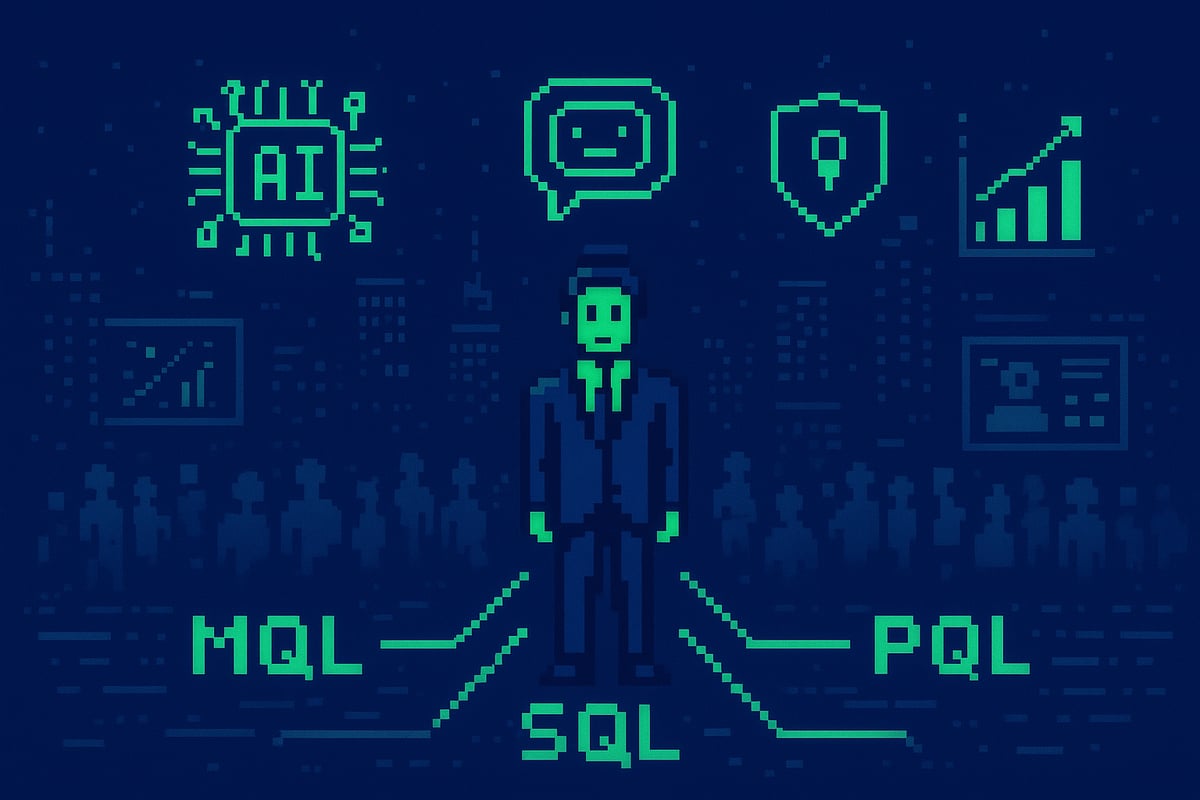
Understanding the types of leads is crucial for any business aiming to get leads for my business and maximize sales efficiency. There are three primary categories:
- Marketing Qualified Leads (MQLs): Prospects who have shown interest through marketing channels but may not be ready for direct sales contact.
- Sales Qualified Leads (SQLs): Prospects vetted by the sales team as ready for a conversation or demo.
- Product Qualified Leads (PQLs): Users who have interacted with your product, such as through a free trial, and have demonstrated buying intent.
Each type demands tailored nurturing strategies. For instance, SaaS firms increasingly use intent data to segment and prioritize leads, ensuring the right follow-up for each group. Nurturing an MQL might involve educational content, while a PQL may benefit from a personalized product walkthrough. By mapping these stages, businesses are better able to get leads for my business that actually convert.
Key Lead Generation Challenges in 2026
Despite new opportunities, businesses still face major hurdles as they try to get leads for my business in 2026. Data privacy regulations like GDPR and CCPA have raised the bar for compliance, making data collection and outreach more complex. Ad fatigue is on the rise, as consumers grow weary of repetitive or intrusive marketing.
AI-generated spam is another challenge, requiring brands to stand out with authentic, trustworthy content. Social proof, testimonials, and transparent practices are critical for building trust. According to Salesforce, 62 percent of marketers now cite data quality as their top challenge. Overcoming these obstacles means investing in robust data management, fostering genuine engagement, and continuously refining your approach to get leads for my business that drive real growth.
Step 1: Define Your Ideal Audience and Buyer Personas
Knowing how to get leads for my business starts with a deep understanding of your audience. In 2026, precision in targeting is essential for cutting through noise and reaching prospects who are most likely to convert. Defining your ideal audience and crafting accurate buyer personas lay the foundation for every successful lead generation strategy.

Conducting In-Depth Audience Research
To get leads for my business, start by leveraging advanced AI analytics tools. These platforms reveal key demographic, psychographic, and behavioral insights about your potential customers. With real-time data, you can uncover trends that traditional research might miss.
Social listening platforms add another layer, letting you monitor conversations and spot emerging pain points or opportunities. For B2B brands, tools like LinkedIn Insights help refine your audience by industry, role, and engagement patterns. For those in the tech sector, Lead generation for tech companies offers sector-specific tactics to identify and reach high-value prospects.
Effective audience research ensures your outreach is never generic. Instead, each campaign is based on what your ideal customers genuinely care about.
Creating Detailed Buyer Personas
Once you have the data, translate it into actionable buyer personas. Well-crafted personas are the backbone for anyone aiming to get leads for my business. Start by mapping out your audience’s goals, daily challenges, decision-making criteria, and the content formats they prefer.
Gather information from customer interviews, surveys, and CRM data for accuracy. Consider using this simple persona template:
| Attribute | Example |
|---|---|
| Role | Marketing Director |
| Goals | Increase qualified leads |
| Challenges | Limited budget, ad fatigue |
| Content Formats | Webinars, case studies, videos |
Businesses with well-defined personas see up to twice the conversion rates of those without. Personas empower your team to create messages that resonate and drive engagement.
Segmenting for Hyper-Targeted Campaigns
Segmentation is the next step to get leads for my business at scale. Use micro-segmentation to break your audience into smaller groups based on behaviors, interests, or buying stage.
AI-driven tools allow you to personalize messaging for each segment, boosting relevance and response rates. For example, an e-commerce brand that implemented segmentation saw a 40 percent increase in lead quality and more efficient ad spend.
To optimize results, continuously test and refine your segments. Tailored campaigns not only improve engagement but also build trust, helping you attract and convert the right leads more effectively.
Step 2: Optimize Your Digital Presence for Lead Capture
In 2026, your digital presence is your storefront, sales team, and brand ambassador all at once. To get leads for my business, you need more than a website—you need a finely tuned ecosystem that turns casual visitors into qualified prospects. This step covers the most effective methods and tools for maximizing your online lead capture.
Website Optimization for Conversion
Your website is often the first touchpoint for potential customers. To get leads for my business, focus on designing landing pages that guide visitors to take action. Clear, compelling calls to action and minimal distractions are crucial for boosting conversion rates.
A/B testing helps refine your messaging, layouts, and visuals. Companies that regularly test and optimize their landing pages see up to a 55% increase in leads, according to Unbounce. Pay attention to elements like headline clarity, button placement, and trust signals such as testimonials or security badges.
For a deeper dive into proven tactics, explore these lead generating website best practices. This resource offers actionable tips to ensure your site is primed to get leads for my business and outperform the competition.
Leveraging Chatbots and AI Automation
AI chatbots are transforming how businesses get leads for my business. By offering 24/7 engagement, chatbots can instantly answer questions, capture contact information, and qualify leads based on real-time conversations.
Integration with your CRM system streamlines follow-up, ensuring no opportunity slips through the cracks. Businesses report three times higher engagement rates when deploying AI chatbots for lead capture. These tools not only save time but also help segment and prioritize inquiries based on intent.
If your goal is to get leads for my business efficiently, consider AI-powered automation as an essential part of your digital toolkit. Chatbots can also direct visitors to the right resources, making their journey smoother and increasing the likelihood of conversion.
Content Marketing That Converts
Content is the fuel that powers your lead generation engine. To get leads for my business, create value-driven resources like guides, webinars, and interactive calculators. Tailor content to each stage of the funnel, from awareness to decision.
Lead magnets such as eBooks, free trials, and exclusive webinars incentivize users to share their contact details. Case studies reveal that B2B SaaS companies have grown their email lists by 35% through focused, content-driven campaigns.
Remember, the right content not only attracts but also nurtures prospects. When you consistently deliver value, you build trust and move leads further down the sales pipeline—making it easier to get leads for my business.
Mobile and UX Optimization
In 2026, a mobile-optimized experience is non-negotiable if you want to get leads for my business. Fast load times, responsive design, and simple navigation keep visitors engaged and reduce friction during sign-up.
Forms should be short, intuitive, and easy to complete on any device. Data from Google shows that 61% of users abandon forms that are not mobile-friendly. Use autofill, progress bars, and clear field labels to improve completion rates.
Prioritize user experience across every touchpoint. When your site is seamless and accessible, you are far more likely to get leads for my business from an increasingly mobile audience.
How AI Tools Like ToolStacked Can Enhance Lead Generation
Platforms like ToolStacked are empowering businesses of all sizes to get leads for my business with innovative AI solutions. Custom chatbots can qualify prospects, automate FAQs, and integrate directly with marketing funnels—all without coding.
These tools are designed for non-technical users, enabling rapid deployment and measurable improvements in conversion rates. Educational resources and tool comparisons help you continuously optimize your approach.
For example, SMEs using ToolStacked have reported up to a 50% reduction in response time and noticeable increases in customer satisfaction. Leveraging AI-driven platforms is a smart way to get leads for my business while staying ahead of the competition.
Step 3: Multi-Channel Lead Generation Strategies
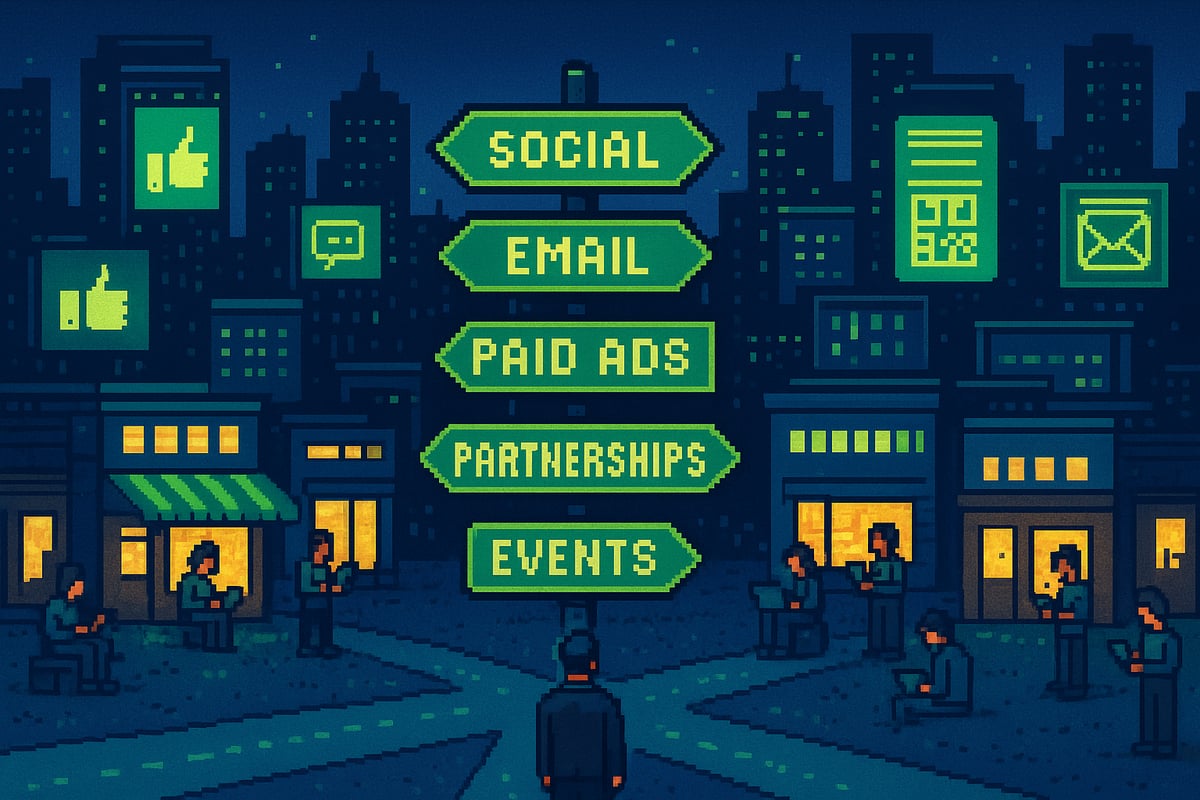
To get leads for my business in 2026, success comes from meeting prospects wherever they are. Relying on a single channel is no longer enough. The most effective brands embrace a multi-channel approach, combining digital and offline tactics to maximize reach and lead quality. This section explores proven strategies across social, email, paid ads, partnerships, and hybrid events, each tailored to help you get leads for my business in today's competitive landscape.
Social Media Lead Generation
Social media platforms are essential for those aiming to get leads for my business. In 2026, LinkedIn, Instagram, and TikTok are front-runners, but emerging networks can offer unique advantages. Brands leverage paid social ads for precise targeting, while influencer partnerships extend reach to new audiences. Interactive content, such as polls and quizzes, encourages engagement and captures valuable lead data.
Consider these tactics:
- Use LinkedIn for B2B outreach, sharing thought leadership and joining industry groups.
- Run Instagram Stories ads with swipe-up CTAs to capture leads instantly.
- Create TikTok challenges or short-form video campaigns to spark viral interest.
- Host live Q&A sessions or webinars across platforms to build trust.
According to Sprout Social, 82% of marketers say social media is their top source to get leads for my business. The key is to adapt content to fit each channel and use analytics to refine your approach.
Email Marketing and Automation
Email remains a powerhouse for businesses seeking to get leads for my business. The difference in 2026 is the level of personalization and automation available. Segmented lists allow you to tailor messages for specific buyer personas, increasing relevance and response rates.
Best practices include:
- Develop drip campaigns that nurture prospects based on behavior and interests.
- Use AI to optimize send times and personalize content dynamically.
- Integrate interactive elements like surveys or calendars to boost engagement.
A notable example: A national retailer implemented automated follow-ups and saw a 27% increase in lead-to-customer conversions. By treating email as a conversation, not just a broadcast, you build relationships that drive results.
Paid Advertising and Retargeting
To get leads for my business at scale, paid advertising offers unparalleled speed and targeting. Running PPC campaigns across Google, Meta, and programmatic ad networks puts your offer in front of high-intent prospects. Retargeting is especially valuable, as it re-engages website visitors who did not convert on their first visit.
Effective strategies include:
- Launch search ads targeting solution-aware keywords.
- Use display ads with compelling visuals to drive brand awareness.
- Set up retargeting sequences to remind visitors about your products or services.
WordStream reports that retargeted ads convert ten times better than standard display ads. Using paid channels, you can quickly test messaging and allocate budget to what works, ensuring you consistently get leads for my business.
Partnerships, Affiliates, and Co-Marketing
Collaboration is a powerful lever for those wanting to get leads for my business. By partnering with complementary brands, you expand your reach and tap into warm audiences. Joint webinars, content swaps, and affiliate programs multiply your exposure and credibility.
Consider these partnership approaches:
- Co-host webinars with industry peers and share the registration lists.
- Exchange guest blog posts or email features to cross-pollinate audiences.
- Launch an affiliate program, rewarding advocates for each qualified lead.
For businesses considering outsourcing, reviewing the best lead companies for businesses can be a strategic move. SaaS companies, for example, have doubled their lead volume by co-marketing and leveraging third-party expertise.
Offline and Hybrid Lead Generation Tactics
While digital dominates, offline and hybrid tactics remain crucial for those needing to get leads for my business. Trade shows and local events provide direct access to decision-makers. By integrating digital tools, such as QR codes for instant sign-ups or mobile surveys, you bridge the gap between physical and online engagement.
Actionable ideas include:
- Attend or sponsor industry trade shows to network and collect leads on-site.
- Host local meetups or workshops, capturing attendee info with digital forms.
- Use QR codes on print materials to drive traffic to landing pages or lead magnets.
Hybrid events, blending in-person and virtual elements, generate 30% more qualified leads than virtual-only formats. Combining these strategies ensures you reach prospects wherever they are and create a seamless lead journey.
Step 4: Nurture, Qualify, and Convert Leads Effectively
Effectively nurturing and qualifying prospects is crucial if you want to get leads for my business that actually convert. In 2026, advanced tools and data-driven strategies are essential for moving leads through the funnel with confidence. Let us explore the best practices shaping successful lead management today.
Lead Scoring and Qualification
Prioritizing the right prospects ensures your team’s time is used wisely. AI-powered lead scoring models now analyze engagement, firmographics, and buying signals in real time. For those aiming to get leads for my business, these models assign value to each lead, helping you focus on the ones most likely to convert.
| Lead Scoring Criteria | Description | Weight |
|---|---|---|
| Engagement Level | Email opens, site visits | High |
| Firmographics | Company size, industry | Medium |
| Buying Signals | Demo requests, downloads | High |
Modern AI solutions can increase conversion rates by up to 50%. As detailed in AI-Powered Lead Qualification Boosts Conversions by 35–50%, leveraging these tools transforms how organizations get leads for my business and close deals faster.
Automated Nurturing Sequences
Keeping leads engaged means delivering the right message at the right time. Automated email and SMS workflows respond to user actions, ensuring prospects never feel neglected. For anyone striving to get leads for my business, multi-touch nurturing sequences provide tailored content at each funnel stage.
A typical workflow might include:
- Welcome email after sign-up
- Follow-up with educational content
- Timely reminders based on behavior
AI-driven automation can increase lead-to-customer rates by 35% or more, as shown in AI Integration in B2B Lead Generation Increases Conversion Rates by 35%. This approach streamlines the path to conversion and keeps your brand top of mind.
Personalization and Human Touch
Automation is powerful, but personal connection matters. Combine automated outreach with personalized touches to get leads for my business that are truly engaged. Use video emails, direct calls, or custom offers based on lead behavior.
Personalized emails consistently outperform generic campaigns, delivering up to six times higher transaction rates. A simple video message or a direct call can turn a qualified lead into a loyal customer. Always aim to make each prospect feel valued and understood.
Sales and Marketing Alignment
A seamless lead hand-off between sales and marketing is essential to maximize your ability to get leads for my business. Establish shared dashboards to track progress, and build feedback loops for continuous improvement.
Tips for alignment:
- Hold regular joint meetings to review lead quality
- Use unified scoring models and definitions
- Share insights from both teams to refine personas
When sales and marketing collaborate, leads experience a consistent journey, increasing trust and boosting conversion rates. This alignment is the foundation for sustainable growth and ongoing success.
Step 5: Measure, Analyze, and Refine Your Lead Generation
In 2026, the ability to measure and refine your efforts is crucial if you want to get leads for my business. Without clear metrics and data-driven insights, it is nearly impossible to allocate resources effectively or scale your success. Let us explore the essential steps and tools for optimizing every stage of your lead generation process.
Tracking Key Lead Metrics
To consistently get leads for my business, tracking the right metrics is non-negotiable. Focus on these key indicators:
| Metric | What It Measures | Why It Matters |
|---|---|---|
| CPL | Cost per Lead | Budget efficiency |
| Conversion Rate | % of leads to customers | Funnel effectiveness |
| Lead Velocity | Speed from lead to sale | Sales cycle health |
| ROI | Return on Investment | Overall campaign success |
Leverage analytics platforms to visualize and benchmark your progress. For local businesses, these metrics are especially important, and you can find actionable strategies in Generate leads for local business. By tracking each step, you ensure that every tactic to get leads for my business is accountable and measurable.
Attribution and Funnel Analysis
Understanding where your leads originate is essential if your goal is to get leads for my business. Implement multi-touch attribution to reveal which channels drive the highest quality prospects. Attribution modeling enables you to track the customer journey from first touch to final conversion.
For example, many B2B firms discover that 45% of their leads come from organic search, highlighting the value of SEO and content investment. Funnel analysis helps pinpoint bottlenecks and opportunities for improvement, ensuring you do not miss potential leads. Use clear, visual dashboards to map each stage and analyze drop-off points.
Continuous Testing and Optimization
The digital landscape is dynamic, so to get leads for my business, you must adopt a culture of constant experimentation. Regular A/B testing of landing pages, ad creatives, and email sequences uncovers what truly resonates with your audience.
List of optimization steps:
- Test one variable at a time for accurate results.
- Analyze performance data in real time.
- Implement quick changes, then monitor impact.
Adapt strategies based on feedback and analytics, not assumptions. This approach ensures your methods to get leads for my business remain effective as trends shift.
Staying Ahead of Lead Generation Trends
To get leads for my business in a rapidly evolving market, staying informed is critical. Monitor emerging channels such as voice search and AI assistants. Early adopters of new technology often experience double the lead growth compared to competitors.
Continuously review industry reports, attend webinars, and collaborate with innovative partners. Marketers embracing generative AI report clear ROI and competitive advantages, as highlighted in recent coverage on Generative AI Adoption Delivers Clear ROI for Marketers.
By proactively refining your process, you ensure that every move to get leads for my business delivers measurable, sustainable results.