The Ultimate Guide to Marketing Agency Leads in 2026
In 2026, marketing agencies face a rapidly shifting environment where AI-driven buyers, crowded digital spaces, and rising client demands redefine success. Navigating this new era requires more than traditional tactics, especially when marketing agency leads are harder to capture and convert than ever before.
This comprehensive guide breaks down the evolving landscape, offering agency leaders, marketers, and business developers proven strategies and advanced tools. Discover how to generate, nurture, and close high-quality leads with confidence.
From emerging trends to multichannel tactics and AI-driven frameworks, each section provides actionable insights to future-proof your approach. Ready to master marketing agency leads in 2026? Let’s get started.
The 2026 Marketing Agency Lead Generation Landscape
In 2026, the quest for marketing agency leads is more competitive and dynamic than ever. Agencies must adapt to major shifts in technology, buyer behavior, and regulatory environments. Understanding the new landscape is essential for consistently attracting, nurturing, and converting high-quality leads.

The Evolution of Lead Generation
The process of generating marketing agency leads has evolved from basic manual outreach to highly sophisticated, data-driven, omnichannel strategies. Where cold calls and generic emails once dominated, agencies now leverage AI-powered platforms, intent data, and predictive analytics to target prospects with precision.
Privacy regulations like GDPR and CCPA have reshaped how agencies collect and use data, requiring transparent consent and secure handling. At the same time, the rise of AI search and digital assistants demands agencies optimize their outreach for both human and machine audiences.
Personalization has become non-negotiable. Hyper-targeted messaging, informed by real-time behavioral insights, is now standard for agencies seeking to capture attention. Global expansion is also a growing trend, with agencies localizing content and campaigns to resonate in diverse markets.
Consider this: Agencies integrating AI-powered tools report a 30% reduction in sales cycle length, while targeted lead generation strategies drive a 50% increase in acquisition rates (Callbox). For more on the latest AI-powered prospecting and management, explore top industry trends shaping the future.
Key Challenges Facing Agencies
Despite advances in technology, agencies face significant obstacles in their pursuit of marketing agency leads. The marketplace is more crowded, making it difficult to stand out among competitors offering similar services.
Balancing lead quality and quantity is a persistent challenge. High volumes of unqualified leads can overwhelm sales teams and dilute conversion rates, while focusing solely on quality may limit growth potential. Longer, more complex sales cycles have become the norm, requiring a deeper understanding of buyer journeys and more touchpoints to close deals.
Compliance and data trust are also front and center. Agencies must ensure all lead generation activities align with evolving privacy laws and ethical standards. Failure to do so can erode client confidence and result in costly penalties.
A relevant example is OpsVeda, which struggled with poor lead quality and limited engagement before overhauling its approach. By addressing compliance, refining targeting, and diversifying methods, they improved both engagement and conversion outcomes.
Opportunities in 2026
While challenges abound, 2026 presents unprecedented opportunities for agencies to excel in generating marketing agency leads. Leveraging AI and automation allows for smarter prospecting, faster response times, and more personalized communication at scale.
Account-based marketing (ABM) is gaining traction for agencies targeting enterprise clients, enabling highly customized outreach to key decision-makers. Expanding into new industries and global markets opens fresh revenue streams, especially for agencies skilled in localization and cross-border campaigns.
Virtual events and webinars have become powerful tools for lead capture and education. For instance, Inhalation Sciences achieved €300K in revenue growth by deploying a strategic lead generation approach that blended digital tactics with educational webinars.
By embracing these opportunities, agencies can position themselves for sustainable growth and consistent results in the evolving landscape.
Building a Future-Proof Lead Generation Strategy
In 2026, building a strategy for marketing agency leads requires a blend of precision, adaptability, and innovation. With evolving buyer behaviors and heightened competition, agencies must rethink their approach to consistently attract, nurture, and convert prospects. Next, we’ll break down the most critical elements for creating a future-proof lead generation framework.
Defining Your Agency’s Ideal Client Profile
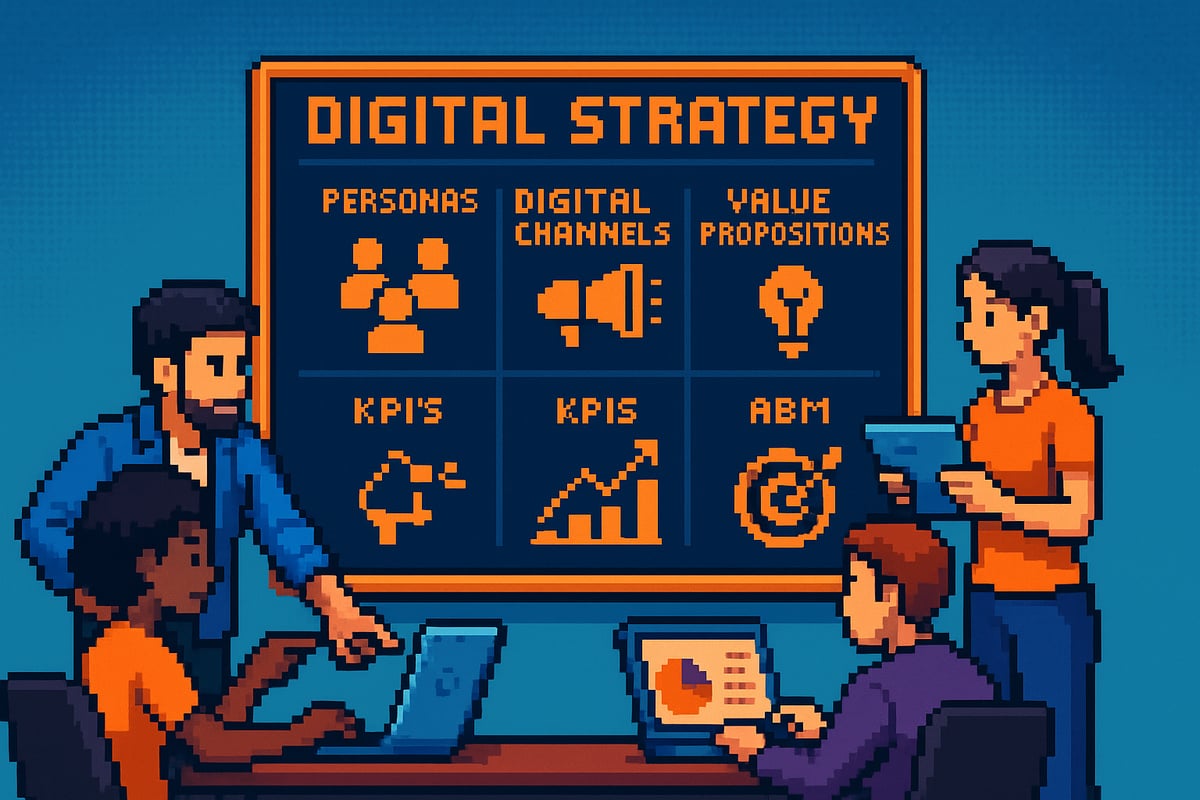
The foundation for any successful marketing agency leads strategy is a well-defined client profile. Start by analyzing your best current clients—look at industry, company size, pain points, and decision-maker roles. Use data to segment your audience and build detailed buyer personas.
Leverage intent signals and firmographics to refine your target list. Intent data reveals when prospects are actively researching solutions like yours. Firmographics, such as revenue and employee count, help prioritize high-value accounts. Align your agency’s services with the needs and goals of these segments to maximize relevance.
Regularly update personas to reflect market shifts. Involve your sales and delivery teams to surface real client challenges. This process ensures your marketing agency leads efforts remain focused and effective as industries evolve.
Choosing the Right Lead Generation Channels
Selecting the right channels is critical for reaching and engaging your ideal audience. Digital options include SEO, SEM, social media marketing, content, email, and programmatic ads. Offline channels, such as events, print, and radio, still play a role, especially for agencies targeting traditional sectors.
Consider a multichannel approach to diversify touchpoints, or an omnichannel strategy for seamless experiences across platforms. Agencies specializing in SaaS may prioritize LinkedIn and webinars, while creative firms might leverage Instagram and experiential events.
Track performance by channel to identify what yields the best marketing agency leads. Multi-touch, multi-channel strategies consistently produce higher conversion rates. Regularly reassess your mix as new platforms and buyer preferences emerge.
Crafting a Value Proposition That Converts
Standing out in a crowded field requires a clear, compelling value proposition. Start by identifying what sets your agency apart—this could be expertise in a niche, a unique tech stack, or a proven track record. Use messaging frameworks to address client pain points directly, focusing on tangible benefits.
Personalization is increasingly vital. Tailor your outreach and content to the specific needs and behaviors of each prospect. For 2026, consider adopting hyper-segmented personalization strategies to deliver the right message to the right person at the right time.
Employ dynamic content, customized proposals, and targeted case studies to boost engagement. Agencies that personalize at scale see higher response rates and more qualified marketing agency leads entering the funnel.
Setting Measurable Goals and KPIs
To optimize your marketing agency leads strategy, set clear, measurable goals. Key performance indicators should include the number of qualified leads, conversion rates, sales cycle length, and overall ROI. These metrics provide visibility into what works and where to improve.
Adopt robust tools for tracking and reporting. CRM platforms, analytics dashboards, and marketing automation systems streamline data collection and analysis. Example KPIs can be summarized as follows:
| KPI | Why It Matters |
|---|---|
| Qualified Leads | Measures the quality of prospects |
| Conversion Rate | Tracks effectiveness of outreach |
| Sales Cycle Length | Identifies bottlenecks in the process |
| ROI | Assesses profitability and resource use |
Review your KPIs regularly. Use insights to refine targeting, adjust channels, and boost the quality of marketing agency leads over time.
Integrating ABM and Inbound Methodologies
Combining account-based marketing (ABM) with inbound strategies creates a robust, full-funnel approach. ABM targets high-value enterprise accounts with tailored campaigns, while inbound draws prospects through valuable content and SEO.
Use outbound tactics like personalized emails and targeted ads to reach decision-makers. Simultaneously, invest in content marketing and thought leadership to attract and nurture leads organically. Integrate both approaches in your CRM for unified tracking.
This synergy ensures your marketing agency leads pipeline is filled with both proactively sourced and organically attracted prospects. It also allows for continuous engagement, improving conversion rates and long-term client relationships.
Step-by-Step: The 2026 Lead Generation Process for Agencies
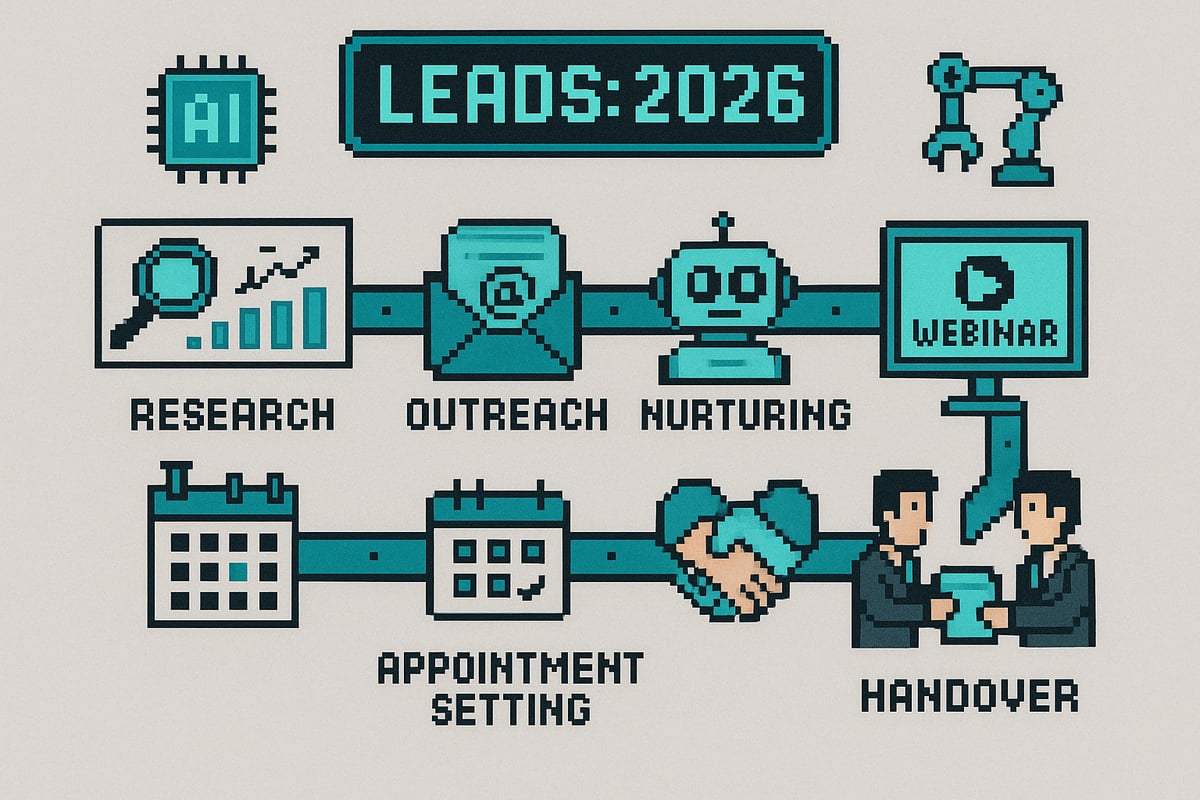
Generating marketing agency leads in 2026 requires a precise, technology-driven process. Agencies must blend data, automation, and personalization at each stage to consistently attract, nurture, and convert prospects. Let’s break down the step-by-step process to turn cold data into high-value clients.
Step 1: Research and Prospecting
Effective marketing agency leads start with robust research and precise prospecting. Agencies now leverage AI-powered tools to build targeted lists and enrich contact data, eliminating guesswork. Intent data and predictive analytics allow you to prioritize prospects who show buying signals, improving efficiency and focus.
For example, agencies using AI prospecting tools have reduced manual workloads by 40 percent. This means more time for strategic analysis and less on repetitive tasks. To maximize your marketing agency leads, always align research with your ideal client profile and industry trends.
- Use firmographic filters to target the right companies
- Monitor digital footprints for intent signals
- Prioritize prospects with predictive scoring
By combining data-driven insights with advanced technology, your agency can ensure a steady pipeline of high-quality marketing agency leads.
Step 2: Outreach and Engagement
Once you have identified potential marketing agency leads, the next step is personalized outreach. In 2026, agencies rely on multi-touch sequences delivered via email, social platforms, and even phone calls. Automation platforms streamline this process, ensuring no lead slips through the cracks.
The key is to balance automation with authentic engagement. Personalize every message using prospect data, and time your outreach based on behavioral triggers. Best practices include limiting frequency to avoid fatigue and using varied touchpoints to increase response rates.
- Craft tailored email templates for each segment
- Schedule follow-ups based on prospect activity
- Use social selling to build rapport
These tactics help agencies build trust and move marketing agency leads further down the funnel.
Step 3: Lead Nurturing and Qualification
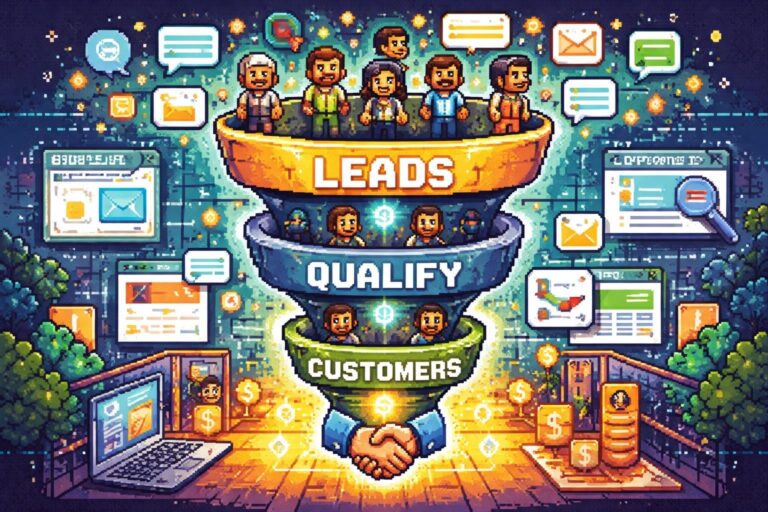
With initial engagement established, nurturing and qualifying marketing agency leads becomes critical. Automated workflows keep leads warm through targeted content, webinars, and educational resources. AI-driven chatbots, like those detailed in AI chatbots for lead generation, enable 24/7 engagement and can qualify leads in real time.
Implement lead scoring models to prioritize sales-ready opportunities. Chatbots, webinars, and personalized drip campaigns all contribute to keeping your agency top-of-mind while moving prospects through the funnel.
- Deploy chatbots on key landing pages
- Host live or on-demand webinars for education
- Score leads based on engagement and fit
This stage ensures only the most promising marketing agency leads reach the next phase.
Step 4: Appointment Setting and Follow-Up
After qualification, the focus shifts to setting appointments and following up with decision-makers. Agencies use integrated calendar tools, automated reminders, and personalized follow-ups to secure meetings efficiently.
Appointment-setting services and automation can shorten sales cycles by up to 30 percent. The human touch remains important, especially when confirming details or handling objections. Always track follow-up activities and refine your approach based on feedback.
- Use calendar links in emails for easy scheduling
- Automate reminders to reduce no-shows
- Personalize follow-up messages for each lead
This approach streamlines the conversion of marketing agency leads into real business opportunities.
Step 5: Handover to Sales and Feedback Loops
The final step in the process is the seamless handover of qualified marketing agency leads to your sales team. Clear documentation, CRM integration, and feedback loops are essential for ongoing optimization.
Closed-loop feedback helps identify which sources and tactics yield the best results. Regular reviews enable your agency to refine lead qualification criteria, messaging, and outreach strategies for continuous improvement.
- Ensure all lead data is up-to-date in your CRM
- Schedule regular sales-marketing syncs
- Analyze win/loss data for actionable insights
By closing the loop, your agency can scale marketing agency leads generation and adapt to future trends with confidence.
Leveraging AI, Automation, and Technology in Lead Generation
Artificial intelligence and automation have fundamentally transformed how agencies approach marketing agency leads. As we look toward 2026, the integration of smart technology is not just a trend, it is a necessity for agencies aiming to remain agile and competitive. Let us explore how these advancements are shaping the future of lead generation.
The Role of AI and Automation in 2026
AI and automation are redefining every stage of the marketing agency leads process. Agencies now use AI-powered prospecting to analyze vast datasets and identify high-potential clients. Predictive analytics help forecast which prospects are most likely to convert, allowing teams to focus their efforts where it matters most.
Automation streamlines repetitive tasks, such as lead scoring and personalized outreach. AI-driven chatbots and virtual assistants provide instant responses, ensuring no lead is left waiting. These innovations free up human teams for strategic tasks, increasing productivity and shortening sales cycles.
Personalization is another major benefit. AI algorithms can tailor messages to individual prospects, improving engagement rates and boosting the overall quality of marketing agency leads.
Essential Tools and Platforms for Agencies
To maximize results, agencies need a robust tech stack for marketing agency leads. Leading CRMs, marketing automation tools, and data enrichment platforms form the backbone of efficient lead generation. Integrations between platforms, such as Zapier or HubSpot, facilitate seamless data flow and workflow automation.
For agencies looking to supercharge their outreach, AI-powered creative tools and chatbot builders are invaluable. Solutions like Tidio allow agencies to quickly deploy no-code chatbots for lead capture, as detailed in Building a no-code chatbot with Tidio. These tools empower agencies to engage prospects instantly without advanced technical skills.
Selecting the right tools ensures agencies can nurture marketing agency leads efficiently, monitor campaign performance, and adapt to emerging opportunities.
How AI Chatbots Enhance Lead Generation Efficiency
AI chatbots have revolutionized how agencies interact with marketing agency leads. Operating around the clock, chatbots automate lead capture, qualification, and nurturing, ensuring that prospects receive timely responses regardless of timezone or business hours.
Platforms like ToolStacked offer a range of customizable chatbot solutions, from simple FAQ bots to advanced AI-driven assistants. Chatbots can be seamlessly integrated into agency websites, landing pages, and even social media channels.
Agencies leveraging chatbots report up to 50 percent more qualified marketing agency leads and higher client satisfaction. By automating routine interactions, chatbots free up staff for high-impact activities, driving efficiency and growth.
Integrating AI with Human Touch
While AI and automation are essential for scale, the human touch remains irreplaceable in the marketing agency leads journey. Successful agencies balance automated workflows with personalized, consultative outreach.
Teams are trained to interpret AI-generated insights, using them to craft tailored messaging and build authentic relationships. For example, combining AI-driven lead scoring with human qualification ensures that only the best marketing agency leads reach the sales team.
This blend of technology and human expertise creates a seamless experience for prospects and maximizes conversion potential.
Data Security, Compliance, and Ethics
Handling marketing agency leads data responsibly is crucial in 2026. Agencies must ensure full compliance with regulations like GDPR and CCPA, building trust through transparent data practices.
Modern platforms offer built-in consent tracking, secure data storage, and real-time monitoring to safeguard sensitive information. Agencies should regularly audit their processes, use encrypted communication channels, and provide clear opt-in options for all prospects.
Prioritizing data security and ethics not only protects the agency but also enhances its reputation among marketing agency leads and clients alike.
Multichannel Lead Generation Tactics for 2026
Generating marketing agency leads in 2026 requires a true multichannel mindset. Agencies can no longer rely on a single tactic. Instead, success hinges on orchestrating digital, offline, and hybrid strategies to engage prospects wherever they are. Let us explore the latest tactics and how to optimize each channel for maximum results.
Digital Channels: What Works Now
Digital channels remain the foundation for driving marketing agency leads. In 2026, SEO and content marketing are more sophisticated, leveraging AI and intent data to match agency content with high-value prospects. Agencies must optimize for emerging trends like voice search to ensure their content is discoverable, as highlighted in Voice Search Optimization.
SEM and paid social provide scalable targeting, while advanced email automation personalizes outreach at scale. Video marketing, especially live and on-demand webinars, fosters trust and educates leads. Agencies using webinars consistently report increased lead quantity and quality, proving their effectiveness in the modern landscape.
- SEO and voice search optimization
- AI-driven content personalization
- Automated email nurturing and segmentation
- SEM and paid social for targeted reach
- Webinars for education and engagement
Offline and Hybrid Channels
Offline tactics still matter for marketing agency leads, especially when combined with digital touchpoints. Event marketing, trade shows, and conferences offer valuable face-to-face engagement, which builds credibility and accelerates trust. Direct mail and print remain powerful for reaching niche segments, particularly in industries where digital saturation is high.
Hybrid events, merging virtual and in-person experiences, are gaining traction. They expand reach while maintaining the human connection. Agencies that blend offline and online interactions create more memorable, multichannel journeys for their leads.
- Conferences and trade shows for relationship-building
- Direct mail for targeted campaigns
- Hybrid events for broader engagement
Social Selling and Influencer Partnerships
Social selling has evolved into a critical tactic for marketing agency leads. Platforms like LinkedIn and X (formerly Twitter) allow agencies to connect with decision-makers directly, nurturing relationships through valuable content and conversations. Building authority through thought leadership posts, case studies, and content collaborations helps agencies stand out.
Influencer partnerships further amplify reach. By collaborating with industry voices, agencies can tap into established audiences and gain credibility quickly. These partnerships, combined with strategic social engagement, fuel lead generation in competitive markets.
- LinkedIn and X for B2B outreach
- Thought leadership and content co-creation
- Influencer campaigns for targeted exposure
Retargeting and Nurture Sequences
Retargeting keeps marketing agency leads engaged long after their first interaction. Agencies use retargeting ads to re-engage website visitors across platforms, reminding them of value propositions and nurturing them through the decision journey. Automated nurture workflows—leveraging personalized content, triggered emails, and chatbots—maintain momentum until leads are sales-ready.
Measuring channel performance is essential. Agencies rely on attribution models and real-time analytics to optimize campaign spend and effort, as detailed in the Lead Generation Tools Market Outlook. This data-driven approach ensures resources are invested in the most effective channels for sustained lead growth.
- Retargeting ads for ongoing engagement
- Automated nurture workflows
- Analytics and attribution for channel optimization
Optimizing, Scaling, and Future-Proofing Your Lead Generation
In 2026, optimizing, scaling, and future-proofing your marketing agency leads strategy is essential for long-term success. Agencies must adapt quickly to shifting market conditions, leverage technology, and build resilient processes to stay ahead. Let’s break down how to continuously improve, expand, and safeguard your lead generation efforts for the coming year.
Continuous Testing and Optimization
Optimizing marketing agency leads requires a disciplined, data-driven approach. Start with A/B testing campaign elements, including messaging, creative, and channels. Use analytics to identify bottlenecks and highlight high-performing strategies.
Leverage creative tools for rapid iteration. For example, agencies can improve campaign outcomes by reviewing the pros and cons of AdCreative AI, allowing them to make informed choices about which AI-powered platforms to adopt. Monthly optimization cycles can yield up to 50 percent higher conversion rates.
Regularly update your lead capture forms, landing pages, and nurture sequences to maintain engagement and ensure your marketing agency leads pipeline remains robust.
Scaling Your Lead Generation Efforts
To scale marketing agency leads, build repeatable processes for prospecting, nurturing, and qualification. Document workflows and standardize outreach templates to ensure consistency as your team grows.
Consider when to outsource lead generation to specialists versus expanding your internal team. Embrace automation to handle higher volumes without sacrificing quality. Agencies can also enhance scale by leveraging custom AI agent creation for agencies, which streamlines prospecting and follow-up.
Expand your reach by targeting new verticals or geographies, using data-driven insights to inform your strategy and maximize the impact of your marketing agency leads efforts.
Training and Enabling Your Team
Empowering your team is critical for future-ready marketing agency leads management. Offer continuous training on emerging tools, platforms, and best practices. Encourage knowledge sharing between sales and marketing teams to align messaging and streamline lead handoff.
Schedule regular workshops or lunch-and-learns on topics like automation, compliance, and analytics. Equip your team with clear documentation and checklists for every stage of the lead generation process. A well-trained team ensures that your marketing agency leads strategy remains agile and effective as technology and buyer expectations evolve.
Preparing for the Future of Lead Generation
The landscape for marketing agency leads will continue to evolve rapidly. Stay ahead by monitoring technology trends such as AI, voice search, and predictive analytics. Adapt your strategy to meet changing buyer behaviors, including preferences for self-service and personalized interactions.
Build a resilient approach by diversifying channels and maintaining flexibility in your processes. Regularly audit your tech stack and data practices to ensure compliance and efficiency. Agencies that proactively future-proof their marketing agency leads strategy are best positioned for sustainable growth.
Case Studies: Success Stories from Leading Agencies
Real-world examples provide valuable insights into optimizing marketing agency leads. OpsVeda improved conversions by focusing on lead quality and deeper engagement. Inhalation Sciences expanded their reach and generated €300K in new revenue through strategic campaigns. AutoPylot launched new products with expert lead generation support, accelerating time to market.
Here is a quick summary:
| Agency | Challenge | Outcome |
|---|---|---|
| OpsVeda | Lead quality, engagement | Improved conversions |
| Inhalation Sciences | Revenue growth | €300K increase |
| AutoPylot | Product launch | Faster market entry |
Each success story underscores the importance of ongoing optimization and a proactive approach to marketing agency leads.
Action Plan: Your Next Steps for 2026
To future-proof your marketing agency leads strategy, follow this checklist:
- Audit your current lead generation channels and tools.
- Set clear KPIs for lead quality, conversion, and ROI.
- Experiment with new creative and automation platforms.
- Invest in team training and cross-functional collaboration.
- Stay informed about tech trends and compliance updates.
- Regularly review case studies for inspiration and best practices.
- Establish a feedback loop for continuous improvement.
By taking these steps, agencies can ensure their marketing agency leads pipeline remains strong and adaptable well into 2026.