7 Proven Tactics for Lead Generation for Marketing Agencies 2026
In 2026, the race for high-quality leads among agencies is more intense than ever. Every agency is fighting to stand out, and only those who master lead generation for marketing agencies will thrive.
Lead generation for marketing agencies is now the core driver of growth and long-term survival. Without a steady flow of qualified leads, even the most talented teams risk falling behind.
This article uncovers seven proven tactics designed specifically for agencies to win in today's digital landscape. From content marketing to AI-powered tools, each strategy delivers actionable steps for building a robust lead pipeline.
Ready to transform your agency’s results? Read on to discover the game-changing approaches that top agencies are using to dominate their markets.
The Changing Landscape of Lead Generation for Marketing Agencies in 2026
The world of lead generation for marketing agencies is transforming at breakneck speed. In 2026, agency leaders face an environment shaped by rapid advances in technology, tighter privacy regulations, and evolving buyer expectations. To stay ahead, agencies must rethink their strategies and embrace innovation.
The Evolution of Lead Generation for Marketing Agencies
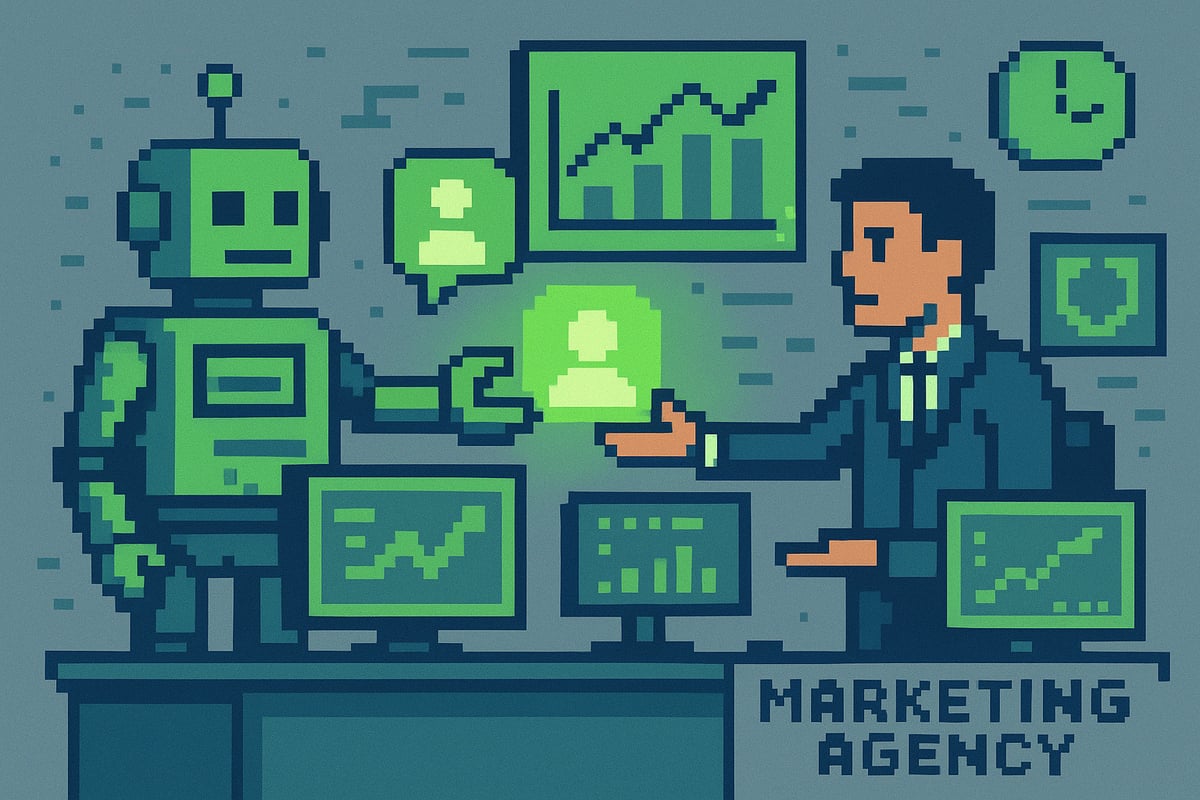
Over the past few years, lead generation for marketing agencies has shifted from simple outreach to an integrated, tech-driven discipline. AI and machine learning now analyze massive datasets, enabling agencies to pinpoint high-value prospects with precision. Multichannel strategies are essential, blending inbound and outbound tactics for greater reach. For a comprehensive look at these changes, see the Marketing agency lead generation guide.
The Impact of AI, Automation, and Personalization
AI-powered tools have revolutionized lead generation for marketing agencies by automating repetitive tasks and enabling real-time personalization. Chatbots qualify leads instantly, while predictive analytics forecast client needs before outreach begins. Agencies leveraging AI-driven segmentation consistently outperform those relying on traditional methods, gaining deeper insights and higher conversion rates. Personalized experiences are now the expectation, not the exception.
Navigating Data Privacy and Regulatory Shifts
Stringent privacy regulations like GDPR and CCPA have reshaped how lead generation for marketing agencies operates. Agencies must now secure explicit consent for data use and adopt transparent practices. Tracking and targeting have grown more complex, requiring advanced compliance strategies. Agencies that prioritize data security not only avoid penalties but also build greater trust with prospective clients.
Rising Competition and the Need for Differentiation
With record numbers of agencies vying for the same pool of clients, the pressure to stand out is fierce. According to recent industry data, 70 percent of agencies identify lead quality as their top challenge. The most successful agencies adopt multi-channel, tech-enabled approaches, blending automation with a human touch to deliver unique value. Standing out in a crowded market requires continual innovation and a willingness to adapt.
Inbound vs. Outbound: Finding the Right Balance for Agency Lead Generation
The landscape of lead generation for marketing agencies is more competitive than ever, and choosing the right mix of strategies is critical for sustainable growth. In 2026, agency leaders must navigate a crowded field, changing buyer behaviors, and new technologies to consistently fill their pipelines. The debate between inbound and outbound tactics is no longer about which is superior, but how to blend them for optimal results.

What is Inbound vs Outbound for Agencies?
Inbound strategies focus on attracting prospects through valuable content, SEO, and organic channels. This method builds authority and trust over time, positioning agencies as thought leaders. Outbound, on the other hand, involves proactive outreach like cold emails, LinkedIn messages, and targeted ads to engage specific prospects directly.
| Approach | Inbound | Outbound |
|---|---|---|
| Tactics | Blogging, SEO, webinars, case studies | Cold email, LinkedIn outreach, paid ads |
| Cost | Lower per-lead cost, higher initial time investment | Higher spend, faster returns |
| Speed | Slower to generate leads, long-term payoff | Immediate pipeline boost, less brand building |
| Trust | Builds credibility, nurtures relationships | Requires personalization to avoid being ignored |
For lead generation for marketing agencies, inbound leads are reported to be 61% less expensive than outbound, yet they often require longer nurturing to convert. Outbound excels in delivering quick wins and targeting specific niches but can be costly and less effective if not personalized. According to Lead Generation Statistics 2025, agencies that combine both methods outperform those relying solely on one.
Striking the Right Balance
The most successful lead generation for marketing agencies in 2026 comes from a balanced, hybrid approach. Agencies are merging the authority of inbound tactics with the precision and speed of outbound to fill gaps and scale quickly. For example, agencies may publish high-value guides to attract organic traffic, then use outbound outreach to engage prospects who interact with this content.
To create a resilient lead generation engine, agencies should:
- Develop a content strategy that targets decision-makers’ pain points.
- Use outbound outreach to supplement slow inbound periods or target new verticals.
- Implement robust analytics to measure source effectiveness and ROI.
- Continuously test, personalize, and adjust both inbound and outbound tactics.
Hybrid methods ensure that lead generation for marketing agencies remains agile, scalable, and responsive to market shifts. By leveraging both approaches, agencies can maintain a steady pipeline, adapt to buyer preferences, and outperform competitors in a rapidly evolving digital landscape.
7 Proven Tactics for Lead Generation for Marketing Agencies 2026
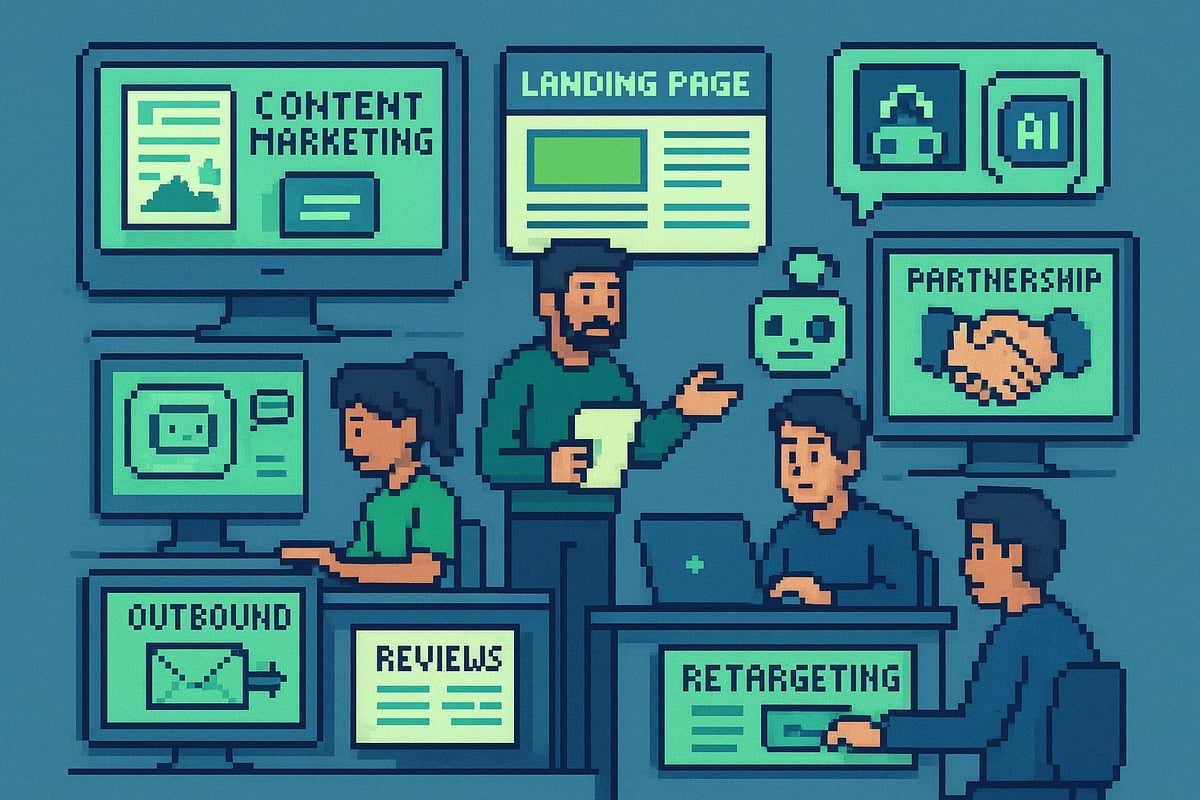
In 2026, the digital landscape is transforming how agencies attract and convert high-quality prospects. Here are seven actionable tactics every agency must master to build a resilient and scalable lead generation engine.
1. Content Marketing and Thought Leadership
Content remains the cornerstone of lead generation for marketing agencies. In 2026, high-value blog posts, in-depth guides, and compelling case studies are essential for attracting decision-makers facing complex digital challenges.
Agencies should map content to client pain points, such as ROI measurement, platform fatigue, or martech integration. Conducting thorough keyword research ensures your insights surface where prospects are searching. For example, a data-driven “State of Digital Marketing” report or a series on emerging AI trends can position your agency as an industry authority.
Leverage multimedia formats—webinars, podcasts, and short-form video—to appeal to different learning styles and elevate engagement. Repurpose top-performing assets across social media, email, and gated downloads to maximize reach and conversion opportunities.
Consider these best practices:
- Update evergreen content regularly with fresh data.
- Include strong calls-to-action within every asset.
- Use content upgrades (e.g., checklists) to capture leads.
According to industry data, agencies with active blogs generate 67% more leads. To measure ROI, track metrics like organic traffic, lead quality, and content-assisted conversions. Optimize by A/B testing headlines, CTAs, and content formats.
Ultimately, strategic content marketing powers sustainable lead generation for marketing agencies. By prioritizing thought leadership, your agency builds trust and authority that drive inbound demand.
2. Advanced Landing Pages and Conversion Funnels
In 2026, personalized landing pages are critical for lead generation for marketing agencies seeking to convert high-intent visitors. Tailor each page to specific offers, industries, or buyer personas, ensuring relevance from the first click.
Use A/B testing to refine headlines, images, and calls-to-action. Smart forms adapt to user responses, reducing friction and increasing completion rates. Integrating chatbots or live chat enables real-time lead capture, qualification, and immediate follow-up.
Key elements of a high-converting landing page:
- Clear, benefit-focused value proposition
- Concise, persuasive copy
- Prominent, singular CTA
- Social proof: testimonials, ratings, or case studies
Optimized landing pages can boost conversions by up to 300%. For example, Agency Y built a funnel with gated content (e.g., industry benchmarks) and automated email follow-ups, resulting in a steady stream of qualified leads.
Mobile responsiveness is non-negotiable. With most decision-makers researching on mobile, ensure fast load times and intuitive layouts. Track user behavior with analytics tools to identify drop-off points and refine continuously.
By investing in advanced landing pages and conversion funnels, agencies can significantly increase the efficiency and volume of lead generation for marketing agencies, capturing more opportunities from every campaign.
3. AI-Powered Automation and Chatbots
AI is revolutionizing lead generation for marketing agencies. Deploying AI-powered chatbots on websites and landing pages enables agencies to engage visitors 24/7, answer questions instantly, and capture lead details even outside business hours.
Automation tools can qualify leads based on their responses, schedule appointments, and trigger personalized follow-up sequences. AI-driven segmentation ensures each lead receives relevant messaging, increasing engagement and conversion rates.
Integrate these solutions with your CRM and marketing automation platforms for seamless data flow. Agencies leveraging AI-powered automation tools report up to a 40% increase in lead capture.
Example: Agency Z implemented a chatbot that pre-qualifies leads using targeted questions, saving the sales team hours each week. This not only improves efficiency but also ensures leads are routed to the right specialist.
Best practices for balancing automation with a human touch:
- Set clear escalation paths for complex queries.
- Personalize responses using lead data.
- Regularly review chatbot performance and update scripts.
AI-powered automation is essential for scalable, cost-effective lead generation for marketing agencies. Agencies that adopt these solutions can handle higher volumes without sacrificing quality or responsiveness.
4. Outbound Email and LinkedIn Outreach 2.0
Outbound strategies have evolved, and in 2026, hyper-personalized cold emails and LinkedIn messages are vital for effective lead generation for marketing agencies. Use intent data to craft tailored outreach that resonates with each prospect’s unique needs.
Modern tools automate outreach sequences while maintaining authenticity. Segment lists by firmographics, technographics, and behavioral triggers for laser-focused campaigns. Track open, reply, and conversion rates to refine your approach.
To boost outbound prospecting, agencies can leverage business lead lists for agencies to access curated, high-quality contacts, reducing time spent on manual research.
A real-world example: Agency A’s LinkedIn campaign used personalized video introductions and dynamic follow-ups, booking 30 discovery calls in a single month.
Tips for outbound success in 2026:
- Avoid spammy tactics that harm your reputation.
- Respect privacy laws by securing consent and offering easy opt-outs.
- Use compelling subject lines and concise messaging.
Combining outbound channels with automation enables proactive, scalable lead generation for marketing agencies, ensuring a consistent pipeline of qualified opportunities.
5. Strategic Partnerships and Co-Marketing
Strategic collaborations are a powerful channel for lead generation for marketing agencies. Identify complementary businesses such as SaaS providers, consultants, or tech vendors. Co-branded webinars, ebooks, and events open doors to new audiences and establish credibility.
Set up referral programs with clear incentives and transparent tracking. Collaborate on case studies and success stories to showcase joint value and expertise. For example, Agency B’s partnership with a CRM company generated over 50 qualified leads through a shared webinar series.
When vetting partners:
- Align on target audience and goals.
- Define clear roles and responsibilities.
- Monitor performance and ROI regularly.
Industry-specific and local collaborations can unlock niche markets. Regularly review partnership outcomes to refine your approach and maximize results.
Strategic partnerships amplify reach and trust, making them indispensable for lead generation for marketing agencies aiming for sustainable growth.
6. Leveraging Data, Reviews, and Social Proof
Social proof is a catalyst for lead generation for marketing agencies. Encourage satisfied clients to leave reviews on trusted platforms like Clutch, G2, or Google. Prominently feature testimonials, ratings, and case studies on your website and in proposals.
Integrate social proof into ad creatives and landing pages to boost credibility. Monitor reviews, respond promptly, and use feedback to improve service. Agencies with robust online reviews see a 33% higher conversion rate.
Agency C’s “Client Success Wall” displayed real-time testimonials and case studies, leading to a notable increase in demo requests.
Effective strategies include:
- Requesting reviews after project milestones.
- Showcasing user-generated content on social channels.
- Including client logos and awards in marketing materials.
By amplifying positive feedback, agencies reinforce trust and authority, accelerating lead generation for marketing agencies in a competitive market.
7. Paid Ads and Retargeting for Agencies
Paid advertising remains a direct route for lead generation for marketing agencies, especially when targeting decision-makers in specific verticals. Use PPC and social ads to reach high-intent audiences with tailored messaging.
Retargeting campaigns nurture website visitors and recapture abandoned leads, increasing conversion rates by up to 70%. Test different ad formats—search, display, video, native—to identify what resonates best with your audience.
Leverage AI-driven bidding strategies and audience segmentation for optimal ad spend efficiency. For example, Agency D’s Facebook retargeting campaign doubled their lead volume in just two months.
Best practices:
- Track results with advanced attribution models.
- Continuously test creative variations for improvement.
- Align ad messaging with landing page content for consistency.
With a data-driven approach, paid ads and retargeting can supercharge lead generation for marketing agencies, delivering measurable ROI and fueling pipeline growth.
Building a Lead Generation Engine: Systems, Tools, and Team Roles
In 2026, building a sustainable lead generation engine is essential for marketing agencies aiming to stay ahead of the curve. Agencies face a fast-evolving landscape with increasing competition and rapidly changing client expectations. To succeed, agencies must design robust systems, assemble skilled teams, and continually refine their strategies for lead generation for marketing agencies.
Essential Systems and Tools
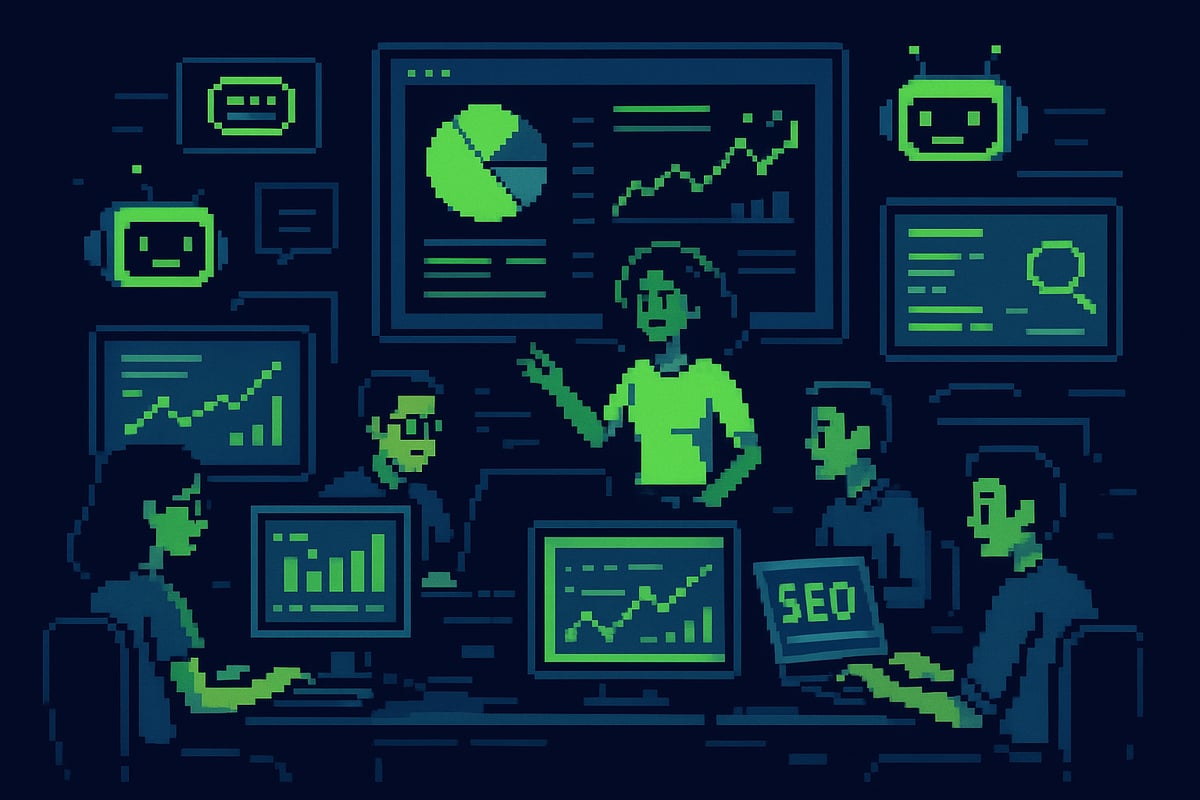
A modern lead generation engine relies on an integrated tech stack. Core systems include a customer relationship management (CRM) platform, marketing automation tools, and comprehensive analytics dashboards. Leading platforms like HubSpot, Salesforce, and Zapier help agencies automate workflows, track leads, and manage campaigns efficiently.
AI-powered solutions are transforming how agencies approach lead generation for marketing agencies. For example, predictive lead scoring, AI chatbots, and automated segmentation streamline prospecting and qualification. To explore these trends in depth, refer to AI-Powered Lead Generation Trends for B2B in 2026, which highlights the latest tools shaping the industry.
Team Roles and Continuous Training
Success in lead generation for marketing agencies depends on assembling a skilled, cross-functional team. Key roles include content creators who attract prospects, SEO specialists who drive organic visibility, outreach coordinators who nurture relationships, and data analysts who interpret campaign results.
Regular training and upskilling are crucial. The digital landscape shifts rapidly, so agencies must invest in professional development. Workshops, certifications, and peer learning sessions ensure team members stay ahead in best practices and emerging technologies.
Optimization, Budgeting, and Pipeline Review
Continuous improvement is central to effective lead generation for marketing agencies. Agencies should regularly analyze campaign data, gather feedback, and implement iterative changes. Budgeting tools help allocate resources efficiently across channels, balancing paid and organic efforts for maximum ROI.
Regular pipeline reviews and robust lead scoring models enable teams to prioritize the most promising opportunities. For real-world examples of how AI and automation drive optimization in agency settings, see AI and Automation in Marketing 2026: Real-World Case Studies and ROI. By combining technology, teamwork, and data-driven processes, agencies can create a resilient lead generation engine that scales with growth.