Business Opportunity Leads: Guide to Growth in 2026
Business opportunity leads represent the lifeblood of any growing company, serving as potential customers who have expressed interest in products or services that could solve their specific challenges. In 2026, the landscape of lead generation has evolved dramatically, with artificial intelligence and automation transforming how businesses identify, capture, and nurture these valuable prospects. Understanding the mechanics of business opportunity leads and implementing strategic approaches to manage them can mean the difference between stagnant growth and exponential expansion. For companies leveraging AI-powered tools and automation, the ability to systematically generate and convert leads has become more accessible and measurable than ever before.
Understanding Business Opportunity Leads
Business opportunity leads differ significantly from general marketing leads in their specificity and intent level. These prospects have demonstrated a clear interest in solving a business problem and possess the authority, budget, or influence to make purchasing decisions.
Defining Quality Lead Characteristics
Not all business opportunity leads carry equal value. High-quality leads typically exhibit several distinguishing features that make them more likely to convert into paying customers.
Key characteristics include:
- Clear alignment between their business challenges and your solutions
- Appropriate company size and budget capacity
- Decision-making authority or influence within their organization
- Active engagement with your content or outreach efforts
- Timeline for implementation that matches your sales cycle
Research shows that personalization significantly impacts lead quality, with personalized approaches generating substantially higher conversion rates than generic outreach. The ability to identify these characteristics early in the prospecting process allows businesses to allocate resources more efficiently.
Lead Classification Systems
Implementing a structured classification system helps prioritize which business opportunity leads deserve immediate attention. Most successful organizations use a combination of demographic and behavioral data to segment their prospects.
| Lead Type | Definition | Typical Conversion Rate | Response Priority |
|---|---|---|---|
| Hot Leads | High intent, immediate need, budget confirmed | 25-40% | Within 1 hour |
| Warm Leads | Clear interest, exploring solutions, timeline uncertain | 10-20% | Within 24 hours |
| Cold Leads | Minimal engagement, early research phase | 2-8% | Within 72 hours |
Understanding lead scoring methodologies allows companies to apply quantitative values to qualitative behaviors, creating a systematic approach to prioritization. For businesses utilizing AI tools, automated scoring systems can process vast amounts of behavioral data to identify the most promising opportunities.

Generating Business Opportunity Leads Through Multiple Channels
The most successful lead generation strategies employ a multi-channel approach that meets prospects where they already spend time. Relying on a single channel creates vulnerability and limits growth potential.
Digital Marketing Channels
Modern businesses must maintain a presence across various digital platforms to capture business opportunity leads effectively. Content marketing remains one of the most cost-effective methods, with companies that blog regularly generating significantly more leads than those that don't.
High-performing digital channels include:
- Search engine optimization targeting problem-solving keywords
- Pay-per-click advertising on search and social platforms
- Content hubs offering valuable resources in exchange for contact information
- Social media engagement focusing on industry-specific communities
- Email marketing campaigns segmented by prospect characteristics
According to comprehensive lead generation data, SEO-generated leads have substantially higher close rates compared to outbound methods. This underscores the importance of creating valuable content that addresses specific business challenges your prospects face.
Automation and AI-Powered Generation
Artificial intelligence has revolutionized how businesses identify and capture leads. Chatbots, predictive analytics, and automated nurturing sequences allow companies to engage prospects 24/7 without proportional increases in staffing.
Implementing conversational AI solutions enables businesses to qualify visitors in real-time, answering questions and capturing contact information when interest peaks. These systems can handle multiple conversations simultaneously while maintaining personalization at scale.
Companies exploring AI lead generation strategies discover that automation handles repetitive tasks while freeing human team members to focus on high-value activities like closing deals and building relationships. The combination of human expertise and machine efficiency creates a competitive advantage that purely manual operations cannot match.
Referral and Partnership Programs
Business opportunity leads generated through referrals typically convert at higher rates and demonstrate greater lifetime value than leads from other sources. Satisfied customers who recommend your services provide social proof that reduces perceived risk for new prospects.
Effective referral strategies include:
- Formal referral programs with clear incentives for introducers
- Strategic partnerships with complementary service providers
- Case studies showcasing successful client outcomes
- Testimonial collection systems integrated into your delivery process
- Community building that encourages peer recommendations
Salesforce identifies asking for referrals as one of the fundamental lead generation strategies, yet many businesses overlook this approach despite its proven effectiveness.

Converting and Nurturing Business Opportunity Leads
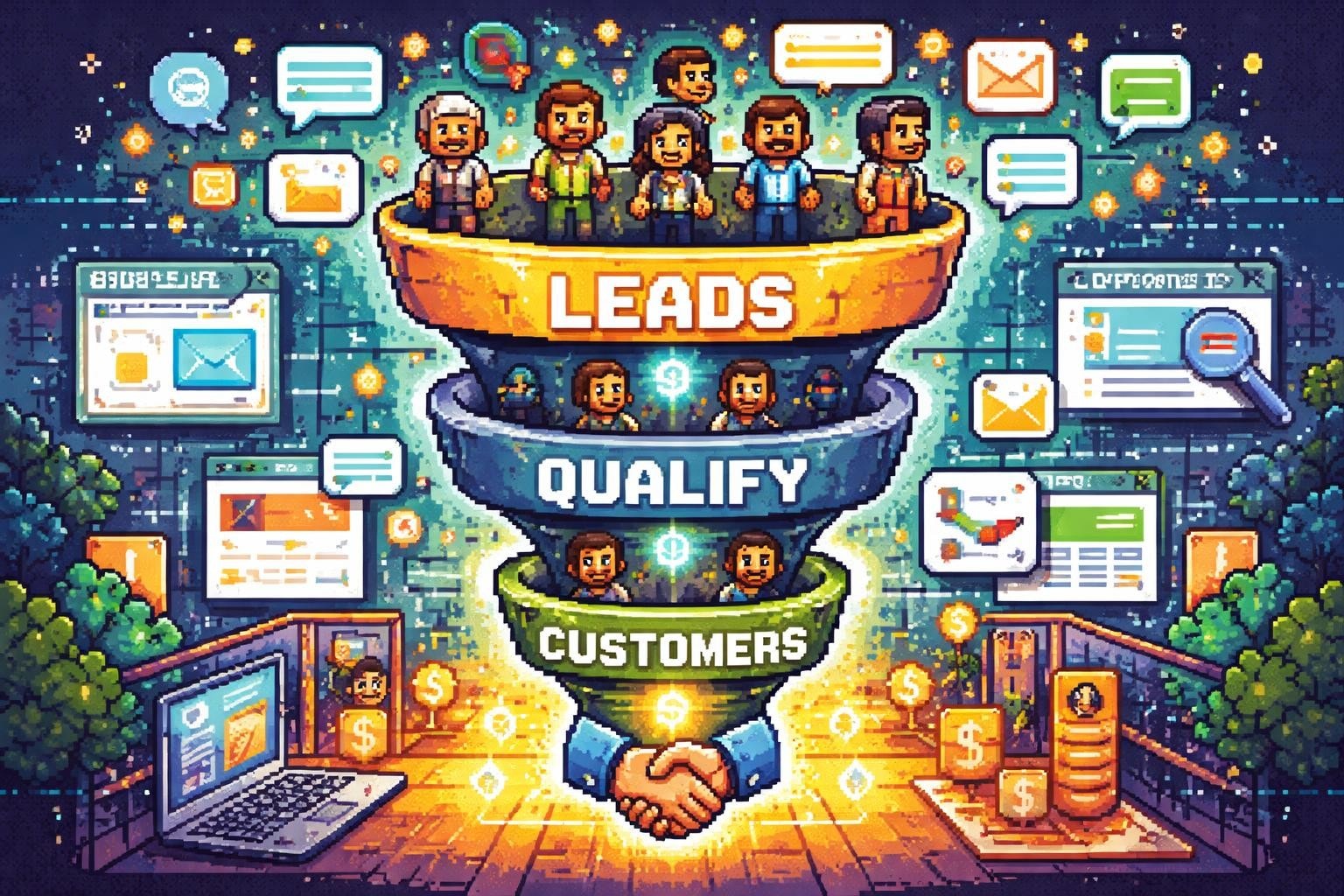
Generating leads represents only the first step in a comprehensive growth strategy. Converting these prospects into customers requires systematic nurturing processes that build trust and demonstrate value over time.
Response Time and Follow-Up
Speed matters significantly when working with business opportunity leads. Research consistently shows that optimal response times dramatically impact conversion rates, with leads contacted within the first hour being seven times more likely to qualify than those contacted after two hours.
Many businesses struggle with timely follow-up due to resource constraints or inefficient processes. Implementing automated acknowledgment systems ensures prospects receive immediate confirmation while human team members prepare personalized responses.
Lead Nurturing Sequences
Not every business opportunity lead is ready to purchase immediately. Effective nurturing maintains engagement while educating prospects about their challenges and potential solutions.
| Nurturing Stage | Primary Goal | Content Types | Typical Duration |
|---|---|---|---|
| Awareness | Problem identification | Educational blog posts, industry reports | 2-4 weeks |
| Consideration | Solution exploration | Comparison guides, webinars, case studies | 3-6 weeks |
| Decision | Vendor selection | Product demos, ROI calculators, consultations | 1-3 weeks |
HubSpot emphasizes the importance of capturing the right information at each stage to inform appropriate nurturing tactics. Over-asking for information early can reduce conversion rates, while under-asking limits personalization capabilities.
For companies focused on lead generation for tech companies, technical content that demonstrates expertise becomes particularly valuable during the consideration phase. Prospects evaluating complex solutions need confidence in vendor capabilities before committing resources.
Segmentation Strategies
Generic messaging fails to resonate with diverse prospects who have different challenges, priorities, and preferences. Segmenting business opportunity leads allows for targeted communication that addresses specific needs.
Effective segmentation criteria:
- Industry vertical and associated regulatory requirements
- Company size and complexity of operations
- Specific pain points or challenges mentioned
- Engagement level and content consumption patterns
- Geographic location and associated market conditions
Companies utilizing chatbot services can automatically segment prospects based on conversation content, routing them to appropriate nurturing sequences without manual intervention. This automation ensures consistency while maintaining personalization.
Measuring and Optimizing Lead Generation Performance
What gets measured gets managed. Establishing clear metrics for business opportunity leads enables data-driven optimization that continuously improves results over time.
Key Performance Indicators
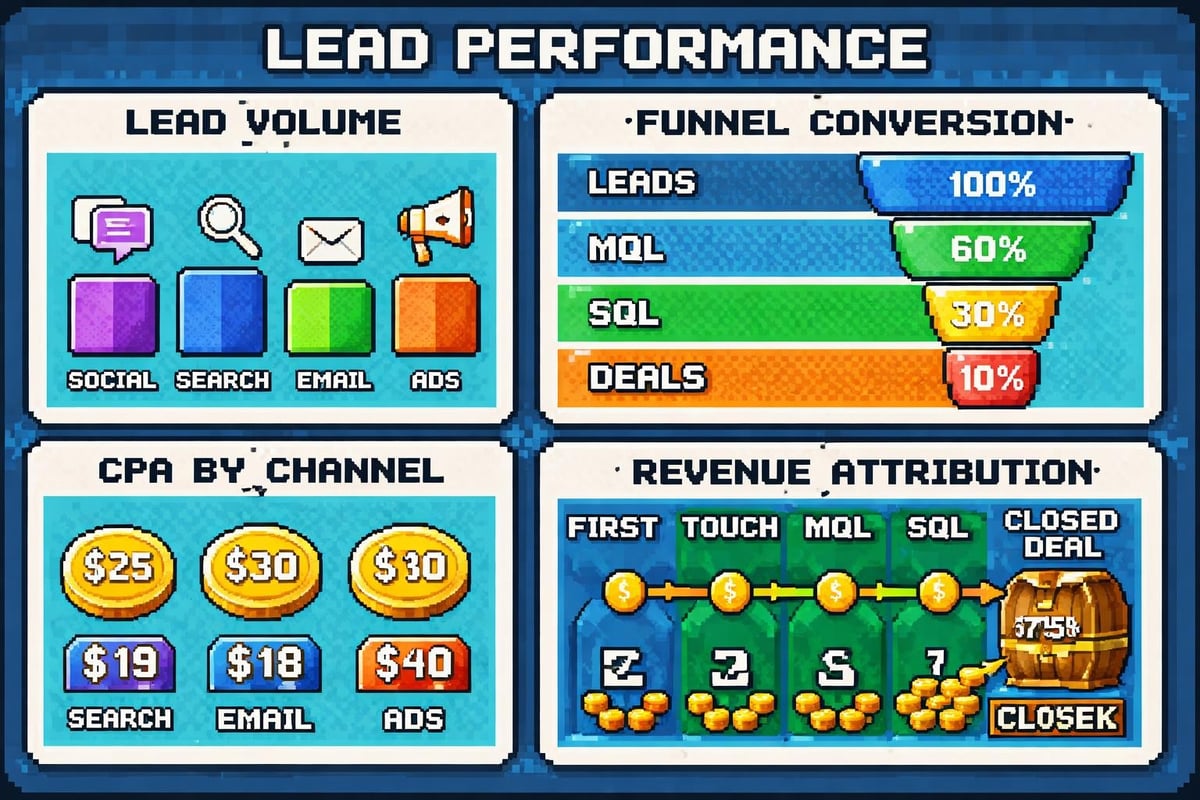
Tracking the right metrics provides visibility into which strategies generate the best return on investment. Leading businesses monitor both volume and quality metrics to ensure balanced growth.
Essential metrics include:
- Cost per lead across different channels
- Lead-to-opportunity conversion rate
- Opportunity-to-customer conversion rate
- Average sales cycle length by lead source
- Customer lifetime value by acquisition channel
- Return on investment for each marketing initiative
Comprehensive lead generation statistics reveal that businesses tracking and analyzing these metrics consistently outperform those relying on intuition alone. The ability to identify which sources produce the highest-quality business opportunity leads allows for strategic resource allocation.
A/B Testing and Optimization
Continuous improvement requires systematic testing of different approaches. Even small optimizations in conversion rates can produce significant revenue impacts when applied consistently across large prospect volumes.
Elements worth testing include:
- Landing page headlines and value propositions
- Form field requirements and information requests
- Call-to-action button text and placement
- Email subject lines and sending times
- Chatbot conversation flows and qualification questions
OnePageCRM outlines practical lead generation techniques that small businesses can implement, emphasizing the importance of testing different approaches to identify what resonates with specific audiences.
Technology Stack Optimization
The tools businesses use to capture and manage business opportunity leads significantly impact efficiency and effectiveness. Fragmented systems create data silos and manual work, while integrated platforms enable automation and comprehensive reporting.
| Tool Category | Primary Function | Integration Priority |
|---|---|---|
| CRM System | Contact management and pipeline tracking | Critical |
| Marketing Automation | Email sequences and lead nurturing | Critical |
| Analytics Platform | Performance measurement and attribution | High |
| Chatbot Software | Real-time engagement and qualification | High |
| Landing Page Builder | Conversion-optimized prospect capture | Medium |
Exploring automation tools for business reveals numerous options that can eliminate repetitive tasks and ensure consistent prospect experiences. The right technology stack multiplies team productivity without proportional cost increases.
Advanced Strategies for Competitive Markets
As markets mature and competition intensifies, businesses must employ sophisticated strategies to generate and convert business opportunity leads. Basic tactics that worked five years ago may no longer produce acceptable results in 2026.
Account-Based Marketing Approaches
For businesses targeting larger organizations or specific high-value accounts, account-based marketing flips traditional lead generation on its head. Rather than casting wide nets, ABM focuses resources on carefully selected prospects most likely to generate significant revenue.
This approach involves researching target accounts thoroughly, identifying multiple stakeholders within each organization, and creating personalized engagement strategies for each account. The focus shifts from lead volume to account penetration and relationship depth.
ABM implementation steps:
- Identify ideal customer profile characteristics
- Create list of target accounts matching that profile
- Research organizational structure and key decision makers
- Develop account-specific value propositions
- Coordinate multi-channel, multi-stakeholder outreach
- Measure engagement at account level rather than individual lead level
Content Syndication and Thought Leadership
Establishing expertise through high-value content attracts business opportunity leads who are further along in their buyer journey. These prospects have already identified their problems and are actively seeking solutions, making them more qualified than early-stage leads.
Publishing in-depth guides, original research, and industry analysis positions your company as a trusted advisor rather than just another vendor. This credibility advantage shortens sales cycles and increases win rates.
Companies can leverage marketing and growth resources to develop comprehensive content strategies that attract qualified prospects while building long-term brand equity.
Strategic Lead Purchasing
While organic lead generation should form the foundation of any strategy, purchasing leads from reputable sources can supplement internal efforts. However, this approach requires careful vendor selection and realistic expectations.
Evaluating the best lead companies involves examining lead verification processes, exclusivity guarantees, and money-back policies. Shared leads distributed to multiple buyers rarely convert well, while exclusive leads command premium prices but offer better conversion potential.
Some businesses explore pay-per-lead marketing agencies to access expertise and established generation systems without building internal capabilities from scratch. This approach works particularly well when entering new markets or testing product-market fit.
Data Enrichment and Intelligence
Business opportunity leads become more valuable when enriched with additional context and intelligence. Basic contact information provides limited guidance for personalization and prioritization.
Valuable enrichment data includes:
- Company technographic information about current tools and systems
- Recent funding announcements or leadership changes
- Digital behavior signals like website visits and content engagement
- Social media activity and professional interests
- Competitive intelligence about current vendor relationships
Accessing business lead lists with pre-enriched data accelerates the qualification process and enables more targeted outreach. However, data accuracy decays quickly, requiring regular updates and verification.
Compliance and Ethical Considerations
Generating business opportunity leads in 2026 requires adherence to increasingly complex privacy regulations and ethical standards. Violations can result in significant fines and lasting reputation damage.
Regulatory Compliance
Data protection regulations like GDPR, CCPA, and emerging state-level laws impose specific requirements on how businesses collect, store, and use prospect information. Non-compliance carries substantial penalties that can devastate small and mid-sized organizations.
Key compliance requirements:
- Clear consent mechanisms for data collection
- Transparent privacy policies explaining data usage
- Opt-out mechanisms readily available to prospects
- Data security measures protecting stored information
- Documented processes for data deletion requests
Ethical Lead Generation Practices
Beyond legal compliance, ethical considerations should guide lead generation strategies. Deceptive practices may generate short-term results but create long-term damage to brand reputation and customer trust.
Transparency about how prospect information will be used, honesty in value proposition communication, and respect for prospect preferences builds sustainable competitive advantage. Businesses that prioritize ethical practices differentiate themselves in markets saturated with aggressive, questionable tactics.
Best practices for working leads emphasize the importance of permission-based marketing and value-first approaches that respect prospect autonomy while still achieving business objectives.
Mastering business opportunity leads requires a strategic blend of technology, process, and human expertise that evolves continuously with market conditions and prospect expectations. Companies that systematically implement multi-channel generation strategies, automate repetitive tasks, and measure performance rigorously position themselves for sustainable growth in competitive markets. If you're ready to transform your lead generation capabilities with cutting-edge AI and automation solutions, ToolStacked offers the tools, insights, and services needed to build a high-performing prospect pipeline that drives measurable business results.