Essential Guide to the Elements of AI (2026)
AI is transforming how we live and work. The world in 2026 feels the impact of artificial intelligence every day, from smart assistants in our homes to breakthroughs in global business.
This essential guide to the elements of ai demystifies the technology and concepts shaping our future. Whether you are curious about how AI works or want to stay ahead in your career, understanding these foundations is critical.
We will explore what AI is, trace its history, break down key concepts, examine real-world uses, discuss ethics, outline learning pathways, and look at future trends. Ready to master the essentials and prepare for an AI-driven world? Dive in and start your journey.
Understanding Artificial Intelligence: Definitions and Scope
Artificial intelligence, or AI, stands at the core of technological progress in 2026. It refers to systems or machines that can perform tasks typically requiring human intelligence, such as reasoning, learning, and problem-solving. The elements of ai are woven into our daily routines, from voice assistants to personalized recommendations. As AI continues to evolve, understanding its scope is essential for anyone navigating the modern landscape. For foundational insights into AI and its relationship with data science, see Artificial Intelligence and Data Science.

Types of Artificial Intelligence
AI can be classified into three main types, each representing a different level of capability:
| Type | Description | Example |
|---|---|---|
| Narrow AI | Specialized in one task | Virtual assistant, chatbot |
| General AI | Human-level intelligence across domains | Not yet achieved |
| Superintelligent | Exceeds human intelligence in all aspects | Hypothetical future AI |
Currently, most applications use narrow AI, designed for specific problems. General AI, which matches human versatility, remains a research goal. Superintelligent AI is still theoretical. The elements of ai include these types, shaping how we interact with technology.
Core Branches of AI
The elements of ai span several branches, each contributing to different capabilities:
- Machine Learning (ML): Systems learn from data to make predictions or decisions.
- Natural Language Processing (NLP): Enables machines to understand and generate human language.
- Computer Vision: Allows computers to interpret visual information from the world.
- Robotics: Integrates AI into machines that interact physically with their environment.
It's important to distinguish between AI, machine learning, and deep learning. While all are related, machine learning is a subset of AI, and deep learning is a further subset that uses neural networks to process complex data. Mastering the elements of ai involves understanding these distinctions.
AI Across Industries: Adoption and Impact
AI is revolutionizing industries worldwide. In healthcare, AI assists in diagnostics and personalized treatments. Finance leverages AI for fraud detection and risk assessment. Education benefits from adaptive learning platforms, while transportation uses AI for route optimization and autonomous vehicles.
According to industry reports, over 50% of businesses will have integrated AI tools by 2026, reflecting the widespread adoption of the elements of ai. This trend highlights the growing necessity of AI literacy for professionals across sectors.
Real-World Example and Key Argument
Consider the role of AI-powered virtual assistants in customer service. These systems handle routine inquiries, personalize responses, and free up human agents for complex issues. The elements of ai, as seen in such applications, are transforming how organizations operate and how consumers interact with services.
Understanding the definitions and scope of AI is not just academic. It is foundational for leveraging opportunities and addressing challenges in an AI-driven future. As the elements of ai continue to shape society, building this knowledge base is the first step toward meaningful engagement.
Core Elements of AI: Concepts, Technologies, and Methods
Understanding the core elements of ai is crucial for anyone seeking to thrive in the digital landscape of 2026. These building blocks shape how intelligent machines learn, reason, and deliver value across sectors. By exploring these foundational ideas, you will gain clarity on what drives modern AI systems and how to leverage them for maximum impact.
Fundamental Concepts: Algorithms, Data, and Models
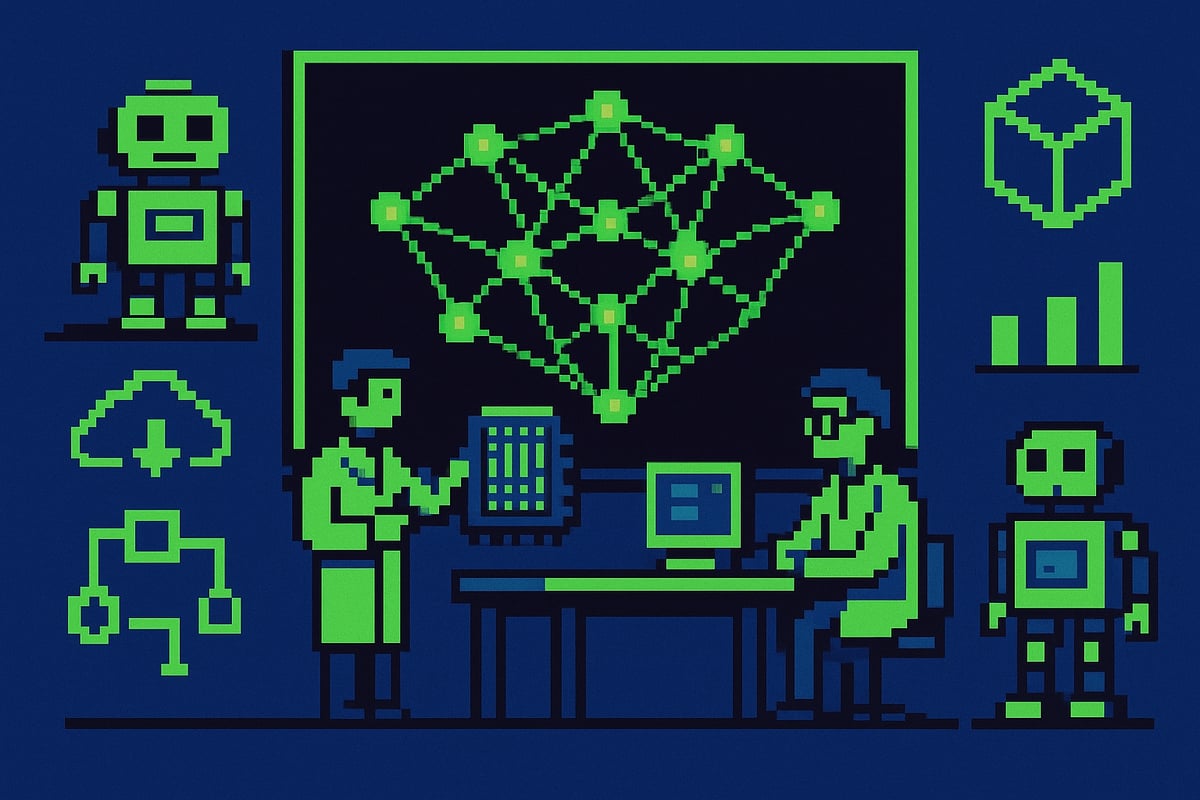
At the heart of the elements of ai are three foundational components: algorithms, data, and models.
- Algorithms: Step-by-step instructions that guide machines to solve problems or make decisions.
- Data: The raw material AI learns from, including numbers, text, images, and sounds.
- Models: The result of training algorithms on data, enabling systems to make predictions or recognize patterns.
Let’s break it down further:
| Element | Description | Example Use Case |
|---|---|---|
| Algorithm | Set of rules for calculations or data processing | Sorting emails |
| Data | Input for learning and evaluation | Medical images |
| Model | Learned representation for prediction or classification | Fraud detection system |
For deeper insights into how data shapes AI performance, see AI in Data Analysis.
Understanding these elements of ai is vital—without them, intelligent systems cannot function or improve.
Learning Paradigms: Supervised, Unsupervised, and Reinforcement Learning
Learning is a central part of the elements of ai. There are three main learning paradigms:
- Supervised Learning: The AI learns from labeled data, where humans provide the correct answers. Common in image recognition or spam detection.
- Unsupervised Learning: The AI explores patterns in unlabeled data, often used for clustering customers or anomaly detection.
- Reinforcement Learning: The AI learns by trial and error, receiving rewards or penalties. This is key in robotics and game-playing agents.
Each paradigm brings unique strengths to the elements of ai, allowing systems to tackle a wide range of tasks. For example, supervised learning powers facial recognition, while reinforcement learning enables self-driving cars to adapt to new environments.
Core Technologies Powering AI
Several core technologies underpin the elements of ai, making advanced capabilities possible.
- Neural Networks: Modeled after the human brain, these systems excel at recognizing complex patterns in data.
- Decision Trees: Simple yet powerful, they split data into branches to make predictions or classifications.
- Clustering Algorithms: These group similar data points together, revealing hidden structures in large datasets.
- Natural Language Processing (NLP): Enables machines to understand and generate human language.
Here’s a quick comparison:
| Technology | Key Strength | Common Application |
|---|---|---|
| Neural Networks | Handling unstructured data | Speech, image recognition |
| Decision Trees | Interpretability | Credit scoring |
| Clustering | Discovering hidden patterns | Customer segmentation |
| NLP | Language understanding | Chatbots, translation |
Mastering these technologies is essential to fully grasp the elements of ai and their real-world impact.
The Role of Big Data and Cloud Computing
The explosion of big data and cloud computing has transformed the elements of ai. Massive datasets fuel more accurate and adaptable AI models, while cloud platforms provide the computational power needed for training and deployment.
Key advantages include:
- Scalability: Cloud resources expand or contract as needed.
- Accessibility: Data and computing power are available worldwide.
- Collaboration: Teams can work together on AI projects in real time.
Today, 80% of large enterprises use machine learning solutions in their operations, a testament to the growing reliance on these elements of ai. Big data and cloud computing make it possible to build smarter, more responsive systems that drive business innovation.
Real-World Example: Computer Vision in Action
Computer vision is a prime example of the elements of ai coming together to solve real-world problems. In facial recognition, AI systems process millions of images, learn to identify unique features, and make split-second decisions. Autonomous vehicles rely on similar principles, using cameras and sensors to interpret their surroundings and navigate safely.
This integration of algorithms, data, models, and advanced technologies highlights how the elements of ai are changing industries. As more organizations harness these tools, understanding their interplay becomes a key skill for the future.
Real-World Applications of AI in 2026
Artificial intelligence is reshaping the world at a remarkable pace. The elements of ai are now embedded in nearly every facet of modern life, revolutionizing how industries operate, how consumers interact with technology, and how professionals approach their work.

AI Across Key Industries
The elements of ai are transforming multiple sectors with tangible results. In healthcare, AI solutions assist doctors in diagnosing diseases and personalizing treatments. Financial institutions use AI for fraud detection, risk assessment, and customer service automation.
Retailers benefit from AI-driven inventory systems and personalized shopping recommendations. In transportation, AI powers self-driving vehicles and optimizes logistics. Education systems employ AI for adaptive learning platforms, while entertainment industries use AI to create personalized content.
| Industry | AI Use Case | Impact in 2026 |
|---|---|---|
| Healthcare | Diagnostics, drug discovery | Faster, accurate care |
| Finance | Fraud detection, trading | Enhanced security |
| Retail | Recommendations, logistics | Improved efficiency |
| Transportation | Autonomous vehicles | Safer travel |
| Education | Adaptive learning | Personalized lessons |
| Entertainment | Content creation | Tailored experiences |
The elements of ai enable organizations to innovate and deliver better outcomes for users and stakeholders.
Personalized Medicine and Diagnostics
Healthcare is witnessing a dramatic shift as the elements of ai support personalized medicine. AI algorithms analyze vast datasets, including genetic information and patient history, to identify the most effective treatments for individuals. This approach improves patient outcomes and reduces the risk of adverse reactions.
AI-driven diagnostic tools can interpret medical images, such as X-rays and MRIs, with exceptional accuracy. Doctors use these insights to detect conditions earlier and plan targeted therapies. For example, AI systems are now helping pathologists identify cancer cells with greater precision than ever before.
By leveraging the elements of ai, healthcare providers can offer customized care and automate routine tasks, freeing up time for critical patient interactions.
Automation in Business and Customer Service
Businesses are rapidly adopting the elements of ai to streamline operations and enhance customer experiences. AI-powered chatbots address customer inquiries instantly, while recommendation engines personalize product suggestions, driving higher engagement and sales.
Automation extends to back-office functions as well, including data entry, invoice processing, and supply chain management. AI-driven automation is projected to save businesses $300 billion annually by 2026, according to recent market analysis.
The elements of ai also enable real-time data analysis, empowering leaders to make informed decisions quickly. Companies that embrace these technologies gain a significant competitive advantage in an increasingly digital world.
Workforce Upskilling and Democratization of AI
As the elements of ai become integral to the workplace, upskilling is essential for employees to thrive. Initiatives like the Elements of AI course impact have made AI education accessible across Europe, resulting in a more agile and adaptable workforce.
Small and medium businesses now have access to AI tools that were once exclusive to large enterprises. This democratization of technology levels the playing field, allowing organizations of all sizes to innovate and compete.
AI applications are also reshaping job roles, introducing new opportunities while automating repetitive tasks. By understanding the elements of ai, professionals can adapt to evolving demands and drive meaningful change within their organizations.
Ethical, Societal, and Regulatory Considerations in AI
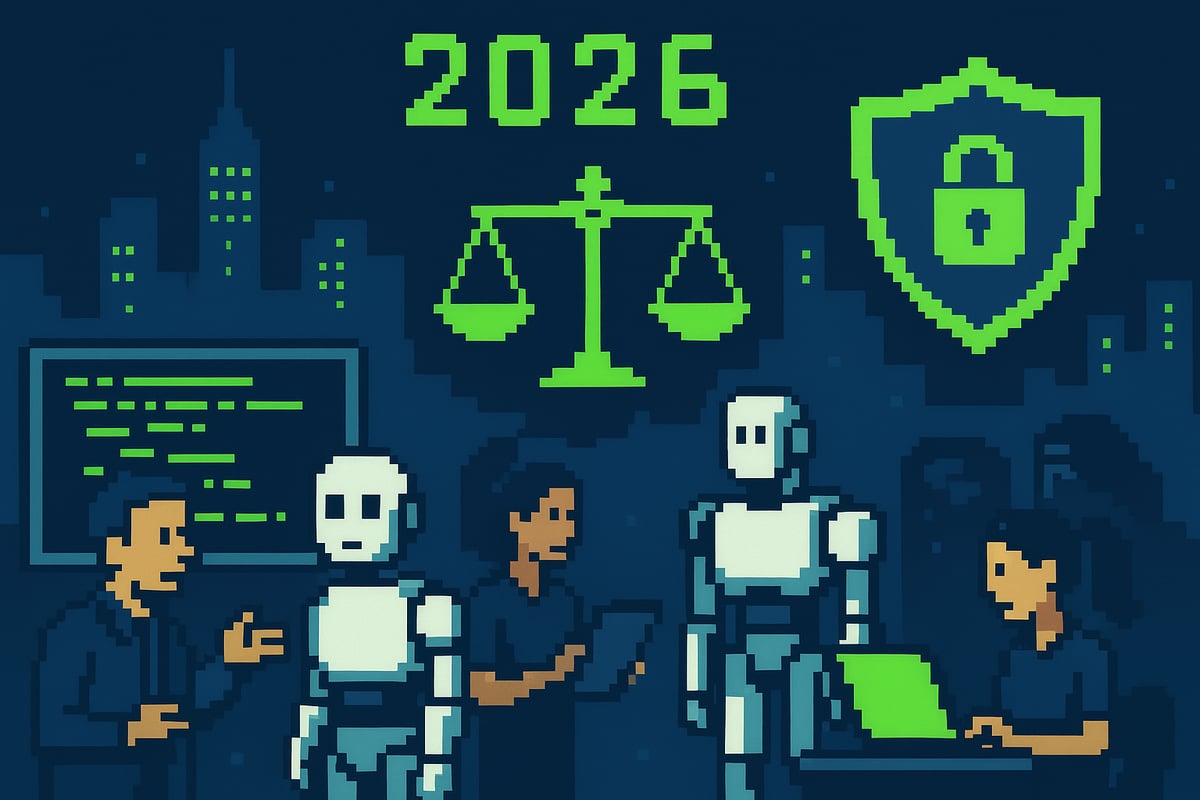
Artificial intelligence is reshaping society, bringing both promise and challenges. As we explore the elements of ai, it is crucial to understand the ethical, societal, and regulatory considerations that define responsible development. These factors not only influence how AI is built but also how it is accepted and trusted by the public.
Ethical Challenges: Bias, Fairness, Transparency, and Accountability
The rapid growth of AI has brought ethical challenges to the forefront. The elements of ai include not just technical prowess, but also moral responsibility. Bias in AI systems can lead to unfair outcomes, especially in areas like hiring and lending. For example, automated resume screening tools have sometimes favored certain demographics, raising concerns about equity.
Transparency is another critical aspect. Users and stakeholders need to understand how AI decisions are made. Without clarity, trust in AI systems erodes. Accountability is equally important. When AI makes a mistake, determining responsibility can be complex, yet it is necessary for building confidence in technology.
Ethics in AI demands ongoing vigilance. Developers must regularly audit algorithms, assess data inputs, and prioritize fairness. These steps are essential for ensuring the elements of ai are designed and deployed with integrity.
Table: Key Ethical Challenges in AI
| Challenge | Description | Example |
|---|---|---|
| Bias | Unintended favoritism or discrimination | AI in hiring/lending |
| Transparency | Clarity on AI decision-making processes | Black-box models |
| Accountability | Assigning responsibility for AI outcomes | Autonomous vehicle incidents |
| Fairness | Equal treatment and opportunity | Loan approval algorithms |
Societal Impacts: Jobs, Privacy, and the Digital Divide
The societal effects of the elements of ai are profound. Automation powered by AI can displace certain job roles, creating both opportunities and challenges for workers. While AI introduces new career paths, it also requires reskilling and adaptation.
Privacy concerns are increasingly significant. AI systems process vast amounts of personal data, raising questions about consent and data protection. The digital divide is another pressing issue. Unequal access to AI technologies may widen gaps between different communities, affecting who benefits most from innovation.
AI literacy is a vital solution. By promoting understanding of the elements of ai, individuals and organizations can make informed decisions, advocate for their rights, and participate in shaping technology’s future. Public education campaigns and accessible learning resources are essential for bridging knowledge gaps and fostering inclusive progress.
Regulatory Landscape: Global Frameworks and Industry Response
Regulation plays a pivotal role in guiding the responsible use of AI. In 2026, major frameworks like the EU AI Act and new US guidelines are setting global standards. These regulations address transparency, accountability, and risk management, aiming to protect consumers and promote ethical innovation.
Industry surveys show that 60% of organizations cite ethical concerns as barriers to adopting AI. This highlights the urgency of clear rules and best practices. Understanding the AI regulation developments 2025 is crucial for anyone engaging with the elements of ai, as these laws shape both business strategies and public trust.
Regulatory compliance is not just a legal requirement. It is a signal to the public that the elements of ai are being implemented with care and respect for societal values. Companies that prioritize ethical guidelines are better positioned to earn confidence and succeed in the long term.
Conclusion
The journey through the elements of ai is more than a technical pursuit. Ethical, societal, and regulatory considerations are essential pillars for responsible AI. By understanding and addressing these factors, we can ensure that artificial intelligence benefits all and upholds the values most important to society.
Learning Pathways: How to Master the Elements of AI
Artificial intelligence is evolving rapidly, and staying ahead means embracing continuous learning. Whether you are a beginner or an industry professional, mastering the elements of ai is more accessible than ever. Educational platforms and online resources offer flexible opportunities for all backgrounds and experience levels.
Accessible AI Learning Resources
Start your journey by exploring the wealth of available courses designed to teach the elements of ai. Massive Open Online Courses (MOOCs) are a popular starting point. Platforms like Coursera and edX offer beginner to advanced classes, covering everything from basic algorithms to ethical considerations.
University programs have also expanded their AI offerings, with flexible formats to fit various schedules. Bootcamps provide immersive, hands-on experiences for those seeking rapid skill development. These resources cater to different learning styles and career goals.
Step-by-Step Guide to Getting Started
Begin by assessing your current skills and interests. Choose a foundational course on the elements of ai that matches your background. Many learners start with introductory MOOCs before progressing to specialized tracks in machine learning, natural language processing, or robotics.
Next, set clear learning objectives and dedicate time each week to study. Engage with course forums, complete practical assignments, and seek feedback from peers. As your confidence grows, consider enrolling in intermediate or advanced modules to deepen your understanding.
The Impact of the Elements of AI Course
A standout resource in AI education is the Elements of AI course, which has reached over 1 million learners since its launch in 2018. This course is available in multiple languages, making it accessible to a global audience. Its curriculum covers the fundamentals of AI, ethical challenges, and real-world applications.
By focusing on practical examples, the course helps demystify complex concepts. Many participants report improved digital literacy and confidence in navigating AI-driven environments. The widespread adoption of the elements of ai reflects its value for personal and professional growth.
Building Real-World Skills and Lifelong Learning
Gaining expertise in the elements of ai requires more than theoretical knowledge. Pursue hands-on projects, participate in competitions, and join AI communities to apply your skills. Interdisciplinary competencies, such as coding, statistics, and understanding ethical issues, are highly valued in AI careers.
Lifelong learning is essential as AI technologies continue to advance. Explore practical tools and methods through resources like AI Tools for Business Analyst, which bridge the gap between theory and real-world applications. Stay curious, adaptable, and proactive to thrive in an AI-driven world.
The Future of AI: Trends and Emerging Directions
Artificial intelligence continues to accelerate at an unprecedented pace, shaping both our daily routines and the global economy. As we look to the coming decade, understanding the elements of ai is crucial for anyone seeking to stay ahead. What trends will define the next era of intelligent systems? Let us explore the innovations set to transform our world.
Major Trends in AI’s Next Decade
The next ten years promise breakthroughs in explainable AI, AI safety, and seamless human-AI collaboration. Explainable AI will help users and regulators trust complex systems by making decision-making processes transparent and understandable. AI safety research is advancing rapidly to ensure that powerful models act reliably, minimizing unintended consequences.
Human-AI collaboration is poised to enhance productivity and creativity across industries. Teams will increasingly rely on AI partners for complex problem-solving, decision support, and innovation. As the elements of ai become more integrated into our workspaces, professionals will need to develop new skills for effective interaction with intelligent systems.
| Trend | Description | Impact |
|---|---|---|
| Explainable AI | Transparent, interpretable models | Trust, adoption |
| AI Safety | Reliable, robust AI systems | Risk reduction |
| Human-AI Collaboration | Shared problem-solving, creativity | Productivity |
Generative AI: Redefining Creativity
Generative AI is revolutionizing how we create art, music, literature, and even software. These models can generate realistic images, compose original music, and draft compelling stories with minimal human input. The elements of ai powering these tools are making creativity more accessible and collaborative than ever before.
This surge in generative capabilities raises questions about authorship, originality, and the boundaries between human and machine-made content. For businesses and artists alike, the opportunity to harness generative AI means faster prototyping, personalized content, and new forms of expression. Investment in AI research is accelerating, with projections showing global spending could exceed $200 billion by 2030, according to AI market forecasts 2025.
AI for Sustainability and Global Impact
AI is emerging as a powerful ally in the fight against climate change and resource scarcity. Advanced models analyze massive datasets to predict weather patterns, optimize energy consumption, and support sustainable agriculture. The elements of ai are enabling smarter solutions for environmental challenges, helping societies adapt to a changing planet.
From climate modeling to disaster response, intelligent systems are vital in building a more resilient and sustainable future.
Staying Informed and Adaptable
The pace of innovation in AI demands that individuals and organizations remain informed and flexible. Mastering the elements of ai is not just a technical necessity but a strategic advantage. By embracing ongoing learning and ethical awareness, we can harness AI’s power while guiding its development toward positive outcomes.